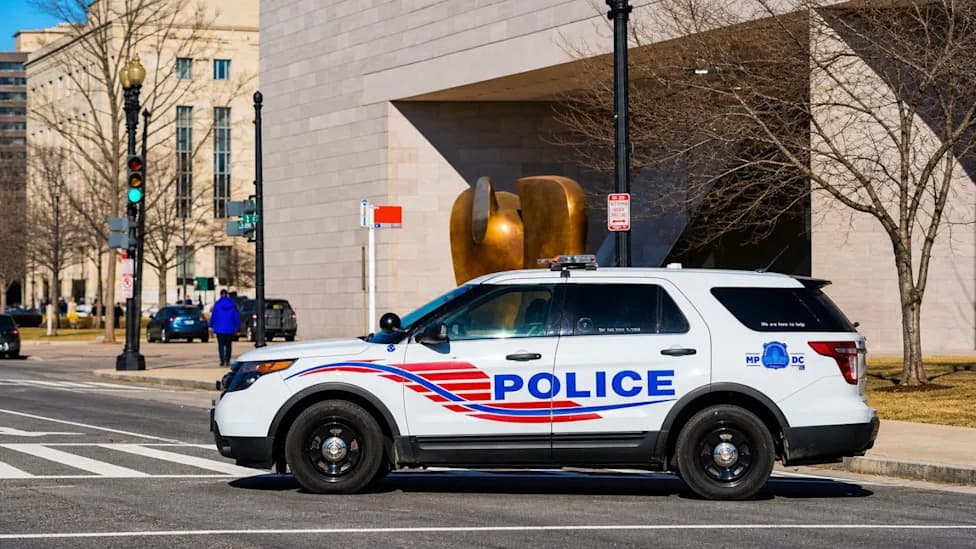
Rev. Aaron Phillips, who organized clergy support for Flock Safety in Cleveland, received seven payments of $2,500 from Mayor Justin Bibb’s reelection campaign, totaling $17,500. That financial link has intensified questions about whether pro-Flock clergy appearances were community-driven or politically coordinated. The debate unfolded as Cleveland’s council weighed renewal of roughly 100 ALPR cameras and after a Supreme Court decision that raised constitutional concerns about geofence-style surveillance. Critics say campaign payments undercut the moral authority of clergy endorsements for surveillance technology.
Cleveland Pastor Who Backed Flock Cameras Took $17,500 From Mayor’s Campaign — What It Means
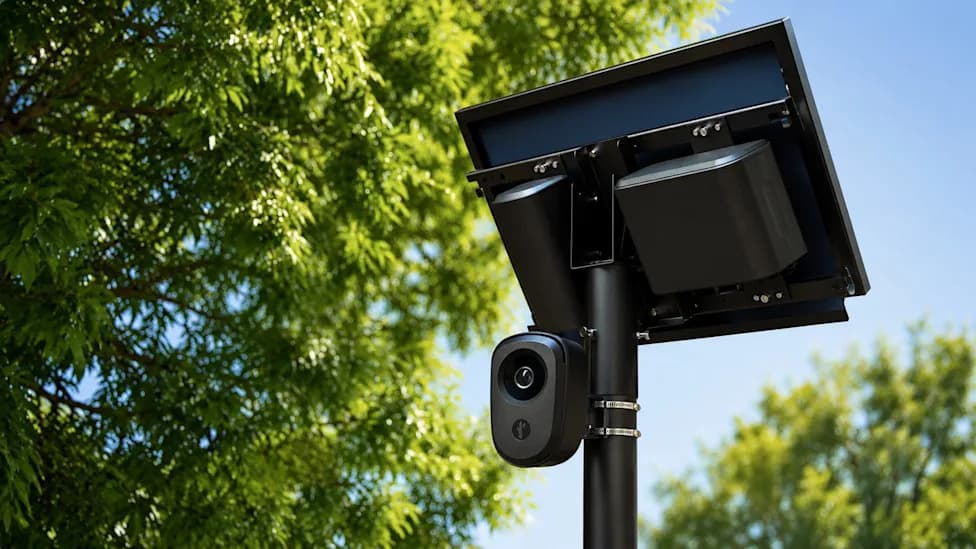
Image: Flock Safety
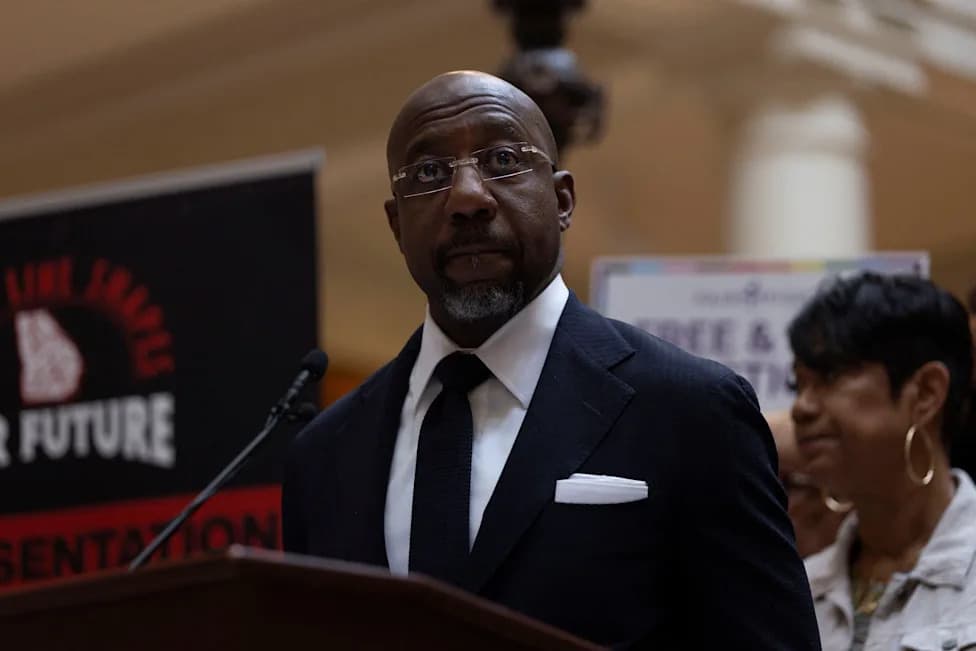
Twice, groups of East Side pastors marched into Cleveland City Hall to publicly defend Flock Safety’s license-plate readers. To many observers it looked like the Black church rallying behind the mayor’s public-safety agenda — moral authority in action. But campaign finance records reveal that the organizer of those clergy appearances, Rev. Aaron Phillips, received seven payments of $2,500 from Mayor Justin Bibb’s reelection campaign, totaling $17,500. That contrast between appearance and paper trail is the heart of the controversy.
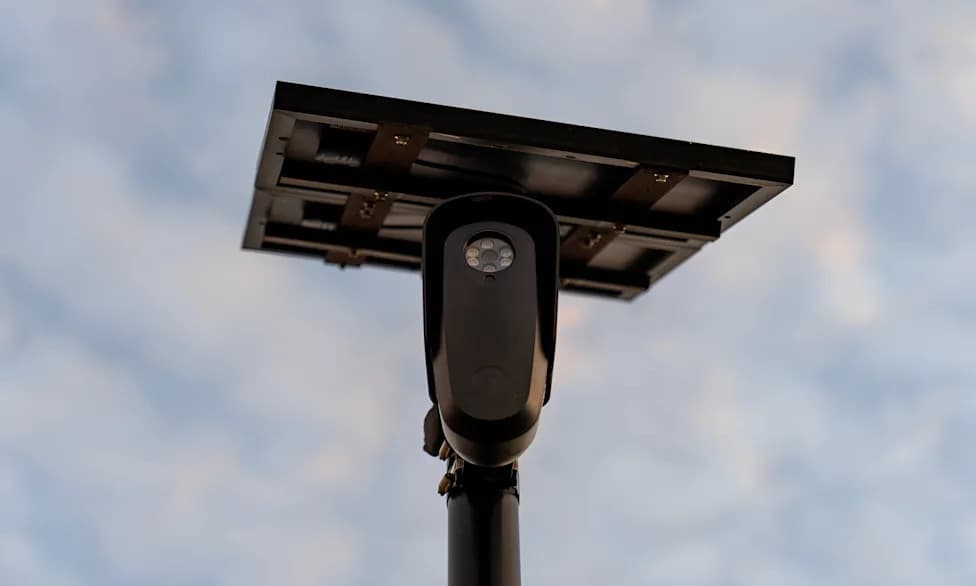
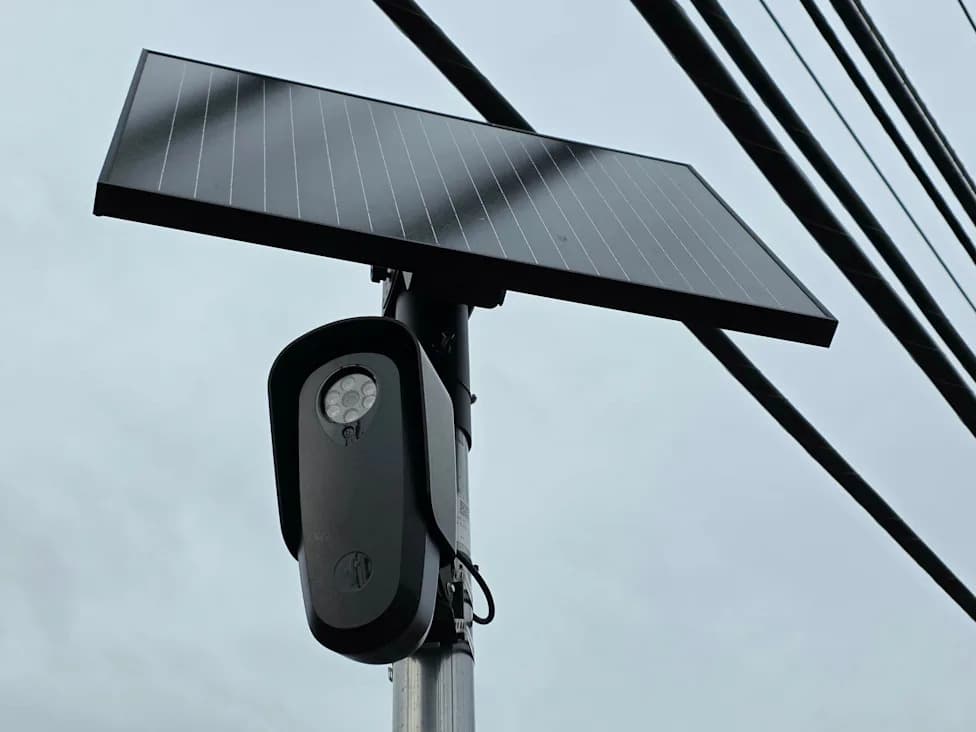
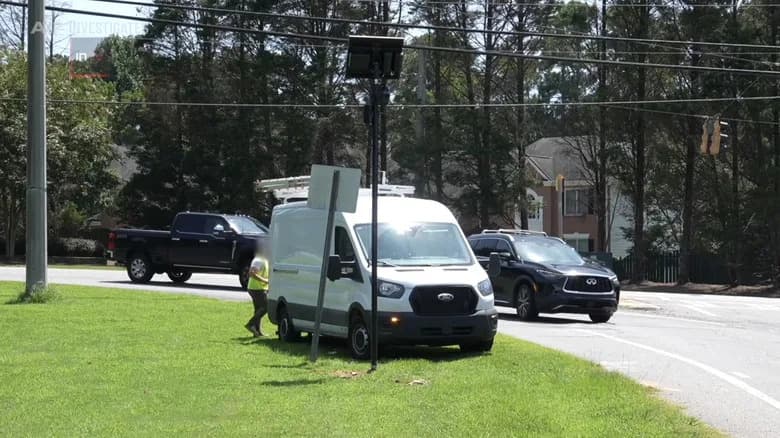
Why timing matters. Cleveland’s City Council Public Safety Committee voted against renewing Flock’s contract, which covers roughly 100 cameras that photograph and log every passing vehicle into a searchable police database — capturing not just suspects’ cars but everyone’s. The full council later approved a six-month extension as a compromise. That decision came as the Supreme Court limited so-called geofence dragnet warrants, drawing fresh constitutional scrutiny to automated license-plate reader (ALPR) systems like Flock, according to reporting by Cleveland.com.
Payments and the appearance of coordination. Engagement Consulting Inc., Phillips’ firm, received seven $2,500 payments from the Bibb campaign between April and November of the previous year, campaign finance records show and Rooster.info reported. The Bibb campaign says the money paid for pastoral organizing and community outreach — not for explicit advocacy of Flock — but the financial link has sharpened questions about whether clergy backing was an organic faith-community consensus or a coordinated political strategy.
Phillips organized and led clergy groups to City Hall twice during the contract debate. When asked whether anyone had paid him specifically to mobilize pro-Flock clergy, he declined to answer and texted: "I support LPR [license plate reader] cameras because I support safety in my community. That's it, that's all." Flock Safety confirmed it met with clergy as part of community engagement efforts but would not say whether Phillips was paid by the company.
Voices from the pulpit are divided. Some pastors emphasize safety; others warn of surveillance and civil-liberties tradeoffs. Rev. Napoleon Harris of Antioch Baptist criticized the notion of a unified clergy voice:
"They know that we want safety. But instead of safety, they're giving us surveillance."Rev. Vincent Stokes of New Sardis Primitive Baptist acknowledged car break-ins that trouble his congregation but questioned whether the privacy costs are worth the promise of greater security.
Phillips and his allies framed opposition as chiefly a West Side concern — suggesting that safer neighborhoods were lecturing crime-battered communities about risk tolerance. Bishop Chui, a Glenville resident and member of the "Flock No" coalition, rejected that framing and said many Black residents in high-crime neighborhoods also oppose Flock. Chui distinguished between residents who "take off work in the middle of the day" to attend hearings and "people who do this professionally," naming Phillips explicitly and calling parts of the council process a "dog and pony show."
What's at stake. The central question is not simply whether Flock cameras help solve crimes — studies on ALPR effectiveness vary — but whether the voices vouching for them can be trusted as independent community endorsements. When a pastor speaking from the pulpit is simultaneously receiving campaign payments, the claim that "the faith community supports this" shifts from moral witness to a statement that may appear financially influenced.
Context and next steps. The six-month extension gives the council and community time to weigh constitutional concerns and local public-safety needs in light of new legal guidance on geofence-style warrants. Advocates for both privacy and policing reforms say transparency — about payments, meetings, and outreach — is essential to rebuild trust.
Reporting note: Payments cited are from campaign finance records referenced by Rooster.info; legal and constitutional context drawn from reporting by Cleveland.com.
Help us improve.