Parents in Scotland say inclusion-focused school policies have sometimes resulted in victims being restrained or moved while perpetrators receive fewer visible sanctions. Several families described repeated physical assaults and want a national law to standardise anti-bullying procedures across councils. Advocacy groups stress relational approaches and warn that a rigid statutory regime could increase bureaucracy, while the Scottish Government points to recent national guidance and other measures such as a proposed mobile phone ban.
Parents Demand National Bullying Law After Repeated Physical Attacks in Scottish Schools
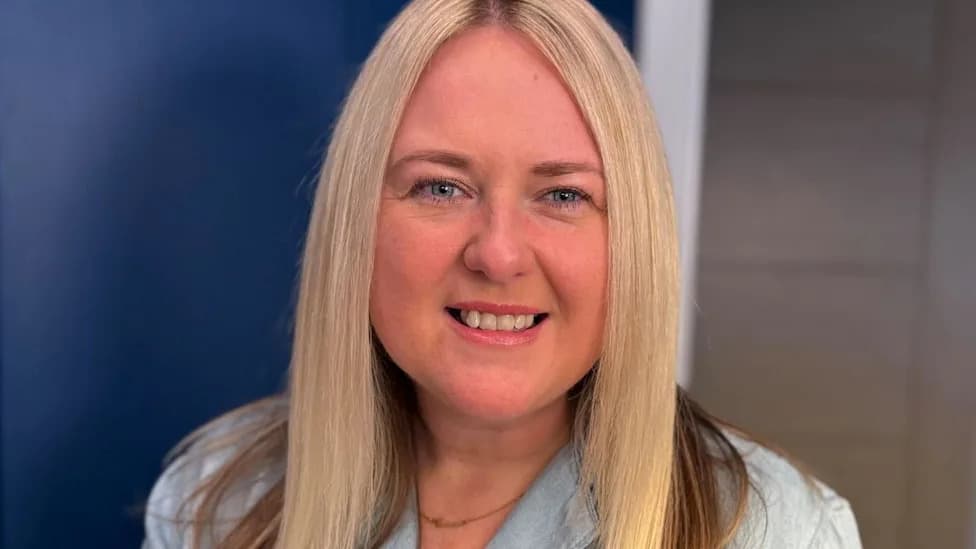
Lesley is one of a group of parents who believe existing school guidelines on bullying are not enough [BBC]
Parents across Scotland are calling for a national law to standardise how schools respond to bullying after several families say inclusion-focused policies led to victims being restricted while perpetrators faced limited sanctions.
Background
Supportive, inclusion-focused approaches have been adopted widely across Scottish education since the early 2000s. In practice, these policies emphasise emotional regulation, restorative practices and addressing the needs driving a child's behaviour rather than defaulting to immediate punitive measures.
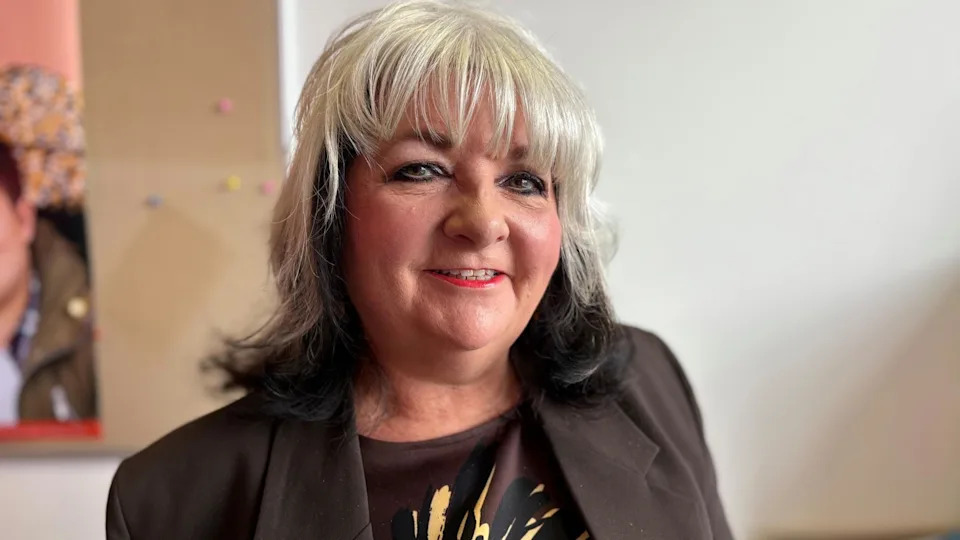
Lorraine Glass, the director of Respect Me, Scotland's national anti-bullying service, said there were already a number of laws to safeguard children in Scotland. [BBC]
Those changes have coincided with large reductions in formal disciplinary measures: permanent exclusions were effectively eliminated in 2024/25, and suspensions have fallen by around 75% over the past 20 years. Scotland's anti-bullying guidance, Respect for All, has been in place since 2010 but is non-statutory for councils and schools.
Parents' Accounts
Several parents described prolonged and serious incidents in which their children were physically assaulted. Lesley said her eight-year-old son was kicked in the head, repeatedly thrown to the ground and had his head pushed against a wall over a 12-month period. She told reporters the school's response increasingly focused on restricting her son — for example, not allowing him to use the toilet alone and requiring collection from the school office — rather than disciplining the pupils who attacked him.

Ashley's experience led her to research the rules which are available to teachers [BBC]
"Why is it not the bullies that are getting those restrictions? The rights of the bullies were protected at all costs because of the inclusion policy," Lesley said.
Ashley, whose seven-year-old son Josh was targeted at a primary school in East Ayrshire, said Josh was kept inside at playtimes to avoid a bully and became a "shadow of himself," even setting an alarm at night to pretend to be ill to miss school. Kirsty described how her 14-year-old son Kyle was hospitalised after being bitten and kicked, suffering a mild concussion and missing a week of school.
Voices From Advocacy Groups, Unions and Authorities
Lorraine Glass, director of Respect Me (Scotland's national anti-bullying service), noted that multiple laws already exist to safeguard children and warned that punishment alone is not always an effective response. She advocated for a relational, inclusive approach that seeks to understand and address the drivers of harmful behaviour, while acknowledging that current guidance may not fully cover some of the most extreme violent incidents between pupils.

Kirsty's experience with her son's school led her to send a petition to the Scottish Parliament [BBC]
Stuart Brown, assistant general secretary of the EIS teaching union, cautioned that introducing a new statutory law could create extra bureaucracy and divert schools from early intervention methods, at a time when staffing pressures and higher levels of Additional Support Needs (ASN) are already challenging educators.
Local councils named in these cases — Renfrewshire, East Ayrshire and Glasgow City — emphasised their commitment to pupil wellbeing, described existing processes for investigating bullying, and said appropriate action has been taken in the incidents referenced. The Scottish Government said it published national guidance last year on consequences and risk assessments for violent, aggressive and dangerous behaviour, and noted wider measures, including plans to ban personal mobile phones in learning environments.
Discussion
The debate centres on two priorities: parents seeking consistent, enforceable rules so victims are protected and consequences are clear; and educators and advocacy groups urging caution about rigid, punitive approaches that may not address root causes and could increase burdens on already stretched schools.
Parents argue that non-statutory guidance leaves too much variation between councils, and that headteachers lack clear backing when they apply consequences. Opponents of a prescriptive law warn that statutory duties could reduce flexibility and resources for preventive work.
Conclusion
The accounts from affected families have sharpened calls for national clarity. Any effective response will need to balance lawful protections and consistent procedures with support for early intervention, restorative practice and resources for schools so that victims are kept safe and perpetrators get appropriate help and accountability.
Help us improve.