Ohio’s Senate Bill 1, effective June 2025, requires public colleges and universities to post undergraduate syllabi and—at the university level—certain instructor details online and publicly accessible without registration starting in fall 2026–27. The law also bans DEI initiatives and removes faculty strike protections. Supporters call the rule a transparency measure; critics warn its vague "intellectual diversity" language and public posting requirements could chill academic freedom and prompt self-censorship, especially among non-tenured faculty. Institutions must make syllabi searchable, reachable from the main page within three clicks, and keep them online for at least two years.
Ohio Requires Public Universities To Post Syllabi And Instructor Details Online Under New Law
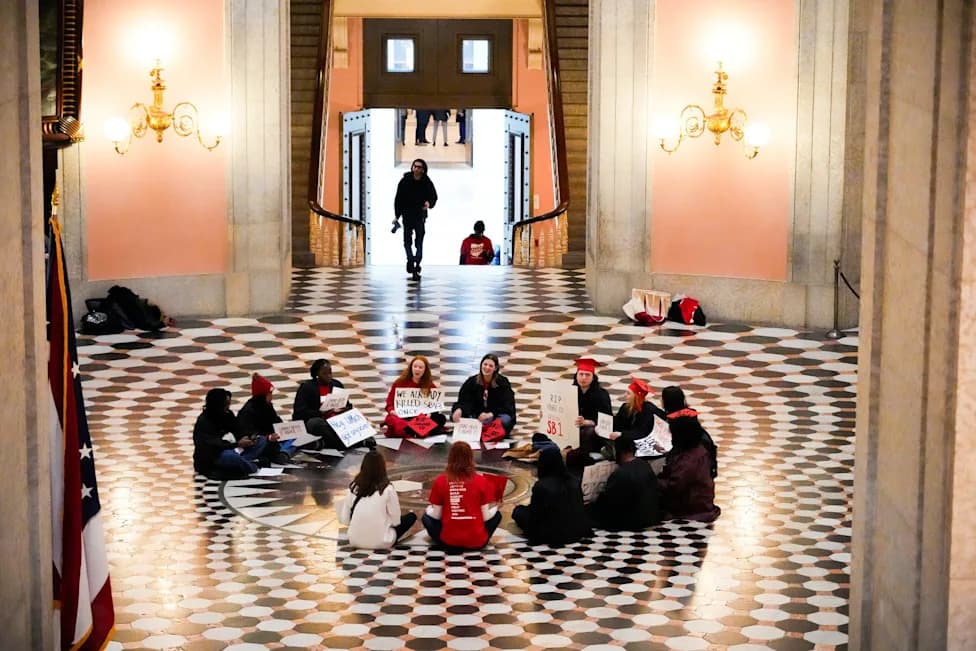
Ohio law requires colleges to post syllabi, instructor information online
Ohio's sweeping higher-education reform, enacted as Senate Bill 1 and effective June 2025, now requires public colleges and universities to post undergraduate course syllabi and certain instructor information online and accessible to the public without registration. The online-posting mandate takes effect this fall for the 2026–27 academic year. The law also bans campus diversity, equity and inclusion (DEI) initiatives and removes faculty protections to strike.
What The Law Requires
SB1 defines a course syllabus as a document prepared by the instructor for students that must include the instructor's name, a calendar outlining when materials and topics will be covered, and a list of required or recommended readings. For Ohio's 14 public universities, the online postings must also include instructor professional qualifications, contact information and course schedules; community and technical colleges are exempt from the instructor-details requirement.
Institutions must make syllabi reachable from the school's main web page with no more than three clicks, ensure the postings are searchable by keywords and phrases, and keep them publicly available for at least two years. The documents cannot require any user registration. Universities may let instructors post individual syllabi or build centralized, school-wide databases.
Implementation, Costs And Vendors
Many campuses are partnering with third-party vendors to manage searchable syllabus libraries. Miami University has launched a syllabus library through a contract with Simple Syllabus (Simple Higher Ed), and the Inter-University Council of Ohio and Kent State have negotiated group access with the company. Simple Syllabus typically charges an annual subscription tied to an institution’s full-time-equivalent (FTE) enrollment rather than a flat public rate; one cited example was a Florida community college contract for 811 students at $7,500 per year (about $9 per student).
SB1 does not allocate additional state funding for compliance, and lawmakers have suggested costs could be offset by savings from discontinued DEI programs. A compliance report was due to the Ohio Department of Higher Education on June 30; Chancellor Mike Duffey and his office are reviewing submissions and, according to the bill’s sponsor, expect a high level of compliance.
Reactions From Faculty And Lawmakers
“Part of the solution to that was to make sure that we have proper transparency of the syllabus process, so that professors needed to outline everything that they were including in the course,”
—Sen. Jerry Cirino (R-Kirtland)
Supporters say the requirement increases transparency for prospective students and the public and helps ensure balanced presentation of different viewpoints. Sen. Jerry Cirino, the bill’s primary sponsor, said syllabi transparency will make course objectives, speaker lists and instructor qualifications visible to the public.
“It's going to hurt students,”
—David Niven, Professor of Political Science, University of Cincinnati
Opponents—including tenured and contingent faculty—warn the mandate could chill academic freedom. Critics say the law’s instruction that courses must demonstrate "intellectual diversity" (defined in the bill as presenting "multiple, divergent, and varied perspectives on an extensive range of public policy issues") and the prohibition on "indoctrination" are vague and could encourage self-censorship, especially among non-tenured instructors worried about job security. Faculty leaders also express concern that publishing detailed lesson plans and contact information could expose instructors to harassment.
Practical Effects And Open Questions
Universities must post syllabi by the first day of the term in which a class is offered; many had already publicly posted materials prior to the deadline. Key open questions include the full administrative cost of compliance, how institutions will implement searchable databases, and how the law’s broad language on "intellectual diversity" will be interpreted or enforced in practice.
This article is based on reporting from the Cincinnati Enquirer and includes statements from lawmakers and university faculty describing both the intended benefits and the concerns sparked by SB1.
Help us improve.