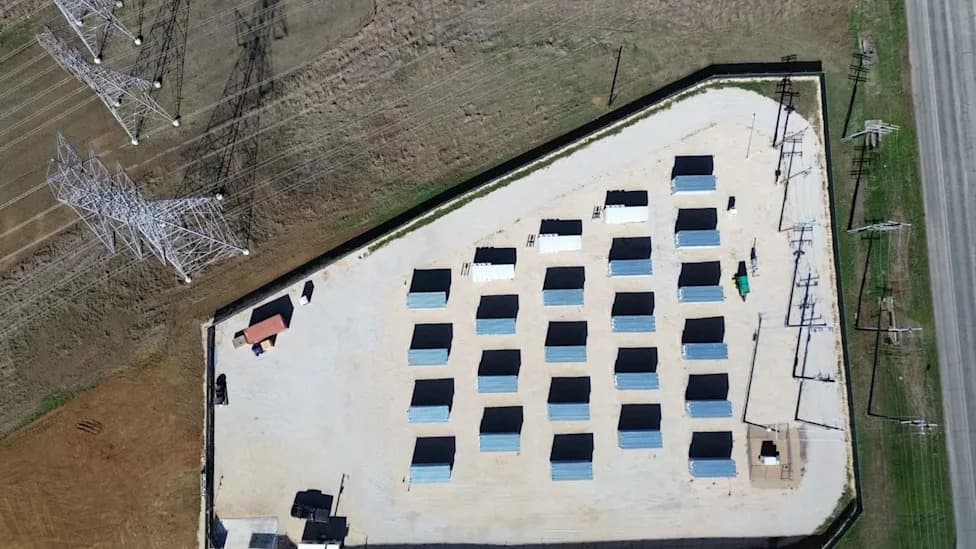
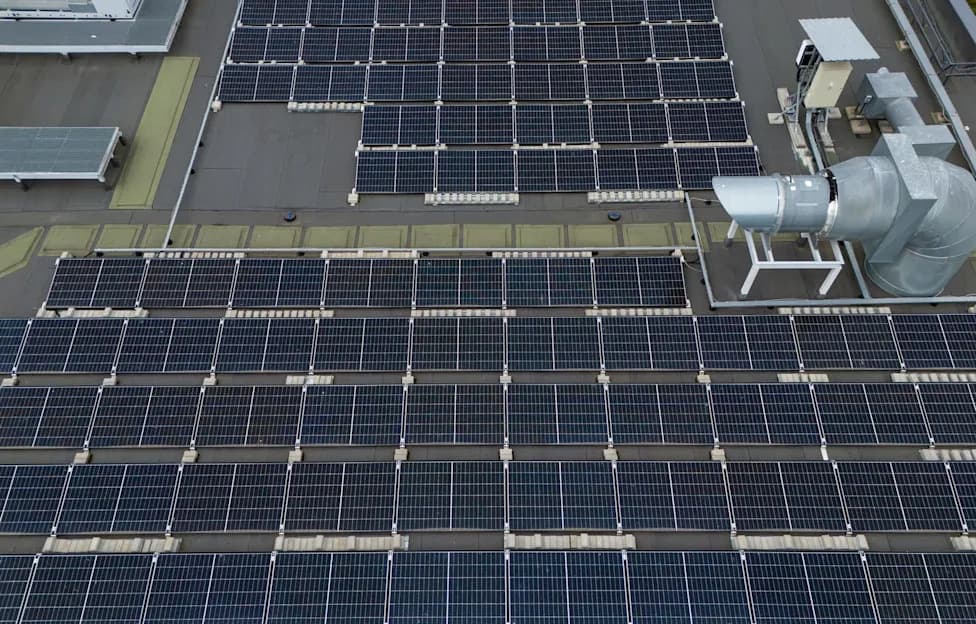
The Powerbox SE, developed by Hertfordshire Business School and a Nigerian manufacturer, is a compact solar system supplying off-grid communities in Nigeria. Each unit generates about 1,200 Wh per day and 70 units are already in use in Kaduna State, powering lights, fans, laptops and washing machines. Users report longer trading hours, improved study time for students and reduced fuel costs, and developers say wider investment could take the technology to millions more.
Powerbox SE: Hertfordshire Solar Unit Brings Reliable Electricity To Remote Nigerian Communities
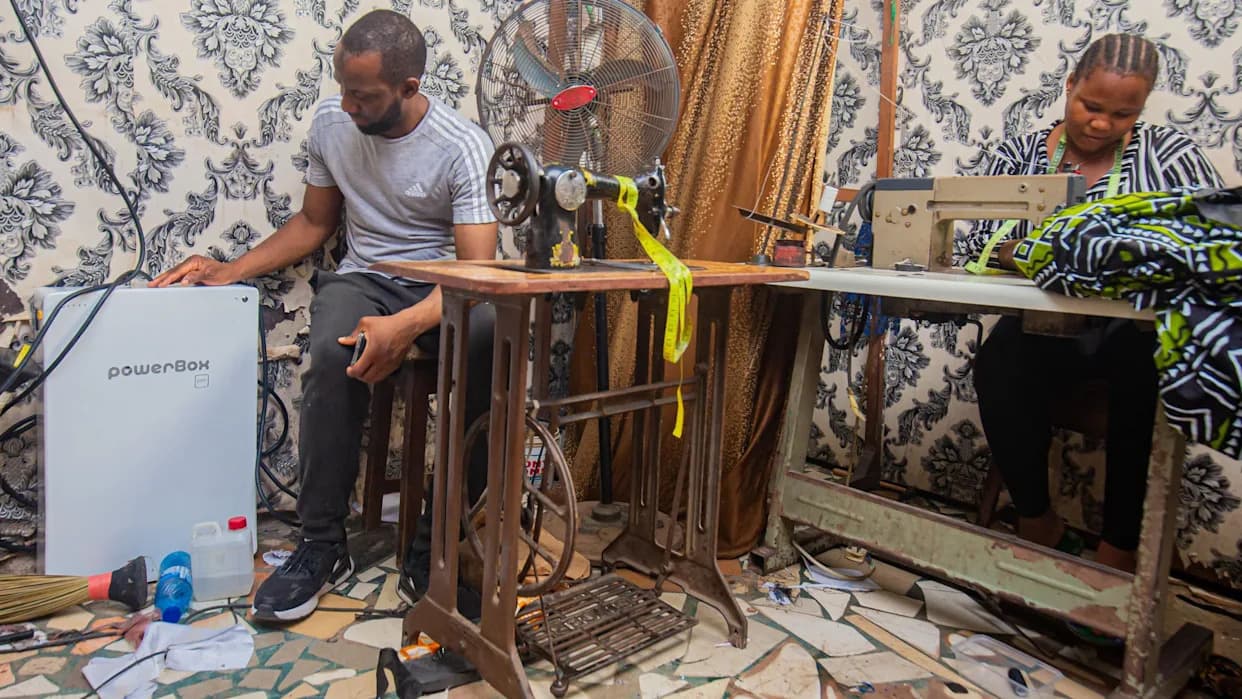
Each unit has a lifespan of about 10 years and costs about £190 [University of Hertfordshire]
A compact, solar-powered unit developed in the East of England is delivering reliable electricity to remote communities in Nigeria and reshaping how people live, work and study.
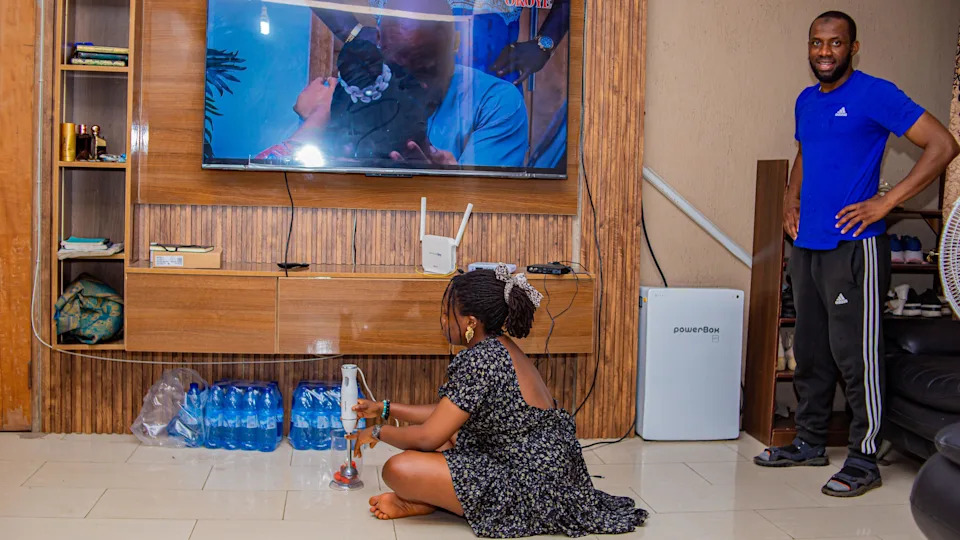
Prof Hafiz Alaka (right) has visited Nigeria to work on the product and see it in action [University of Hertfordshire]
Powerbox SE was developed in partnership between Hertfordshire Business School at the University of Hertfordshire and a Nigerian manufacturer. The project is led by Prof Hafiz Alaka, who grew up in Nigeria where power supplies were often unreliable or absent; he describes the system as "a sustainable, low-cost solution."
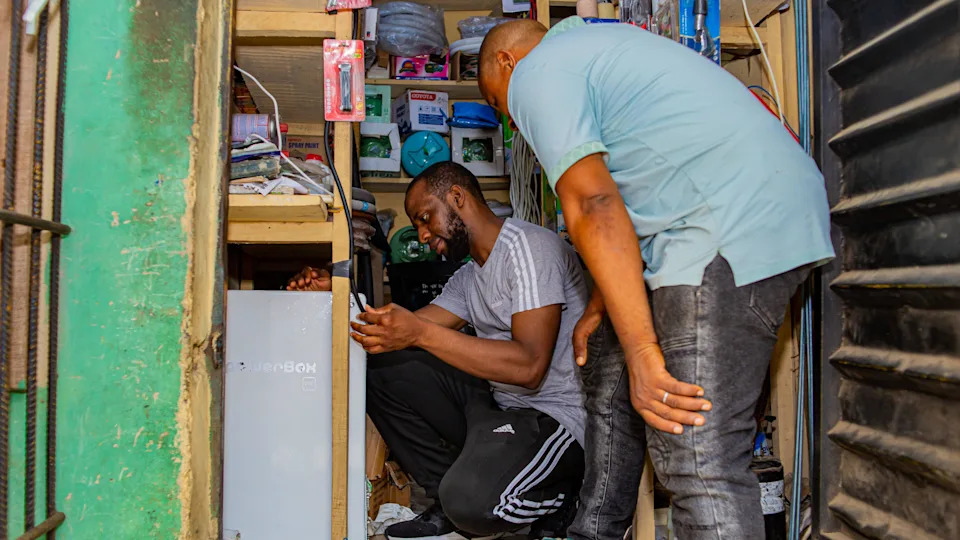
The box was developed at Hertfordshire Business School along with Powerbox Energy Systems Nigeria and Alphagenesis [University of Hertfordshire]
The Powerbox SE is already being deployed in remote parts of Nigeria and can run everyday appliances including lights, fans, laptops and washing machines. Each unit captures roughly 1,200 watt-hours of solar energy per day, and 70 units are currently operating in Kaduna State.
Alaka, Associate Dean in Research and Enterprise at the business school and Director of the Big Data Technologies and Innovation Laboratory, says the device "runs entirely on clean solar energy, has no running costs and is made from components that can be sourced locally in Nigeria." He adds: "It's built for Africa's environment and for Africa's people."
Amina Yusuf, who runs a grocery shop in Kaduna: "I can keep my shop open after sunset, my children can study at night, and I've reduced my fuel costs significantly. It has transformed how we live and work."
Bala Ibrahim, a teacher in a rural village: "It allows my students to study after dark and keeps our community connected."
The team emphasises local assembly and repair: parts can be sourced within Nigeria to support local businesses, simplify maintenance and keep costs low. With investment and broader deployment, the developers say the Powerbox SE has the potential to expand access to clean, reliable electricity for millions who currently lack dependable power.
Help us improve.