Sari Shriki, 19, who grew up in a residential youth facility after both parents served prison terms, now volunteers in uniform with the Israel Prison Service through the Israeli Volunteer Association’s Temura program. After receiving an exemption from military service, she chose Sherut Leumi as a way to serve and to build a new path. Weekly group sessions and a dedicated coordinator provide emotional support and life-skills training. Shriki plans to continue another year and hopes to pursue a career in security services.
19-Year-Old Sari Shriki Wears IPS Uniform, Turning a Troubled Past Into National Service
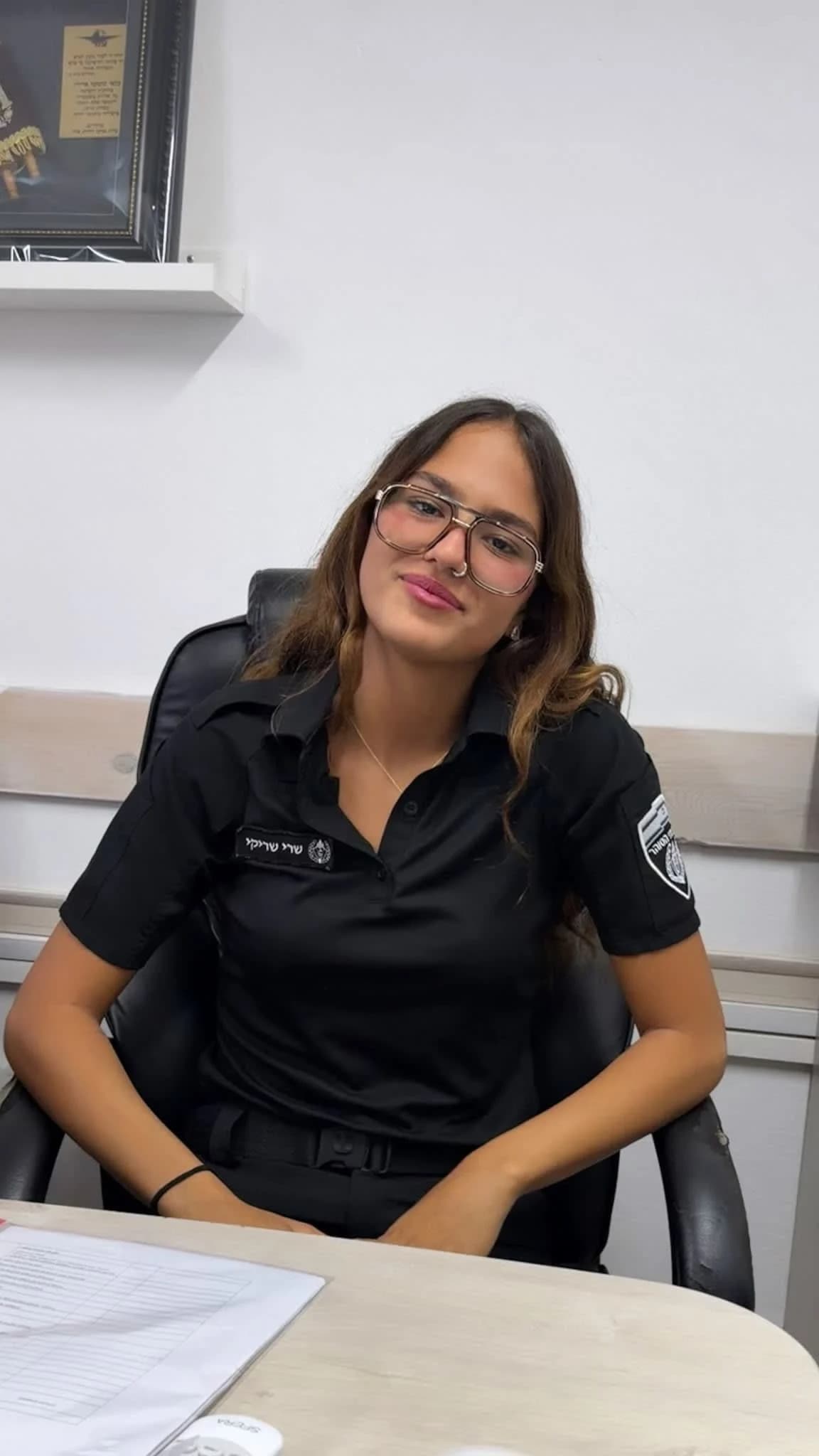
Sari Shriki, 19, who grew up in a youth facility, is volunteering with the Israel Prison Service through a national service track for at-risk youth. (photo credit: Israeli Volunteer Association)
Sari Shriki, 19, who spent much of her childhood in a residential youth facility after both parents served lengthy prison sentences, now reports for duty each day in the Israel Prison Service (IPS) uniform as a national service volunteer. Placed through the Israeli Volunteer Association’s Temura ("Transformation") track, Shriki is using her experience to support at-risk peers while preparing for a future in the security services.
Background
Originally from Eilat, Shriki and her twin sister were removed from their family home at a young age because their household was affected by addiction and incarceration. Her relationship with her father was strained after repeated incarcerations, and a turning point came in seventh grade when he was detained again — forcing the sisters to make long bus trips alone for weekend visits.
Choosing Service Over Circumstance
At 18 Shriki received an exemption from military service. After briefly contesting that decision, she searched for another meaningful way to serve. She joined Sherut Leumi (Israel’s national service framework) and was placed with the IPS through the IVA’s Temura program.
“I had never been in a prison before in my life. Everything I knew about it was from movies. When I came for the interview and walked into the facility, it was a real shock,” Shriki recalled. “The first time I put on the uniform, I cried. It would have been so easy for me to run away and go down the path of drugs, and yet I chose the opposite path.”
Support Structure and Personal Growth
The Temura track provides tailored volunteer placements along with weekly group sessions focused on emotional support, life skills, and preparation for adult independence. Participants meet with a coordinator and peers to discuss challenges such as addiction, relationships, and finances.

Sari Shriki, 19, who grew up in a youth facility, is volunteering with the Israel Prison Service through a national service track for at-risk youth. (credit: Israeli Volunteer Association)
Adir Tamir-Saada, Shriki’s IVA coordinator, described the program as a framework shaped to fit participants’ needs: “These kids really need that support and for the service to fit them. It’s a chance to talk about addiction, sexuality, and dealing with finances before they head out on their own.”
Looking Ahead
Shriki plans to continue for a second year of national service and hopes to build a career in the security sector. Her message to other young people from difficult backgrounds is simple and powerful:
“Don’t take on the negative, no matter what you see around you. Even when it’s hard, take that very thing and turn it into growth. Don’t let it pull you under.”
Organizational Perspective
Yaron Lutz, executive director of the IVA, said Shriki’s story is proof of the Temura track’s purpose: to give vulnerable young people a support network, practical tools, and the confidence to transform past challenges into public contribution and personal growth.
The Israel Prison Service emphasizes that its workforce comes from diverse backgrounds: “Human dignity and equal opportunity for all give us the privilege of helping every person discover the spark within them and turn it into a great light. Our strength as an organization lies in our people.”
Help us improve.