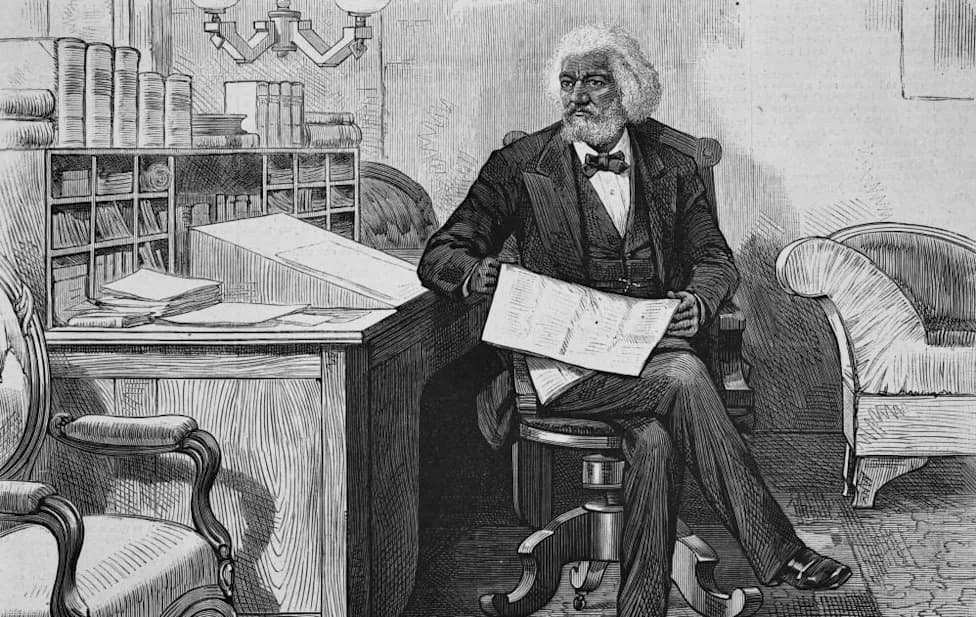
Princeton professor Eddie S. Glaude Jr. uses the tragic story of Moses Gordon — manumitted in 1776, later re-enslaved under North Carolina law, escaped to Philadelphia for about a decade of freedom, then captured and driven to suicide — to illustrate a national pattern he calls “freedom snatching.” In his new book, Glaude urges Black Americans, as the country marks 250 years, to marshal resources and focus for the continuing struggle rather than be distracted by online noise. He wrote the book while his mother was ill and frames the anniversary as a call to sober action.
‘Freedom Snatching’ at 250: Eddie Glaude Jr. Uses Moses Gordon’s Story to Sound the Alarm
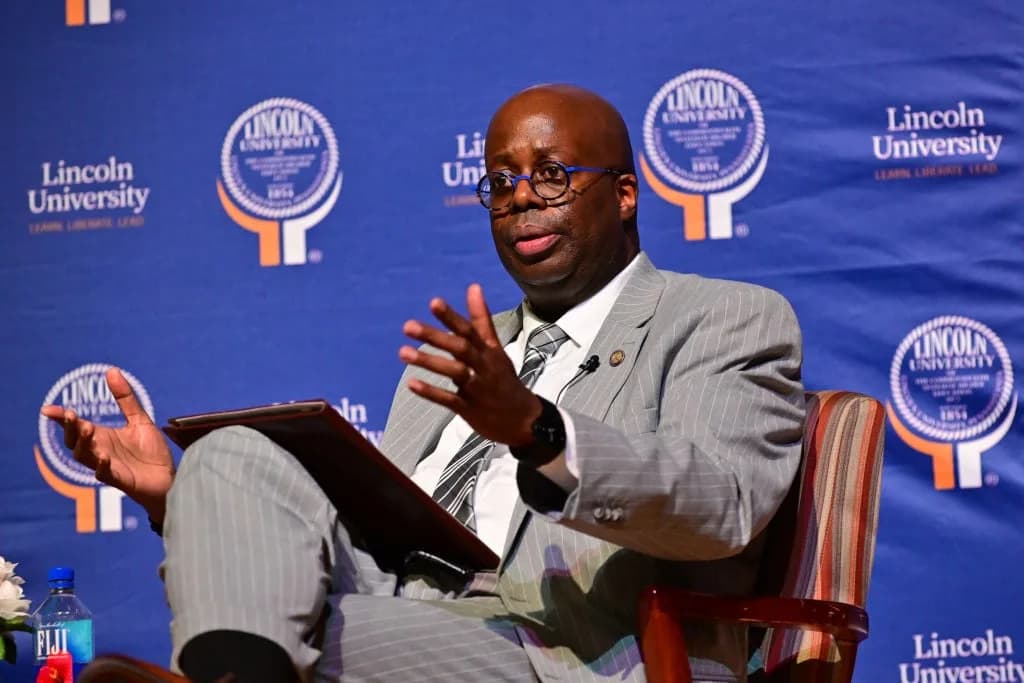
PHILADELPHIA, PENNSYLVANIA - MARCH 01: Chad Dion Lassiter speaks onstage during the PHRC Black History Month Social Justice Lecture Series featuring Dr. Eddie Glaude, Jr. on March 01, 2023 in Philadelphia, Pennsylvania. (Photo by Lisa Lake/Getty Images for Pennsylvania Human Relations Commission )Photo by: Lisa Lake / Getty Images
As the United States approaches its 250th anniversary, Princeton professor and New York Times bestselling author Dr. Eddie S. Glaude Jr. urges Black Americans to confront the nation’s history with clear eyes. In a wide-ranging interview with theGrio’s Natasha S. Alford about his new book, America, U.S.A.: How Race Shadows the Nation’s Anniversaries, Glaude recounts the harrowing life of Moses Gordon to illustrate a recurring pattern he calls “freedom snatching.”
From Manumission to Re-Enslavement
Glaude says he discovered Gordon while researching some of the earliest petitions Black men submitted to Congress. According to Glaude, Gordon was manumitted in 1776 by a Quaker owner who saw slavery as a sin and embraced revolutionary ideals. Yet a North Carolina statute later declared that manumission invalid. Two years after his formal release, Gordon was captured and re-enslaved, then sold to a brigadier general who had fought in the Revolutionary War.
Gordon escaped to Philadelphia and lived roughly a decade as a free Black man, forming relationships and raising children. But under the fugitive-slave framework of the era — which later included the Fugitive Slave Act of 1793 — the law treated self-emancipation as theft. Slave catchers eventually located Gordon in Philadelphia, shackled him, and prepared to return him to North Carolina.
“That’s freedom snatching,” Glaude told theGrio. “They give it, they take it away, you take it, they take it away.”
Rather than face re-enslavement, Gordon drowned himself — a tragic death recorded at the time by a Quaker observer. Glaude describes Gordon’s fate as a concentrated example of the cycles of promise and dispossession Black Americans have endured over the nation’s history.
A Personal and Urgent Charge
Glaude says he wrote his book in nine months while his mother battled cancer and that the project felt almost like a compulsion. His admonition for the present moment is direct: this is not 1965; this is 2026. He urged Black Americans to marshal capital, organization, and focused energy toward present struggles rather than being diverted by online distractions or algorithmic noise.
“Every time white America has lost its mind over the course of the history of the country over these 250 years, our task has been to make sure that our babies get to the other side.”
Glaude frames the 250th anniversary not as a simple celebration but as a sober reminder to prepare, protect, and build community resilience in the face of cyclical threats to Black freedom.
Help us improve.