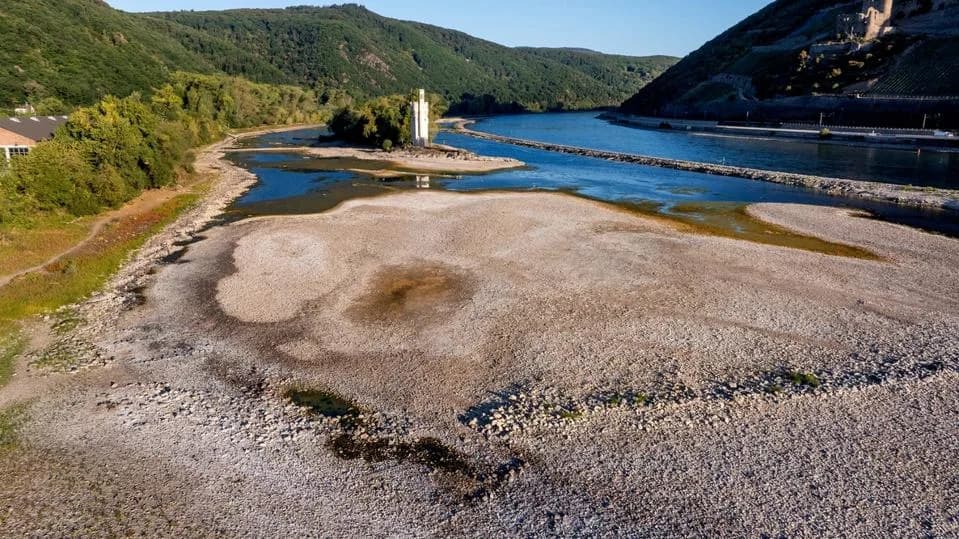
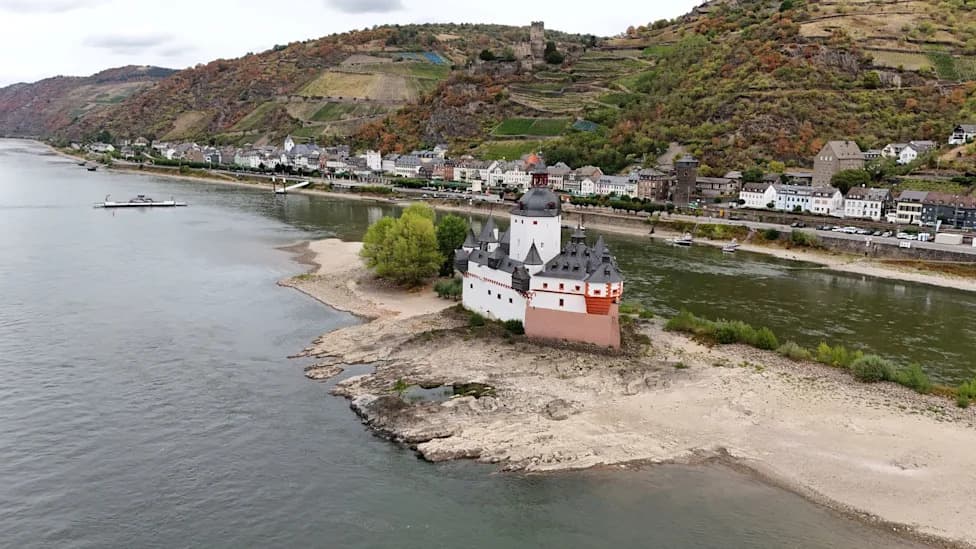
New research in Communications Earth & Environment finds that winter shifts in the North Atlantic Oscillation (NAO) can foreshadow summer droughts in Central Europe. Analysis of long-term soil moisture, groundwater and streamflow at Demnitz Mill Creek (east of Berlin) showed that drying propagates slowly from surface to deep soils and aquifers, producing months of lead time. Two mechanisms—altered spring precipitation patterns and earlier vegetation transpiration—likely link winter NAO to summer dryness. The relationship has strengthened since 2000, but the result is based on one well-studied catchment and requires wider testing.
Winter North Atlantic Signals Could Predict Central Europe’s Summer Droughts — New Study
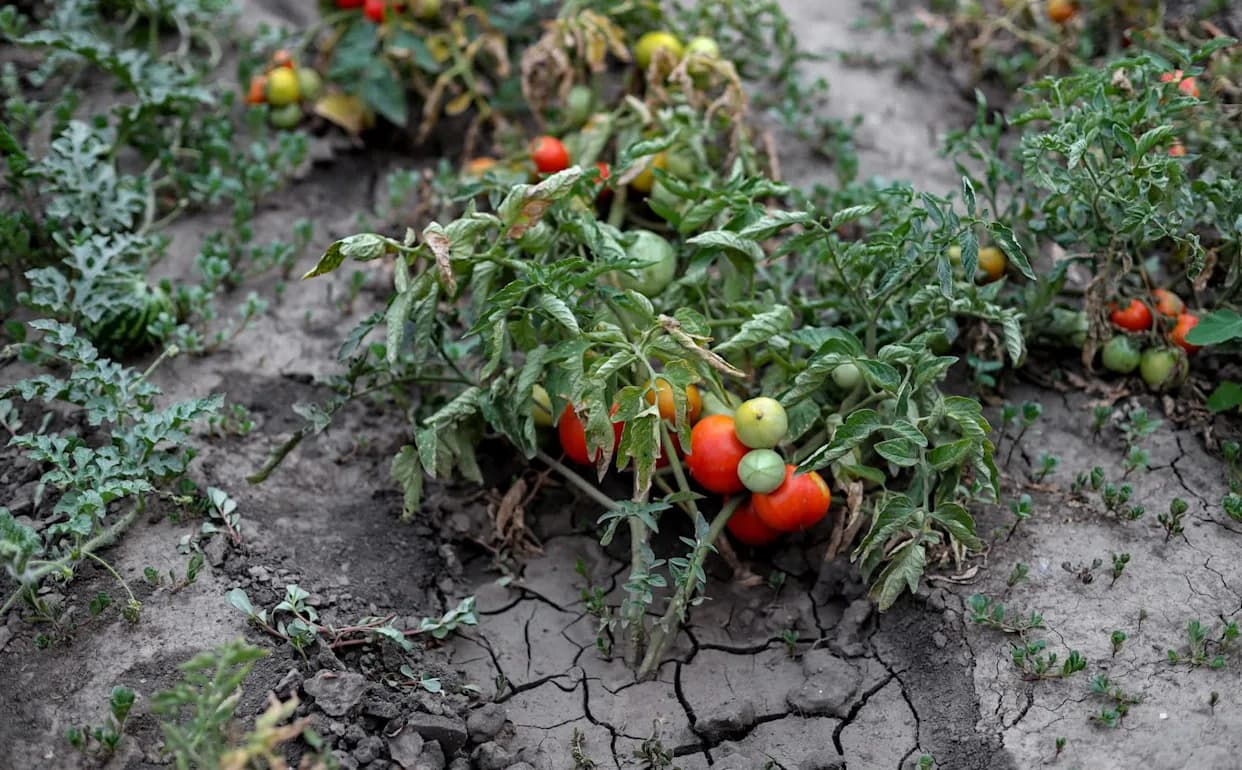
Photo Credit: iStock
Damage from summer droughts in Central Europe is most visible during heatwaves, but the factors that set them up can begin months earlier. New research published in Communications Earth & Environment shows that wintertime shifts in North Atlantic pressure patterns can provide an early signal of dry summers in the region.
Key Findings
Led by HU Berlin ecohydrologist Cong Jiang, the study links dry Central European summers to the winter phase of the North Atlantic Oscillation (NAO), which alters storm tracks across Europe. In the NAO's positive phase, the pressure contrast between the Azores high and the Icelandic low strengthens. While this generally brings milder, wetter winters to northern Europe, the researchers found it can also precede drier summers in Central Europe.
From Atmosphere to Ground: How the Signal Propagates
To connect atmospheric patterns with on-the-ground impacts, the team analyzed long-term records from Demnitz Mill Creek, a lowland catchment east of Berlin with continuous soil moisture, groundwater and streamflow data. The site typically receives about 22 inches (≈560 mm) of precipitation annually but can lose more than 35 inches (≈890 mm) to evaporation and plant transpiration—an imbalance that leaves the basin vulnerable to drought.
2018 Drought: A Slow, Downward-Propagating Drying
Reconstructing the 2018 drought in the catchment revealed a staggered drying sequence: rainfall reached its minimum in August, topsoil was driest in October, deeper soil layers hit their lowest moisture the following February, and streams and groundwater bottomed out in June 2019. This slow propagation means surface signals can precede critical water-resource impacts by many months.
Two Plausible Pathways
- Altered Precipitation Patterns: Winter atmospheric changes—and possibly reduced Arctic sea ice—can shift spring wind patterns and steer rainfall away from Central Europe.
- Accelerated Soil Moisture Loss: Warmer winters and earlier springs can make vegetation leaf out sooner, increasing transpiration and draining soil moisture earlier in the year.
Implications for Water Management and Agriculture
Because winter NAO phase can precede summer dryness by months, it could function as an early warning signal. Water managers could use this lead time to adjust reservoir operations, increase groundwater monitoring, or stage irrigation plans. Farmers might alter crop selection, planting dates, or water-use strategies when forecasts indicate elevated drought risk.
Limitations and Next Steps
The authors caution that results are based on a single, well-studied lowland catchment. The NAO–drought link appears to have strengthened since 2000, which may reflect climate warming, but the hypothesis needs testing across additional lowland basins in Central Europe before being generalized.
Bottom line: Winter atmospheric patterns over the North Atlantic may give months-long lead time to anticipate some Central European summer droughts, offering a practical window for preparation—but broader validation is required.
Help us improve.