Nearly three years after a July 2023 brain implant, Casey Harrell, an ALS patient, can communicate clearly enough to work and use the internet. Implanted electrodes record speech-related brain activity, and software converts those signals into speech while an eye-gaze tracker lets Harrell correct errors before messages are spoken. The setup includes practical safeguards such as privacy mode and a profanity filter. The case highlights rapid BCI advances and their potential to restore communication and independence for people with severe speech or motor loss.
Brain Implant Restores Voice and Independence to Man With ALS
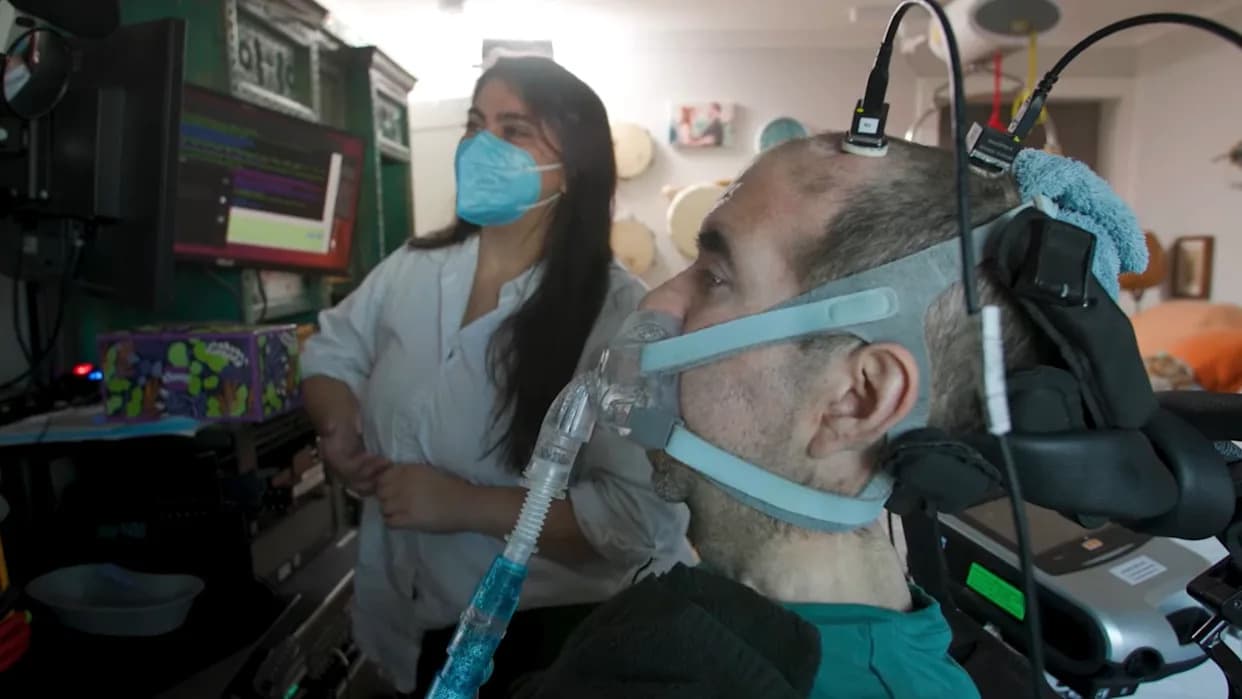
Photo Credit: UC Davis Health
Nearly three years after receiving a brain implant, Casey Harrell, a climate activist living with amyotrophic lateral sclerosis (ALS), has regained the ability to communicate clearly enough to work and browse the internet.
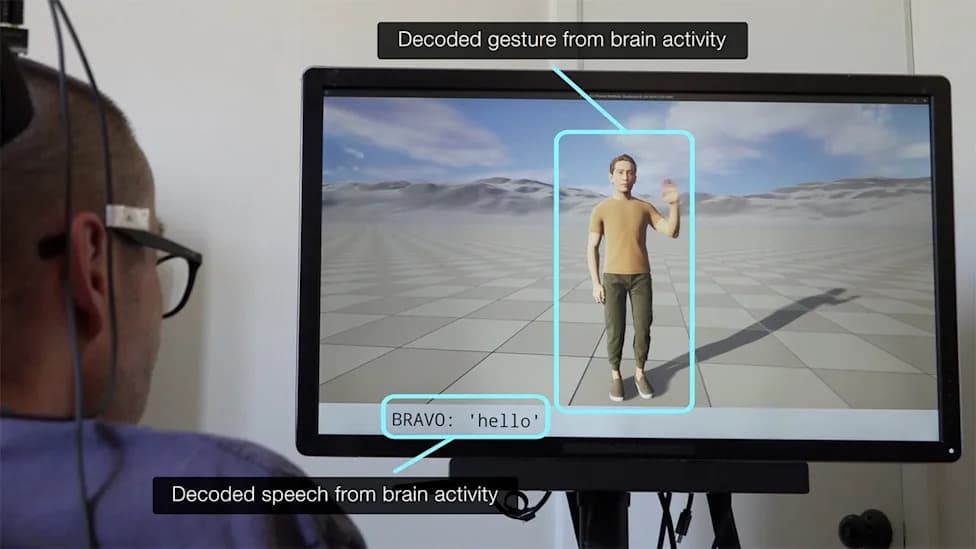
Harrell underwent implantation of a brain-computer interface (BCI) in July 2023 as part of a University of California, Davis research study reported by MIT Technology Review. The system uses electrodes placed on his brain to record neural activity related to speech. Machine-learning software interprets those signals into speech sounds and predicts intended words, while an eye-gaze tracker lets Harrell review and correct messages before they are spoken aloud.
Daily Life Restored
That combination has given Harrell substantial independence: he can "speak," reconnect with friends and family online, continue his employment, and use everyday web services. Researchers added practical safeguards such as a privacy mode and a profanity filter to reduce the risk of accidental disclosures or inappropriate words during conversations with loved ones.
Research Context and Progress
BCIs remain experimental, but Harrell's case illustrates how rapidly the field is advancing and how such technology can preserve communication and autonomy for people who lose speech or movement. A 2024 review cited by MIT Technology Review documented 67 volunteers in BCI trials from 1998 through the end of 2023; since then the number of people implanted with brain electrodes has more than doubled as companies like Neuralink, Synchron, Neuracle, and Precision Neuroscience and academic groups such as BrainGate expand trials.
Harrell said the experience was "nothing short of revolutionary," and described his participation as both a personal benefit and a way to "pay it forward" for scientific research.
What This Suggests
While different BCI systems vary—some are fully implanted and wireless, others rely on implanted leads connected to external computers—Harrell's experience demonstrates tangible benefits for communication restoration. The case highlights potential to reduce social isolation and preserve employment, relationships, and daily independence for people with severe motor or speech deficits.
Source: MIT Technology Review; University of California, Davis research team.
Help us improve.