The U.S. Supreme Court is sprinting to finish the term, with many consequential opinions expected by the end of June or early July. Only one of eleven previously flagged major cases has been decided so far, and rulings are imminent on topics including transgender student-athlete bans, Second Amendment reach, and mail-in ballot timing. This term is dominated by disputes over presidential authority in cases such as Trump v. Barbara, Trump v. Slaughter, and Trump v. Cook. The newsletter also marks the 21st anniversary of Kelo v. City of New London, a controversial eminent-domain decision whose promised redevelopment never materialized.
10 Major Supreme Court Cases Still Pending — Rulings Could Reshape Executive Power and Rights
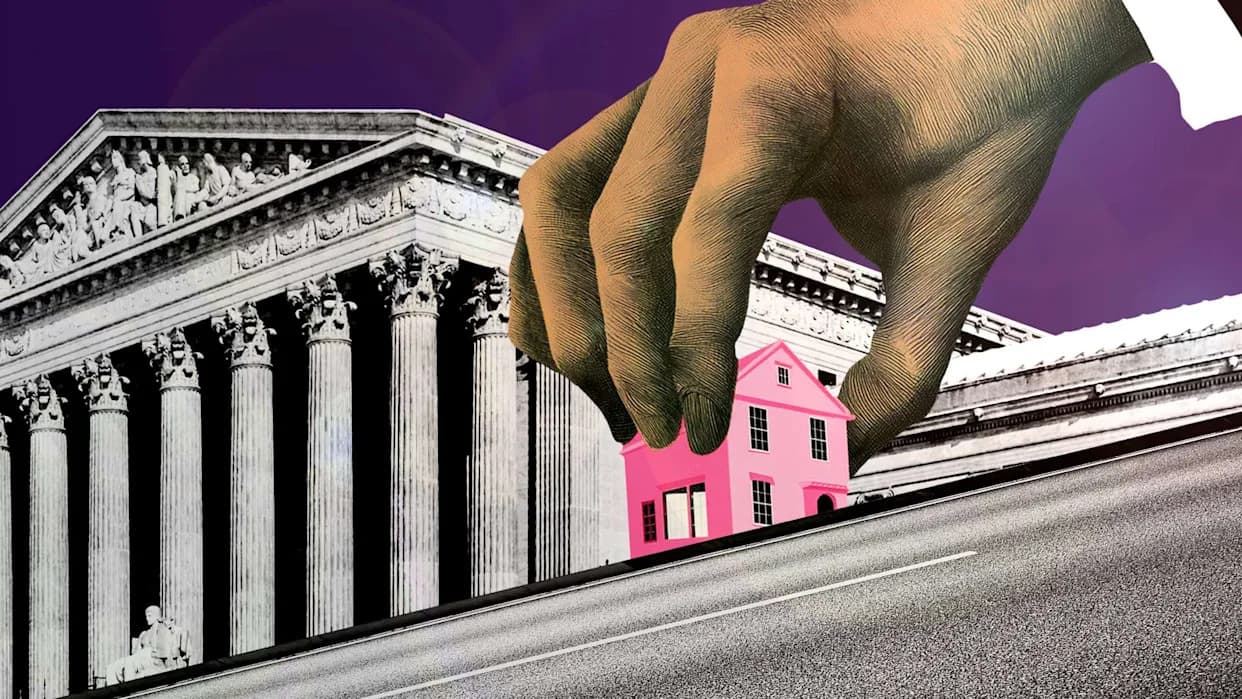
10 Big Supreme Court Cases To Go
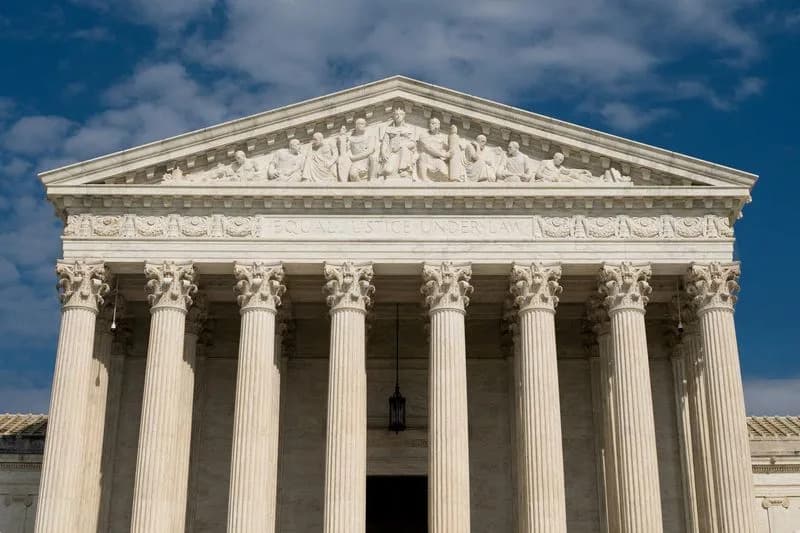
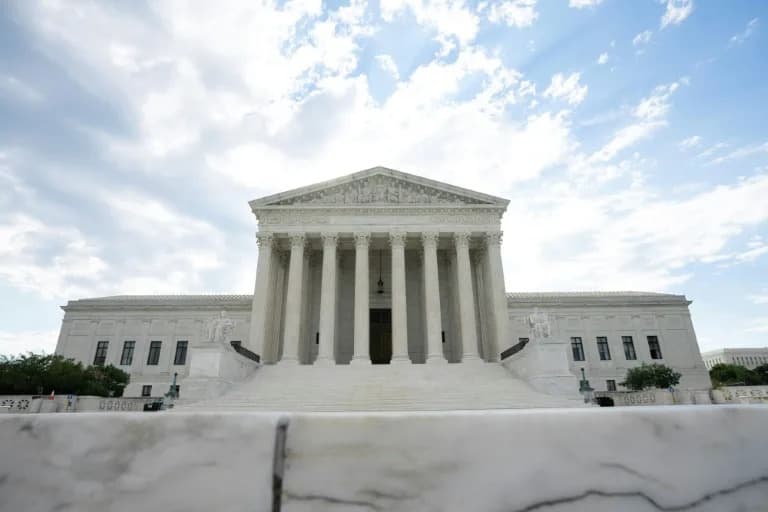
Welcome to the latest edition of the Injustice System newsletter. As June winds down, the U.S. Supreme Court is racing to finish the term, aiming to release opinions in cases argued this season by the end of June or, depending on the justices' schedules, in early July.
How is the Court handling the docket? A little more than a month ago I highlighted "11 big cases I'll be watching in the weeks ahead." So far, only one of those eleven has produced an opinion. Expect a flurry of rulings any day that could alter the legal landscape on several hot-button issues.
What’s At Stake
Pending decisions could resolve disputes over state bans on transgender students participating in school sports, the scope of the Second Amendment's protection to keep and bear arms, and the constitutionality of mail-in ballots that were mailed by election day but received afterward. Each outcome could have wide-reaching effects for state policies and national precedent.
Executive Power Takes Center Stage
This term is increasingly defined by questions about presidential authority. Many of the most consequential cases involve the outer limits of executive power and the president's ability to shape or remove leadership at independent agencies.
Trump v. Barbara (a shorthand reference used here) raises both an original-meaning question about the 14th Amendment's birthright citizenship protections and a broader question about whether an executive order can unilaterally change long-settled constitutional meaning.
Trump v. Slaughter concerns removal protections for Commissioners of independent agencies like the Federal Trade Commission. A majority of the Court appears poised to allow removal for political reasons rather than the current "for cause" standard imposed by statute and long-standing precedent, a decision that would expand presidential control over independent regulatory bodies.
Trump v. Cook presents a different problem: the president seeks to dismiss a member of the Federal Reserve Board of Governors under a "for cause" standard. Whether the president's stated reasons meet that statutory threshold is unsettled, and the outcome is harder to predict than in Slaughter.
The Kelo Anniversary
This week also marks an uncomfortable milestone in American legal history. On June 23, Kelo v. City of New London (2005) turned 21 years old. In a 5–4 decision, the Court allowed a municipal government to use eminent domain to transfer property from private homeowners to private developers as part of an economic redevelopment plan.
"The disposition of this case turns on the question whether the City's development plan serves a 'public purpose.'" — Justice John Paul Stevens, Kelo majority opinion
The promise that redevelopment would follow proved illusory: homeowners were displaced, the neighborhood was razed, and the planned projects never materialized. By 2011 the cleared site was used for storm debris, and as of the last reports it remains a vacant lot — a cautionary tale about judicial deference to speculative government projects.
Why It Matters
Some Supreme Court rulings quietly tweak doctrine; others reshape the balance of power among branches of government or determine who gets access to fundamental rights. This term's decisions, particularly on executive power and agency independence, could reverberate for years.
Stay alert: opinions could arrive at any moment, and the implications will be significant for policy, administrative law, civil rights, and election rules.
Help us improve.