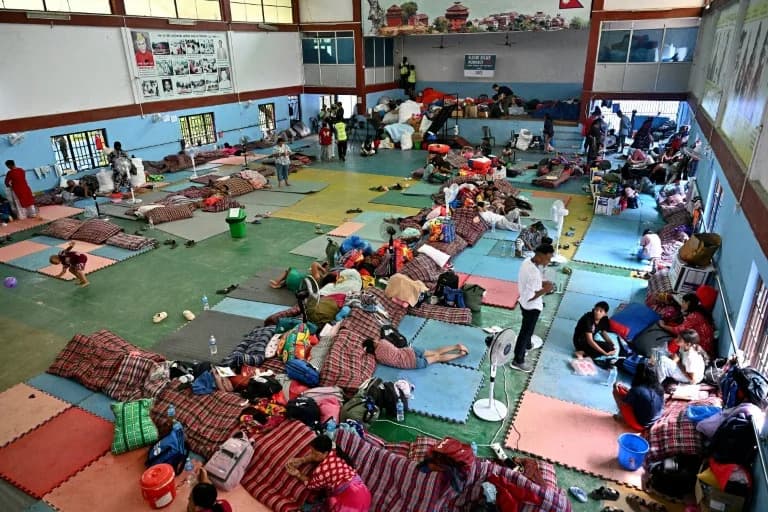
The seasonal rush to harvest yarsagumba — nicknamed the Himalayan "Viagra" — empties Nepali towns near the Tibetan border as thousands trek to alpine meadows to collect the valuable fungus. Selling for up to £20,000 per kg, the fungus provides vital seasonal income but exposes harvesters to deadly risks; 39 deaths were reported in three years. Scientists and local leaders warn that overharvesting, climate change and rising demand threaten the species and call for urgent regulation to protect both the fungus and dependent communities.
Deadly Gold Rush: Nepal’s Hunt For Yarsagumba, The ‘Himalayan Viagra’
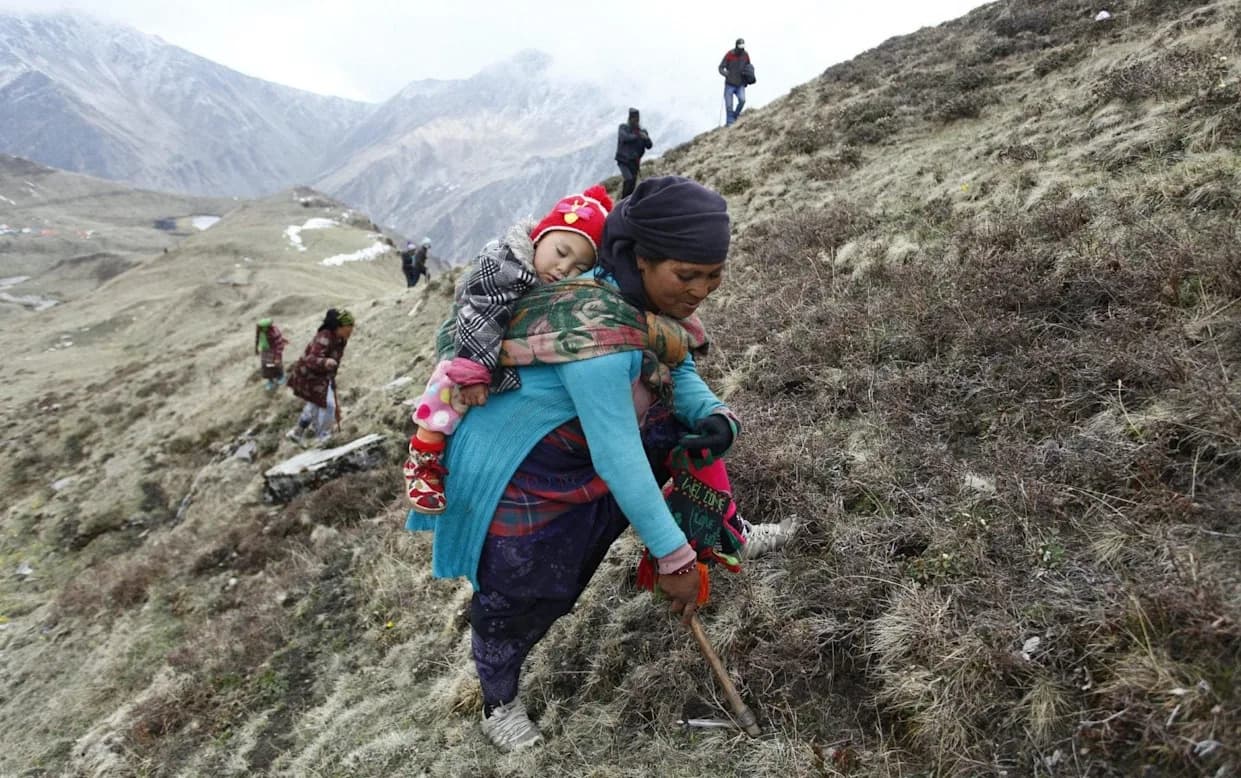
Yarsagumba caterpillar-fungus is becoming scarce, according to residents - Pratap Thapa/Xinhua/Alamy
Villagers across Nepal are abandoning homes and trekking into the high Himalayas each spring to harvest yarsagumba — the lucrative caterpillar-fungus widely nicknamed "Himalayan Viagra." Towns along the Tibetan border are often emptied as hundreds of thousands of men, women and children head to alpine meadows thousands of feet above sea level to search for tiny, matchstick-sized fungal shoots that can command sky-high prices.
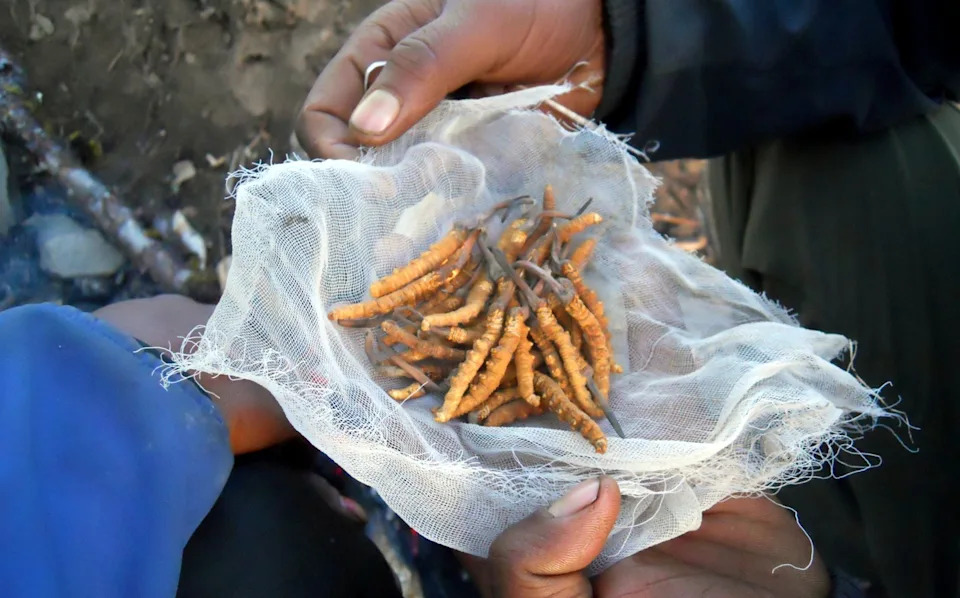
‘Yarsha gumba’ is valued as an aphrodisiac - Alonzo Lucius Lyons/iStockphoto
What Is Yarsagumba?
Known scientifically as Ophiocordyceps sinensis, yarsagumba is a fungus that parasitises the larvae of ghost moths. The fungus consumes the caterpillar from within; after winter a thin brown stalk emerges from the dead insect’s head, producing a small fungal fruiting body in spring. Collectors can spot the matchstick-size shoots protruding from the soil, dig them out carefully, dry them and sell them.

The Seasonal Migration
The fungus grows mainly on Tibetan-Plateau meadows above roughly 11,500 ft, so harvesters travel far from their homes for weeks or months. Entire communities relocate to high pastures during the season: schools close, houses are locked, and householders sometimes employ caretakers to watch empty homes — paying around 20,000 Nepali rupees per month (about £100) in some places.
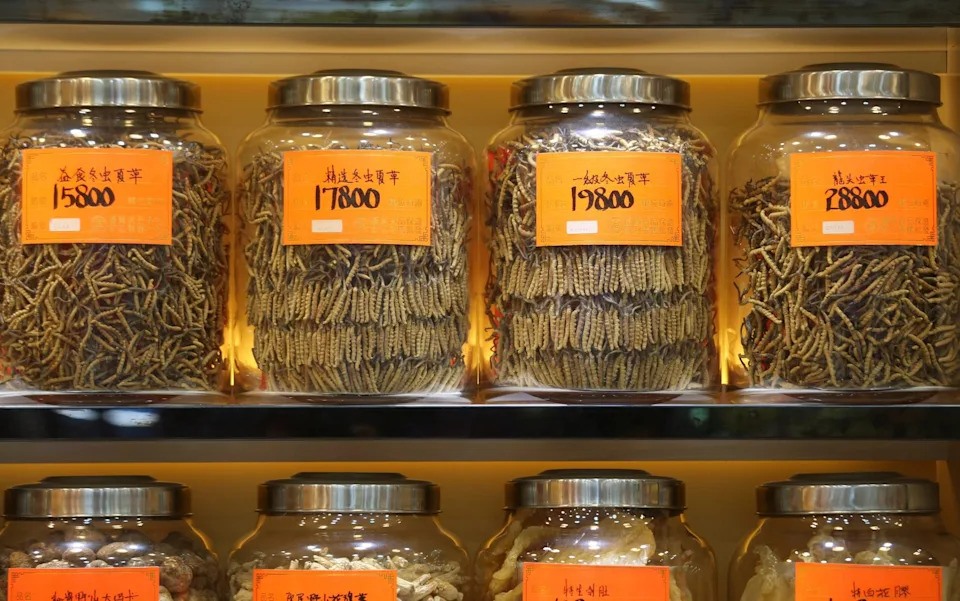
The fungus on sale at a pharmacy in Hong Kong - David Wong/South China Morning Post
Risks, Rewards and Rising Demand
Raw yarsagumba can fetch up to £20,000 per kilogram in international markets, with most of the trade moving to China. That income can transform livelihoods: in a strong season a family’s two-month harvest may earn several thousand dollars — far more than typical farming provides. But the hunt is dangerous. Over the past three years, 39 people have died during collection, exposed to extreme cold, high winds and thin air.
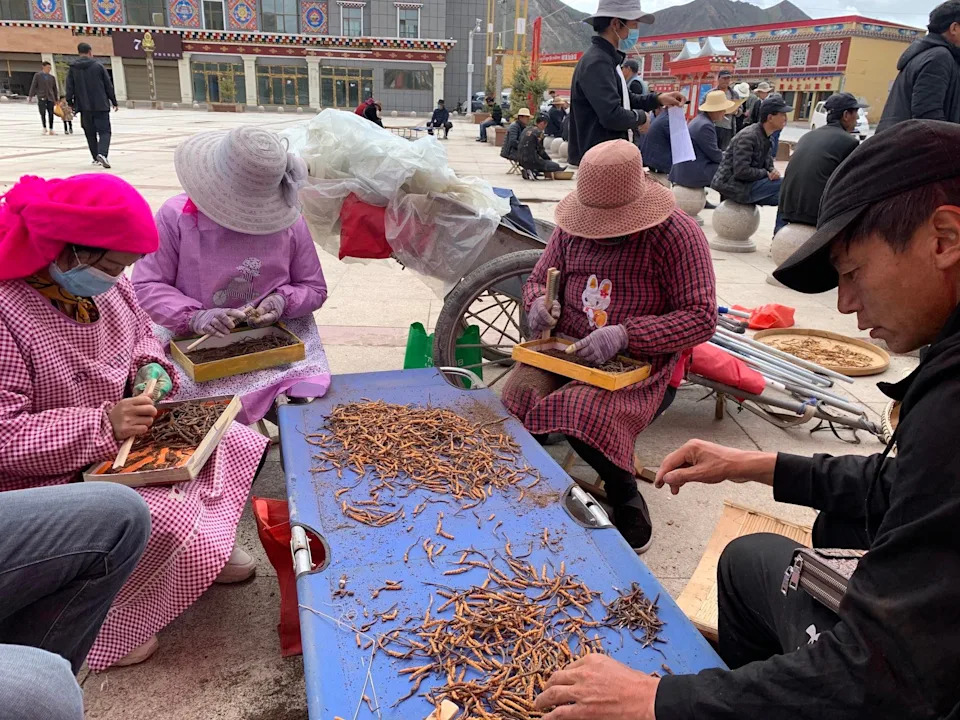
Farmers sell caterpillar fungus at a market in the remote Qinghai province of China - Li Jiangning/China News Service
“We leave before dawn, carrying a tent, food and cooking pots, then spend the day crawling across the mountainside looking for something no bigger than a matchstick,” said Pasang Phunjo Lama, a 51-year-old collector who has hunted the fungus for more than three decades.
— Pasang Phunjo Lama
Collectors report shrinking yields and growing competition. Dawa Tshering, who began collecting at age 11, estimates typical seasonal returns of several hundred pieces and warns future generations may lose this lifeline as stocks decline.
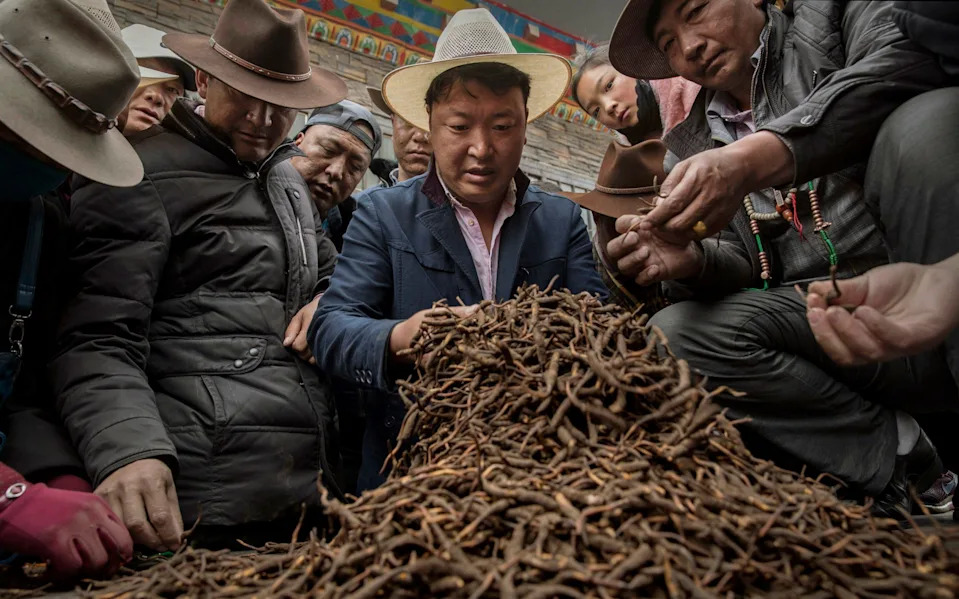
Tibetan nomads examine the fungus for sale at a market in Yushu town - Kevin Frayer/Getty Images
Threats And Calls For Regulation
Scientists and local leaders warn that heavy annual harvesting, climate change and soaring demand threaten the fungus’s long-term survival. Former parliamentarian Rajendra Bajgain has urged the government to regulate collection more strictly — for example, by allowing harvests only once every three years — to prevent collapse of this important resource.
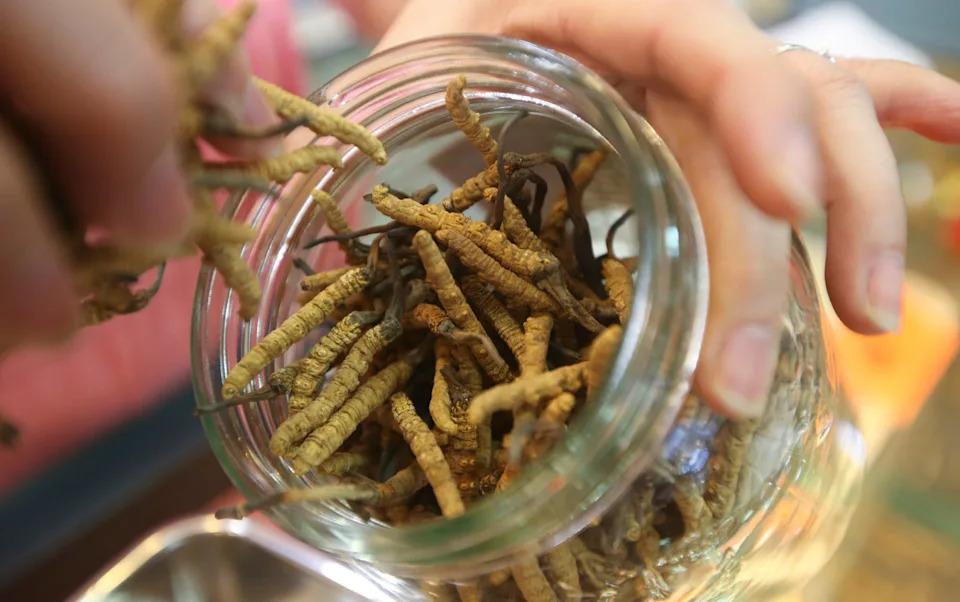
The fungus, pictured at a pharmacy, is valued as an aphrodisiac - David Wong/South China Morning Post
History And Global Attention
British botanists first recorded the fungus in Nepal in 1952. International interest surged after the 1993 World Track and Field Championships, when Chinese athletes said they included yarsagumba in their regimen; global curiosity and demand rose sharply after that point.
Balancing short-term income and long-term sustainability is now an urgent challenge for communities on the Tibetan plateau. Without coordinated regulation, scientific monitoring and alternative livelihoods, both the species and the communities that depend on it face mounting risk.
Help us improve.