Summary: This article examines whether the IDF’s post-ceasefire operations in southern Lebanon — and recent advances after a U.S.-Iran framework deal — have produced strategic gains or mainly tactical wins. While Israel has inflicted casualties, destroyed infrastructure, and seized key terrain, it remains unclear whether these actions will secure enforceable concessions from Hezbollah or Lebanon. Given diplomatic limits and finite military capacity, the piece warns that prioritizing tactical gains over a clear strategic plan risks costly operations with limited long-term payoff.
Are IDF Soldiers in Lebanon Dying in Vain? Balancing Tactical Wins Against Strategic Goals
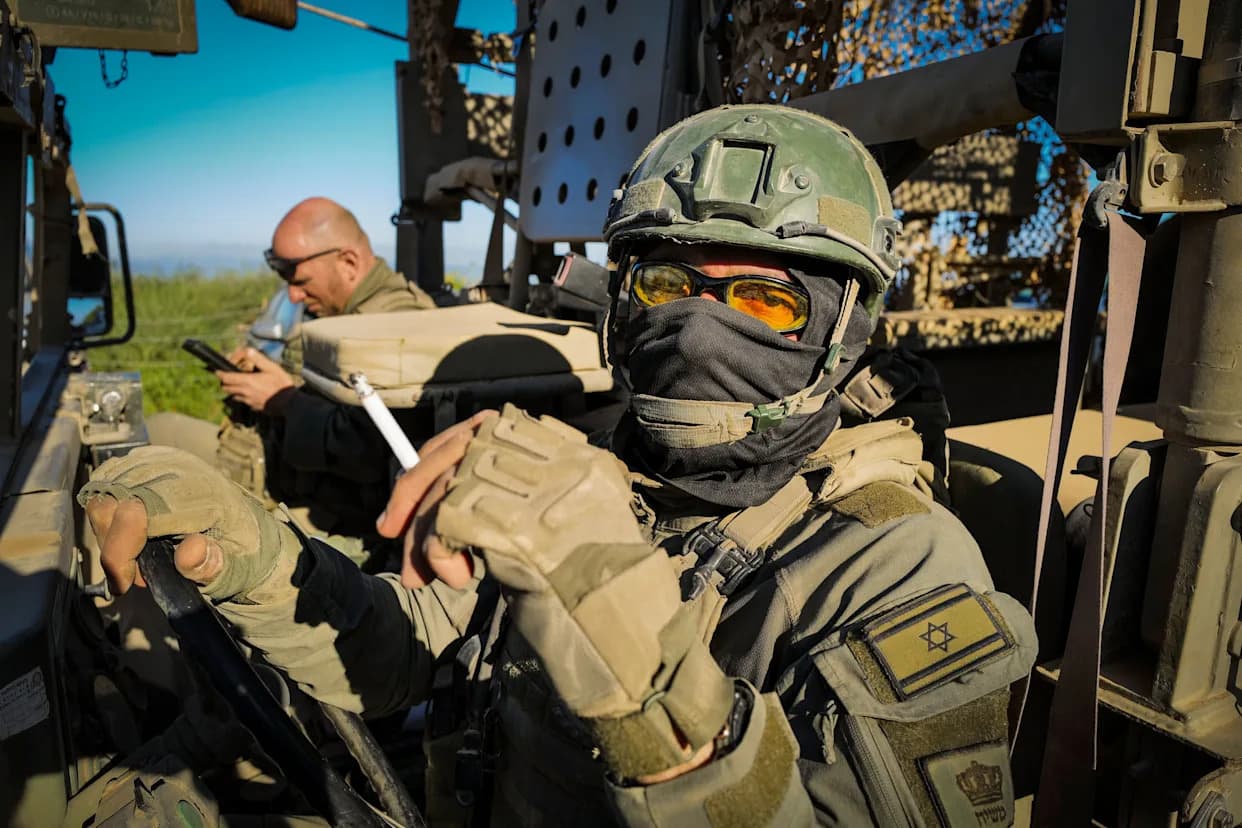
An Israeli soldier smokes a cigarette near the Israeli border with Lebanon in northern Israel, May 1, 2026. (photo credit: MICHAEL GILADI/FLASH90)
As Israel expands operations in southern Lebanon, a growing debate inside the defense establishment asks whether recent battlefield gains are translating into meaningful strategic progress or simply producing costly tactical wins.
There is broad consensus that the Israel Defense Forces (IDF) had to respond decisively after Hezbollah attacked Israel on March 2 — an escalation that followed a separate round of strikes on targets linked to Iran. Many senior Israeli officials also argue that a renewed presence in southern Lebanon was necessary to blunt an immediate invasion threat, reduce Hezbollah’s ability to target Israeli towns in the north, pressure Hezbollah to limit its military buildup, and possibly encourage gradual normalization with the Lebanese government.
What Has Changed Since the Ceasefire?
Important questions remain about what Israel has actually achieved since the April 7 ceasefire and, more recently, since the U.S.-Iran framework agreement announced last week. These are not calls for an unconditional withdrawal, but sober assessments of what Israel can realistically secure in return for any partial or full pullback — and whether the human cost is justified by those returns.
Limits Of Military Options
One miscalculation inside some Israeli circles after October 7 was an implicit belief that force alone could eliminate Hezbollah as an operational threat. Almost no senior IDF leader thought full disarmament or regime change in Lebanon was feasible: that would require an extended occupation beyond Israel’s capacity and would risk severe diplomatic fallout, particularly with the United States.
Instead, Israeli planners have pursued more modest objectives: degrading Hezbollah’s infrastructure and fighters, constraining the rearmament or deployment of longer-range precision missiles, pushing Hezbollah forces north of geographic lines such as the Litani, and nudging Lebanese authorities toward limited cooperation. These are pragmatic, limited goals — useful if achievable, but not an end to the Hezbollah threat.

An Israeli military helicopter flies near the Israeli border with Lebanon, May 12, 2026. (credit: AYAL MARGOLIN/FLASH90)
Tactical Gains, Strategic Uncertainty
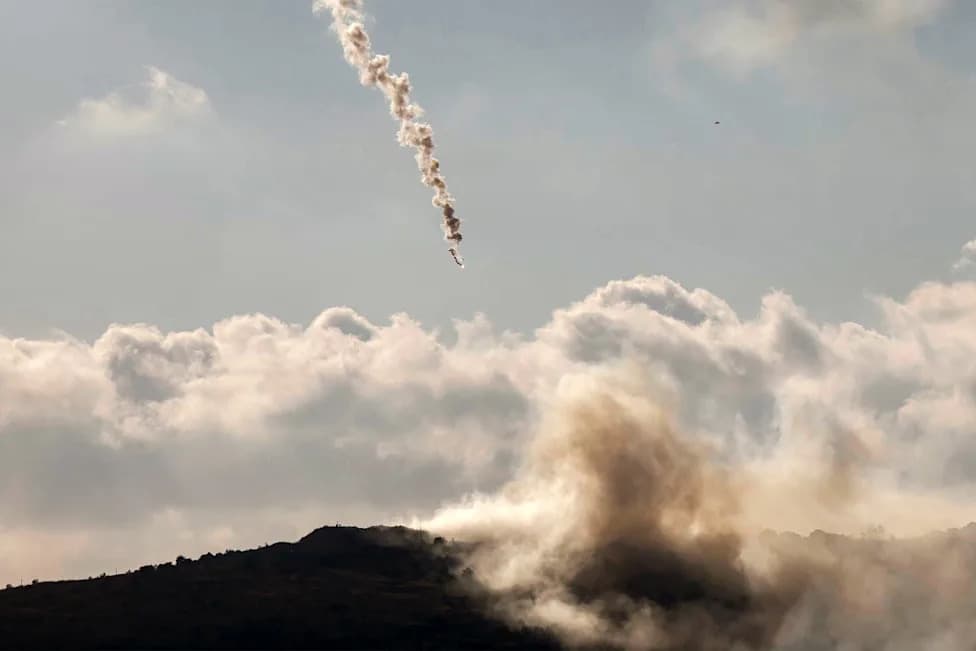
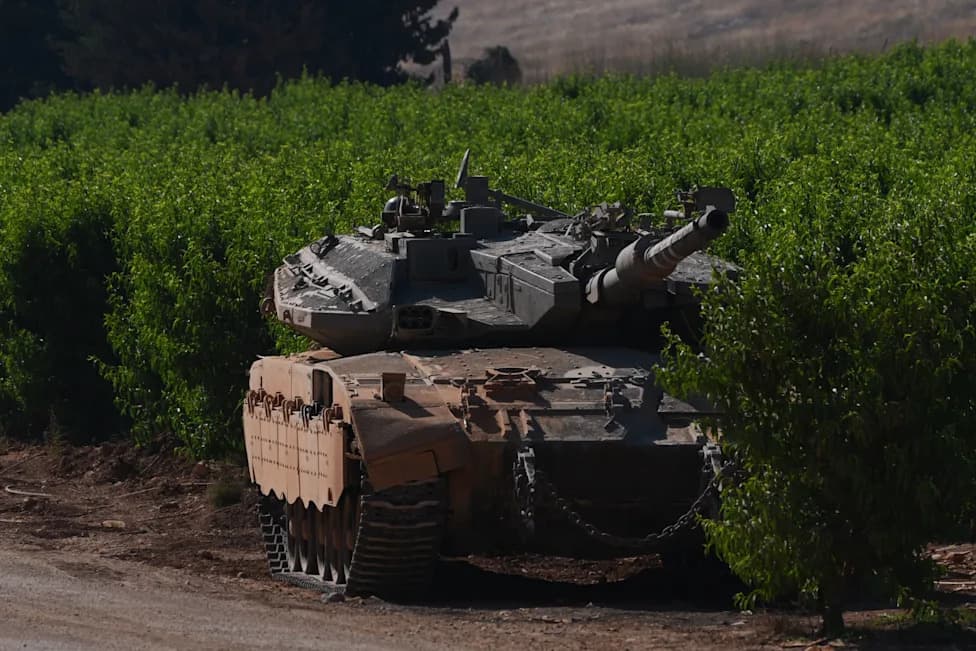
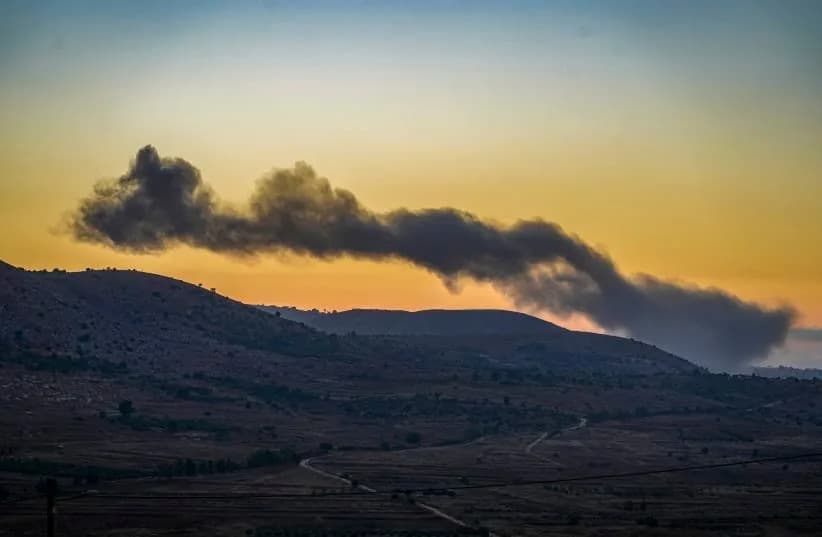
Tactically, the IDF’s operations since April 7 have inflicted casualties and damage: several hundred Hezbollah fighters killed, numerous tunnels and weapons sites destroyed, and gains in territory beyond the Litani and Wadi Saluki. The IDF also seized several key terrain features — including high ground near Nabatiya, gains around Tibnin, and positions protecting approaches to Tyre — that improve observation and deny launch areas to Hezbollah.
Strategically, however, the picture is less clear. Beyond possibly nudging the Lebanese government toward limited coordination, it is uncertain whether these operations have produced durable strategic advantages proportional to the costs. Some defense officials warned early that continuing to expand operations after the ceasefire reflected political pressure to appear tough at home rather than a coherent strategy calibrated to diplomatic constraints imposed by the U.S.-Iran talks.
Escalation Choices And Recent Risks
When the IDF pressed south of the Litani and Hezbollah responded, Israel faced a stark choice: escalate further to compel de-escalation, or accept a broad ceasefire and consolidate gains. Israeli leaders chose escalation in hopes that demonstrating resolve would force Hezbollah back from renewed attacks. Hezbollah and Iran rejected that posture.
After last week’s U.S.-Iran framework agreement — which did not appear to demand an unconditional Israeli withdrawal from southern Lebanon — the IDF seized additional positions, including Ali Taher Ridge and sectors around Tibnin. An operation in Tibnin reportedly surrounded roughly 30 Hezbollah fighters in underground positions and preceded an unusually heavy Hezbollah rocket volley of about 50 rockets over a weekend. Since then, several IDF soldiers have been killed and dozens wounded.
Hard Choices Ahead
All senior Israeli defense officials say Israel should not withdraw from southern Lebanon without extracting enforceable concessions, however modest. Most also agree Israel must prevent a post-conflict rearmament by targeting precision long-range weapons if Hezbollah attempts to rebuild its arsenal — a lesson drawn from 2006.
The critical policy question is whether continued tactical operations, carried out despite diplomatic limits imposed by the United States and Iran and Israel’s own finite resources, will produce those enforceable concessions or will merely deepen the human and material costs without clear strategic payoff. If political and military leaders remain fixated on short-term tactical gains rather than a measurable strategic plan, it will be increasingly difficult to argue that soldiers killed in these operations are not dying in vain.
Bottom line: Tactical gains in southern Lebanon are real, but without realistic, enforceable strategic outcomes, the risks to soldiers and civilians may outweigh the benefits.
Help us improve.