Israel says it has taken operational control of the Ali al-Taher ridge in southern Lebanon after weeks of strikes targeting alleged Hezbollah tunnels. The high ground overlooks key towns and may bolster Israel's negotiating position over proposed "pilot zones" intended to reduce hostilities. Fighting and ceasefire violations continue, and analysts doubt Israel would sustain a long-term occupation of the ridge. The advance could nonetheless shape talks set to resume later this month.
Israel Says It Holds Ali al-Taher Ridge — A New Lever in Lebanon Negotiations?
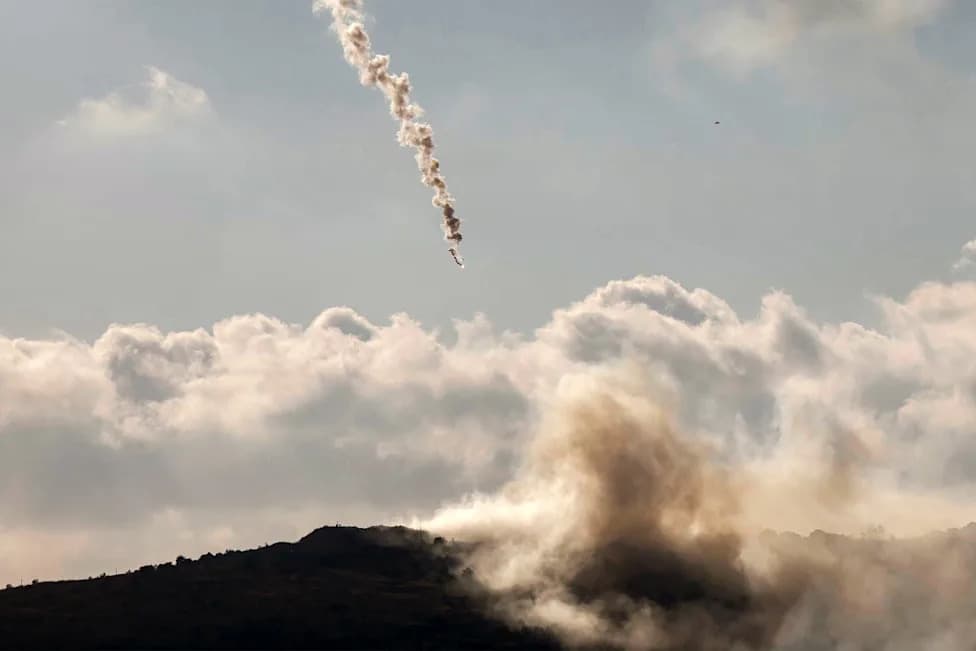
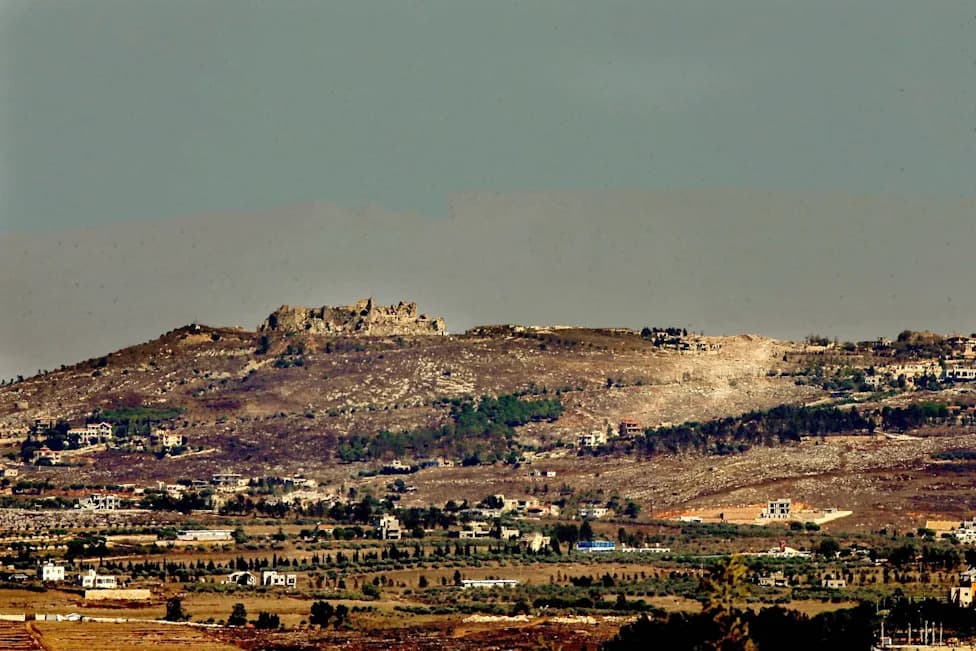
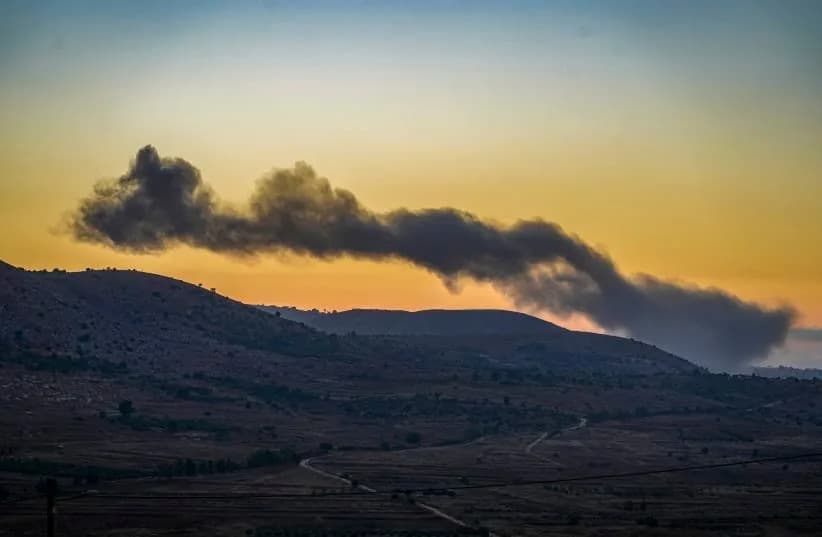
A flare fired by the Israeli military over the Ali al-Taher ridge as seen from nearby Marjayoun in southern Lebanon, June 14, 2026 [AFP]
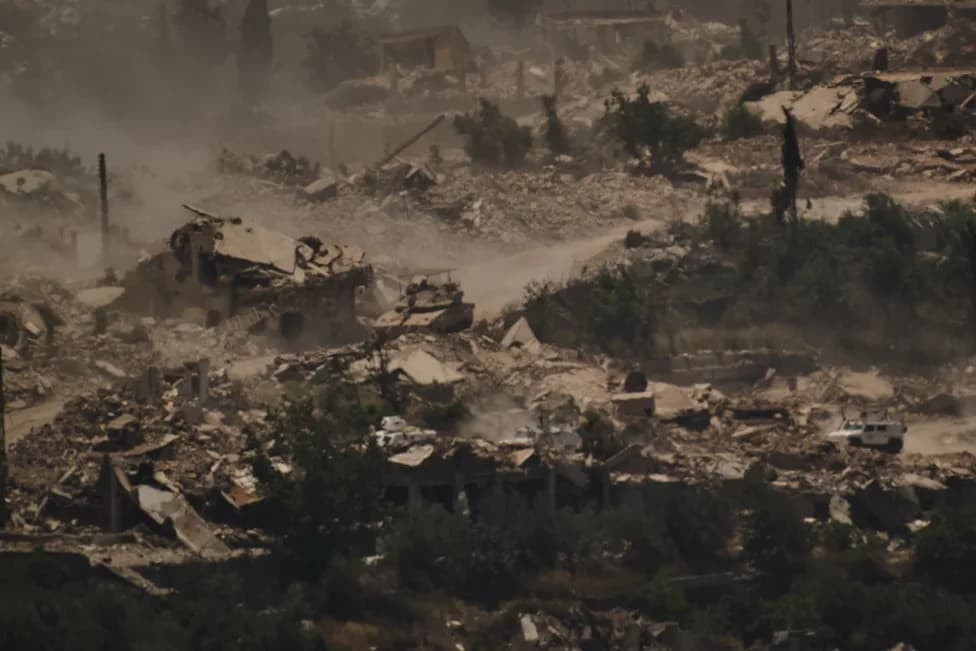
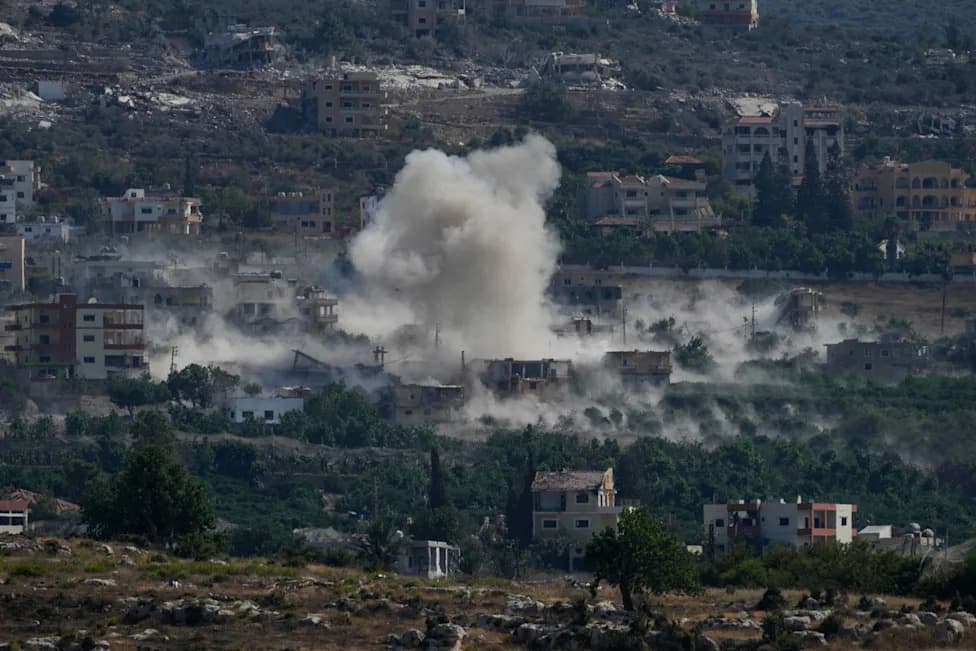
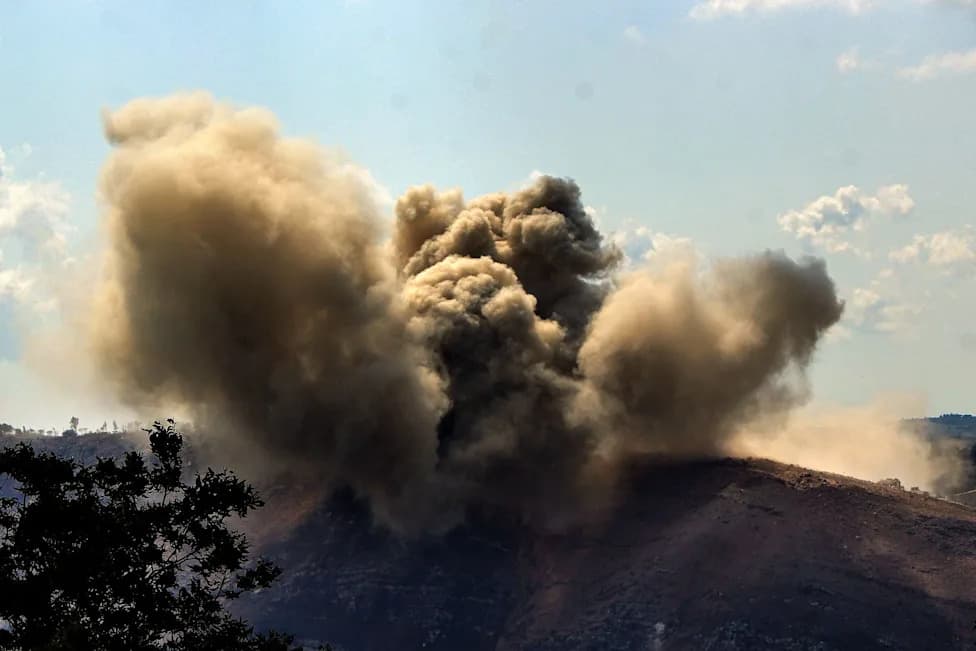
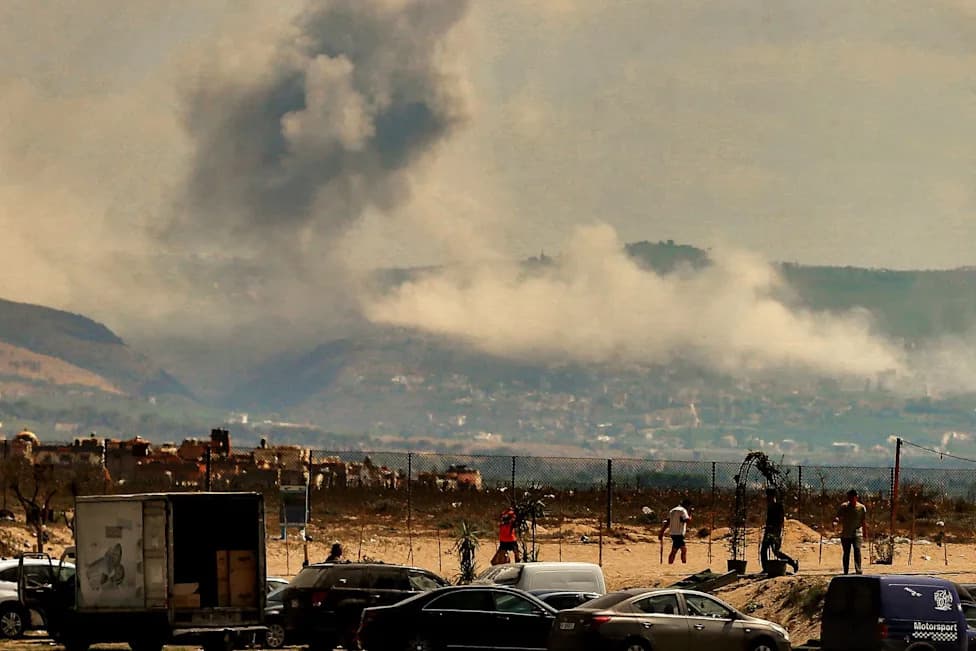
Beirut — Israel says it has established operational control over the Ali al-Taher ridge in southern Lebanon, a development it describes as part of a campaign to dismantle alleged Hezbollah tunnel networks beneath the hill. Israeli officials said the operation involved weeks of drone strikes and air attacks targeting what they described as underground facilities; fighting and strikes in the area are reported to be continuing.
Analysts told Al Jazeera and other outlets that the ridge is strategically important because its high ground commands views over nearby areas including the southern city of Nabatieh as well as approaches toward Marjayoun, Khiam, Shebaa and parts of the Golan Heights. That geographic advantage, they say, could give Israel leverage in upcoming negotiations with the Lebanese government.
Claims About Underground Facilities
Along with its claim of control, Israel has asserted that Hezbollah operated tunnels and underground complexes beneath Ali al-Taher, including command rooms, weapons caches and fighter quarters. Israeli statements characterise the operation as targeting those facilities, but independent verification of the full extent of underground infrastructure has been limited.
"If Israel actually occupies the hill, it will give it more of an upper hand in the negotiations because it will be occupying more land," said political and security analyst Bassel Doueik to Al Jazeera, describing how the position could be used in talks.
Negotiations and the Pilot-Zone Proposal
Israel and Lebanon began U.S.-mediated direct talks in April. The framework announced in late June sought to curb fighting by creating "pilot zones" where the Lebanese Army would be responsible for security while Hezbollah would be disarmed in those areas. Both sides, however, disagree on the geography and sequencing of those zones.
Nicholas Blanford, a non-resident senior fellow at the Atlantic Council, told Al Jazeera that Lebanon is pushing for pilot zones in areas where Israeli forces are already operating so Lebanese troops can re‑establish control, while Israel prefers zones in areas where its forces are not currently deployed. Observers in Lebanon have expressed scepticism about the proposal's prospects.
Background and Ongoing Violence
The current phase of cross-border hostilities has roots in the broader Israel–Hezbollah confrontation that intensified after October 2023, when Hezbollah attacked Israel amid the wider Gaza war. Since then, the Lebanese theatre has seen prolonged exchanges of fire, repeated air strikes and ground incursions. Reports attribute thousands of deaths in Lebanon to the conflict and say many high-ranking fighters and commanders on both sides have been killed; independent tallies vary and casualty figures are contested.
A ceasefire agreed in June has been repeatedly breached according to Lebanese officials and other observers; both sides say the other continues to violate the truce. In late June, a framework agreement aimed at reducing hostilities and defining pilot zones was announced, but attacks did not stop and negotiators remain divided on implementation.
In the weeks surrounding the Ali al-Taher operation, local reports say Israeli strikes killed civilians in southern Lebanese villages — including reported incidents in Arab Salim, Nabatieh al-Fawqa and Kfar Rumman — highlighting the continued toll on communities near the front lines.
Military Calculations
Analysts stress that holding the ridge long term would pose tactical challenges. Blanford noted that for Israeli forces to sustain control, they would likely need to secure additional surrounding high ground to the north and northeast; without that buffer, positions on Ali al-Taher could remain vulnerable to counterattack. He suggested Israel might destroy fortifications and withdraw to more defensible lines rather than extend a deep occupation, recalling patterns from previous periods of occupation in south Lebanon.
Hezbollah continues to oppose direct talks with Israeli leaders and prefers indirect or mediated arrangements similar to those used for earlier ceasefires. David Wood, the International Crisis Group's senior analyst for Lebanon, told Al Jazeera the negotiations have reached an impasse largely because Beirut and Tel Aviv disagree on how pilot zones should be implemented: Lebanon says Israeli forces remain in areas they directly occupied, while Israel says it will not withdraw until Hezbollah disarms.
What Comes Next
The central question for diplomats and analysts is whether the reported Israeli advance on Ali al-Taher will translate into concrete leverage at the negotiating table when talks resume later this month. Some observers say the move could be used tactically to press Lebanon on pilot-zone terms; others argue the gains may be temporary given the costs and risks of a long occupation.
Political analysts also note domestic politics may shape Israel's posture: Israeli leaders appear keen to project strength ahead of national elections next month, which could affect bargaining positions and willingness to make concessions.
For now, the situation remains fluid. Israeli officials emphasise operational successes, Lebanese officials and local monitors report ongoing strikes and casualties, and negotiators face a narrow window to translate battlefield dynamics into a sustainable reduction in violence.
Help us improve.