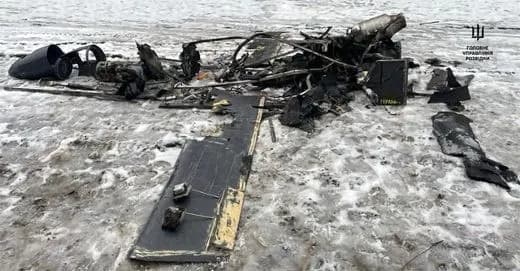
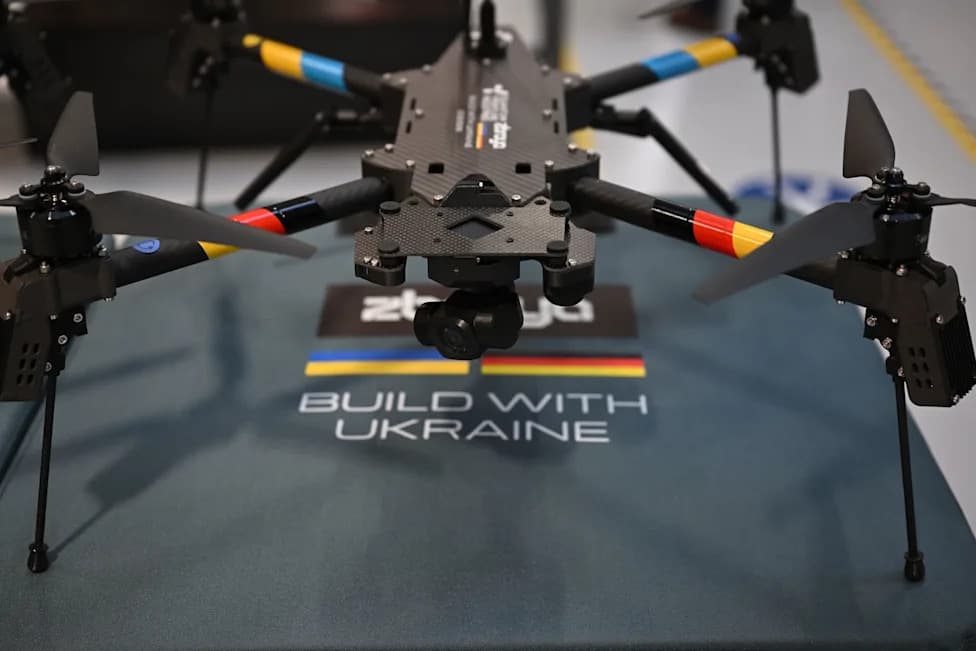
Ukraine launched a massive drone raid on Moscow that struck the Kapotnya refinery about nine miles from the Kremlin, deploying 992 fixed-wing drones. Analysts say the operation exposed gaps in Russian air defences — including reliance on large radars and limited interceptor stocks — and showed how Kyiv has diversified drone types and detection methods. Ukraine’s dense Sky Fortress acoustic sensor network and repeated, varied strikes have allowed it to probe and exploit weaknesses in Russian coverage. Observers warn the campaign could continue through the summer and pose political risks for Moscow ahead of the Duma elections.
How Ukraine Overwhelmed Moscow’s Air Defences: 992 Drones Strike Kapotnya Refinery
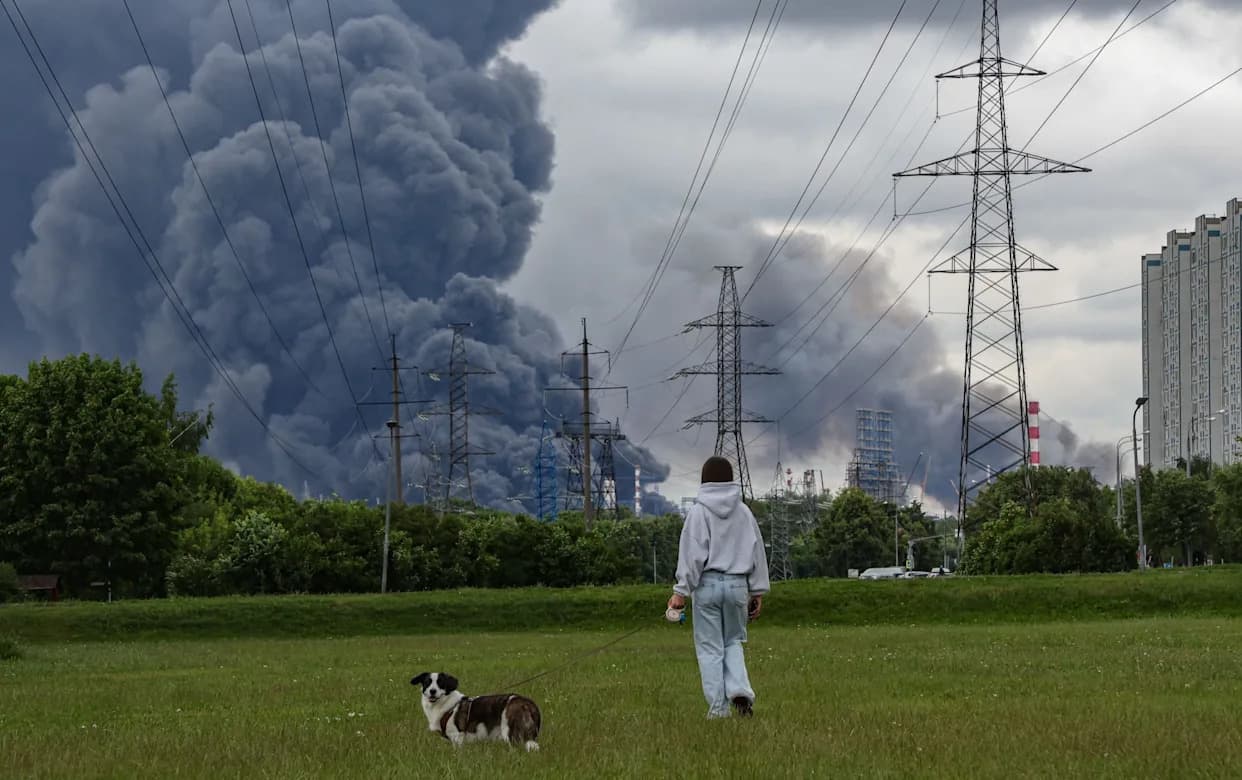
Smoke billows after a Ukrainian drone attack in Moscow - EPA/Shutterstock
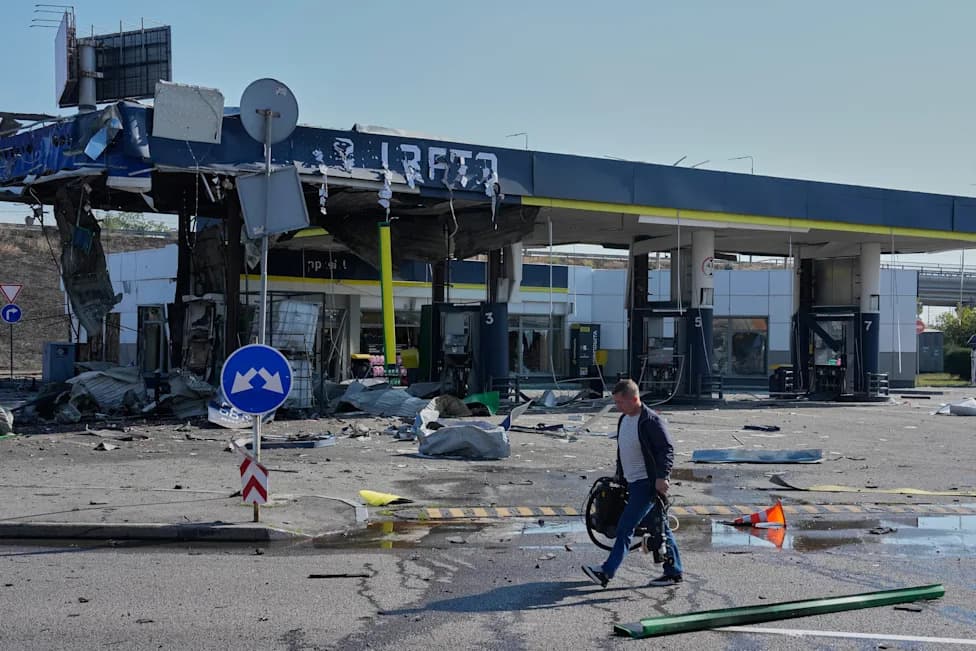
Hundreds of Ukrainian drones flew largely unchallenged over Moscow overnight, striking the Kapotnya oil refinery roughly nine miles from the Kremlin and leaving parts of the city coated in soot-darkened rain.
How The Raid Unfolded
On Thursday morning residents found cars and clothes stained by oily precipitation as smoke plumes from the attack spread across the capital’s skyline. The assault on Kapotnya was the largest drone raid on Russian territory since the war began four years ago.
Ukraine reportedly launched 992 fixed-wing drones in the operation — a dramatic escalation that reflected both a tactical reversal and growing Ukrainian capability to operate large swarms at range.
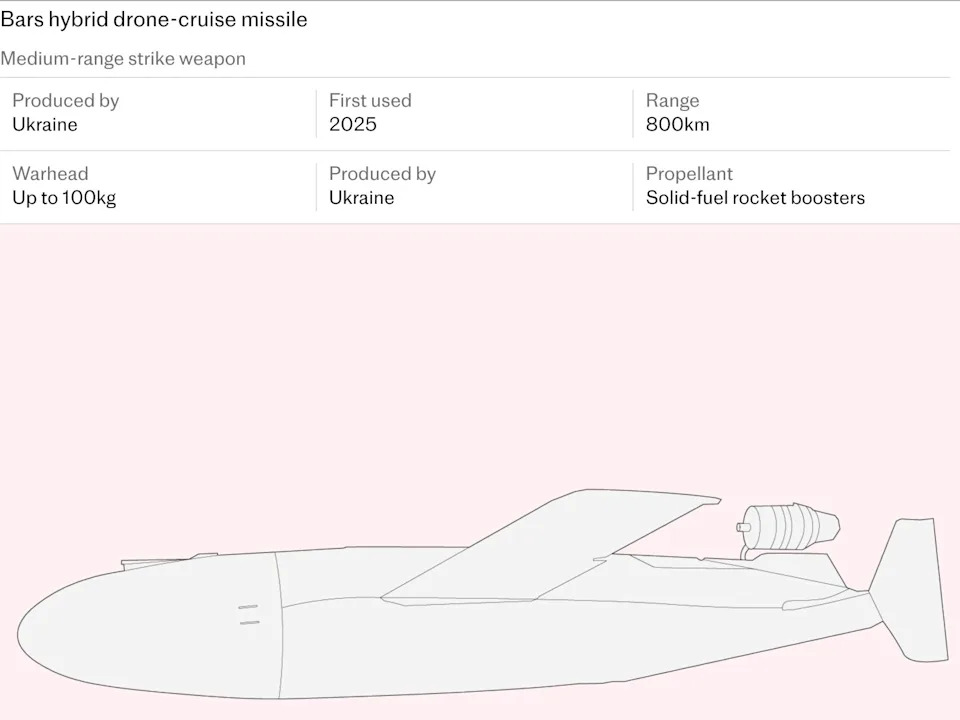
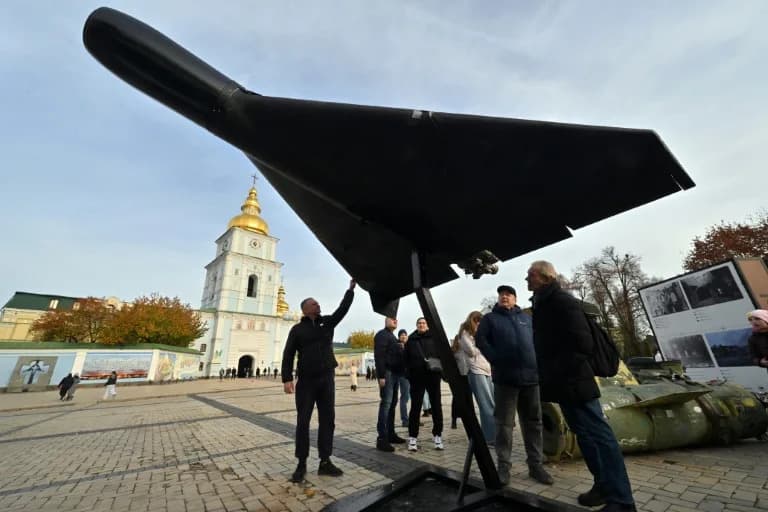
1906 Medium-range strike weapon
Why It Worked
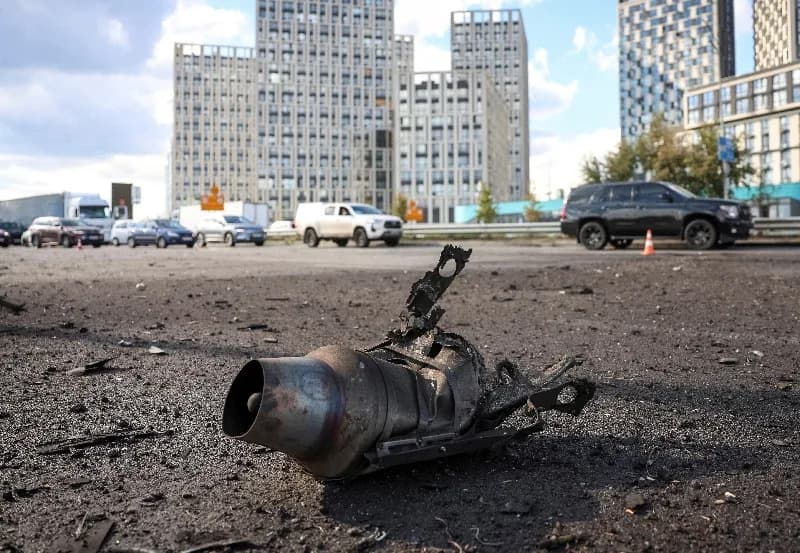
Analysts say Moscow was caught unprepared and underestimated how quickly swarm tactics could be adapted and improved by Kyiv. Video from the attack showed Russian interceptors detonating blindly in smoke or over residential areas rather than reliably destroying incoming targets.
“If you look at how many drones Ukraine has launched at Russian territory in the last couple of months, the volume has massively increased,” said Emily Ferris, senior associate fellow at the Royal United Services Institute. “It’s possible that the altitude they’re flying at makes them difficult to detect by Russia’s air defences.”
Kyiv has combined higher tempo attacks with tactical experimentation: repeating strikes on the same target within days to map gaps in coverage, and mixing drone types to complicate enemy responses. Recent operations have included faster jet-powered hybrids such as the “Bars” system alongside propeller-driven strike drones and inexpensive interceptor drones used to hunt Shaheds.
Limitations Of Russian Defences
Russia popularised mass drone swarms after deploying Iranian-made Shahed drones in October 2022. But its layered air-defence architecture remains reliant on large radar arrays, missile interceptors and electronic warfare systems that analysts say struggle against small, low-flying, maneuvering swarms.
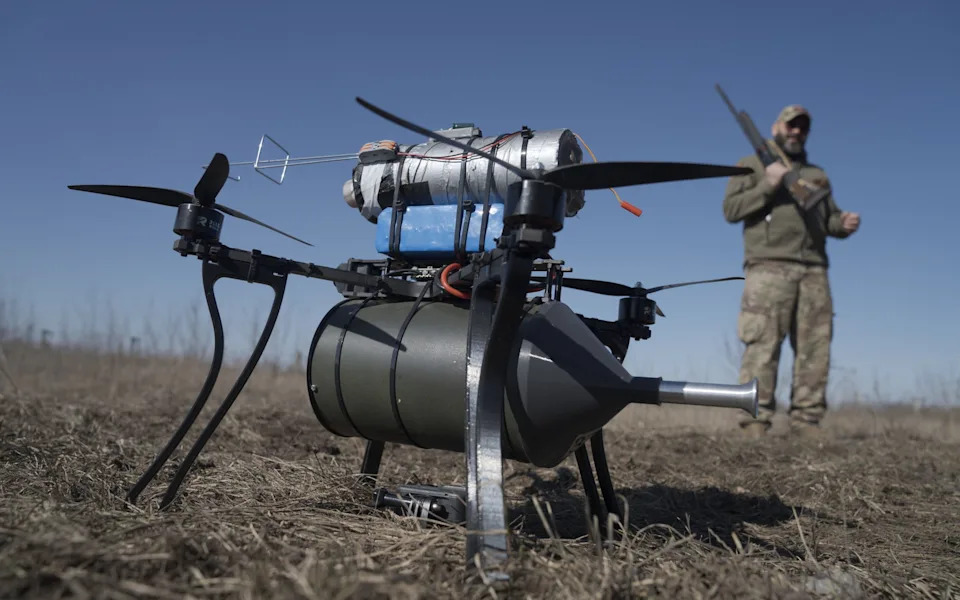
Ukraine has gained an advantage through its innovation in drone technology - Jose Colon/Anadolu via Getty Images
Experts report that missile interceptors are costly and limited in supply — often many times more expensive than the drones they target — and there are signs Russia’s stocks are strained. Ukrainian sources told CBS News there are shortages of S-300 missiles, and analysts point to logistical gaps affecting S-350, S-400 and Pantsir-S1 deployments.
“Russian factories are not keeping pace with demand for air-defence systems, and many Pantsir units are deployed without missiles or with incomplete loads,” said Ian Matveev, a Russian anti-war defence analyst.
On the detection side, Ukraine has deployed a dense acoustic early-warning network called Sky Fortress — more than 14,000 sensors that listen for drones and missiles — while Russia remains heavily dependent on conventional radar, which is less effective against small, low-flying threats.
Analysts note that Ukrainian drones exploit these weaknesses with evasive manoeuvres and pre-programmed route adjustments at waypoints, allowing many craft to slip through defences.
Outlook And Political Impact
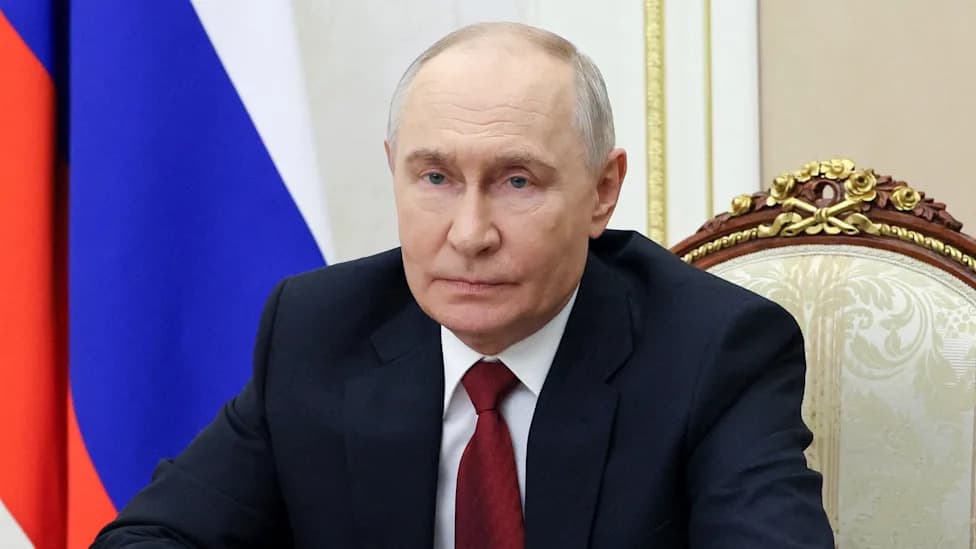
Whether Moscow can adapt quickly is unclear. Some experts predict Kyiv will sustain and possibly intensify strikes on Russia’s largest cities through the summer as domestic politics — including the Duma elections in September — raise the stakes for President Vladimir Putin.
“Politically, for Putin, it’s going to put him in a really difficult position,” Ms Ferris said, noting tensions between public messaging and economic realities.
Kyiv shows no sign of backing down. After the attack President Volodymyr Zelensky warned, “If Ukraine burns, your Moscow will burn.”
Help us improve.