A Cornell necropsy found that Deniz, a 16-year-old Central Park carriage horse, died on June 10 after eating a Japanese yew shrub whose toxins can cause cardiac arrest. The Transport Workers Union cited the findings to blame the Central Park Conservancy for failing to remove or warn about hazardous plantings, while the Conservancy said operator negligence violated city rules forbidding horses from eating vegetation. Deniz's owner and witnesses dispute claims of mistreatment; the incident has renewed debate over park safety and horse-care practices.
Necropsy: Toxic Japanese Yew Killed Central Park Carriage Horse Deniz
Carriage horse that died in Central Park had eaten a toxic plant earlier that day, necropsy reveals
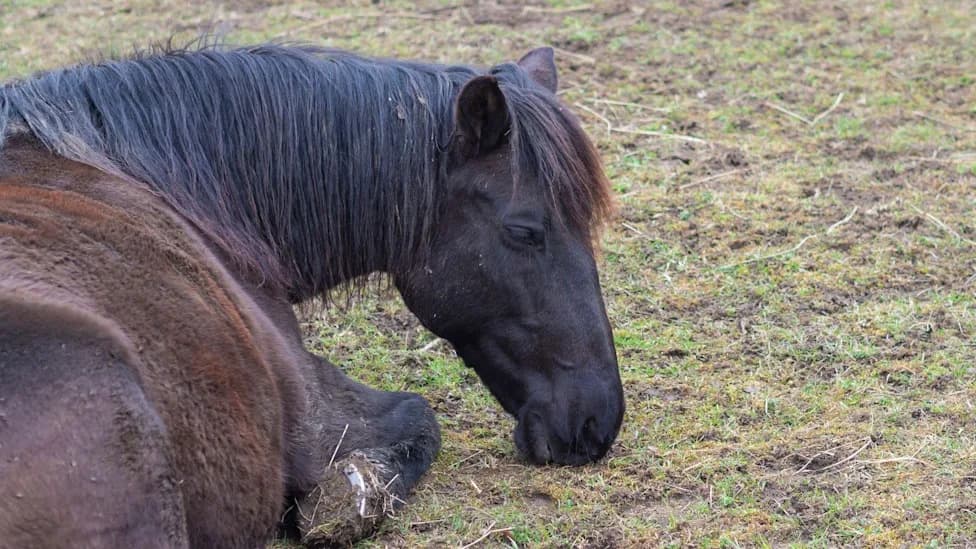
A necropsy performed by Cornell University's College of Veterinary Medicine found that Deniz, a 16-year-old carriage horse, died after ingesting a Japanese yew shrub while working in Central Park on June 10. The plant contains toxic compounds (taxine alkaloids) that can trigger cardiac arrest in horses and other animals, according to ABC7 and the necropsy report.
What Happened
The Transport Workers Union of America (TWU), which represents New York City carriage drivers, said Deniz paused to nibble on a shrub growing along a curb while pulling a carriage; two passengers were aboard. Shortly after consuming the plant, the horse collapsed and stopped breathing. A runner who witnessed the incident, Clara Bermudez, described seeing the horse struggle for breath and then die.
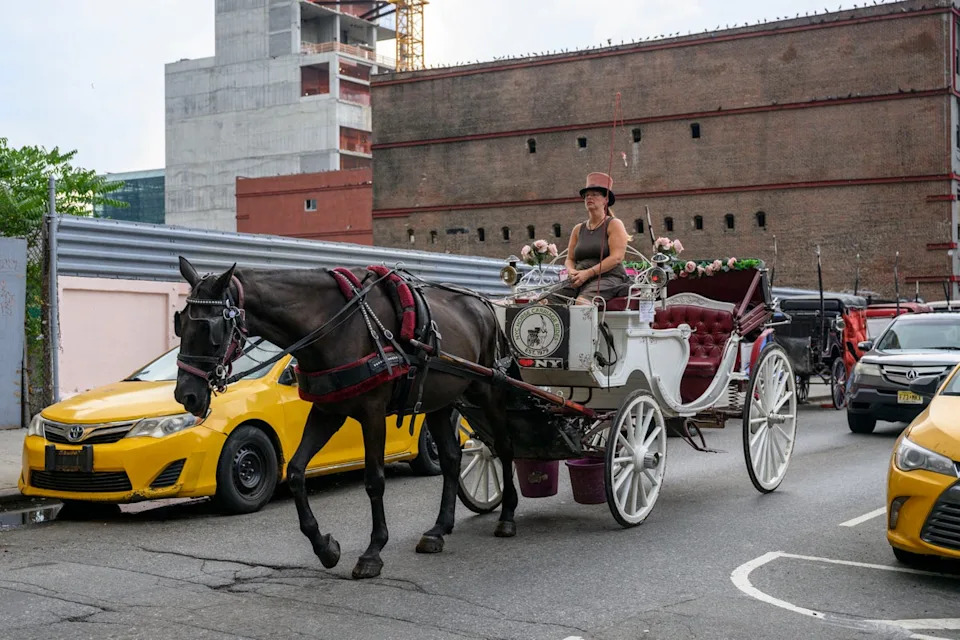
Horse-drawn carriage driver Christina Hansen rides her carriage through Manhattan on August 26, 2022, in New York City. In June 2026, a carriage horse named Deniz died after eating a toxic plant in Central Park (AFP/Getty)
Responses And Dispute
The TWU used the necropsy findings to defend carriage drivers and criticize the Central Park Conservancy, arguing that the organization failed to warn the public or remove hazardous yew plantings.
"Deniz's tragic death was not caused by neglect or abuse or the fact he was a carriage horse...Poor Deniz died because the people running the Park Conservancy never warned anyone that there were deadly yew plants in the park," union spokesperson Alexander Kemp said.
The Conservancy disputed that account, saying the death resulted from operator negligence and noting that city law prohibits horses from eating park vegetation. The Conservancy also emphasized that carriage drivers and operators are required to attend to their horses at all times to keep them safe and healthy.
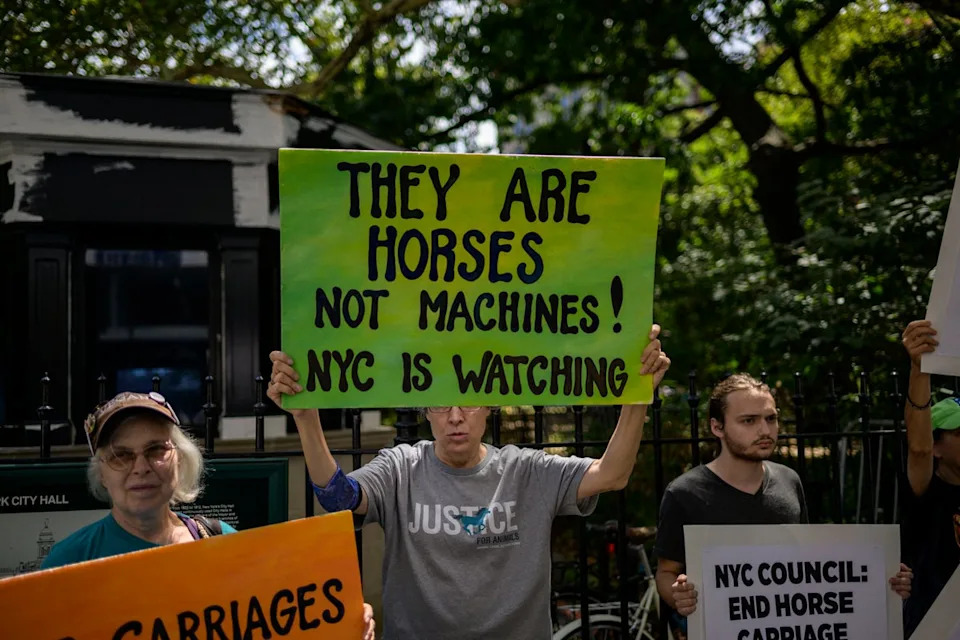
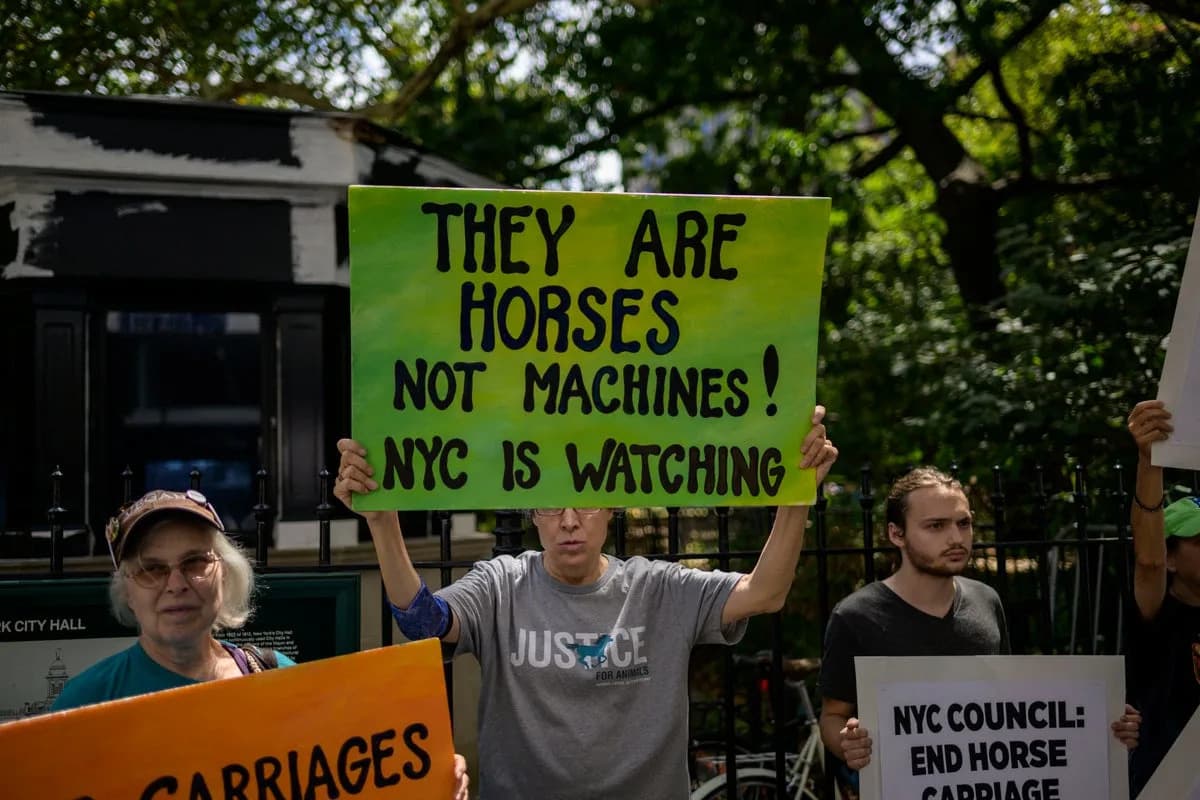
Activists from NYCLASS (New Yorkers for Clean, Livable, and Safe Streets), PETA and other community leaders protest outside City Hall on August 11, 2022, demanding to ban the practice of horse drawn carriages (AFP/Getty)
Additional Facts
Deniz's owner, Nurettin Kirbiyik, said he was devastated and denied negligence in the horse's care. A carriage driver represented by the TWU, Christina Hansen, urged park managers to remove or clearly mark toxic plantings to prevent future tragedies and rejected accusations that Deniz was mistreated. The TWU also said Deniz had passed a physical exam performed by the NYPD Mounted Unit veterinarian in March.
ABC7 reported there have been seven incidents involving carriage horses in or near Central Park in the past 13 months, including one episode in which a horse bolted into traffic and collided with cars, according to the Conservancy.
What This Means
The necropsy identifies a clear, preventable hazard: toxic landscaping that is accessible to horses. The dispute between the TWU and the Central Park Conservancy highlights broader questions about park maintenance, public safety, animal welfare, and operator responsibility for working animals in public spaces.
Help us improve.