Gaza's Last Open Pet Clinics Only two clinics for household pets remain open in Gaza, serving a population of more than 2 million amid severe shortages of medicines, vaccines and supplies. Veterinarians report pet deaths and say desperate feeding practices during recent famine periods have caused illness. Clinics provide basic care but warn that gaps in vaccination and supplies increase risks for animals and public health.
Rare Veterinary Clinic Still Operating in Gaza as Pet Care Collapses
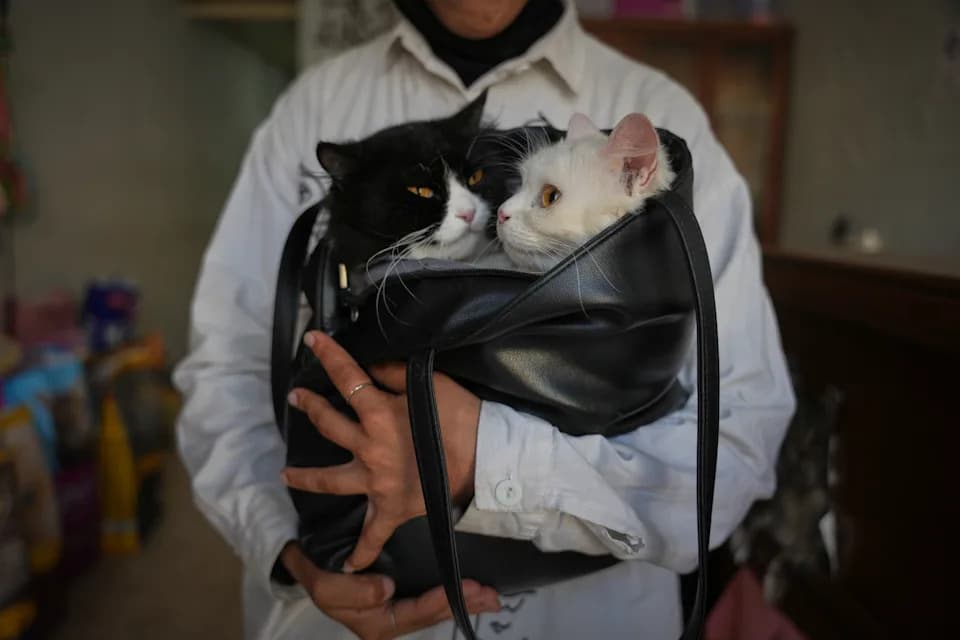
Sojoud Al-Harazeen, 19, carries her cats, Teresa, right, and Sasha, left, in a bag at a veterinary clinic in Gaza City, Saturday, June 6, 2026. (AP Photo/Abdel Kareem Hana)(AP Photo/Abdel Kareem Hana)
Gaza City, Gaza Strip — In a territory of more than 2 million people, pet owners are struggling to keep animals fed and healthy as only two veterinary clinics that treat household pets remain open. A handful of other centers focus mainly on livestock, leaving few options for cats, dogs and other companion animals.
At a modest clinic in Gaza City this month, staff provided basic medical care, vaccinations where available, grooming and treatment for a variety of animals — including a rooster. Clinic workers say they are operating with critically low stocks of medicines, vaccines and basic supplies.
While COGAT, the Israeli military authority that coordinates civilian affairs in the Palestinian territories, says it approves the entry of animal vaccines into Gaza, local veterinarians report that many commonly used medicines and vaccines are still unavailable. "Because of the shortages, many pets have died," said veterinarian Dr. Motasem Qadoura.
Pet owners describe desperate measures taken during recent periods of extreme hunger. Saja al-Hattab said she sometimes fed her cat, Lulu, bread soaked in water when little else was available. "Like us, cats also were being starved," she said.
"We experienced famine in Gaza and during that period, unfortunately, pet owners had to search for alternatives to feed their pets, and some of these alternatives weren't suitable," Qadoura said. "We saw cases of food poisoning caused by food like onions."
Other owners, such as Heba Hathat, said their pets remain unvaccinated and that affordable cat litter and specialized food are hard to find. Veterinarians warn that gaps in vaccination and preventive care heighten the risk of disease outbreaks among animals and could complicate public health.
This photo gallery was curated by AP photo editors and highlights the ongoing challenges faced by pet owners and veterinary staff in Gaza.
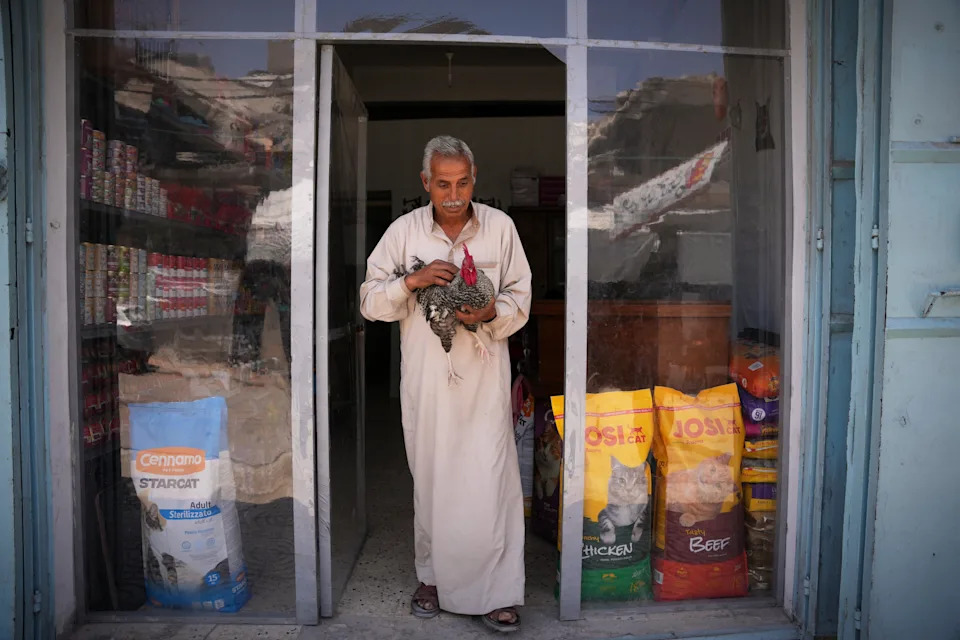
Jaber Abu Shaaban, 62, carries his rooster, which is suffering from suffering from nasal discharge, after being checked at a veterinary clinic in Gaza City, Saturday, June 6, 2026. (AP Photo/Abdel Kareem Hana)(AP Photo/Abdel Kareem Hana)
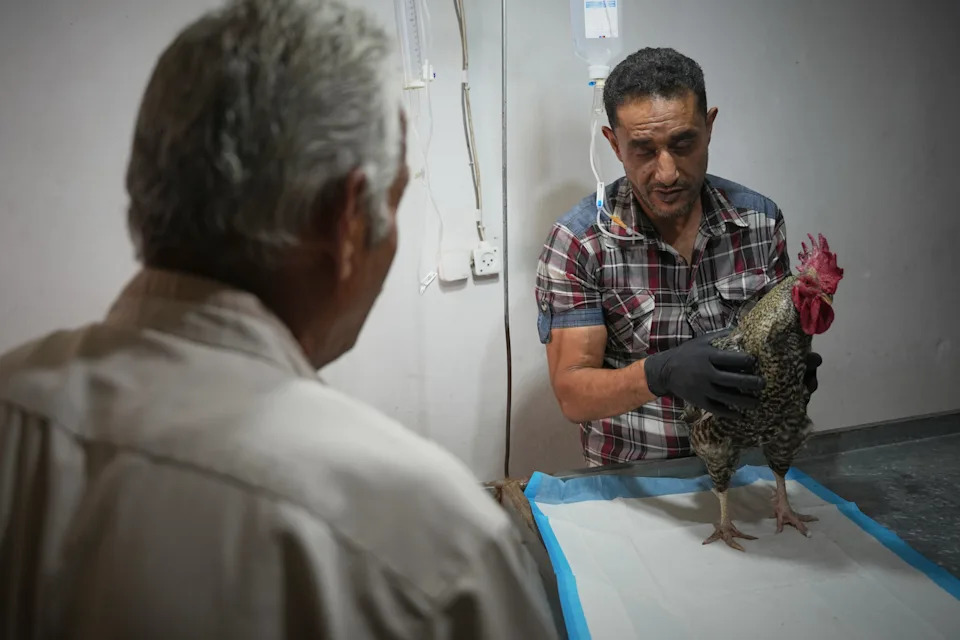
Veterinarian Dr. Bashar Shehada, 42, examines a rooster suffering from nasal discharge at a veterinary clinic in Gaza City, Saturday, June 6, 2026. (AP Photo/Abdel Kareem Hana)(AP Photo/Abdel Kareem Hana)
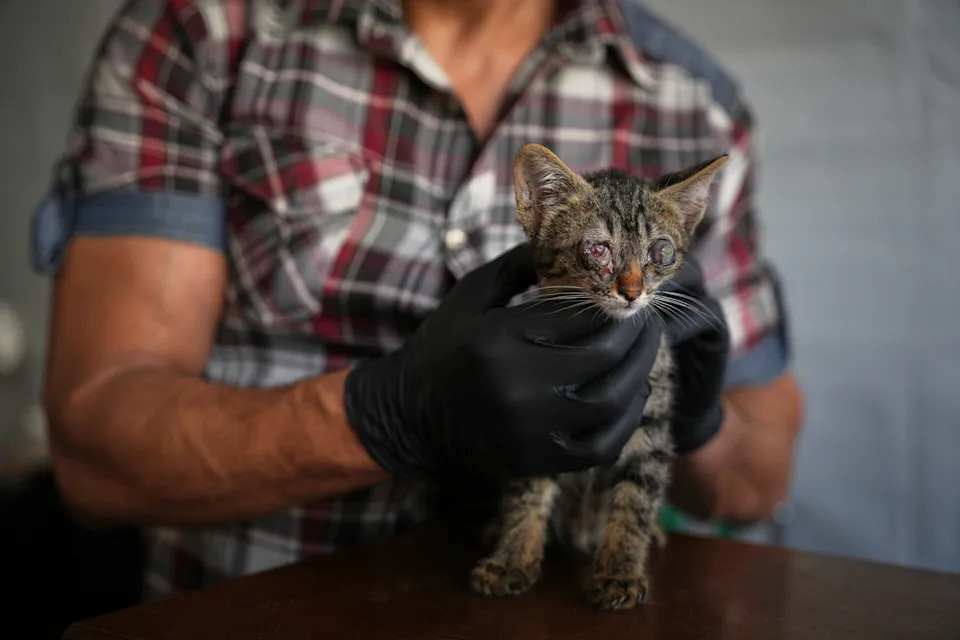
Veterinarian Dr. Bashar Shehada, 42, examines a cat suffering from an eye infection at a veterinary clinic in Gaza City, Saturday, June 6, 2026. (AP Photo/Abdel Kareem Hana)(AP Photo/Abdel Kareem Hana)
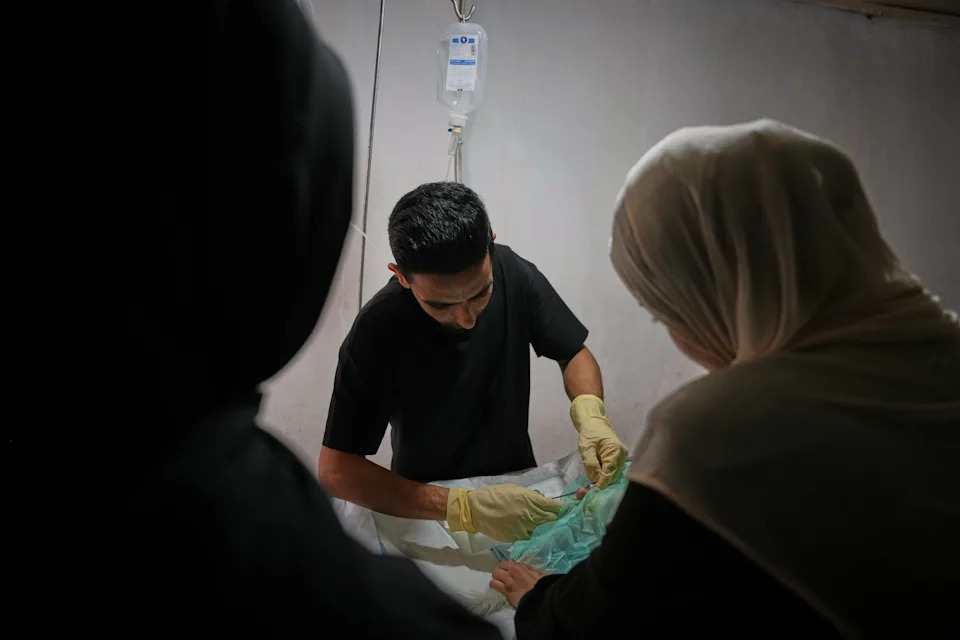
Veterinarian Dr. Motasem Qadoura, 32, performs a leg amputation on a cat at a veterinary clinic in Gaza City, Saturday, June 6, 2026. (AP Photo/Abdel Kareem Hana)(AP Photo/Abdel Kareem Hana)
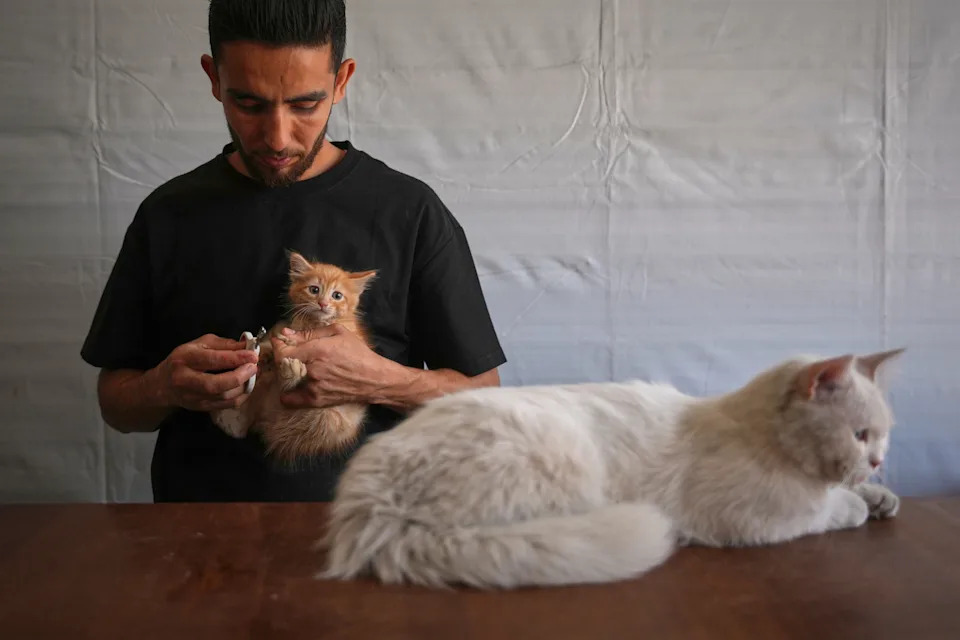
Veterinarian Dr. Motasem Qadoura, 32, feeds a cat being treated for gastrointestinal illness at a veterinary clinic in Gaza City, Saturday, June 6, 2026. (AP Photo/Abdel Kareem Hana)(AP Photo/Abdel Kareem Hana)
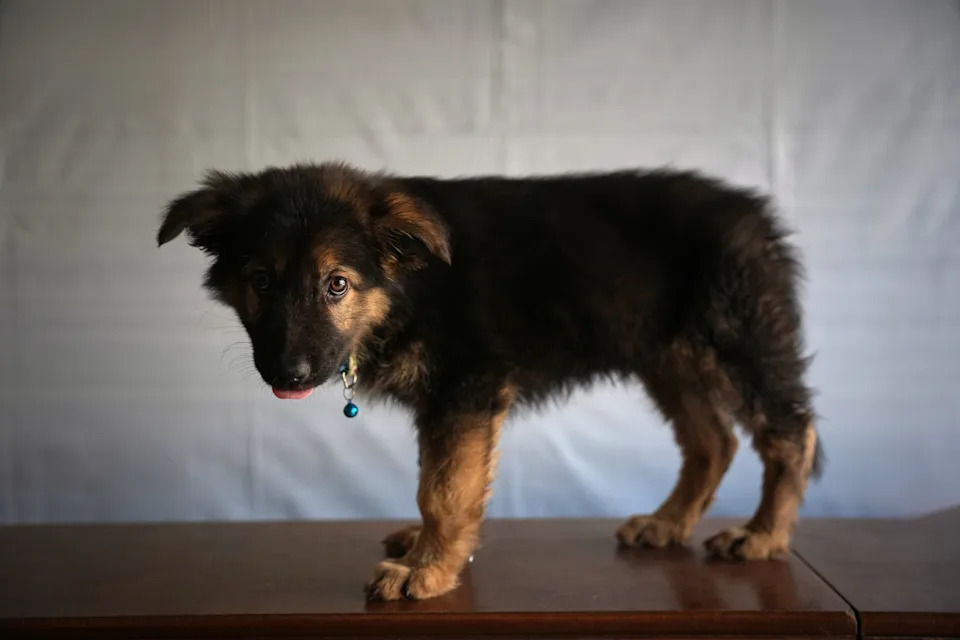
Simba, a dog being treated for gastroenteritis, stands inside a veterinary clinic in Gaza City, Saturday, June 6, 2026. (AP Photo/Abdel Kareem Hana)(AP Photo/Abdel Kareem Hana)
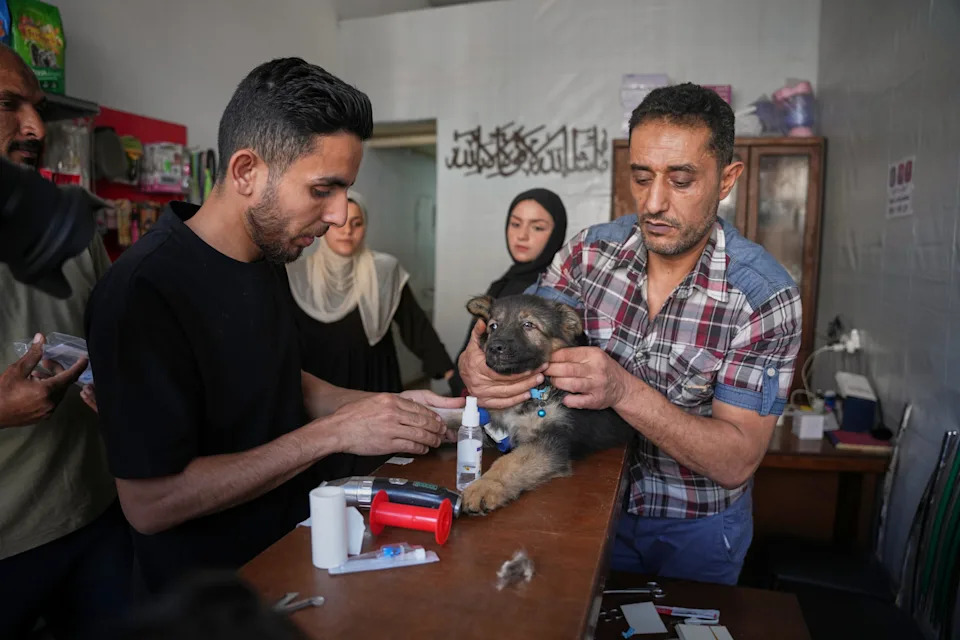
Veterinarians examine and treat Simba, a dog showing signs of illness, at a veterinary clinic in Gaza City, Saturday, June 6, 2026. (AP Photo/Abdel Kareem Hana)(AP Photo/Abdel Kareem Hana)
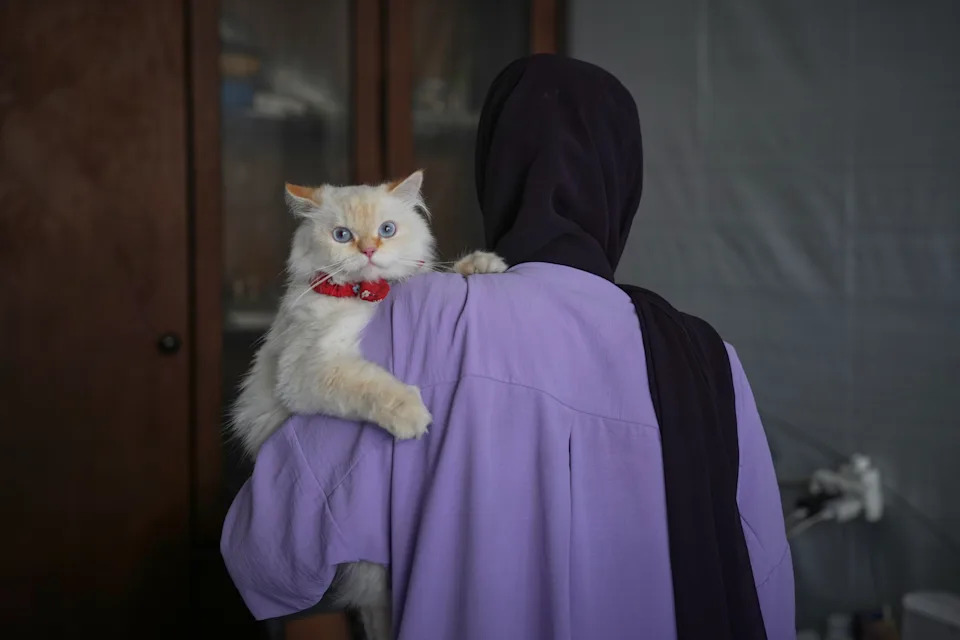
Saja al-Hattab, 27, carries her cat, Lulu, for a checkup at a veterinary clinic in Gaza City, Saturday, June 6, 2026. (AP Photo/Abdel Kareem Hana)(AP Photo/Abdel Kareem Hana)
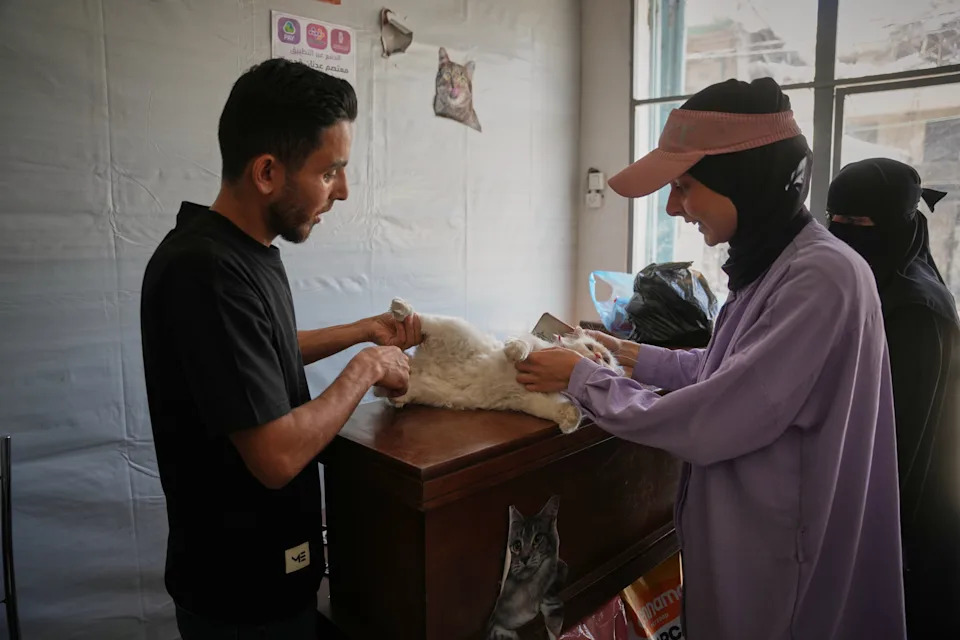
Saja al-Hattab, 27, right, holds her cat, Lulu, during an examination at a veterinary clinic in Gaza City, Saturday, June 6, 2026. (AP Photo/Abdel Kareem Hana)(AP Photo/Abdel Kareem Hana)
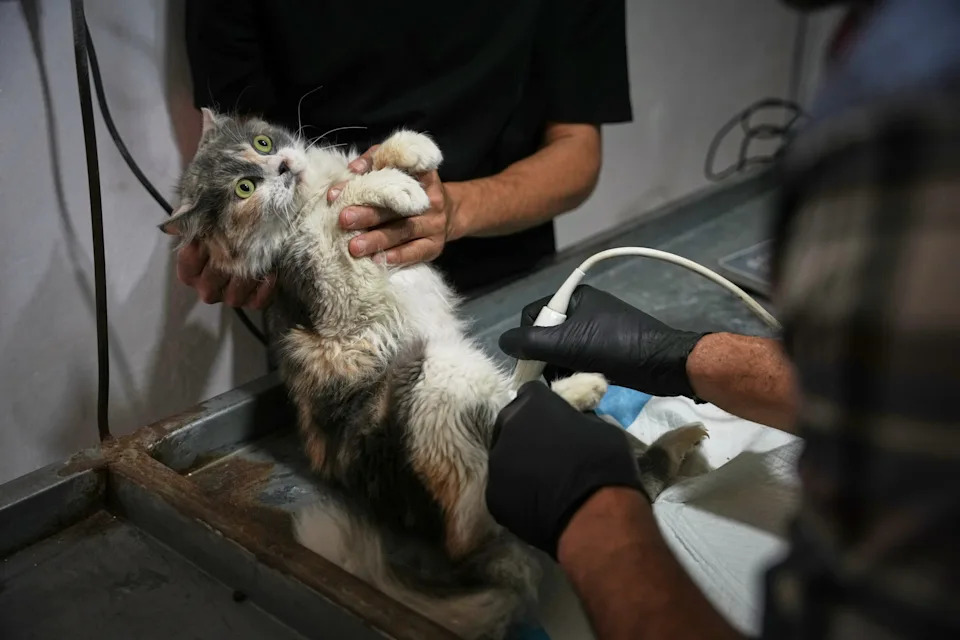
A veterinarian uses an ultrasound machine to examine a cat at a veterinary clinic in Gaza City, Saturday, June 6, 2026. (AP Photo/Abdel Kareem Hana)(AP Photo/Abdel Kareem Hana)
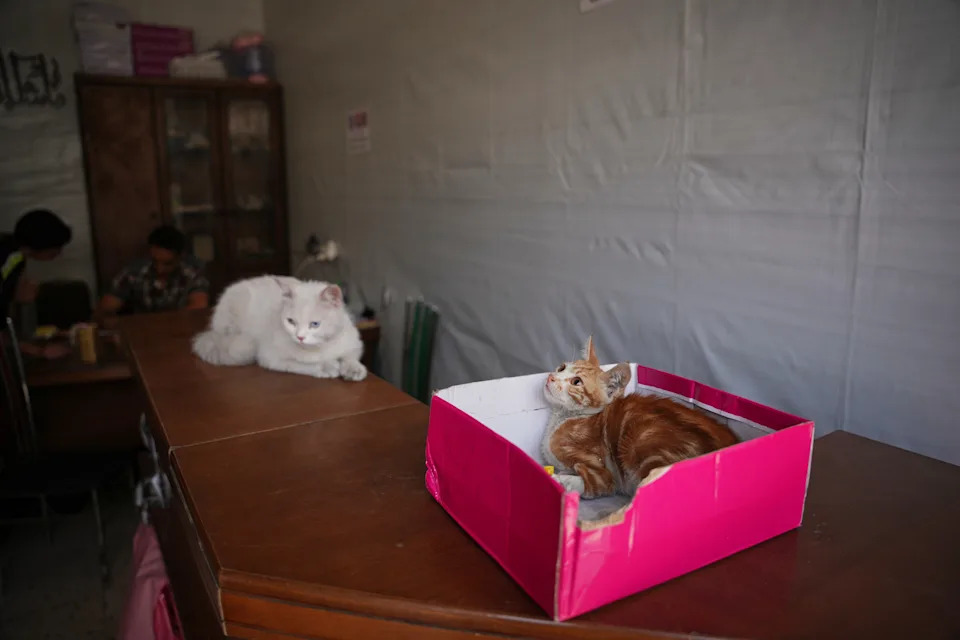
Cats wait to be examined at a veterinary clinic in Gaza City, Saturday, June 6, 2026. (AP Photo/Abdel Kareem Hana)(AP Photo/Abdel Kareem Hana)
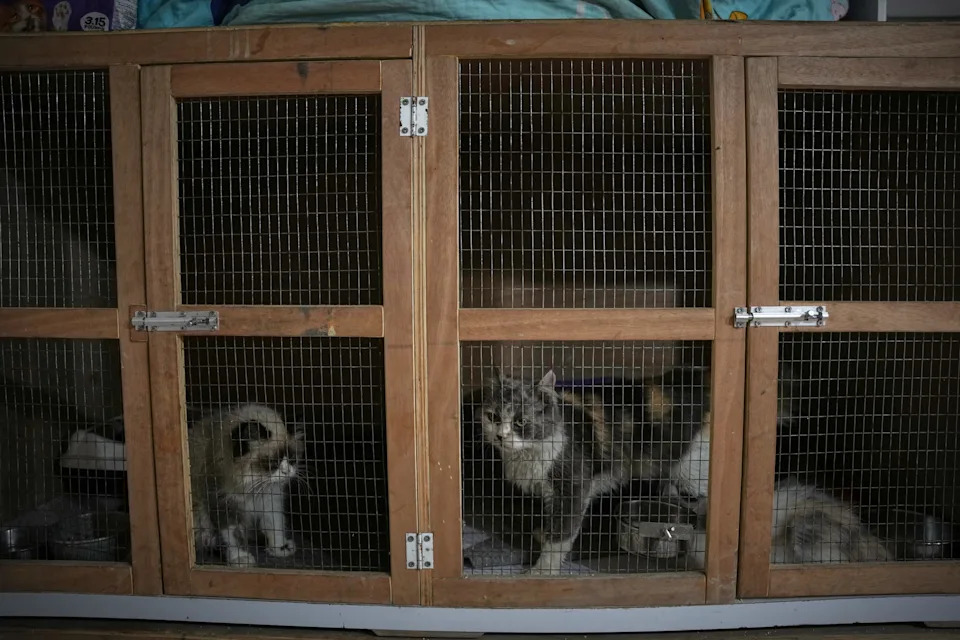
Cats await treatment inside cages at a veterinary clinic in Gaza City, Saturday, June 6, 2026. (AP Photo/Abdel Kareem Hana)(AP Photo/Abdel Kareem Hana)
Help us improve.