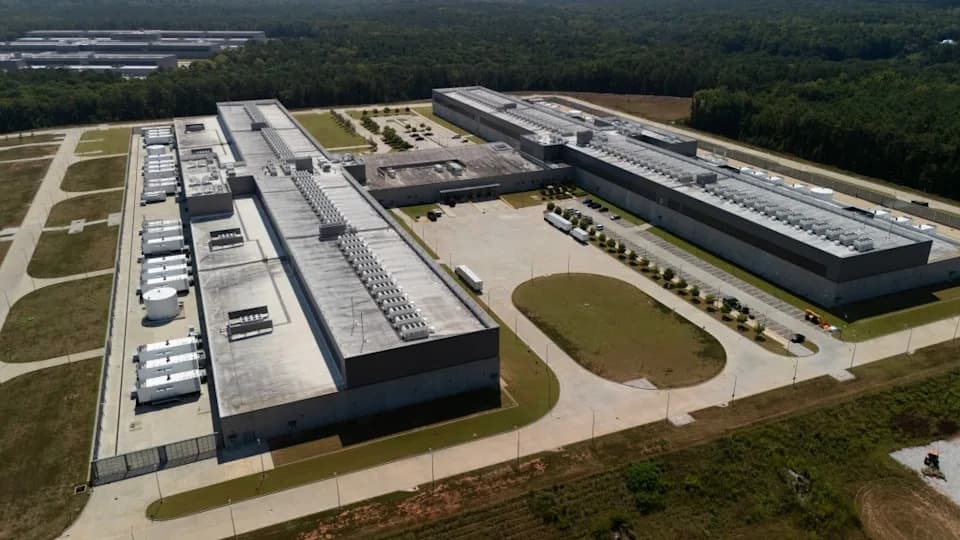
The AI-driven surge in power usage is forcing U.S. regulators, utilities and tech companies to rethink long-standing grid-planning assumptions. Hyperscale data centers now seek city-scale electricity, prompting debates at PJM and the Federal Energy Regulatory Commission over direct connections, on-site generation and who pays for new infrastructure. A key federal decision is expected soon; its outcome will shape electricity prices, reliability and the future pace of AI deployment.
Power Choices That Could Decide the Next Century: How AI Is Rewriting America's Grid
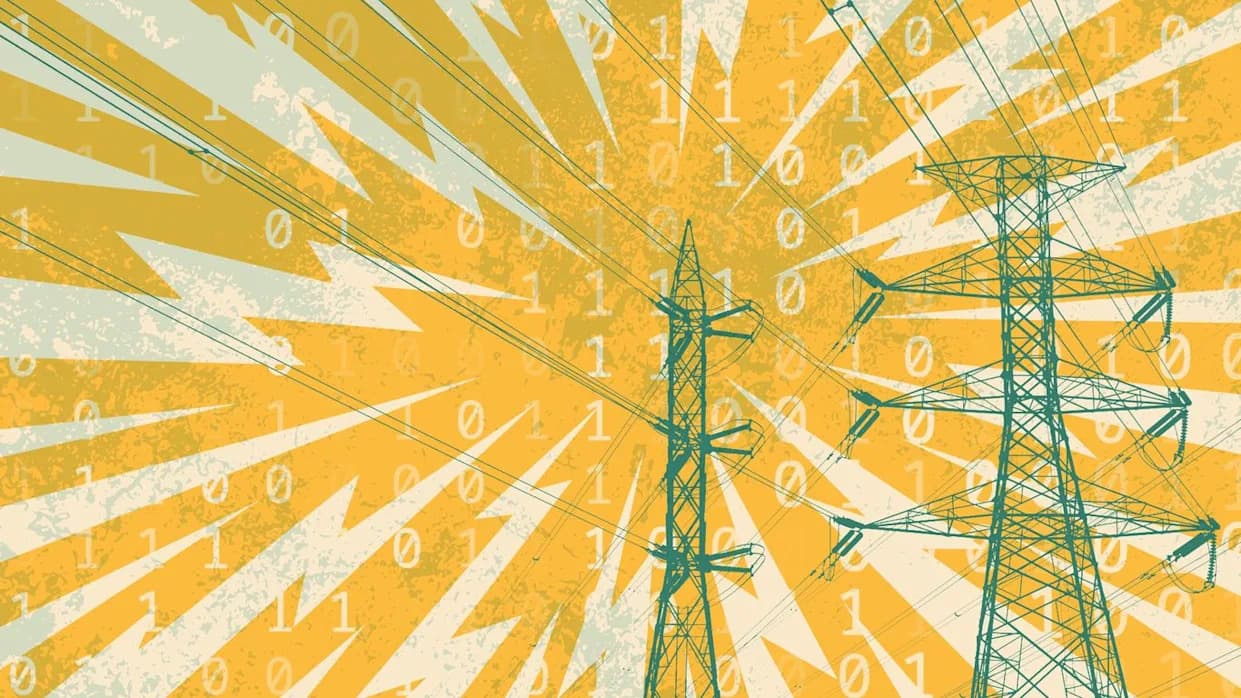
Illustration: Sarah Grillo/Axios. Stock: Getty Images
The rapid rise in electricity demand driven by artificial intelligence is forcing what may be a once-in-a-generation decision about how the United States' power system should grow.
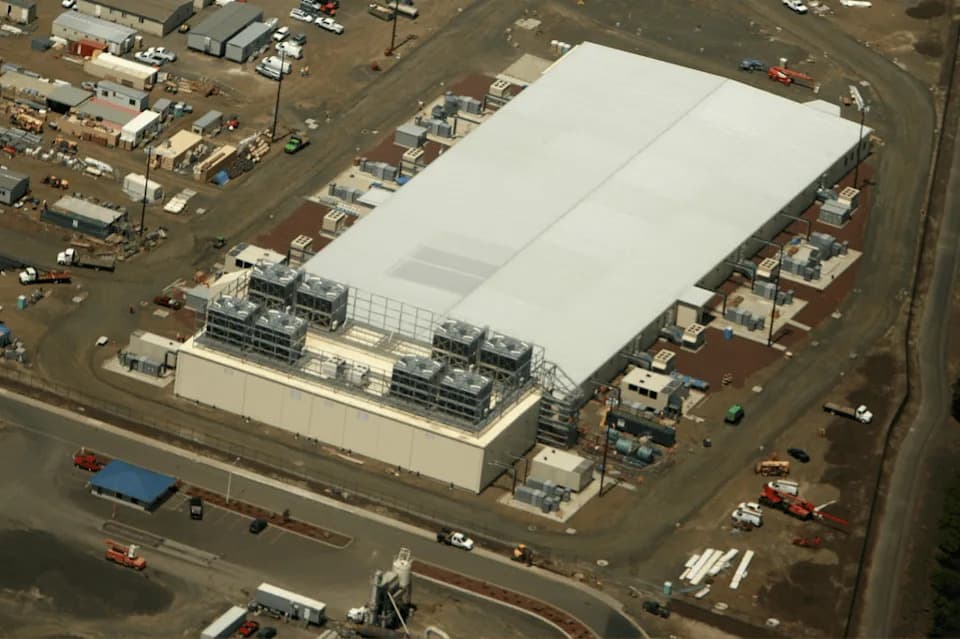
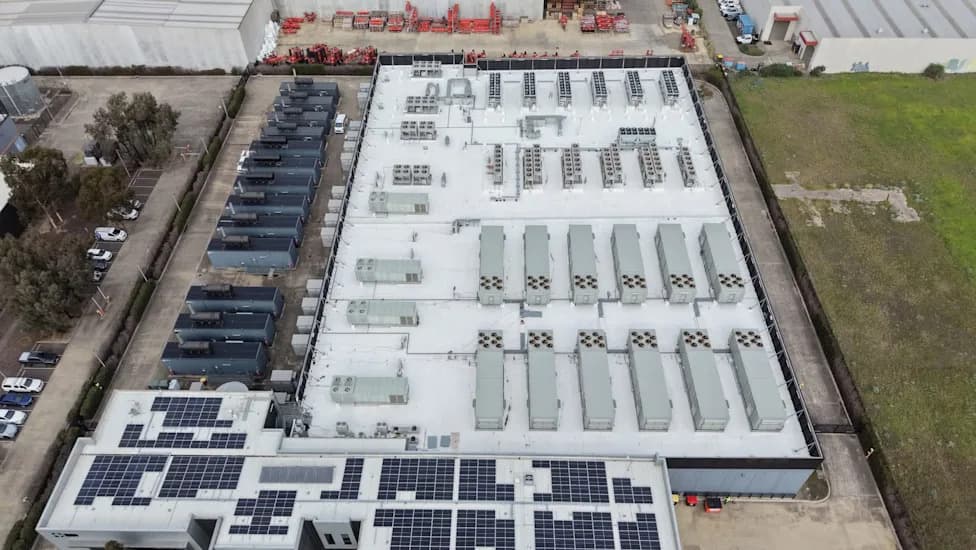
For decades, utilities planned around steady, predictable demand growth. That model is being upended as hyperscale data centers now seek quantities of electricity once associated with entire cities, raising urgent questions about who builds and pays for new infrastructure, who gets priority access to limited power, and how quickly projects can connect to the grid.
Where the Debate Is Playing Out
Major disputes are unfolding at PJM, the nation's largest grid operator, and before the Federal Energy Regulatory Commission (FERC). Some proposals would allow data centers to connect directly to power plants or to produce electricity on site—initially operating outside the broader wholesale grid. Proponents argue this can speed deployment; critics warn it could undermine system reliability, fairness and long-term planning.
Potential Paths and Stakes
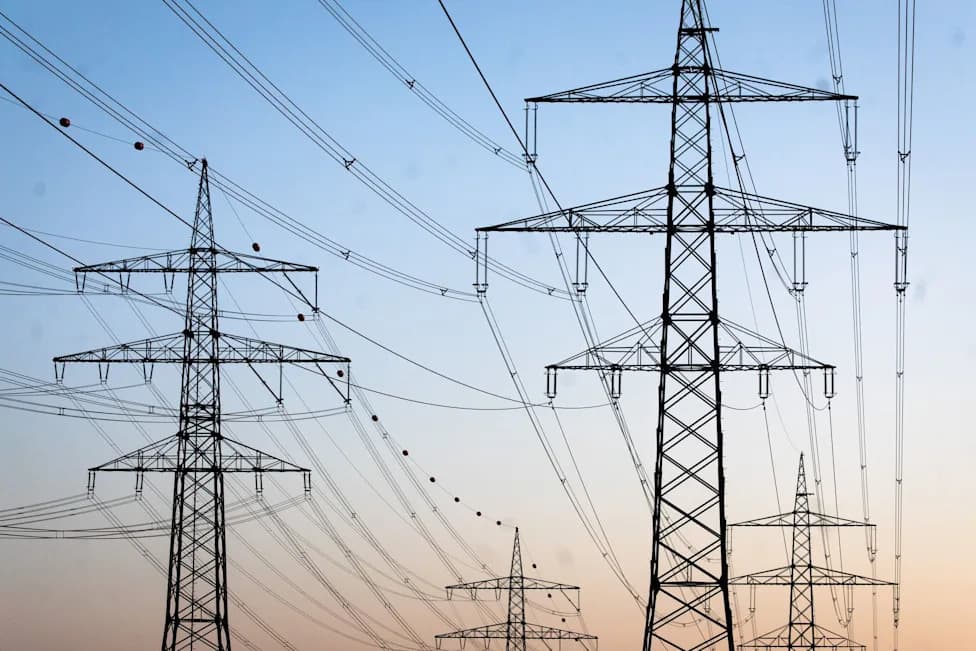
Regulators and utilities face two broad paths: coordinate a historic expansion of transmission and generation to bring large new loads onto the shared grid, or tolerate the rise of parallel power arrangements—direct hookups, captive generation and private microgrids—that serve AI infrastructure separately. Each path carries trade-offs for electricity prices, system reliability, emissions and the geography of economic benefits.
Key point: Decisions made now by regulators, utilities and tech companies could either accelerate a major build-out of the shared electric grid or lock in a fragmented system that privileges a few massive users.
What To Watch Next
Multiple regulatory rulings and transmission planning decisions will unfold over months and years, with a consequential federal decision expected imminently. Outcomes will influence how fast AI development expands, who pays for upgrades, how reliably power is delivered, and how costs are distributed among consumers and businesses.
As these debates proceed, stakeholders are weighing trade-offs between speed and coordination, private investment and public planning, and short-term connections versus long-term system resilience.
Help us improve.