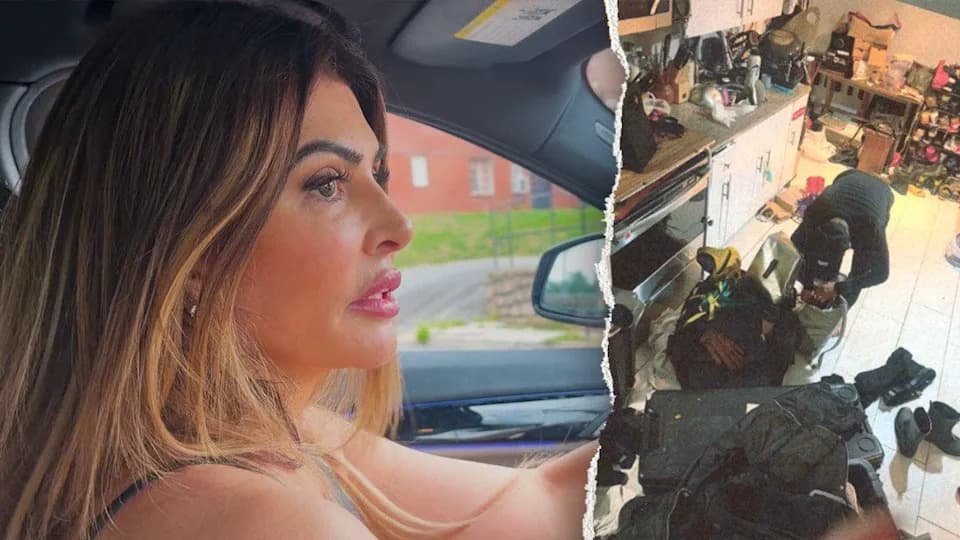
Homeowners nationwide face rising threats from title fraud, fake rental scams and squatting that can turn properties into legal battlegrounds. Scammers forge deeds, post counterfeit listings and exploit self-tour tech to sell, rent or occupy homes on paper and in person. States have moved to speed removals, but advocates warn that rushed laws could harm legitimate tenants; owners are urged to monitor deeds, freeze credit and verify anyone collecting rent.
How Scams, Fake Deeds and Squatters Are Turning Homes Into Legal Battlegrounds

housing scam. tang90246 via 123rf
Across the United States, a worrying mix of forged paperwork, online cons and opportunistic occupants is turning vacant—and sometimes occupied—homes into contested property. What often looks like a simple trespass can be a complex legal fight: forged deeds recorded at county offices, fake rental listings that siphon deposits, and individuals asserting tenant rights to delay removal. The rise of digital marketplaces, self-tour technologies and viral social-media videos has amplified these threats and exposed gaps in older property laws.
How the Schemes Work
Title fraud: Scammers forge signatures on quitclaim or deed forms and record bogus transfers with county clerks. The FBI’s Boston office has warned of a steady increase in this type of title theft, which lets criminals sell, mortgage, or rent a property on paper long before the owner notices.
property scam. designer491 via 123rf
Fake-tenancy and squatting: Some individuals move into empty homes or claim tenancy protections to delay eviction. Because civil eviction can be slow, owners often must pursue lengthy court processes rather than an immediate law-enforcement removal.
Rental impersonation: Fraudsters copy legitimate listings or create convincing fake ads on Facebook, Craigslist and other platforms, collect deposits or rent payments, then vanish. The FTC reported nearly 65,000 rental-scam incidents since 2020 with roughly $65 million in reported losses.

Photo Credit: ilixe48/123RF
Real-World Examples
High-profile cases include Florida homeowner Patti Peeples, who found strangers living in her vacant Jacksonville house and faced slow legal remedies; and a reported Queens incident where a homeowner attempting to change locks was arrested amid a confrontation with occupants who claimed tenant rights. HousingWire and national outlets also relay FBI alerts about quitclaim-deed fraud and its growing toll on property owners.
Legal And Legislative Responses
Lawmakers in several states moved quickly after widely publicized incidents. In 2024 and 2025, states including Florida, Georgia, Alabama, West Virginia and New York enacted or updated laws to speed removal of alleged squatters and clarify limits on tenant-protection claims. Advocates caution, however, that faster removal rules may risk harming legitimate tenants who are mistakenly labeled as squatters.

Image Credit: StephenLeonardi/Pexels
Why Modern Tools Make This Easier
Technologies meant to simplify rentals—self-tour services, smart locks and broad listing syndication—can be abused. Scammers duplicate listings, supply access codes, or impersonate landlords during self-guided tours. The result: a quiet, technology-enabled invasion rather than a break-in with broken glass.
Practical Steps For Homeowners
Checklist: Regularly monitor county deed records for unexpected filings; place fraud alerts or freezes on credit; be suspicious of anyone asking you to pay rent or deposits for your property; document and report suspicious listings; and learn your state’s eviction and property-protection laws so you know how quickly you can act.
Balancing Safety And Rights
Policymakers face a trade-off: speed up removals to help owners regain control, but avoid stripping due process from legitimate tenants. As statutes catch up with technology, homeowners and renters alike need better awareness, faster legal tools, and stronger fraud protections at county and federal levels.
Bottom line: The new invasions are often invisible—paper trails, fake listings, and misused tenant protections. Staying proactive, monitoring public records, and reporting suspected fraud quickly are the best defenses.
Help us improve.