The Diamantina Fracture Zone hosts a massive deep‑sea whale graveyard stretching about 1,200 km and reaching depths of 5,000–7,000 m. Researchers documented continuous whale deposition for at least 5 million years, with beaked whales dominating the assemblage and modern whale falls supporting dense scavenger communities. The team conducted 32 dives (Feb–Mar 2023), recorded 485 fossil deposits and five recent whale falls, recovered 43 fossils, and discovered a new species, Pterocetus diamantinae.
Deep‑Sea Discovery: Vast 1,200‑km Whale Graveyard Reveals New Species and Active Ecosystems
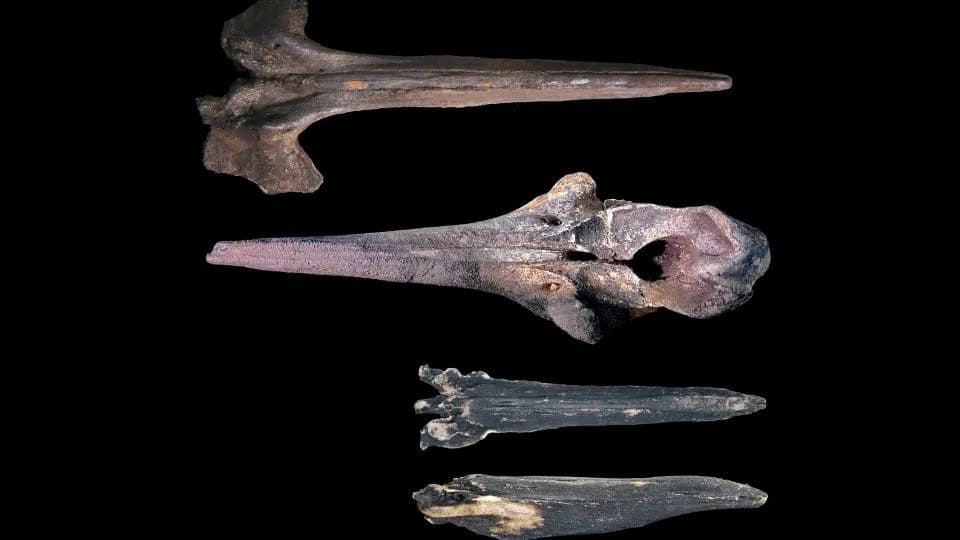
Fossil skulls of three beaked whales recovered from the seafloor in the Diamantina Zone. The image shows two extinct beaked whale species (top two) as well as an extant species. - Global TREnD
Scientists on a recent submersible expedition have documented one of the largest and deepest whale graveyards known, a 1,200‑kilometre (about 746‑mile) stretch of seafloor in the Diamantina Fracture Zone that contains both modern whale falls and fossilized remains dating back millions of years.
What the Team Found
The site spans roughly 1,200 km and reaches depths of about 5,000–7,000 metres (15,000–23,000 feet). Researchers documented a continuous record of whale remains for at least 5 million years, including hundreds of fossils and several intact recent carcasses that still hosted dense scavenger communities. Beaked whales dominate the assemblage, though the team also recorded modern species such as a small minke whale and Andrew’s beaked whale.
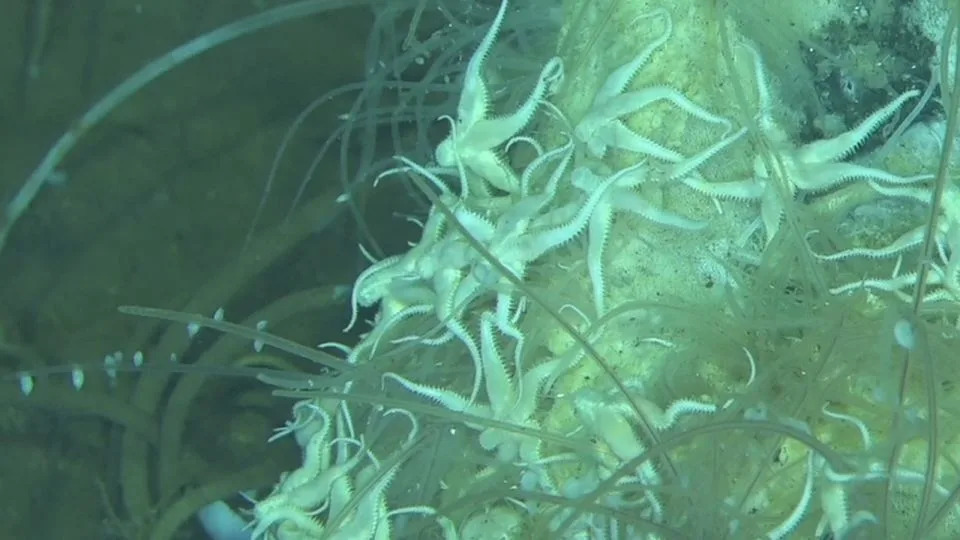
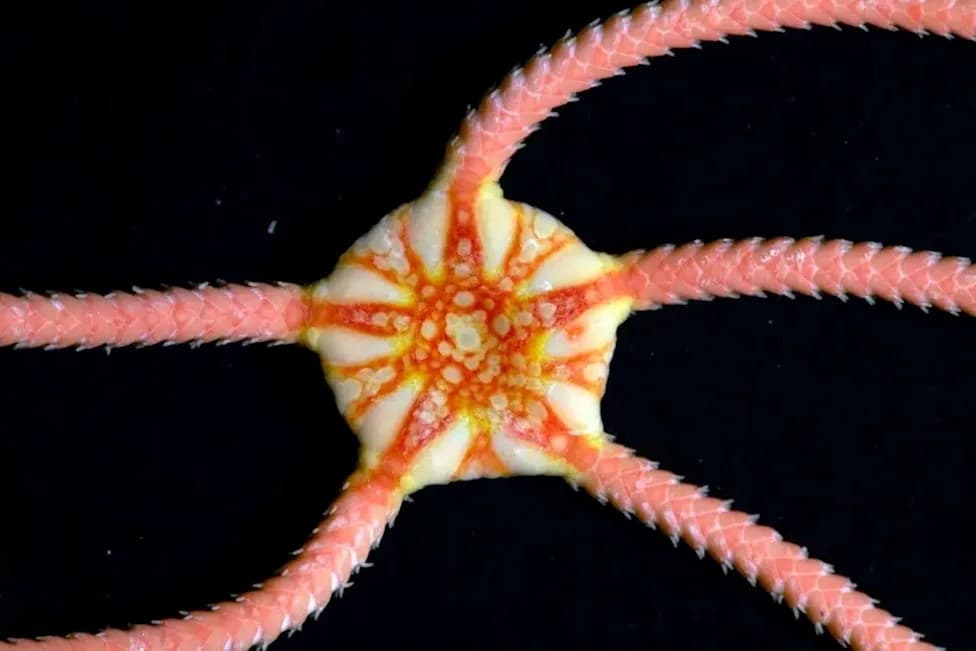
This 16-foot-long (5-meter-long) Antarctic minke whale carcass on the seafloor of the Diamantina Zone hosts 26 invertebrate species, including brittle stars, bone-eating worms, tubeworms, sea anemones and tiny amphipods. - Global TREnD
How the Expedition Worked
The international effort was part of the Global Hadal Trench Exploration Program. From the research vessel Tan Suo Yi Hao, scientists deployed the Chinese submersible Fendouzhe ("Striver") to image the seafloor and collect specimens. During 32 dives in February–March 2023 they located 485 fossil deposits and five recent whale falls, recovered 43 fossil specimens and sampled scavenging animals using a slurp sampler attached to the submersible’s robotic arm.
Remarkable Densities And Living Communities
Some areas contained roughly 760 bone remains per square kilometre, and the researchers estimate more than 10 million whale remains may lie on the trench floor — with potentially many more buried beneath sediments. One modern whale fall supported as many as 2,840 organisms in a single square metre, including bone‑eating worms, scavenging snails, brittle stars and chemosynthetic bivalves. Many of the scavengers collected may be new to science.
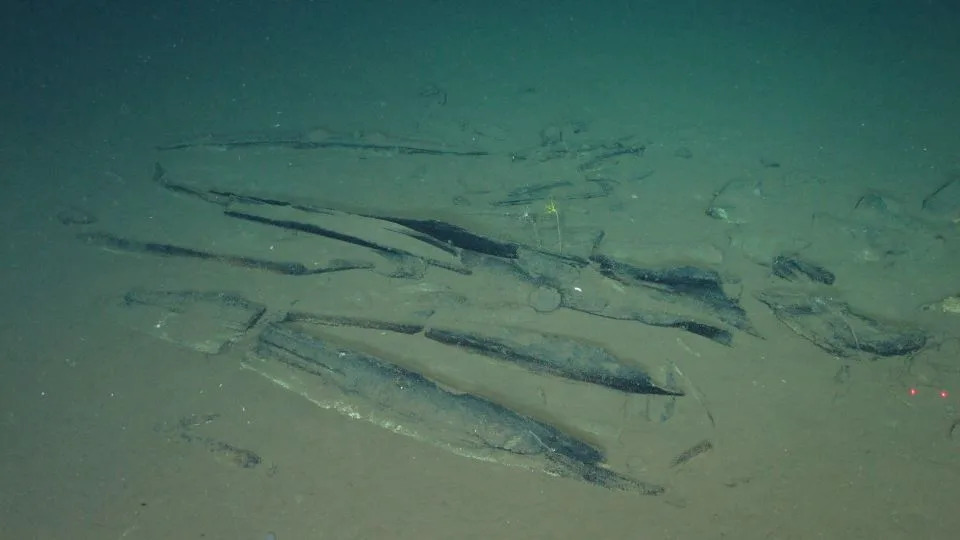
Possible baleen whale ribs, pictured here, lie in the vast whale graveyard in the Diamantina Zone. - Global TREnD
New Species And Deep‑Time Insights
Among the fossils the team identified the extinct species Pterocetus benguelae, dated to about 5.3 million years ago. They also recovered a partial skull representing a previously unknown species, named Pterocetus diamantinae, which adds to our understanding of beaked whale evolution and shows that highly specialized forms were present when these sediments were deposited.
Why So Many Whales Here?
Authors suggest the Diamantina Zone’s V‑shaped topography helps concentrate carcasses. The area may act as a habitat or migratory corridor for deep‑diving cetaceans; beaked whales that dive beyond roughly 3,000 metres (9,800 feet) can exceed physiological limits and suffer fatal exhaustion or decompression‑type injuries. The trough funnels remains to the seafloor, where low sediment movement leaves bones exposed to scavengers and allows mineral crusts such as ferromanganese oxides to form and preserve them over millions of years.
“Finding both extinct genera like Pterocetus and living species preserved together across 1,200 kilometres of seafloor at such extreme depths was truly unexpected,” said Peng Zhou, co‑lead author and researcher at the Institute of Deep‑Sea Science and Engineering.
Significance
This discovery expands our picture of deep‑sea ecology and cetacean evolution: whale falls formed by beaked whales can sustain complex ecosystems, and the Diamantina necropolis preserves an unusually continuous fossil record that will help scientists trace changes in deep‑diving whale lineages and the communities that depend on their carcasses.
Help us improve.