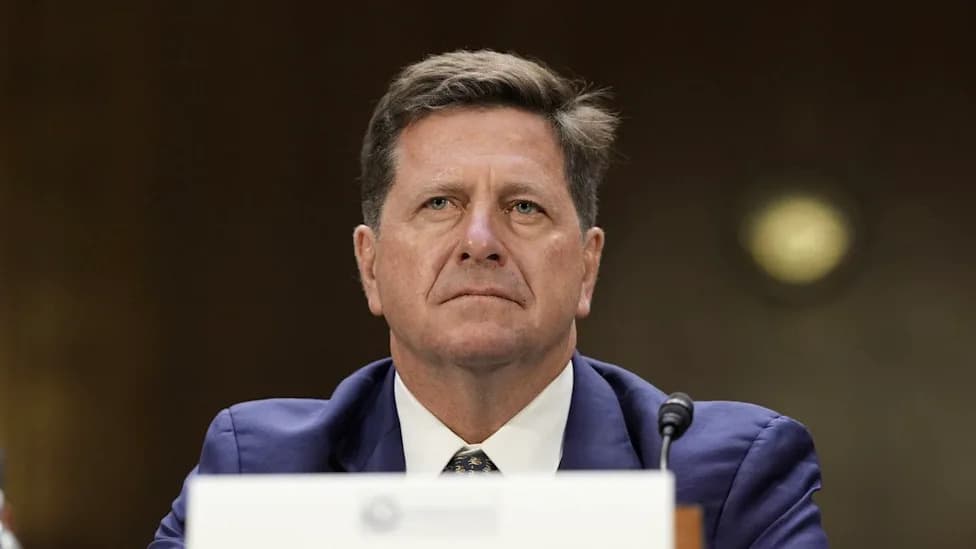
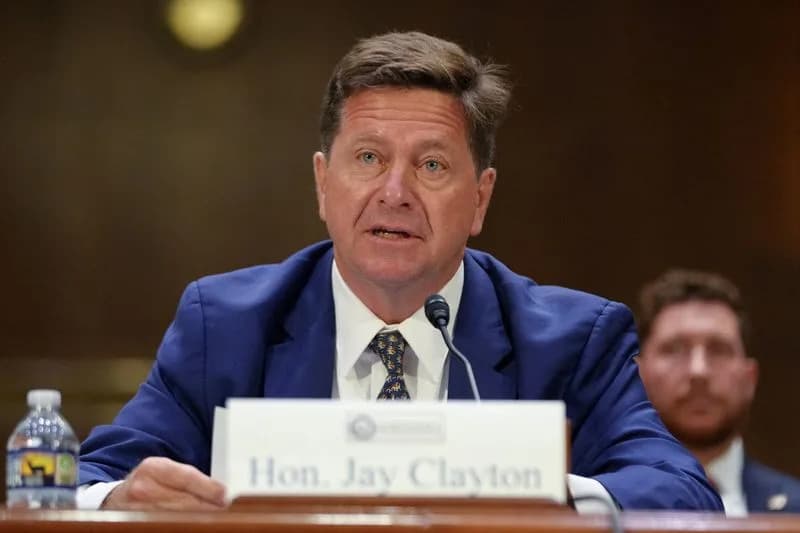
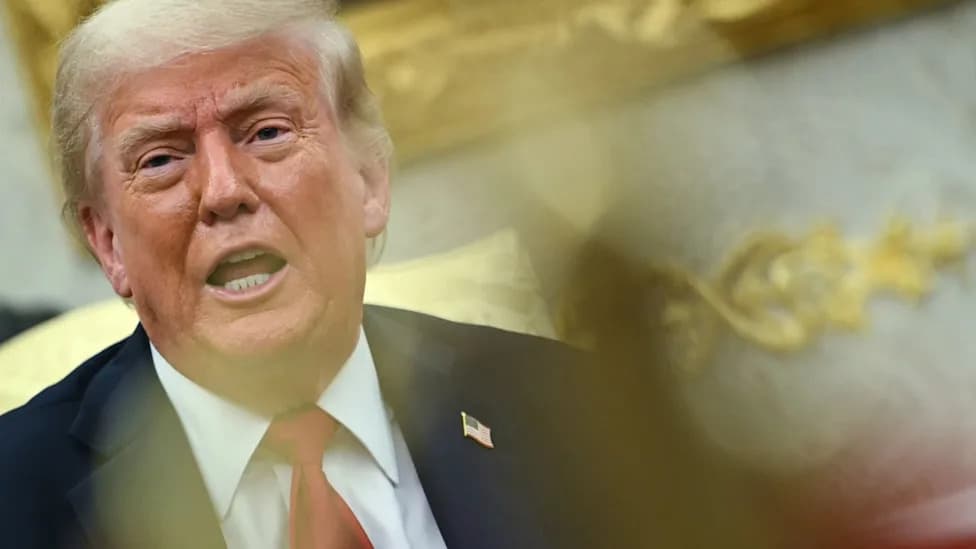
Donald Trump replaced acting DNI Bill Pulte with Jay Clayton after Pulte’s appointment drew legal objections from lawmakers. Democrats used the controversy to stall renewal of FISA Section 702, increasing pressure on the White House. Clayton — a former SEC chair and corporate lawyer with no public-facing national security portfolio — would require FBI review and Senate confirmation. Reporters and aides say the swap appears driven more by internal friction and optics than by a calculated effort to save legislation.
Why Trump Reversed Course on the Intelligence Chief Pick — Personnel Friction, Not Policy
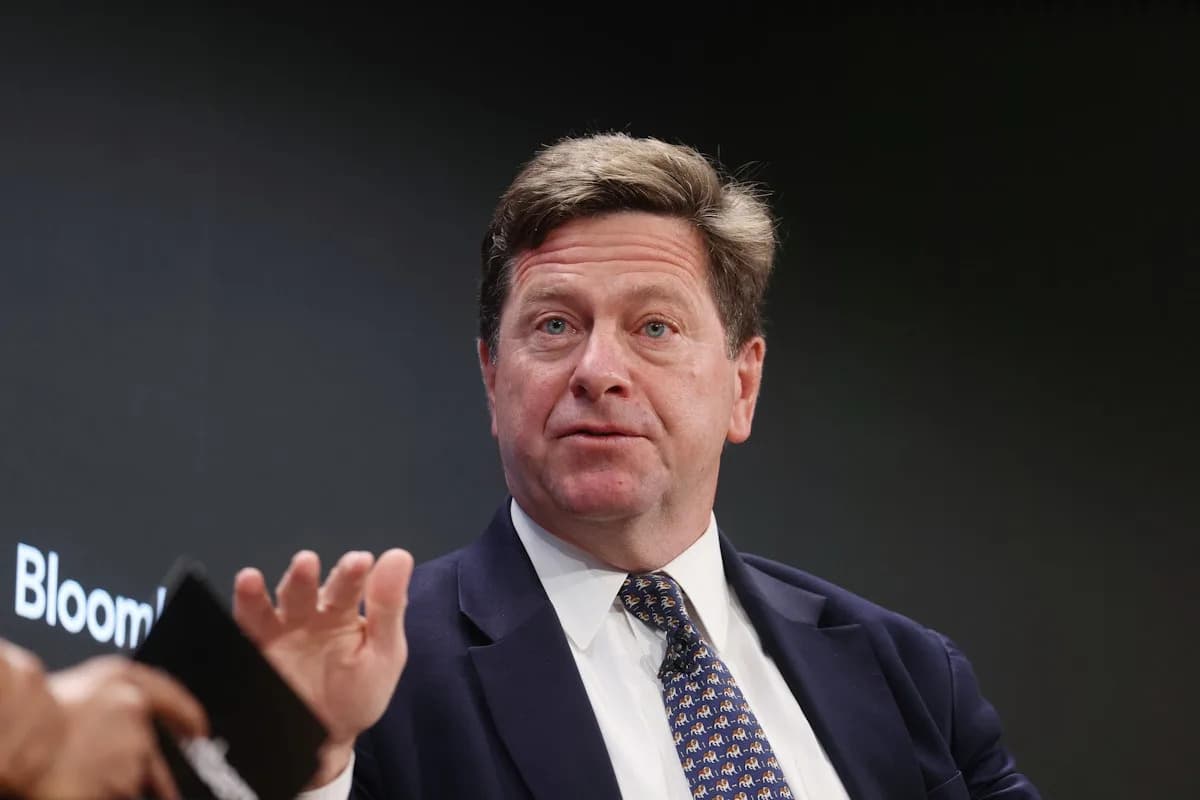
Donald Trump abruptly replaced his acting intelligence nominee Bill Pulte with Jay Clayton, in a move that sources say reflects frustration with personnel headaches more than a bid to rescue key legislation.
According to Politico and other reporting, Trump selected Jay Clayton — the former Securities and Exchange Commission chairman and longtime partner at Sullivan & Cromwell — as his nominee for Director of National Intelligence (DNI). The change came after Pulte, a real-estate developer whom Trump briefly named acting DNI, drew legal objections on Capitol Hill because his résumé did not meet statutory requirements lawmakers had written into the DNI appointment process.
Democrats used that controversy as leverage: they stalled renewal of FISA Section 702 — the surveillance authority that permits warrantless monitoring by agencies such as the NSA and the CIA — in part to block Pulte from being elevated to the permanent role. With the FISA deadline looming, the White House reportedly reopened its search and nominated Clayton to "quell all the bitching," an administration official told Politico.
Capitol Hill staffers told Politico they suspected the president either did not fully grasp or did not prioritize the tight congressional timeline around the FISA debate. One aide summarized Trump’s attitude toward the intelligence post bluntly: "Trump has always hated the ODNI role."
If Clayton advances, he would come to the Office of the Director of National Intelligence without a background in national security operations. His résumé includes time as a corporate lawyer and as SEC chairman; he has also taught as an adjunct professor at the University of Pennsylvania Law School. Any appointment would still require the customary FBI background review and Senate confirmation.
Observers and critics have characterized Clayton as aligned with or responsive to the president’s priorities in prior roles, and Politico reported that some decisions tied to high-profile matters were handled with political considerations in mind. Those assessments come from multiple anonymous officials and should be read as reported perspective rather than definitive judgment.
Bottom line: The episode highlights how personnel skirmishes in the White House can collide with congressional timetables, producing unexpected reversals that are driven as much by friction and optics as by legislative strategy.
Help us improve.