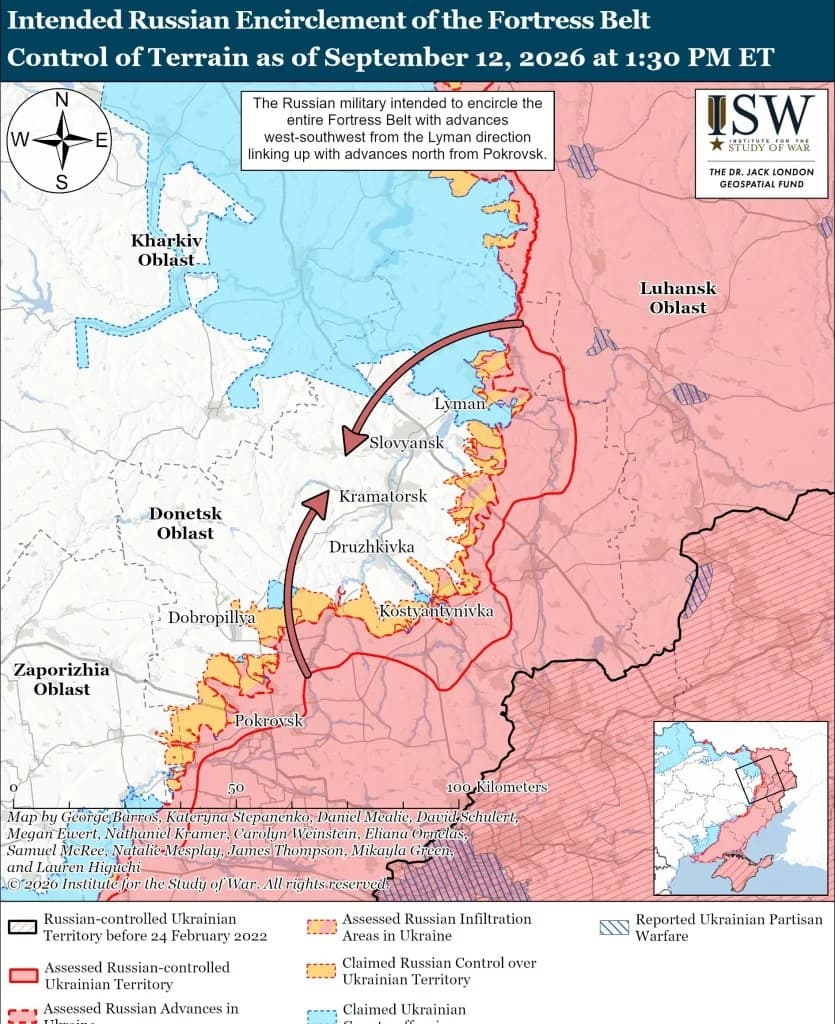
Several retired U.S. generals and a former U.S. intelligence director told CBS News they believe Ukraine currently holds an operational advantage over Russian forces. Ukrainian commander Oleksandr Syrski said Kyiv has retaken about 600 square kilometers this year, with the heaviest fighting near Oleksandrivka and Huliaipole. Analysts credit improved mid-range drone capabilities — from FPV drones to longer-range systems — for recent gains, but experts warn these advances are fragile and could be reversed by escalation. Observers say the evolving drone threat is degrading Russian logistics and command nodes, complicating future offensives.
Retired U.S. Generals: Ukraine Holds Operational Edge as Drones Shift the Battlefield
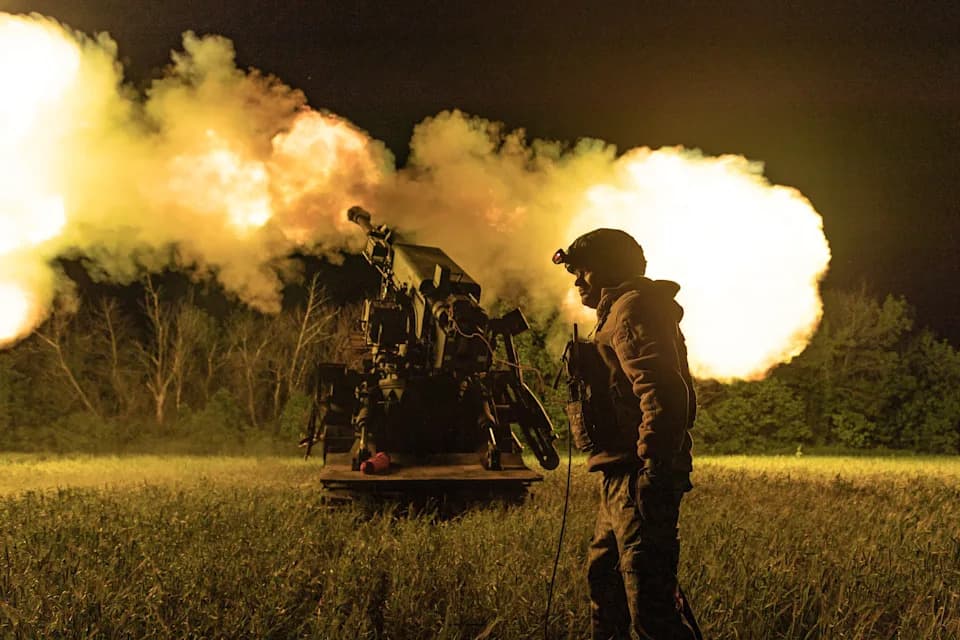
Ukrainian soldiers fire artillery at Russian positions in the Donetsk Oblast, Ukraine, May 31, 2026. / Credit: Diego Herrera Carcedo/Anadolu via Getty Images
Kyiv — Several retired U.S. generals and a former head of a U.S. intelligence agency told CBS News this week that they believe Ukraine currently holds an operational advantage over Russian forces on the front lines.
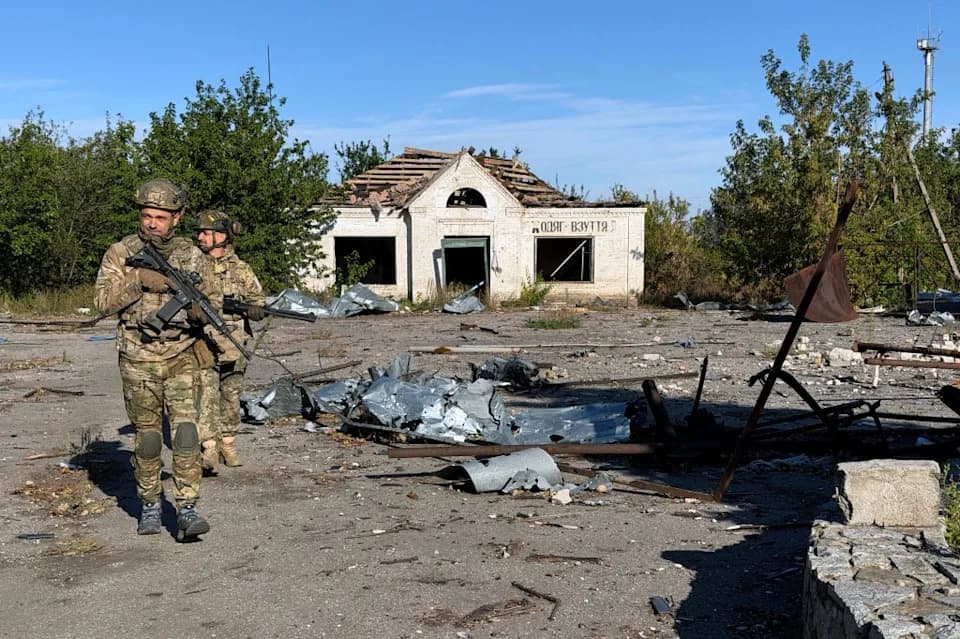
Ukraine's top commander, Oleksandr Syrski, said his forces have reclaimed roughly 600 square kilometers (about 232 square miles) from Russian control so far this year, with the fiercest fighting reported in the southeast around Oleksandrivka and Huliaipole.
'I would assess operationally Ukraine is winning in the context they are defeating enemy operational objectives, creating conditions for follow-on operations and preserving freedom of action,' retired Lt. Gen. Robert Ashley, former director of the Defense Intelligence Agency, wrote in an email this week.
Two other retired generals who spoke to CBS News echoed Ashley's assessment, saying that on many parts of the front Ukrainian forces appear to be outmaneuvering their Russian counterparts.
Drone Advances Drive Recent Gains
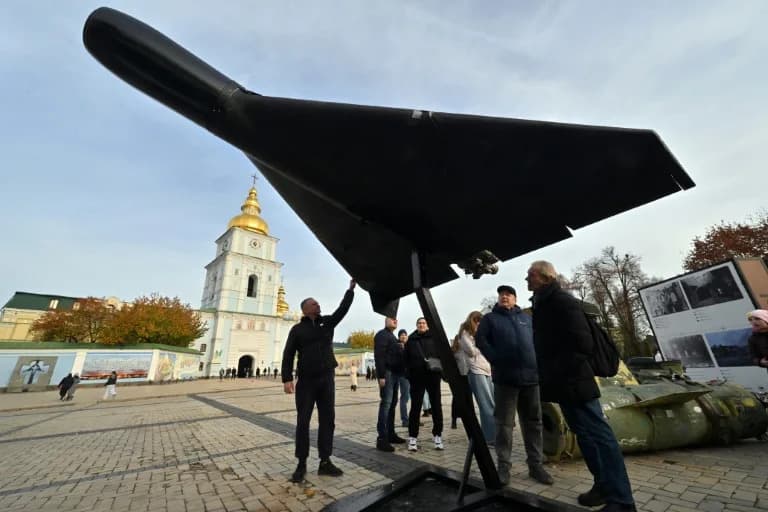
Analysts point to rapid advances in Ukraine's drone capabilities as a central factor behind recent battlefield momentum. Since 2023 Ukraine has refined short-range First-Person-View (FPV) drones that, according to President Volodymyr Zelenskyy, now account for more than 90% of casualties caused by drone attacks. Beginning in 2024, Kyiv has also fielded longer-range drones and cruise missiles capable of striking deep into Russian territory — most recently hitting military sites in St. Petersburg, over 600 miles from Ukraine's borders.
Front-line research-and-development units, including personnel from the Khartiia Brigade, told CBS News in March that extending drone range beyond 30 miles to surveil and strike rear-area targets was a top priority. Rob Lee, a Ukraine-based military analyst and former U.S. Marine Corps infantry officer, said Ukrainian units have largely solved that problem.
'Ukraine just lacked this capacity last year, the ability to hit targets at 50 to 100 kilometers (30 to 60 miles) past the front line,' Lee said. 'They're doing that very often, basically every day now. And the quantities of these drones they're using is only going to increase.'
Strategic Impact and Limits
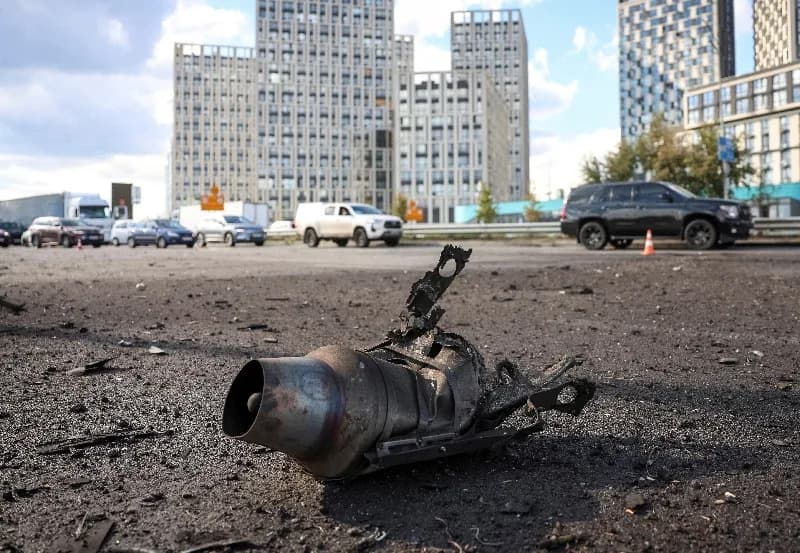
These mid-range strikes can hit logistics hubs, ammunition warehouses, command posts and vehicle stockpiles — targets that sustain Russian offensives. By degrading rear-area supplies and command-and-control nodes, Ukraine can blunt Russia's operational tempo and complicate future attacks.
'Command posts are getting targeted, warehouses with ammunition, vehicles,' Lee said. 'And so over time, it's going to degrade what gets to the front line.'
But experts caution that operational momentum is not the same as a final strategic victory. Ashley warned the gains are 'reversible and fragile at best depending on how much Putin wants to escalate.' Lee also tempered expectations: 'The situation has gotten better for Ukraine, but I don't think we're going to see a breakthrough.'
Retired Gen. Joseph Ralston, a former Supreme Allied Commander in Europe, offered a cautionary framing: 'Russia is not strong enough to take all the territory they want without using nukes and Ukraine is not strong enough to take back the territory they have lost.'
Still, both Lee and Ashley argued that recent battlefield trends give Ukraine the tactical initiative and complicate Russia's campaign plans. With both sides still pursuing decisive outcomes, a negotiated ceasefire appears unlikely in the near term.
What To Watch
Key indicators to monitor include the tempo and scale of mid-range drone strikes, Russian responses or escalation steps, and the ability of Ukraine's forces to sustain these operations logistically and technically over time.
Help us improve.