California State University renewed a roughly $13 million-per-year contract to provide ChatGPT Edu despite a CSU-wide survey of more than 94,000 people showing widespread skepticism about AI’s classroom benefits. While 84% of respondents said they had tried ChatGPT and about half use AI regularly, 65% of students and 59% of faculty said AI has not improved education. The decision — described in internal documents as a "huge branding [opportunity]" — has prompted concerns about bias, academic integrity, environmental impact, and learning outcomes amid possible $144 million in budget cuts.
CSU Renews About $13M ChatGPT Deal Despite Widespread Campus Skepticism
Photo Credit: iStock
California State University has renewed a roughly $13 million-per-year agreement with OpenAI to continue offering ChatGPT Edu — a decision that has reignited debate after a large internal survey found many students and faculty remain unconvinced that the tool improves learning.
Last year CSU made ChatGPT Edu available to more than 500,000 students and staff under a broader $17 million agreement, making the system one of higher education’s earliest and most visible adopters of generative AI. The renewal keeps that access in place even as campuses weigh potential benefits against growing concerns.
Survey Findings
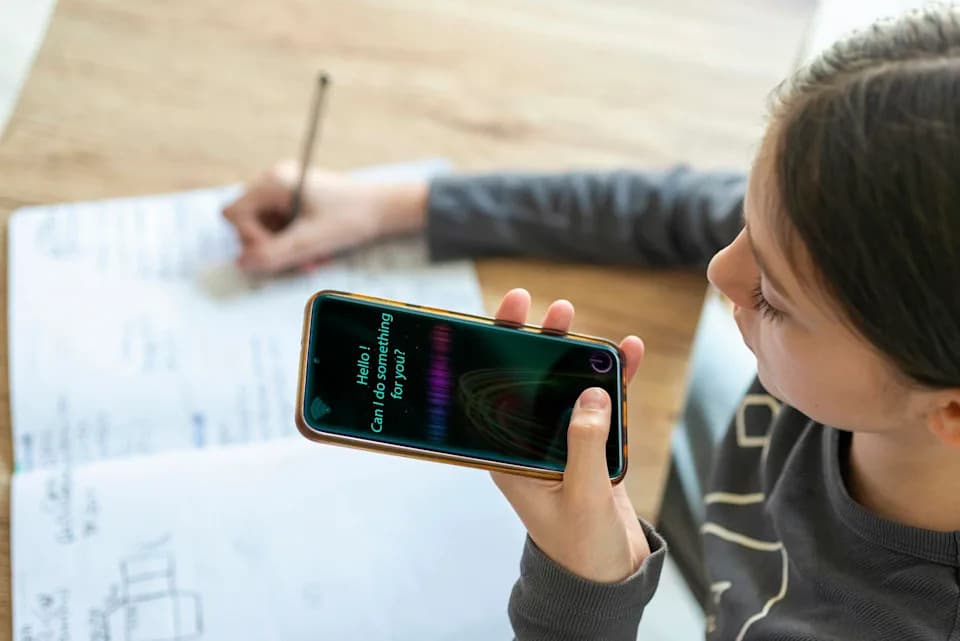
A CSU-wide survey of more than 94,000 respondents shows broad use but widespread skepticism: 84% said they have tried ChatGPT and roughly half reported regular AI use, yet 65% of students and 59% of faculty said AI has not improved education overall. Many students also said they feel uneasy submitting AI-generated work as if it were their own.
Campus Reaction and Concerns
Internal planning documents reported by NPR described the OpenAI partnership as a "huge branding [opportunity]," raising questions about whether public relations factored into the decision. Faculty and students have expressed a range of worries, including algorithmic bias, job displacement, threats to creativity, academic dishonesty, privacy and security risks, and environmental impacts.
More than half of faculty respondents said AI has hurt their teaching, and about 40% of instructors reported discouraging or banning AI use in their classes. CSU English professor Jennifer Trainor told NPR that many students are "ethically opposed to the environmental impacts and the bias and the erasure of their jobs and voices and creativity." Professor Martha Kenney, who led a petition urging CSU not to renew the contract, said, "I think refusing this technology needs to be a position that's on the table."
Broader Risks: Learning, Environment, And Costs
Researchers are still studying the long-term learning effects of routine AI use. Early evidence cited in reporting has linked heavy reliance on some AI tools to weaker critical-thinking skills, memory problems, and reduced brain activity during cognitive tasks. At the same time, the data centers that run large AI models consume substantial electricity and water, which can strain local grids, increase emissions when fossil-fuel generation fills demand gaps, and push up utility costs.
Budget Context And Wider Implications
The renewal has proved controversial in part because CSU faces possible budget pressures that could result in roughly $144 million in cuts. How CSU proceeds may influence other colleges and universities considering similar AI partnerships: the choice highlights trade-offs between broad access to new tools and careful evaluation of pedagogical, ethical, and environmental consequences.
"Students and faculty want thoughtful policy: clear disclosure rules, pedagogy-centered guidance, and oversight of environmental and equity impacts," said one faculty advocate in a campus memo.
The debate at CSU underscores a central question for higher education: how to balance innovation and access to AI tools with safeguards that protect academic integrity, learning outcomes, equity, and sustainability. Possible next steps include developing clear classroom policies, opt-out options, faculty training, independent audits of AI systems, and energy-aware contracting.
Help us improve.