The article examines Unite Here Local 11’s authorization to strike at SoFi Stadium ahead of the U.S. World Cup opener and explains why the union’s demand that workers be able to refuse work if ICE is present has sparked controversy. It places the dispute in the context of broader labor tensions in Los Angeles and outlines the potential economic and reputational consequences of a disruption. The piece calls for continued, good-faith negotiations to protect workers while ensuring public safety and event continuity.
Unite Here Strike Threat Could Jeopardize World Cup — Calls For Compromise Grow
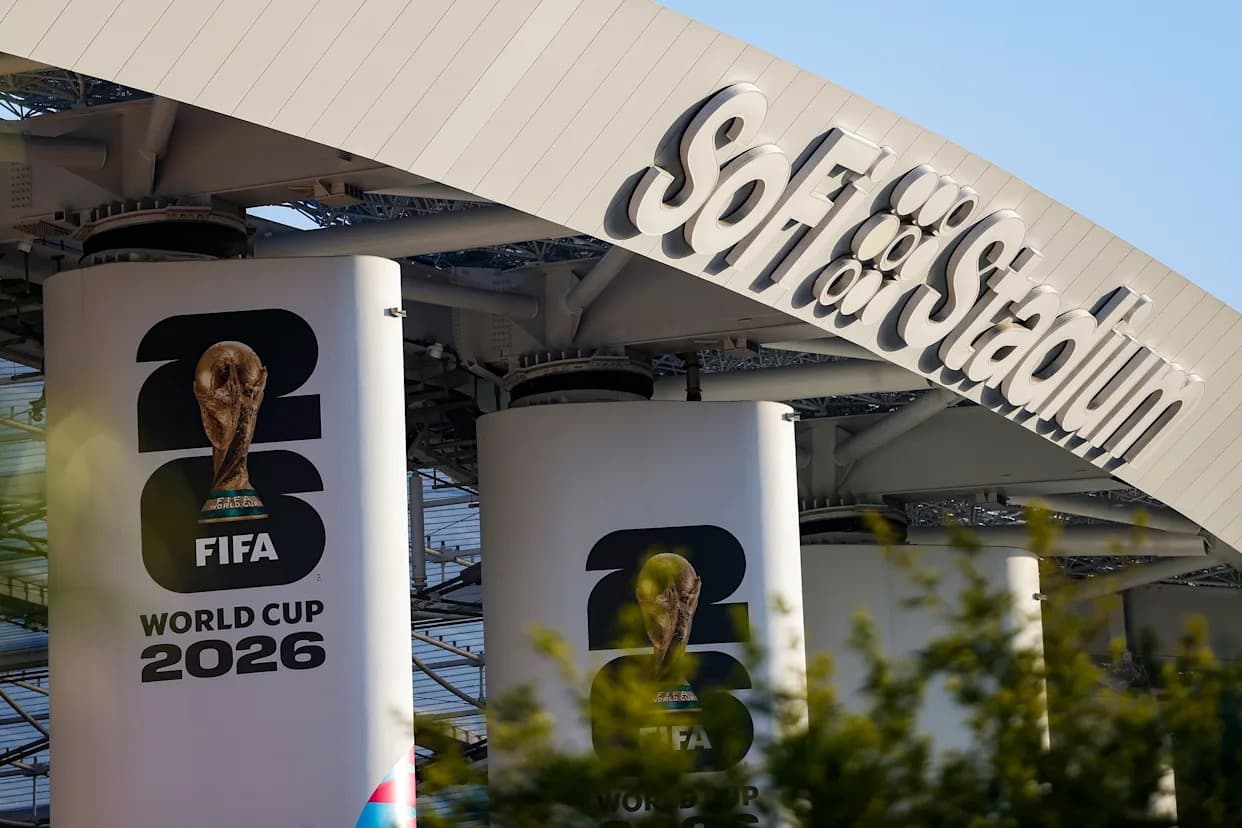
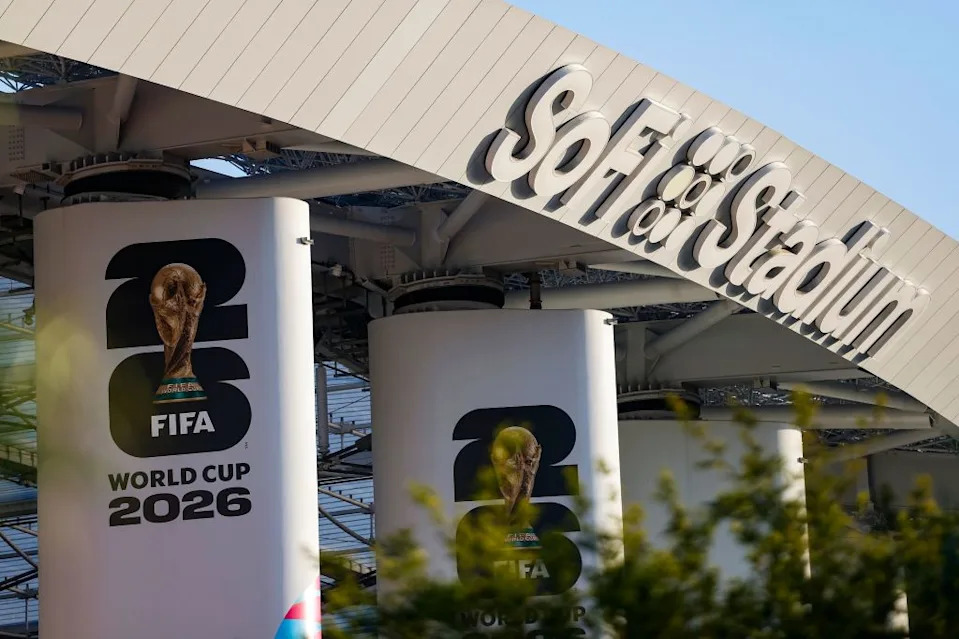
Mandatory Credit: Photo by CHRIS TORRES/EPA/Shutterstock (16910993c) FIFA World Cup signage is displayed outside SoFi Stadium in Inglewood, California, USA, 03 June 2026. The stadium is one of the venues...
As Los Angeles prepares to host the U.S. men’s World Cup opener at SoFi Stadium, a dispute with Unite Here Local 11 has put the match — and the city’s reputation — at risk. The union’s recent vote to authorize a strike has renewed debates about labor rights, public safety and the economic stakes for Los Angeles ahead of several major international events.
CHRIS TORRES/EPA/Shutterstock
What the Union Is Proposing
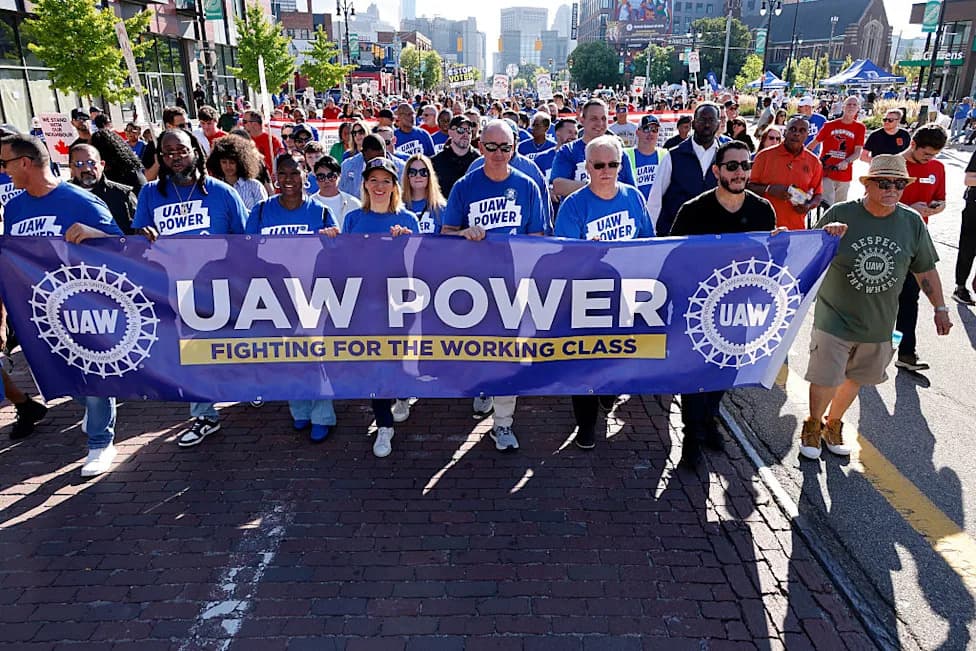
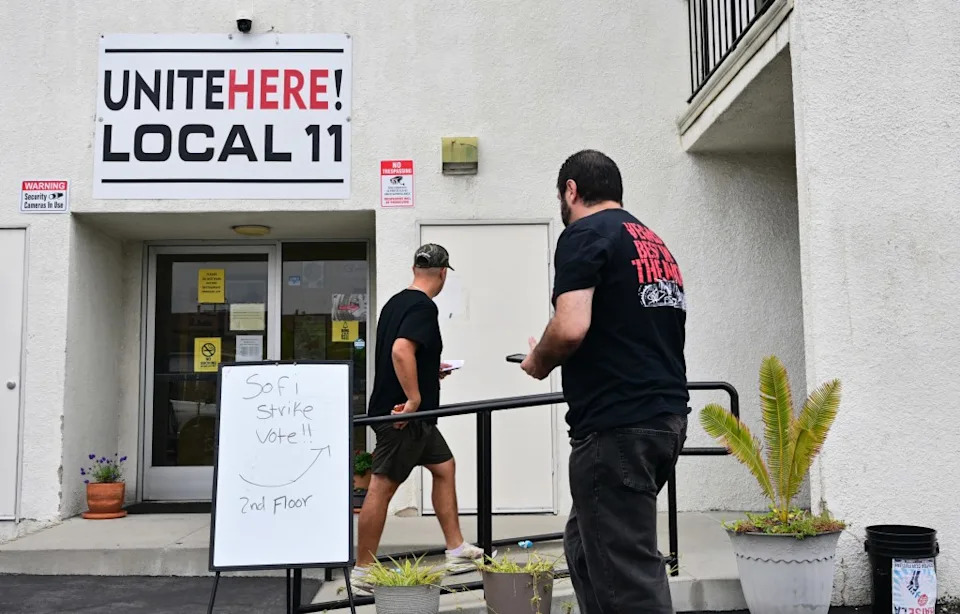
Unite Here Local 11 has sought language allowing workers to refuse or walk off the job if U.S. Immigration and Customs Enforcement (ICE) officers are operating at an event venue. Union leaders frame the demand as a protection for immigrant members and a response to on-site immigration actions. Critics say the proposal is unrelated to stadium labor contracts and could create operational chaos for large events.
AFP via Getty Images
Why This Matters
Large international events typically involve heightened law enforcement and security, including immigration authorities when warranted. Organizers argue that robust security is necessary to prevent criminal activity such as smuggling or other threats that could exploit major sporting events. At the same time, unions argue for worker protections and humane treatment of all employees.
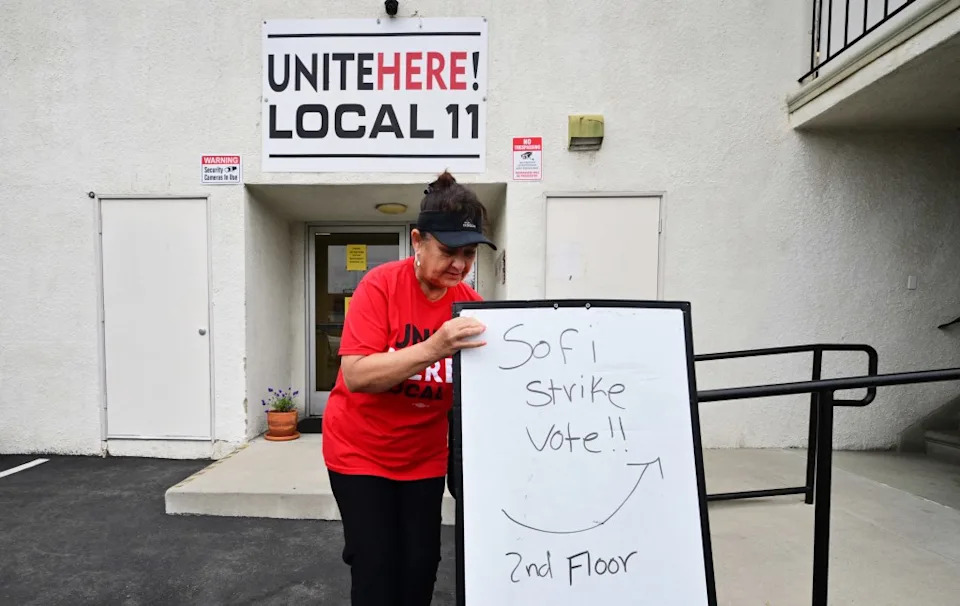
Yolanda Fierro, a suites runner at SoFi Stadium, moves a sign into position at union headquarters where stadium workers will vote on whether to authorize a strike amid a contract dispute, days before the 2026 FIFA World Cup begins in Inglewood, California, on June 4, 2026. Hundreds of workers at Los Angeles’ SoFi Stadium began voting on June 4 on a proposal to go on strike during the World Cup, which kicks off in a week, after negotiations over their safety and wage demands reached an impasse. The vote was taking place at the offices of the Unite Here Local 11 union in Inglewood (south of Los Angeles) and will continue until Friday night. (Photo by Frederic J. BROWN / AFP via Getty Images) AFP via Getty Images
Broader Labor Tension In Los Angeles
The dispute at SoFi is the latest flashpoint in a year of high-profile labor actions across Los Angeles. Hollywood production strikes pushed some filming out of the region; teacher and healthcare-related disputes have fueled public debate about service quality and fiscal policy. Opponents of some union-backed measures have blamed those actions for economic consequences, arguing that certain policies and political spending may have influenced business decisions.
Potential Consequences
Organizers warn that a strike could disrupt the U.S. home opener and damage Los Angeles’ reputation as a reliable host for major events, including the 2028 Summer Olympics. Local workers could suffer lost wages and long-term employment consequences if disruptions prompt organizers or investors to reconsider future projects.
Path Forward
City leaders, labor representatives and event organizers say negotiations should continue in good faith. Many stakeholders emphasize that protecting worker rights and ensuring public safety need not be mutually exclusive goals. A negotiated agreement that addresses legitimate worker concerns while preserving venue security and reliable event operations would best serve the city, fans and employees alike.
Bottom line: The stakes are high for Los Angeles. A measured compromise is the most productive route to ensure the World Cup kickoff — and the city’s broader economic future — are not put at unnecessary risk.
Help us improve.