The BBC Wales investigation exposes a growing, unregulated online market where some men sell or offer sperm outside licensed clinics, sometimes pressuring women into sex or sending samples in unsafe conditions — one sample bought for £100 arrived chilled with a carton of tomato passata and contained no live sperm. The HFEA warns that processing, storing or distributing gametes outside licensed facilities is illegal, and police and regulators caution that the practice can exploit vulnerable people. Recipients using informal donors face health risks and legal uncertainty over parental rights.
Unregulated Sperm Market Grows Online — Vulnerable Women Lured Into Risky, Illegal Arrangements

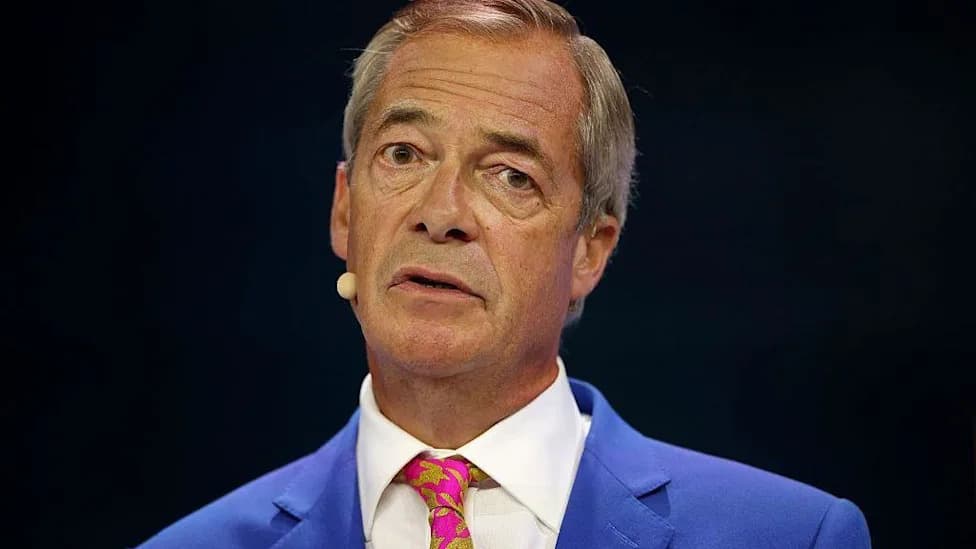
Women are at risk of "exploitation by predatory donors", the UK's fertility regulator warns [BBC]
Women who cannot access NHS-funded or affordable private fertility care are increasingly turning to social media and donor-matching sites — and some are being exploited by an expanding unregulated market for sperm donation. A BBC Wales investigation exposed how donors advertise on Facebook groups and specialist websites, sometimes offering samples for cash or pressuring recipients into sex rather than safe clinical procedures.
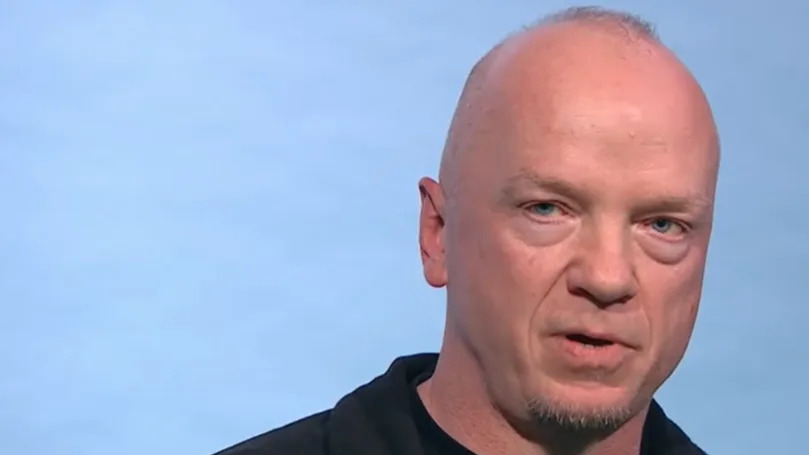
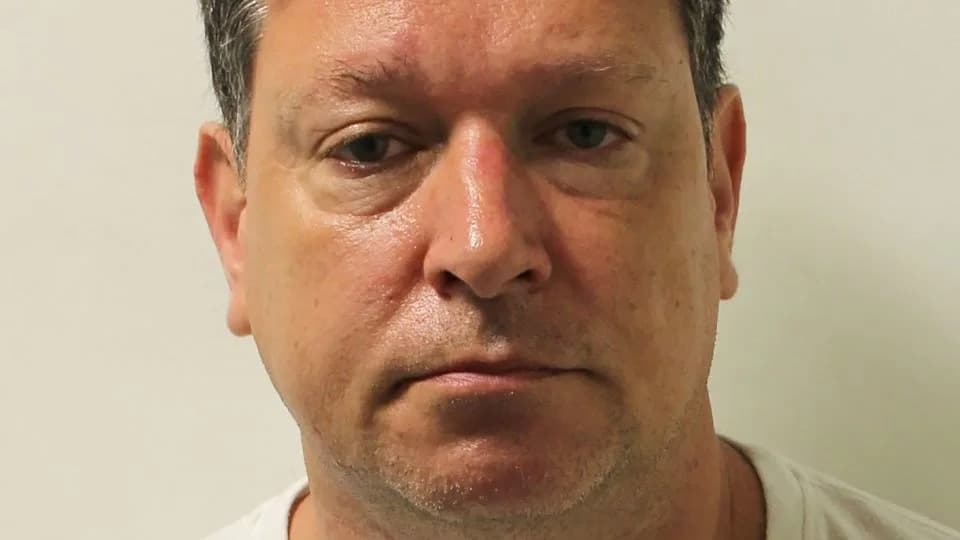
Joe Donor isn't shy about being a donor and has given lots of interviews about it, including with The Sun's Fabulous magazine [Fabulous]
How The Investigation Worked
The reporter arranged to buy a donated sample advertised online for £100. The sample arrived the next day chilled alongside a frozen carton of tomato passata used as an improvised ice pack. A licensed UK clinic tested the specimen about four hours after receipt and found no live sperm.
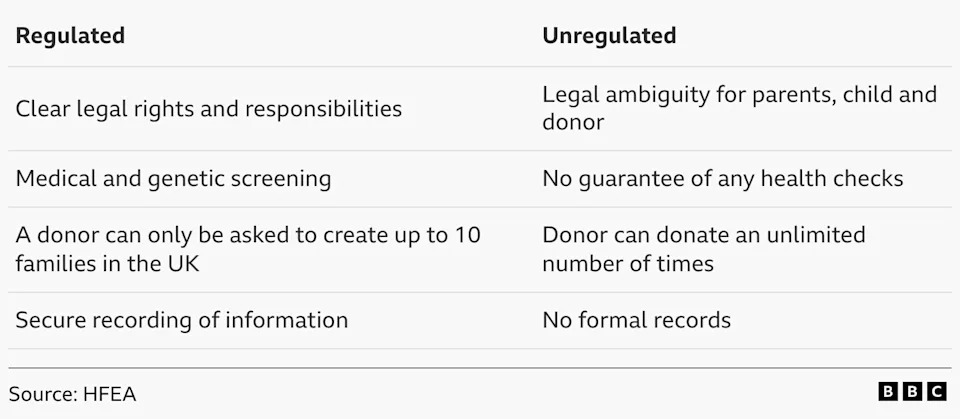
[BBC]
A Prolific Donor And Weak Safeguards
The donor involved — publicly named in court as Robert Albon and known online as “Joe Donor” — claims to have fathered around 180 children through a mix of sex and informal insemination. He accepted the transaction after only a few emails and a short phone call, requested no identity checks and produced no health screening records. After the clinic’s test, he questioned storage and transport and defended his delivery methods, saying they had produced successful pregnancies in the past.
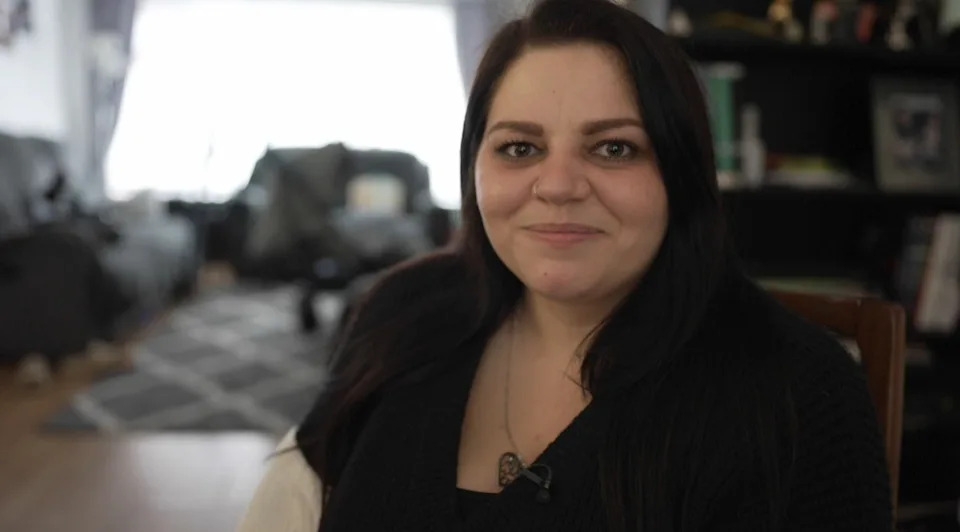
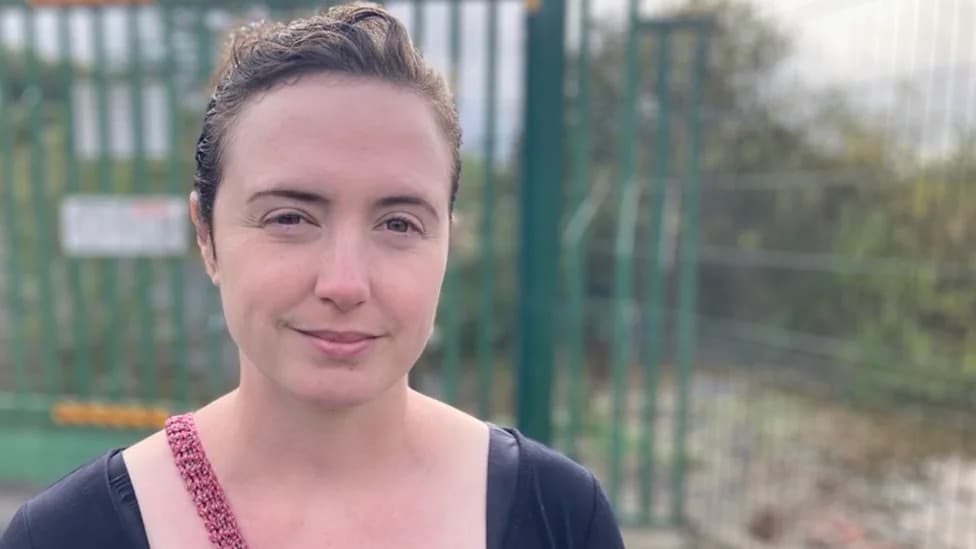
Tianna, from south Wales, says when you desperately want a baby, you're in "a really vulnerable position" [BBC]
How Donors Reach Recipients
Large Facebook groups and other online forums act as a hub for donors and recipients; some groups have tens of thousands of members. Using a blank profile, the reporter received a mix of responses: some appeared genuine, while many messages pressed for sex, requested intimate images, or set prices for samples. Several men promoted intercourse as the "cheapest and most effective" option, and at least one recipient reported later discovering her donor was a convicted sex offender.

Daniel Bayen says he's both the "highest paid donor" but also works on a "not for profit" basis [Daniel Bayen]
Different Models, Same Risks
Unregulated donation happens in many forms: donors offering sex for free, donors requesting recipients cover travel and accommodation for in-person insemination, and commercialised arrangements where donors seek significant payments. One donor featured in the BBC film, Daniel Bayen, a 25-year-old from the US, said he travelled to the UK in summer 2025 to donate and claimed the trip resulted in four children. He describes himself as an open donor and posts health information online, but he also advises donors to limit identifying details to reduce legal exposure.
Legal And Safety Warnings
The Human Fertilisation and Embryology Authority (HFEA) warns that processing, testing, storing or distributing gametes outside a licensed clinic is illegal under the Human Fertilisation and Embryology Act. While using an informal donor is not itself a criminal offence for recipients, many activities that make sperm available can breach the law. The HFEA has referred prolific unregulated donors to police and called the passata-chilled delivery “shocking.”
“Without a licence from the HFEA, you can't process sperm, you can't distribute sperm,” said Clare Ettinghausen, the HFEA's director of strategy and corporate affairs.
Platforms And Policing
Regulators and police have warned social media companies that donor groups facilitate illegal and unsafe practices. Meta (owner of Facebook) says it will review and remove groups or posts that breach its rules and works with authorities. The National Police Chiefs' Council advises the public to use regulated clinics and report concerns so police can investigate and support vulnerable people.
Real Choices, Real Consequences
Some recipients — like Tianna and her wife Nikki from south Wales — have used donor-matching or co-parenting sites successfully and say they took careful steps, such as having a written agreement about contact and parental expectations. However, those agreements are not legally binding, and donors could theoretically seek parental rights in future court proceedings, creating long-term legal uncertainty.
Practical Advice
- Seek fertility treatment through HFEA-licensed clinics whenever possible.
- Be cautious of private arrangements that lack medical screening, legal clarity or safety safeguards.
- If you suspect exploitation or illegal activity, report it to the police and relevant regulators.
The BBC documentary "Swipe Right for Sperm" presents this investigation in full and is available on BBC iPlayer.
Help us improve.