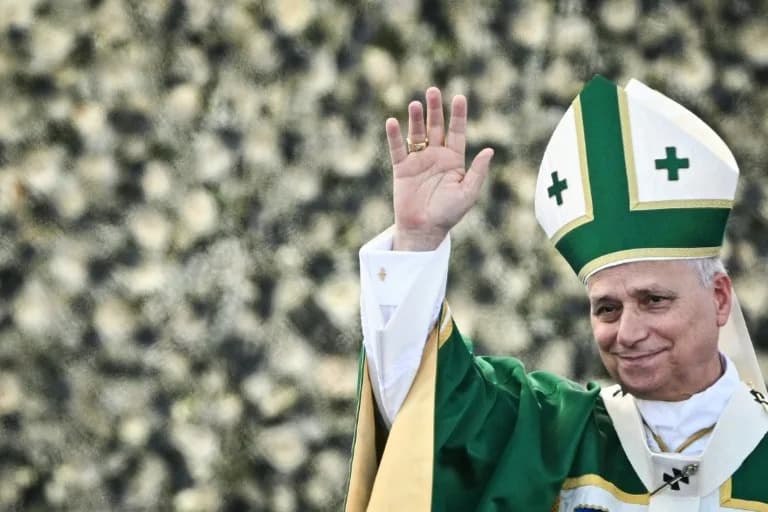
Pope Leo XIV opened his June 6–12 Spain trip in Madrid, urging peace amid global divisions and placing migrants and abuse survivors at the center of his priorities. He celebrated a large open-air Mass, will address both houses of Spain’s parliament, and plans visits to the Canary Islands and Catalonia. The pope also engaged youth — even amid a Bad Bunny concert — and called for silence, spiritual discernment, and translating faith into concrete solidarity.
Pope Leo XIV’s Spain Visit: Calls for Peace, Focus on Migrants and a Cultural Moment with Bad Bunny
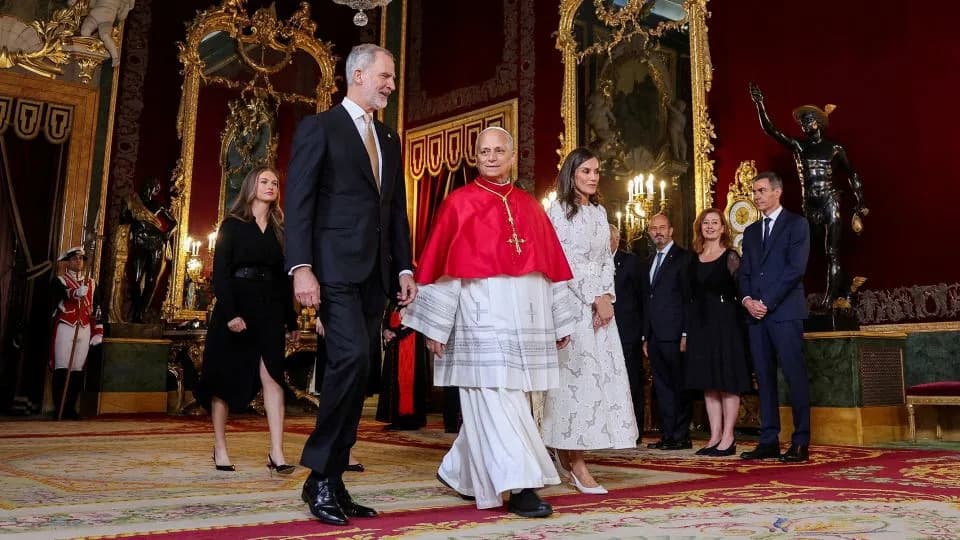
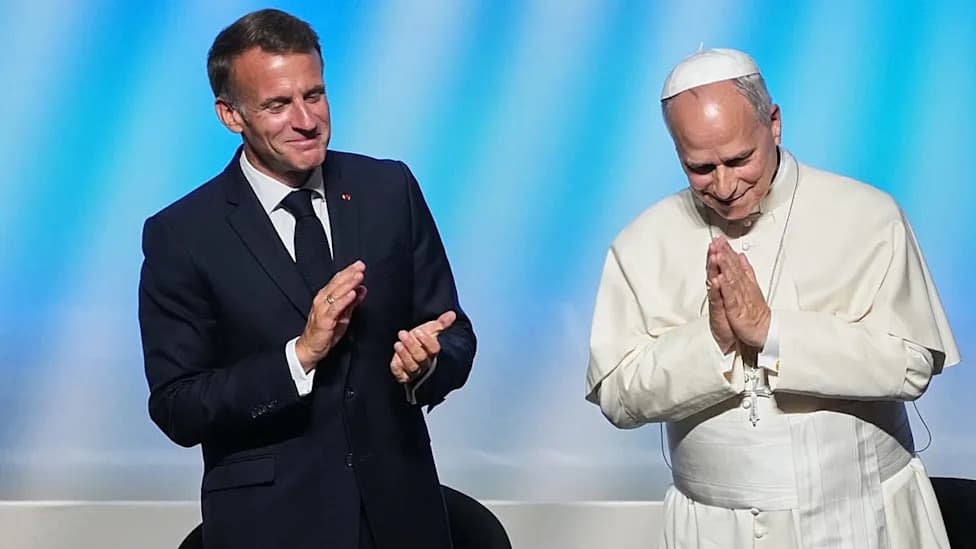
Pope Leo XIV alongside Spain's King Felipe VI, Queen Letizia, and their daughters, along with Prime Minister Pedro Sánchez, in Madrid, Spain, on Saturday. - Yara Nardi/Reuters
Pope Leo XIV arrived in Spain on June 6 for the first major European trip of his pontificate, delivering a message of peace and unity amid growing global tensions. Speaking at the Royal Palace in Madrid before King Felipe VI, the pope warned that “our age, seemingly shaken by terrible imbalances and conflicts, cries out from its depths for peace.” He acknowledged that calls for peace can appear “naïve” to some and “confrontational” to others, but said they are embraced by those open to truth rather than locked into preconceived ideologies.
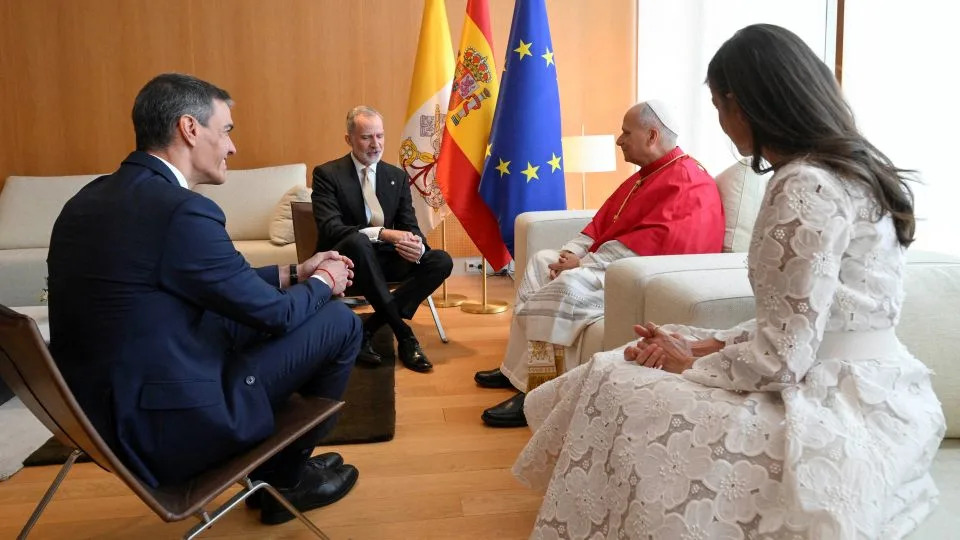
Spain's King Felipe, Queen Letizia and Spanish Prime Minister Pedro Sánchez meet with Pope Leo on Saturday. - Simone Risoluti/Vatican Media/Reuters
Itinerary and Priorities
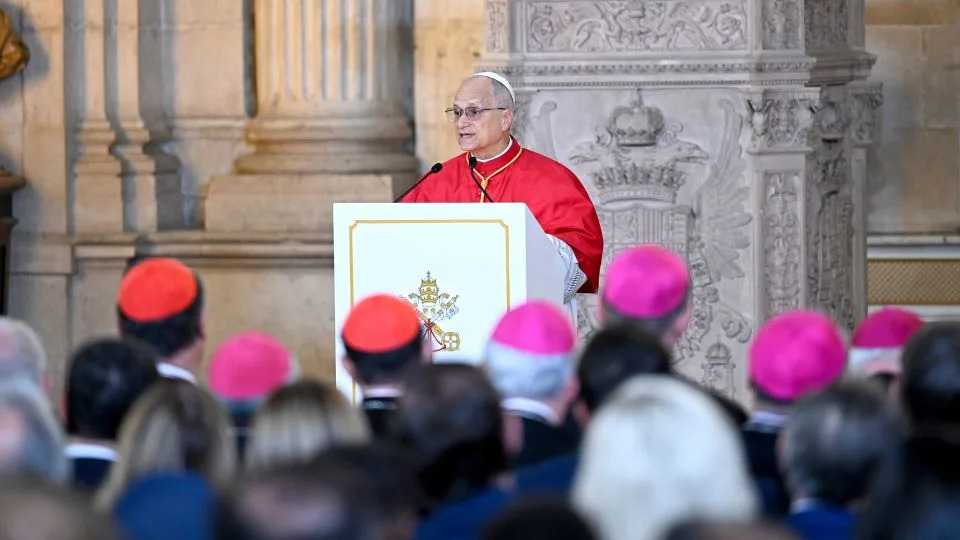
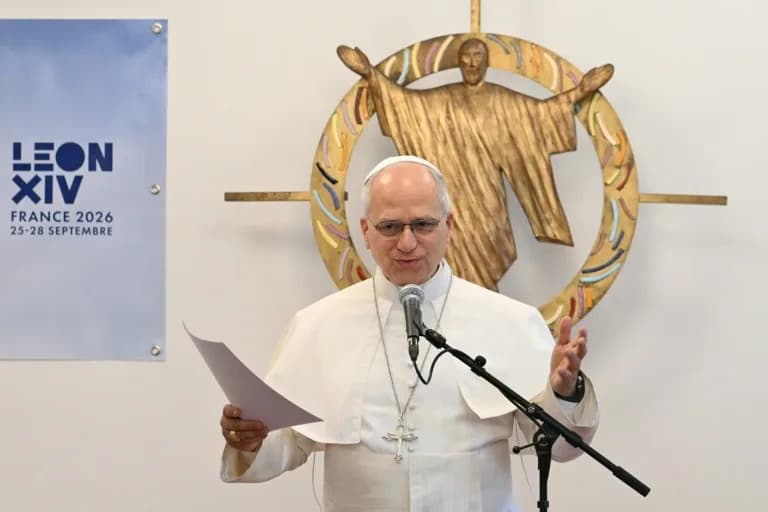
Pope Leo delivers a speech during his welcoming ceremony at the Royal Palace in Madrid. - Alberto Ortega/Europa Press/AP
Madrid is the first stop on Leo’s June 6–12 itinerary. During the visit he will meet King Felipe VI and Queen Letizia, address both houses of the Spanish parliament, meet survivors of clerical sexual abuse, and highlight the plight of migrants. The trip also includes visits to the Canary Islands — Gran Canaria and Tenerife — where the pope will meet migrants and groups working on integration and commemorate those who have died attempting the perilous sea crossing to Europe. He will later travel to Catalonia to visit Barcelona’s Sagrada Família and Montserrat.
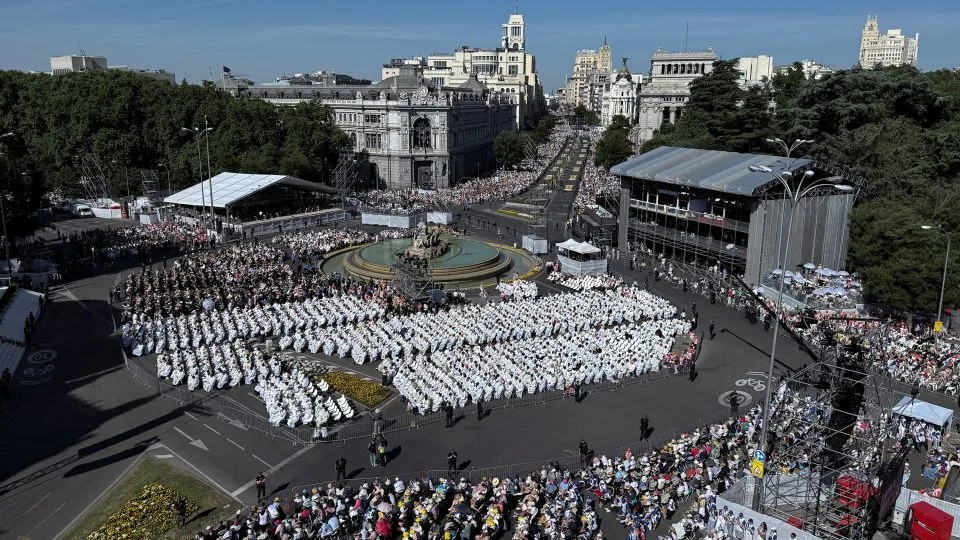
Huge crowds gather for a Holy Mass celebrated by Pope Leo XIV at Plaza de Cibeles in Madrid, Spain, June 7, 2026. - Mohammed Salem/Reuters
Mass, Youth and Culture
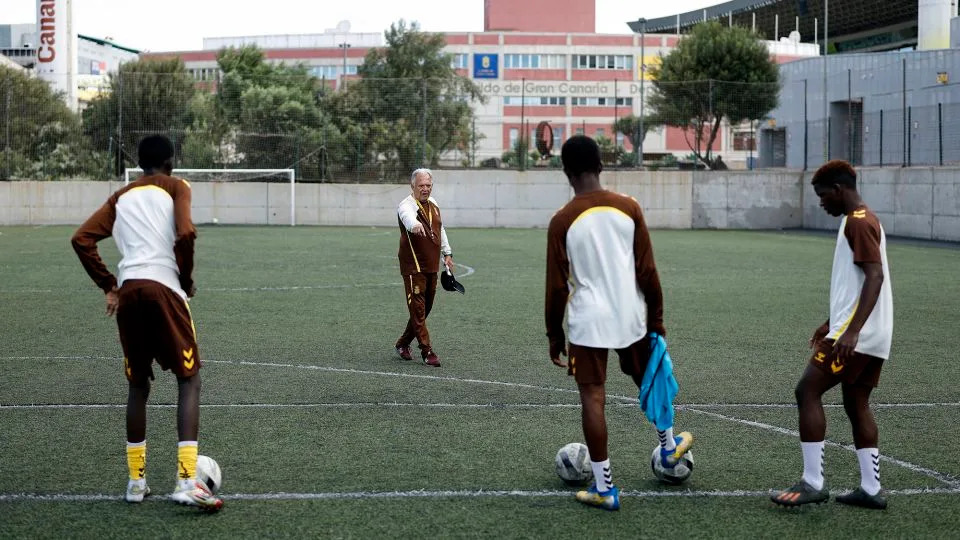
A coach with the UD Las Palmas soccer club leads a training session with the UP2U Association football team, focused on the integration of unaccompanied minors, in Gran Canaria on May 7. - Oscar del Pozo/AFP/Getty Images
Local authorities estimated about 1.2 million people gathered to see Leo celebrate an open-air Corpus Christi Mass in Madrid, underscoring Spain’s enduring Catholic traditions despite broad secularization. Speaking to CNN on the flight to Madrid, the pope said he has seen renewed interest in faith among some young people who grew up without a spiritual dimension and now sense a void they hope religion can fill.
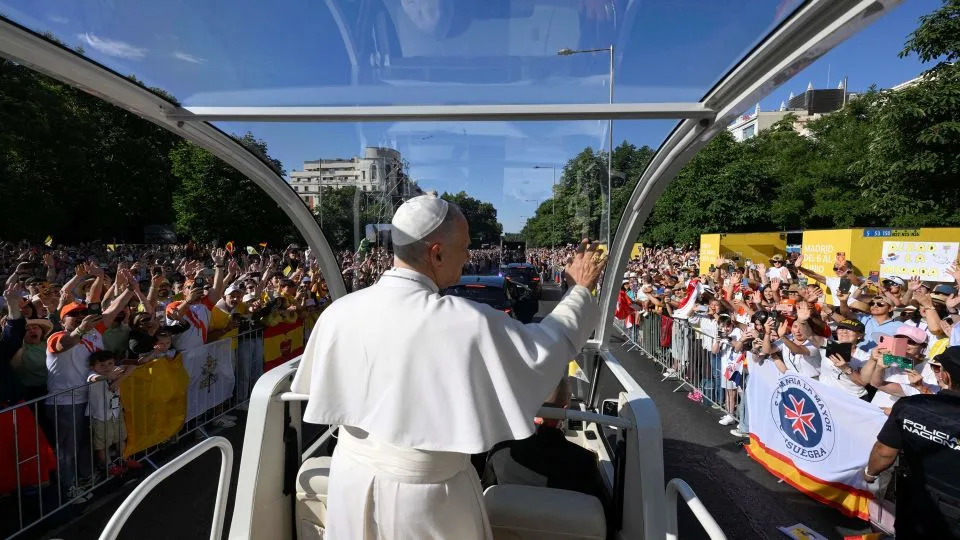
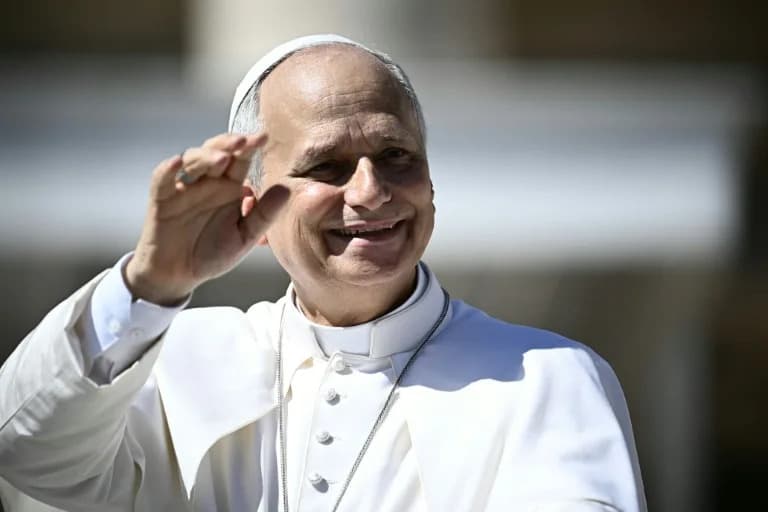
Pope Leo XIV waves to crowds from the popemobile during his apostolic journey in Madrid, Spain, June 7, 2026. - Simone Risoluti /Vatican Media/Handout/Reuters
“If they are confronted with the question: do they want to see Bad Bunny or do they want to see the pope, I think many will go to see Bad Bunny. But I think there will also be a few there to see the pope. And that too says something,” he said.
The pope’s visit coincided with a Bad Bunny concert in the city, a cultural overlap that sparked lighthearted comments but also underscored the church’s effort to engage with younger generations. At a youth prayer vigil, Leo urged young people to cultivate silence amid constant digital distraction: “Very often we go around with headphones on, with music playing, with distractions — but we do not know how to be in silence. And I believe that very often it is precisely in this experience of silence that God can speak to us.”
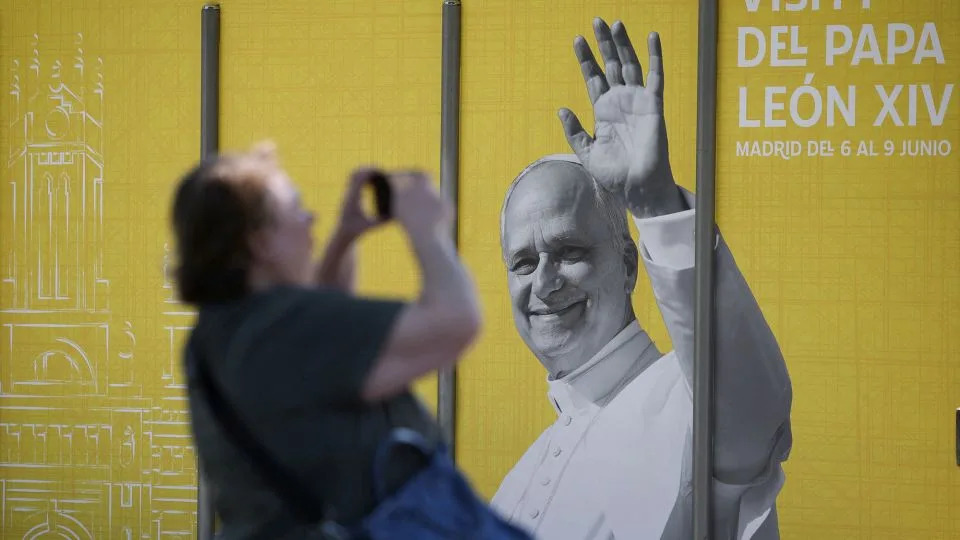
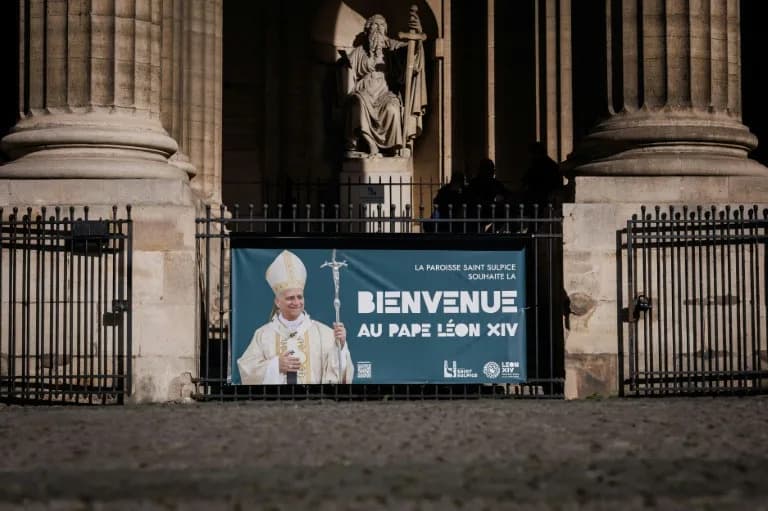
A woman takes a picture of a poster of Pope Leo XIV ahead of the pontiff's visit in Madrid, Spain, on May 28. - Kacper Pempel/Reuters
Faith and Action
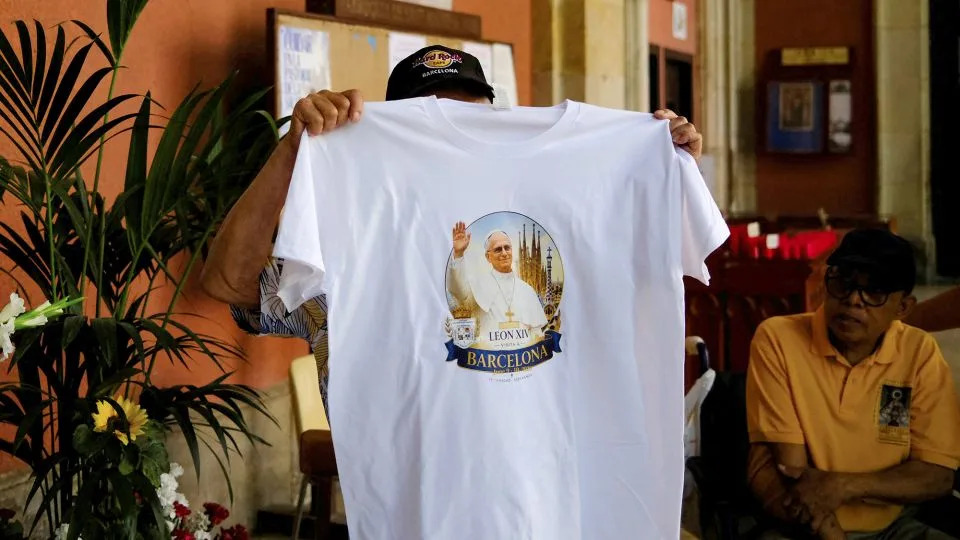
A T-shirt with an image of Pope Leo XIV is held up before a Mass at Saint Augustine Church, also known as the "Church of the Migrants," on May 31. - Nacho Doce/Reuters
In his Corpus Christi homily, the pope emphasized that faith must move beyond ritual into daily living. He described the Eucharist as a sign of a God who is present among people and not confined to church walls: “Christ is not confined to the church, but comes out to meet us… travels the streets, crosses the squares and visits our neighborhoods.” The homily called for translating belief into compassion, solidarity and concrete acts of service.
Politics, Migration and Church Accountability
Leo’s visit occurs against a backdrop of intense political polarization in Spain. He will be the first pope to address both chambers of the Spanish parliament, navigating sensitive tensions between the government and parts of the Church over issues such as abortion, LGBTQ+ rights and public memorials to figures from Spain’s past. Prime Minister Pedro Sánchez — who invited the pope and has defended his stance on international conflicts — aligns with Leo on migration and opposition to war, but Sánchez’s government has faced corruption allegations and political strain.
The pope has made migration a central theme of his papacy. His first major theological document described welcoming migrants and refugees as a “litmus test” for social justice, and he has condemned inhuman treatment of immigrants. Vatican spokesman Matteo Bruni said the pope wants to address migration “at a human level.”
Leo has also emphasized that the Church must confront its own abuses to remain a credible moral voice. The Vatican confirmed he will meet victims of clerical abuse during the visit. Spain was shaken by a 2023 independent commission that reported more than 400,000 people experienced abuse by clergy or lay staff in church institutions over decades — a reality the pope has called “an open wound.”
Public Reception and Legacy
The visit reinforces the pope’s priorities — peace, migration, care for the vulnerable, and institutional accountability — while testing his ability to engage with polarized politics and connect with younger audiences. Fluent in Spanish, Leo has sought to speak directly on delicate issues, appealing for unity while urging concrete acts of compassion.
CNN’s Antonia Mortensen contributed to this reporting.
Help us improve.