The Netflix documentary Maternal Instinct brings renewed attention to Taylor Parker, convicted in 2022 for the 2020 killing of her pregnant friend, Reagan Simmons-Hancock, and the removal of the unborn child, Braxlynn. Parker was sentenced to death after a jury found the crime premeditated; appeals arguing the infant was stillborn and that media coverage tainted the trial have failed. The case highlights rare fetal abductions, contested mental-health mitigation (defense experts pointed to "frontal lobe" dysfunction), and the role of Texas law in treating a fetus as an "individual" for capital charges.
Netflix Reexamines Grisly Texas Case: Taylor Parker, Fetal Abduction And A Death Sentence

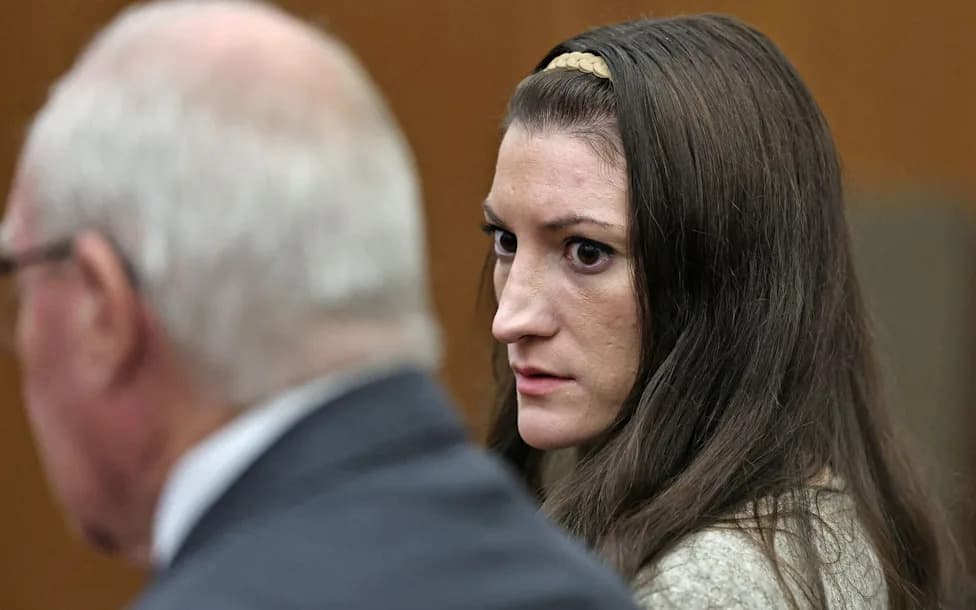
Taylor Parker, who was convicted of capital murder in 2022.Photograph: Texas department of criminal justice
The case of Taylor Parker — convicted in 2022 for the 2020 killing of her pregnant friend Reagan Simmons-Hancock and the removal of the unborn child, Braxlynn — has returned to national attention with the Netflix documentary Maternal Instinct. The episode is notable both for its brutality and for the legal and ethical questions it raises about fetal-status law, mental-health mitigation and fairness at trial.
Case Background
Prosecutors say the attack occurred on 9 October 2020. Parker, then 29, allegedly drove to Simmons-Hancock’s home, stabbed the pregnant woman about 100 times and used a scalpel to remove the fetus. Simmons-Hancock’s three-year-old daughter was found unharmed. Parker was stopped shortly afterward by a state trooper; officers found her covered in dried blood and holding the infant with the umbilical cord still attached. Medical staff later found no evidence Parker had recently given birth.
Charges, Trial And Sentence
In October 2022 a jury convicted Parker of capital murder. Prosecutors argued the offense was premeditated and that Parker had spent months preparing to present another woman’s child as her own. A month after her conviction, a court sentenced Parker to death. She is one of seven women on Texas’s death row, according to the Texas Department of Criminal Justice.
Defense Case And Mental-Health Evidence
At trial the defense did not contest that Parker committed the act; instead, lawyers focused on avoiding the death penalty. A defense neurologist described Parker as having what he characterized as "frontal lobe syndrome," a condition involving cognitive, emotional and behavioral disturbances, and urged that these factors mitigate punishment.
"This offense was so violent, upsetting and unusual that it blinded people to the technical and legal arguments," said one of Parker’s appellate attorneys, arguing the trial’s emotional force affected fairness.
Key Legal Questions And Appeals
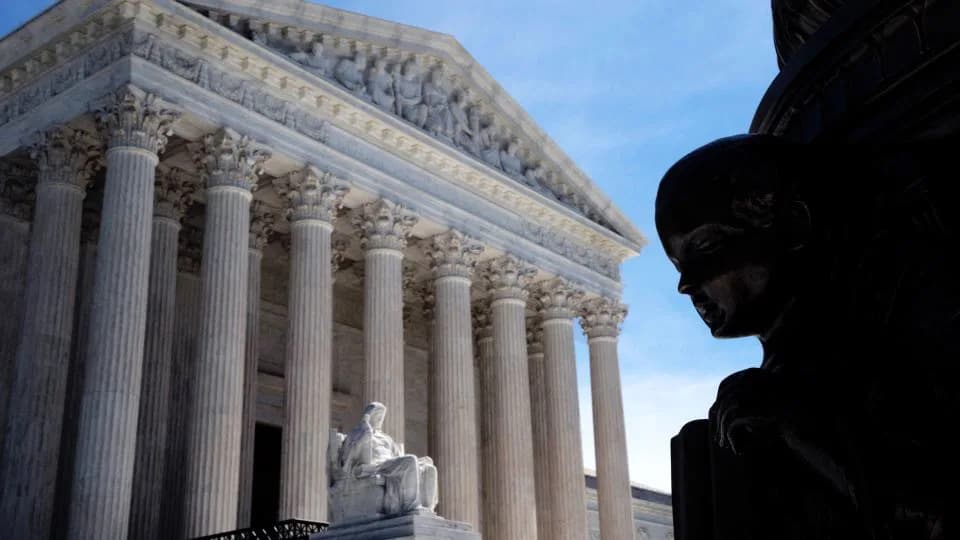
A central point on appeal was whether the infant was born alive when removed. Parker’s lawyers argued that if the baby was not alive, the kidnapping aggravator could not apply because kidnapping requires a living victim. Texas law, however, treats a fetus as an "individual" at any stage of gestation, a legal framework that enabled prosecutors to seek capital punishment. The Texas Court of Criminal Appeals affirmed the conviction and sentence; the U.S. Supreme Court later declined to review the case.
Context And Comparisons
Fetal abductions of this kind are extremely rare: researchers identified roughly 15 cases of maternal evisceration in the United States between 1987 and 2011, and about 100 worldwide. The case invites comparison to the 2004 killing of Bobbie Jo Stinnett, for which Lisa Montgomery was later convicted and executed; that case similarly raised questions about childhood trauma and severe mental illness as mitigating factors.
Public Reaction And The Documentary
The Netflix documentary has renewed scrutiny of the facts and the legal issues, prompting debate about how media coverage and local sentiment influence capital cases. Defense attorneys contend that intense publicity in Bowie County and social-media commentary compromised Parker’s right to a fair penalty-phase proceeding, and that a change of venue should have been granted.
Whatever viewers make of the documentary, the Parker case forces difficult questions about culpability, punishment and the bounds of empathy in response to an exceptionally violent crime. The state has not set an execution date.
Help us improve.