AI tools are becoming common across Hawaiʻi classrooms, prompting a patchwork of responses: some schools teach AI literacy and build AI-first programs, while others limit devices to curb misuse. Educators are moving from bans toward instruction in critical and ethical use, but they face challenges such as unreliable AI-detection tools and uneven teacher readiness. The debate centers on equipping students to use and build AI responsibly without sacrificing authentic learning.
AI Is Reshaping Hawaiʻi Classrooms — Are Schools Ready?
Artificial intelligence is rapidly reshaping education across Hawaiʻi, producing a mix of experimentation, adaptation and caution. From the state’s first AI-focused charter school to preschool teachers testing ChatGPT as a transcription tool, responses vary widely as educators balance opportunity and risk.
Different Approaches, Same Challenge
Some schools have embraced AI as a teaching and career-preparation tool. Others are tightening policies to limit device use and curb dishonest AI-assisted work. Many are somewhere in between: piloting platforms, training staff and testing classroom strategies while asking what responsible AI use should look like in practice.
Punahou, Public Schools And The DOE
At Punahou School, leaders shifted from trying to prevent AI-assisted cheating to teaching students how to use AI critically and responsibly. Michael Latham, Punahou’s president, explained that the school wants students to be thoughtful users who understand potential pitfalls.
'We wanted our students to become really thoughtful and critical users — to be able to understand these tools, but do so really with eyes wide open, aware of what some of the challenges would be.' — Michael Latham
Statewide, the Hawaiʻi Department of Education is piloting platforms such as MagicSchool, which offers customizable AI features like image generators and chatbots teachers can embed into lessons. Winston Sakurai, director of educational administrative services, noted that adoption varies and emphasized the need to support teachers so implementation does not lead to burnout.
Teachers Confront Uncertainty
Many teachers are wrestling with whether to ban AI, limit it, or teach students how to use it. Cynthia Reves, an AP English teacher at McKinley High School, has restricted laptops and phones in class and moved many writing exercises to in-class, handwritten work because AI makes it harder to verify authorship. She also provides structured opportunities for students to compare their work with AI outputs so they can evaluate responses critically.
'It feels like this huge tension. I feel like I’m walking backwards, and yet there’s this AI thing that’s pulling forward.' — Cynthia Reves
Early-Childhood And Creative Classrooms
Preschool teacher Leslie Gleim at Mid-Pacific Institute uses ChatGPT to transcribe and summarize five-year-old discussions after a visit to Hoʻomaluhia Botanical Garden. She treats the tool as a time-saver and a prompt for student reflection, deliberately pointing out AI mistakes so children learn that the tool is not infallible.
Meanwhile, some students resist AI in creative work. Adriana Hunt, an 18-year-old artist and recent graduate of Hawaiʻi Technology Academy, used ChatGPT for social-media strategy but refuses to let AI create her actual art because she values the personal, creative process.
Students Adapting — And Reimagining Careers
Many older students are pivoting career plans and building AI tools of their own. Kingston Collman, another Hawaiʻi Technology Academy graduate, built an AI assistant to speed social-media production, generating scripts and shot lists in minutes. He sees AI as a productivity tool but worries about low-quality AI-generated content blurring the line between authentic and fabricated work.
AI-Focused Schools And Hands-On Learning
Kūlia Academy, which opened in 2024 as Hawaiʻi’s first AI-focused middle and high school, emphasizes data science, coding and model understanding. Students there analyze real datasets, train classifiers — for example, distinguishing venomous from non-venomous snakes — and use AI tools under teacher guidance so they learn both how to use and how to build AI systems.
Classroom Experiments That Teach Critical Thinking
Teachers are also designing interactive lessons that make students think strategically about AI. At Waiākea Intermediate School, Tyler Kojima tasked sixth graders to defend historical inventions to a skeptical chatbot in eight messages or fewer — an exercise that forced clarity, brevity and evidence-based reasoning.
What Educators Need
The experience across Hawaiʻi highlights several priorities: practical teacher training, realistic implementation timelines, reliable methods for assessing student work, clear policies that distinguish acceptable and unacceptable AI use, and curricula that teach both AI literacy and ethics. Schools are experimenting to find that balance — preparing students for a future where AI is ubiquitous while protecting the integrity of learning.
Reporting Note: Civil Beat’s education coverage received support from Chamberlin Family Philanthropy.
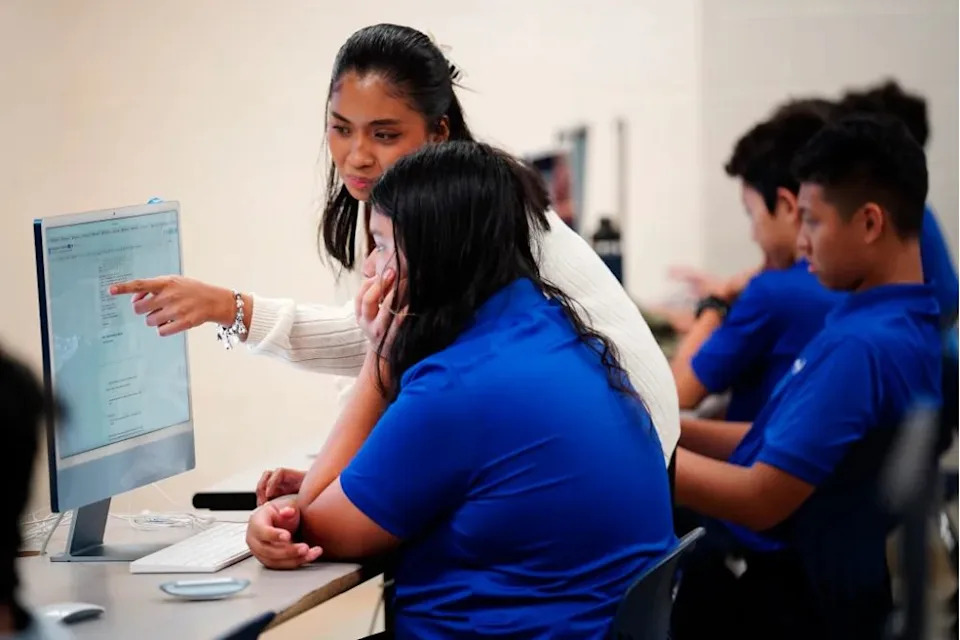
Students at Kūlia Academy in Kalihi learn how to write code starting in middle school with the goal of preparing them to pursue careers in fields like cybersecurity or AI engineering. (Photo courtesy of Kevin Fujii for Civil Beat)
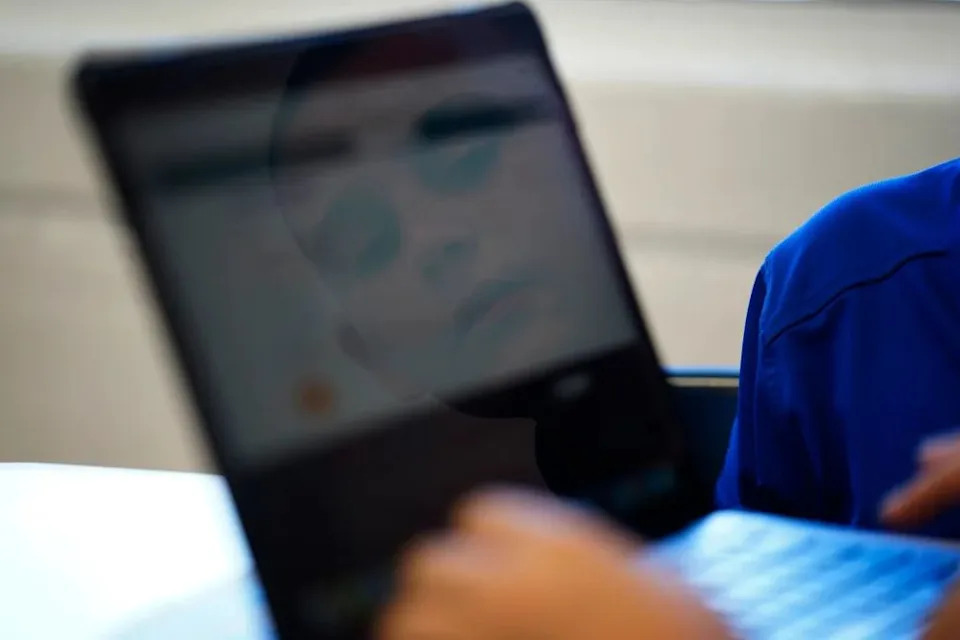
Some students have already seen AI affect their career prospects in fields like computer science or game development. (Photo courtesy of Kevin Fujii for Civil Beat)
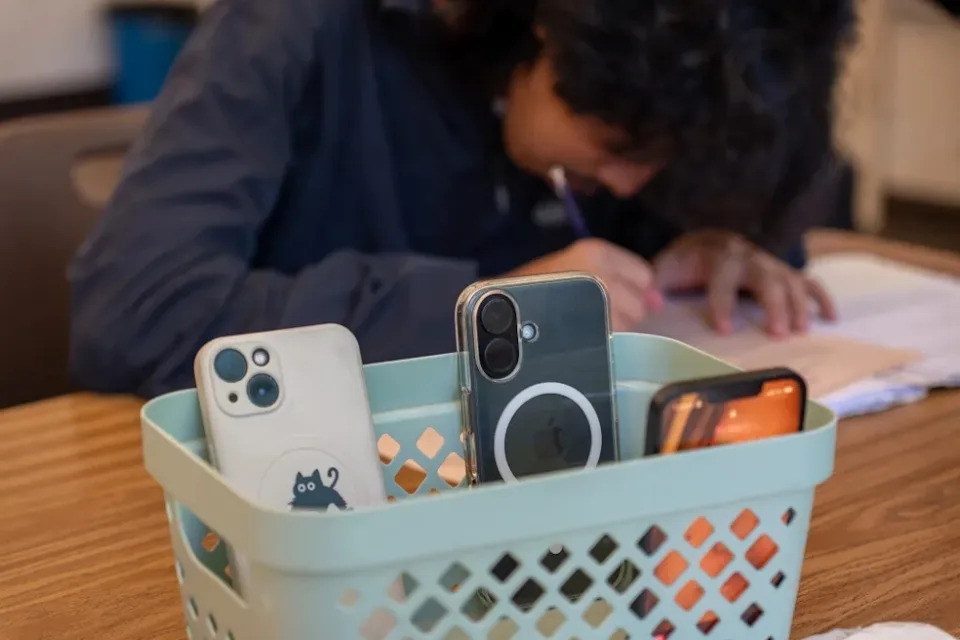
Some teachers have shifted away from technology in recent years to ensure students are completing the coursework by themselves. (Photo courtesy of Craig Fujii for Civil Beat)
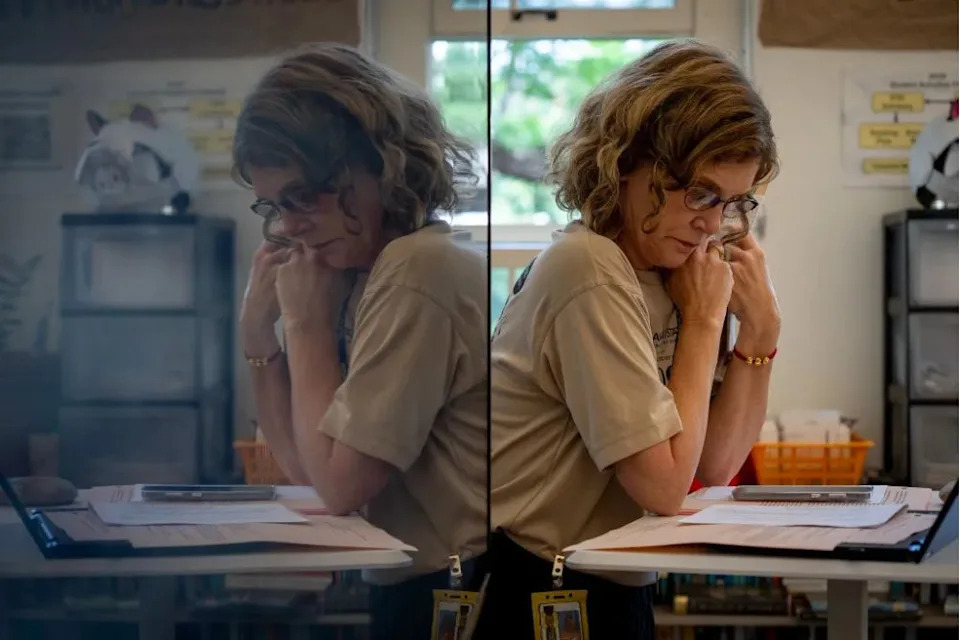
Amid the push for more AI in schools, Cynthia Reves said she’s worried about all of the unknown consequences of students using the new technology. (Photo courtesy of Craig Fujii for Civil Beat)
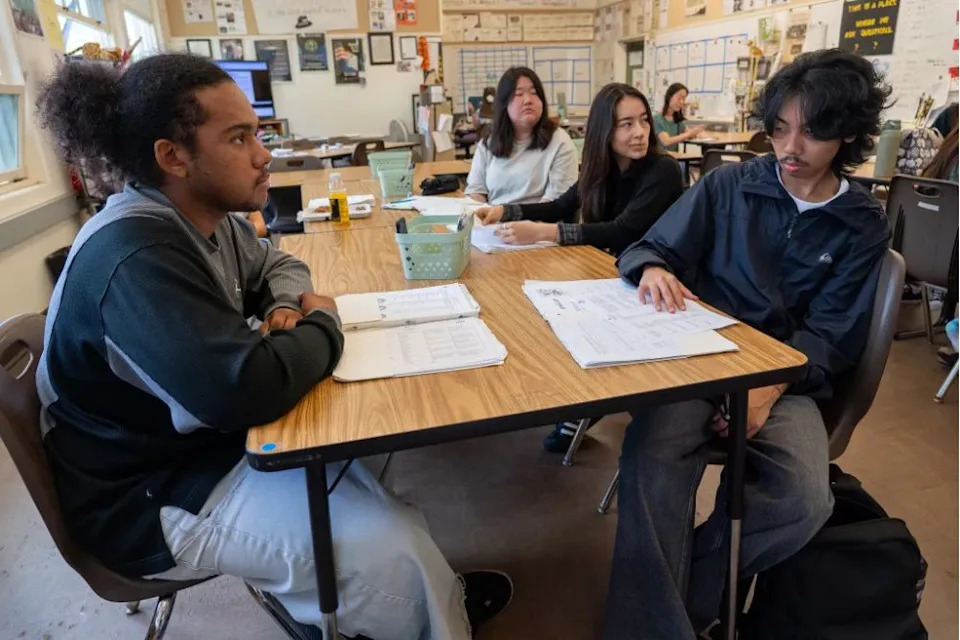
In a recent English class at McKinley, students put away their phones during class and completed their assignments using paper handouts. (Photo courtesy of Craig Fujii for Civil Beat)
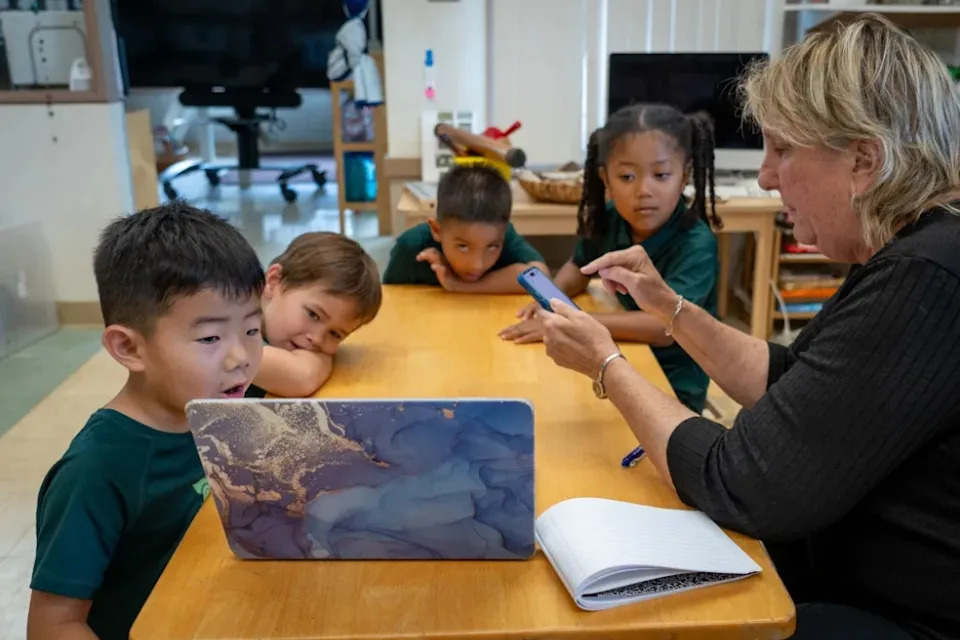
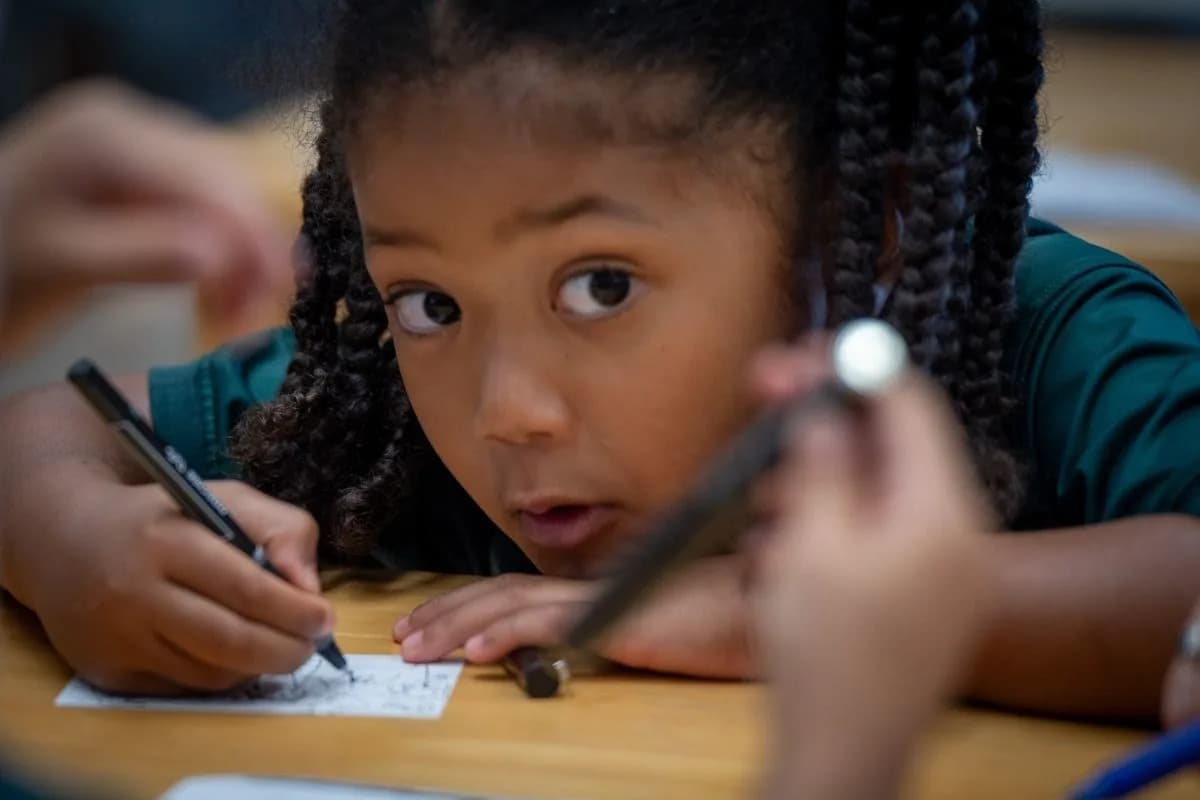
Preschoolers at Mid-Pacific Institute excitedly contribute to a class discussion as ChatGPT transcribes their conversation. (Photo courtesy of Craig Fujii for Civil Beat)
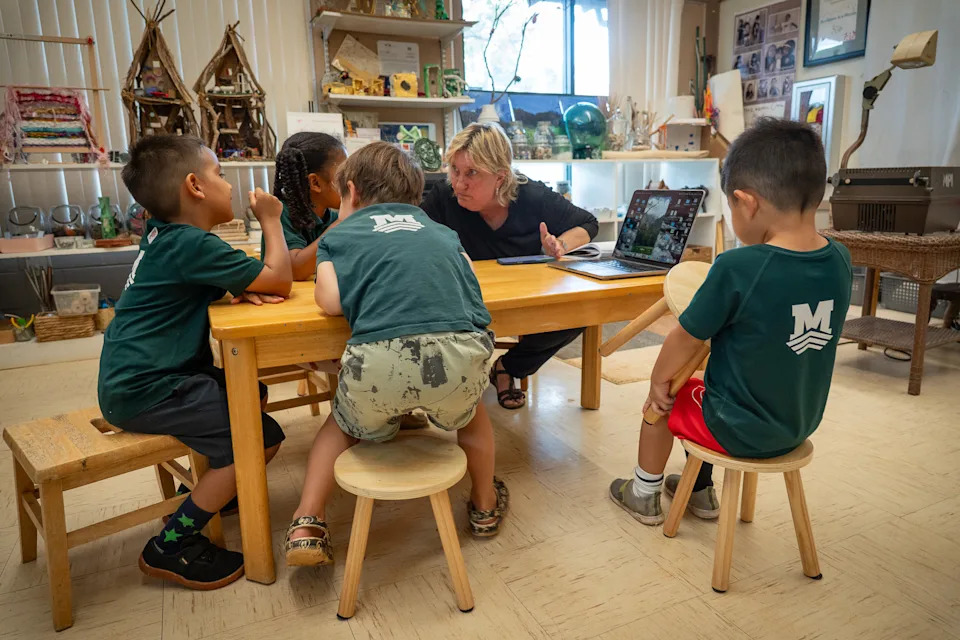
Teacher Leslie Gleim said ChatGPT helps her synthesize students’ observations and her own research throughout the year. (Photo courtesy of Craig Fujii for Civil Beat)
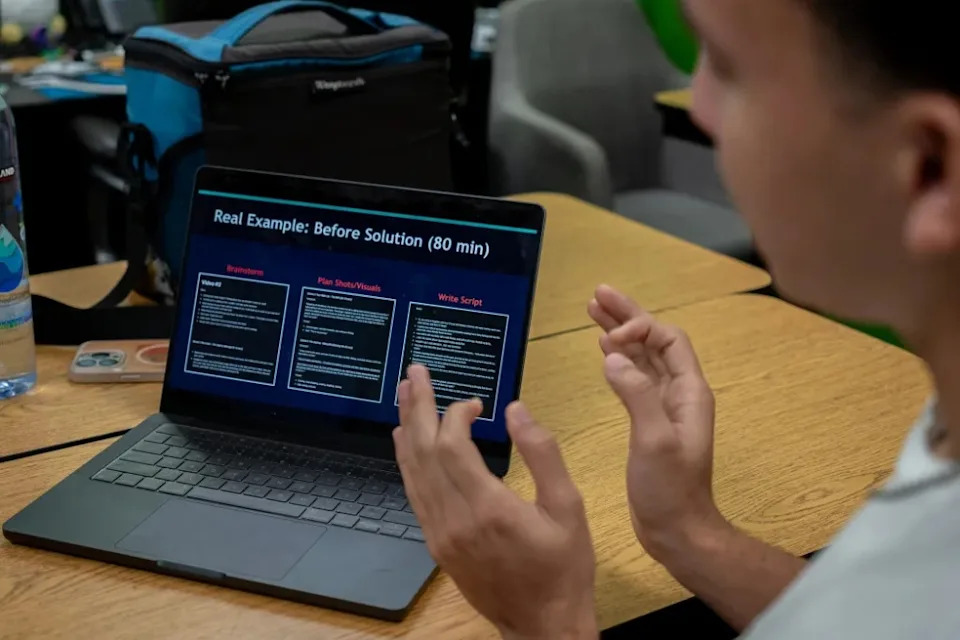
Kingston Collman developed an AI-driven dashboard to help with social media content. He also used AI tools to help him write the code for the project. (Photo courtesy of Craig Fujii for Civil Beat)
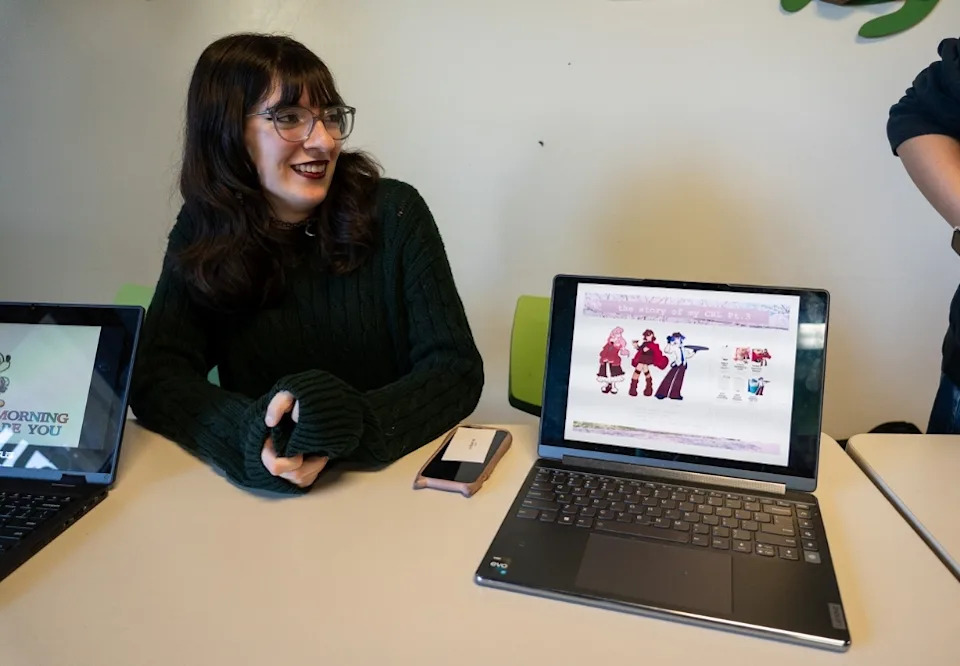
Adriana Hunt said she’s worried that AI may reduce people’s critical thinking skills and create unreasonable standards for art. (Craig Fujii for Civil Beat)
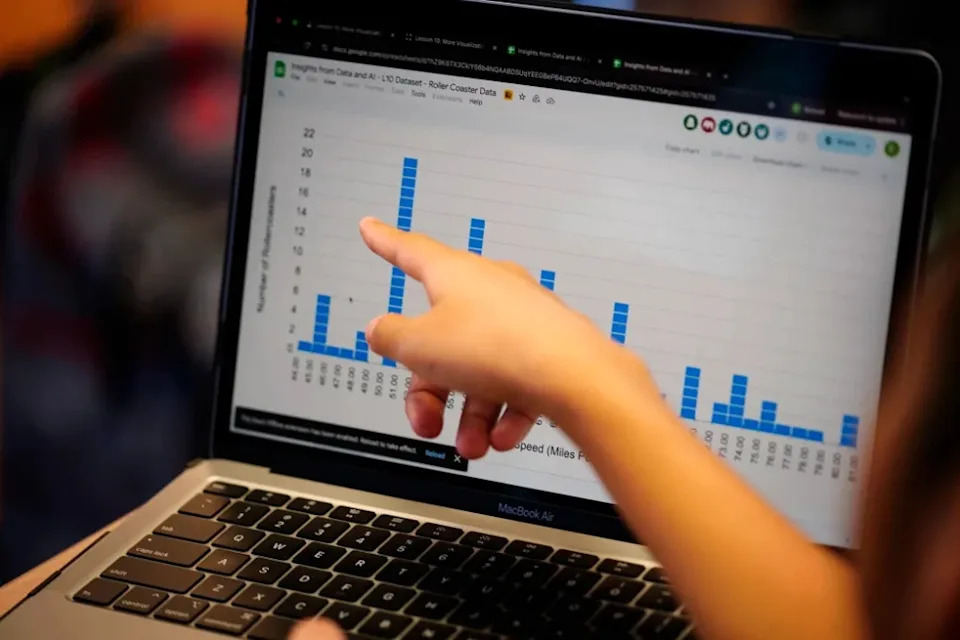
Kūlia Academy puts a heavy emphasis on data analysis and coding to help students understand how AI works and how they can develop new technology themselves. (Photo courtesy of Kevin Fujii for Civil Beat)
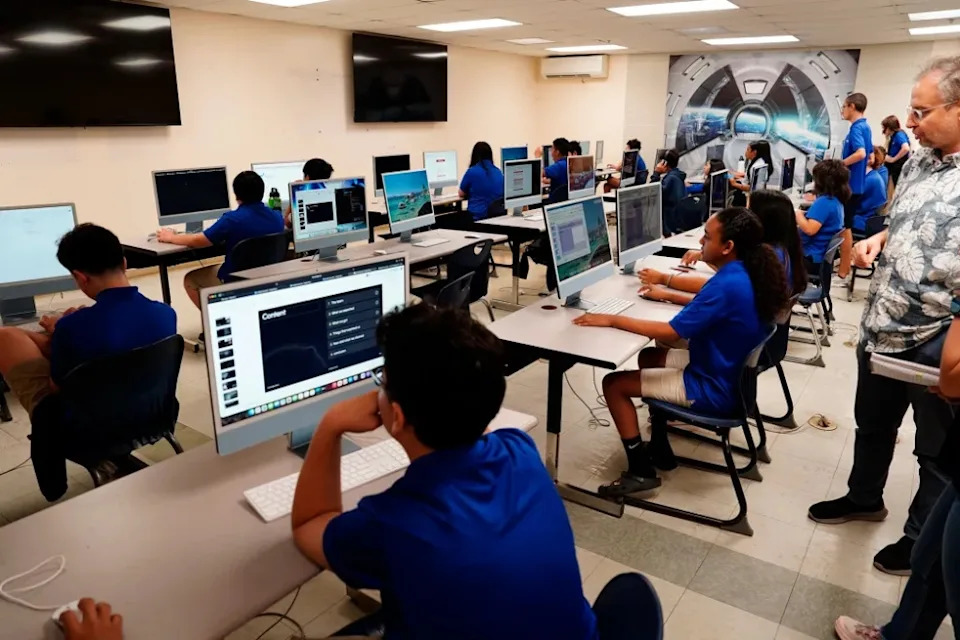
Seventh graders at Kūlia Academy work on writing code in Python in a recent class. (Kevin Fujii for Civil Beat)
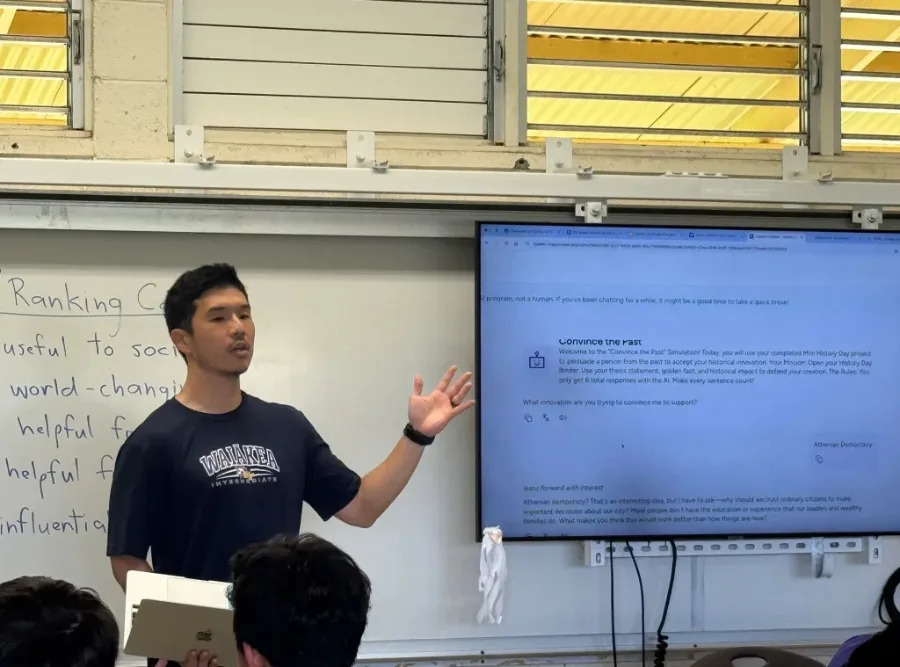
Sixth grade teacher Tyler Kojima occasionally incorporates tools like AI chatbots into his world history classes. Kojima uses MagicSchool, an AI platform piloted by the education department. (Photo courtesy of Megan Tagami for Civil Beat)
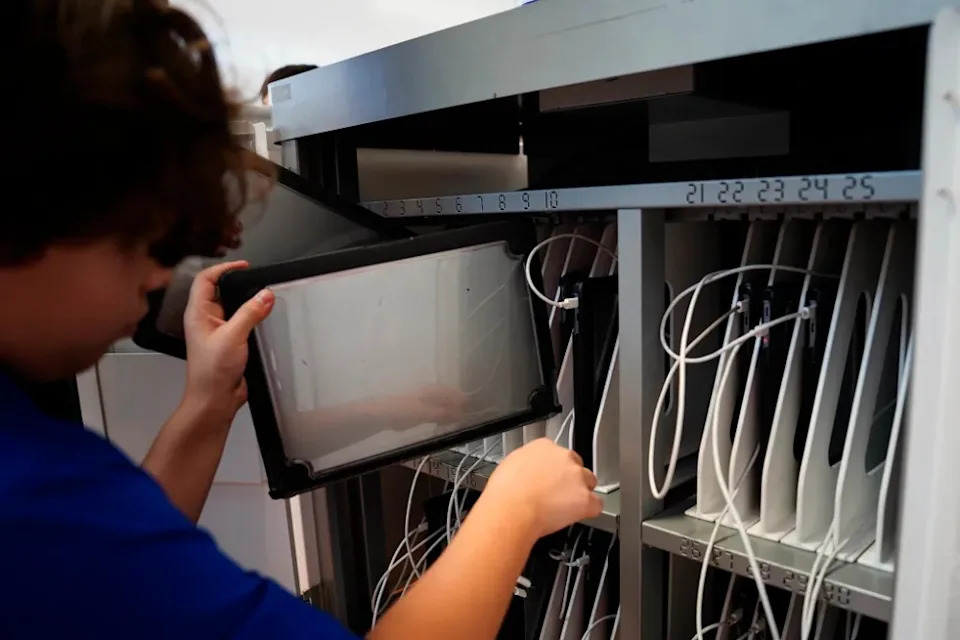
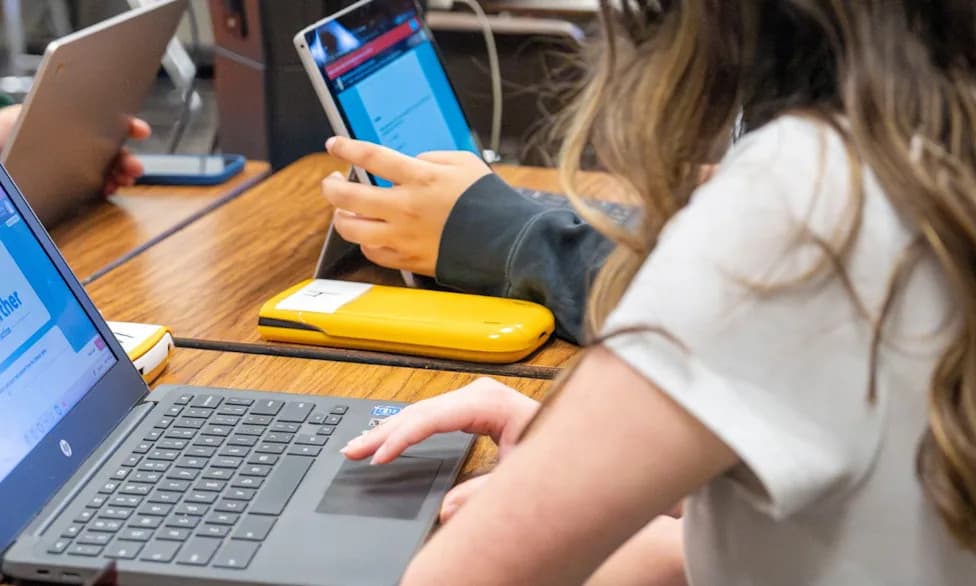
Teachers say students have varying levels of comfort with AI, although older students are more likely to use the technology in their personal lives. (Photo courtesy of Kevin Fujii for Civil Beat)
Help us improve.