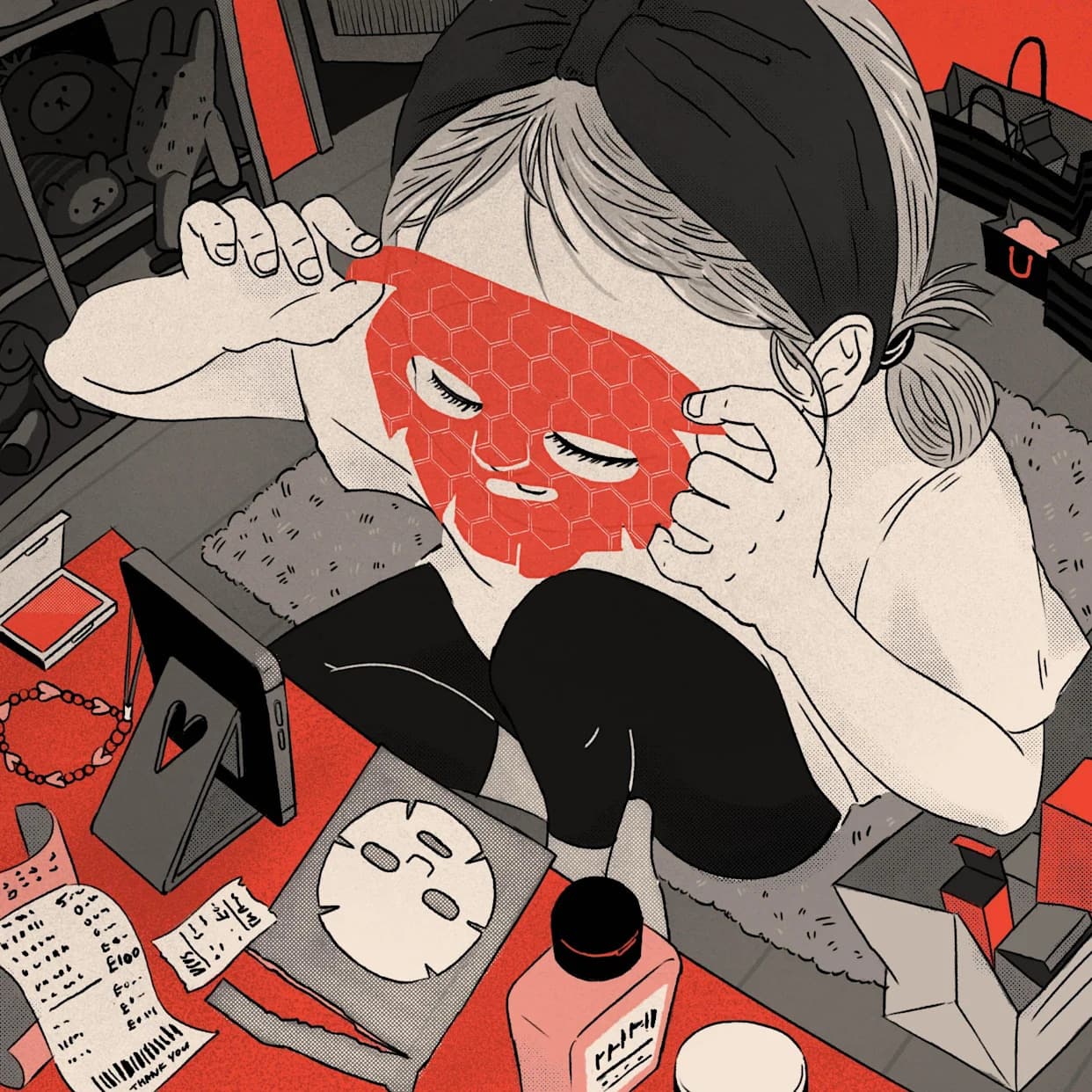
Cosmeticorexia describes a growing trend in which children and preteens adopt complex skincare routines and obsessive beauty behaviours driven by social media. Dermatologists warn potent ingredients such as retinol can damage delicate young skin, while psychologists raise concerns about anxiety, shame and overlaps with body dysmorphic disorder. Regulators in Italy are probing possible covert marketing to children, and experts call for shared responsibility among platforms, brands and parents to ensure age-appropriate guidance.
Cosmeticorexia: When Children's Skincare Routines Become an Obsession
[BBC]
"Get ready with me to go to my best, best friend's house," 13-year-old Ellie-May chirps in a TikTok clip that first attracted attention when she began posting beauty routines as a child. What started during lockdown as playful content has since become a family business: Ellie-May's account has more than 330,000 followers and, her mother says, the family's posts earn in excess of £50,000 a year.
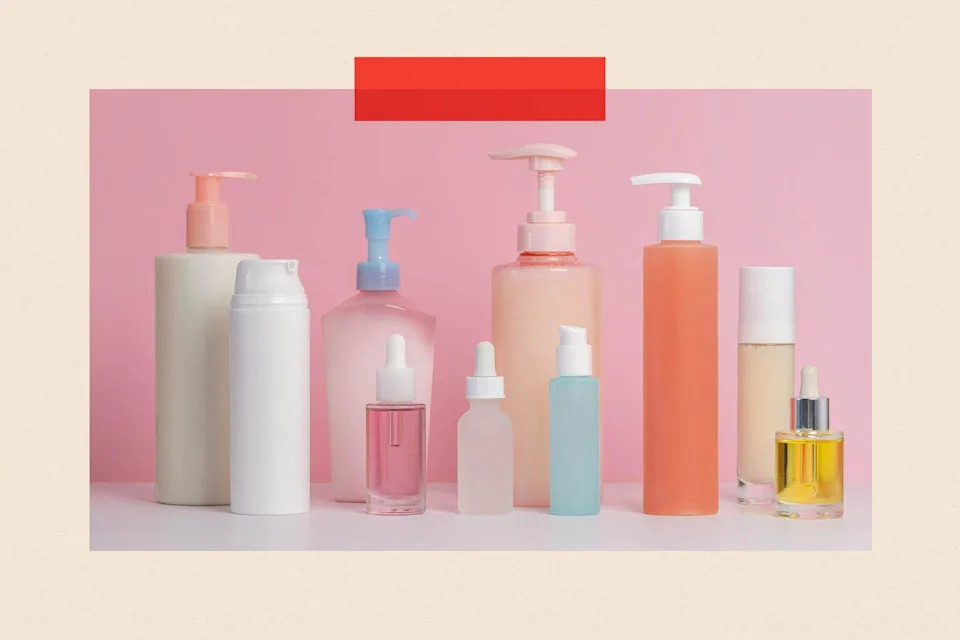
Across social platforms, dozens of videos show children — some as young as three or four — demonstrating multi-step skin and make-up routines, endorsing products, or filming "get ready with me" clips. The market around youth skincare has grown into a multi-billion-pound industry, with some brands and novelty packs directly or indirectly appealing to preteens.
Skincare has become a multi-billion-pound industry [Getty Images]
What Experts Are Calling "Cosmeticorexia"
Dermatologists and academics have coined the term cosmeticorexia to describe an unhealthy preoccupation with achieving "flawless" skin from an early age. Professor Giovanni Damiani interviewed patients aged 8–14 and found some children spending hours on skincare videos, using up to ten products daily, and feeling unable to socialise without make-up.
Health Risks
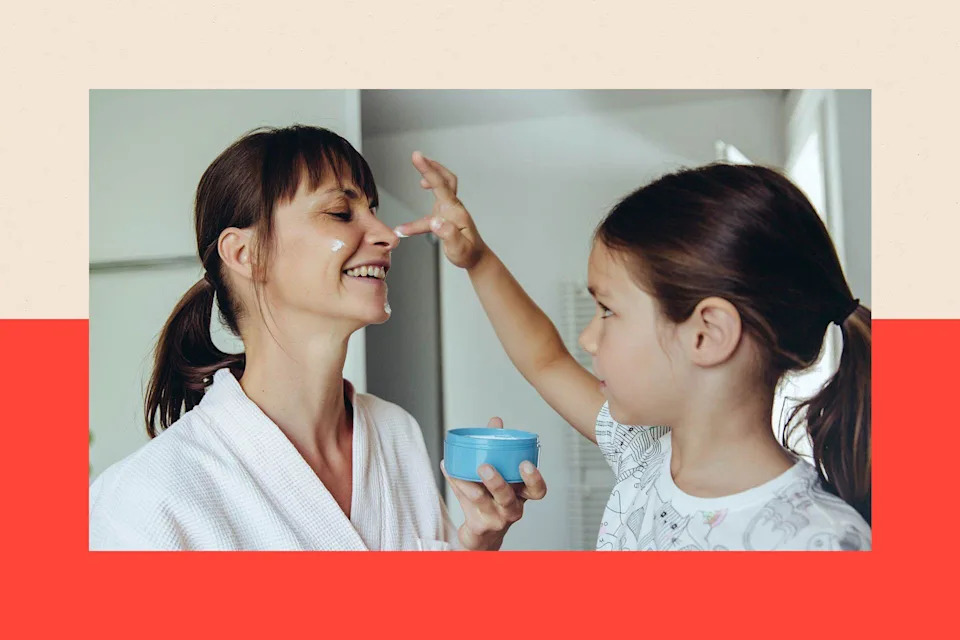
Clinicians warn many popular products contain potent active ingredients designed for adult, anti-ageing skin. Ingredients such as retinol accelerate cell turnover and can overstimulate young skin, causing "retinol burn," soreness, eczema-like rashes and long-term sensitivity. Dermatologists report rising cases of contact dermatitis and acne in younger patients, and some have flagged possible links between heavy topical product use and hairline conditions such as frontal fibrosing alopecia — though evidence remains limited.
"Women in their 30s and 40s have long been targeted by skincare companies," says Brooke Erin Duffy [Getty Images]
Mental-Health Concerns
Psychologists say constant exposure to curated, filtered images and engagement metrics can distort self-image. Early research from Alberto Stefana and colleagues suggests overlaps with body dysmorphic disorder (BDD): children driven by social-media feedback may develop anxiety, shame and avoidance behaviours, including reluctance to attend school.
Regulatory And Industry Responses
Regulators are taking notice. Italy's AGCM has opened investigations into whether certain brands failed to make clear their products are not intended for children or used covert marketing with young micro-influencers. The UK Advertising Standards Agency is monitoring developments. Industry bodies such as the UK CTPA advise age-appropriate guidance and have published resources for parents.
What Parents And Platforms Can Do
Experts urge a shared responsibility: platforms should enforce age safeguards and limit youth-targeted marketing; brands should avoid incentivising children to promote products; and parents should talk with children about skin health, check ingredients, and discourage potent actives for young skin. For children who display anxiety or obsessive behaviours, clinicians recommend early psychological assessment and dermatological advice.
Bottom line: Skincare can be harmless fun, but escalating routines, commercialisation and exposure to edited ideals risk real physical and psychological harm. Awareness, clear guidance and responsible industry practices are needed to protect young people.
Help us improve.