Gareth Jones, an Aberfan survivor, was astonished when a pupil at Troedyrhiw Primary showed a photograph of Stephen Andrew — the caretaker who pulled him to safety on 21 October 1966. The Aberfan colliery spoil‑tip collapse killed 116 children and 28 adults. Survivors including Gaynor Madgwick are sharing their experiences with pupils in Wales and the US, helping children understand the disaster's impact and the long‑term effects of trauma.
‘My Great-Grandad Saved Your Life’ — Aberfan Survivor Recognises Rescuer’s Photo During School Visit
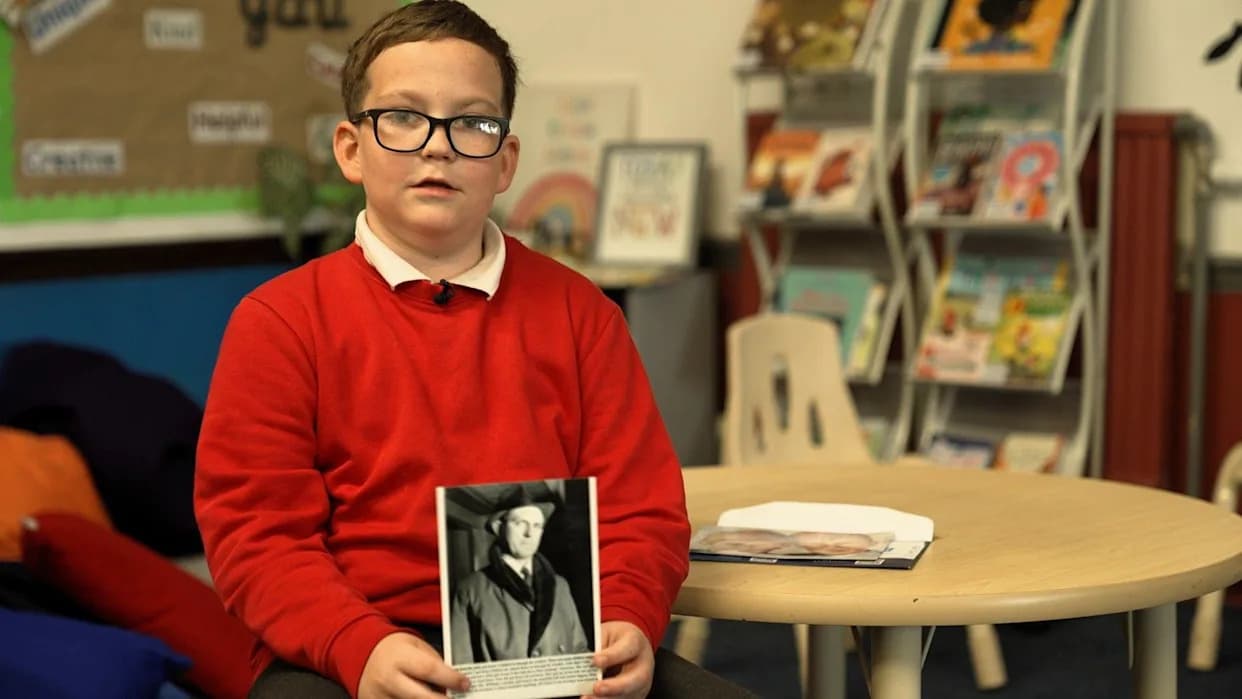
Noah has grown up hearing about the devastating landslip and the hero from his family on that day [BBC]
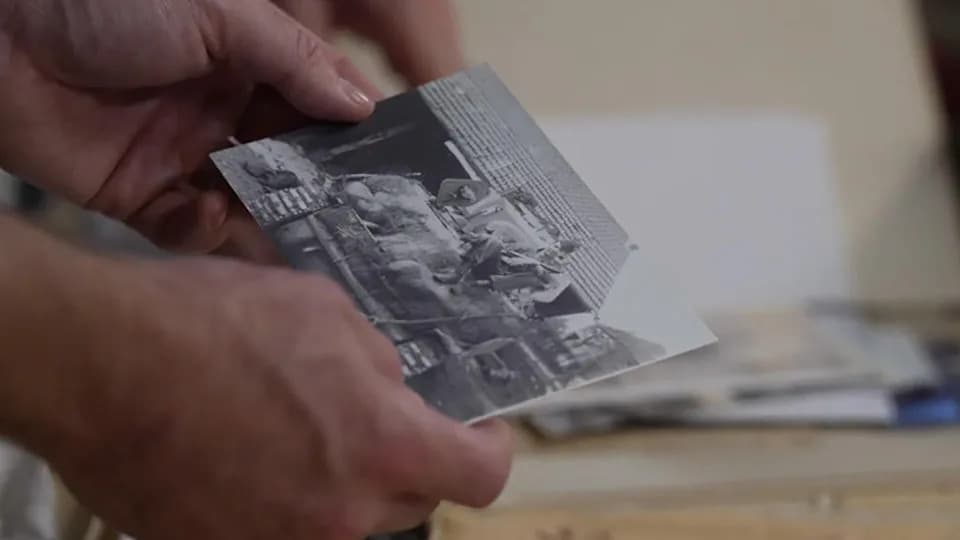
Gareth Jones, one of the surviving pupils of the Aberfan disaster, was left stunned during a recent visit to Troedyrhiw Primary when a 10-year-old raised a photograph and asked whether he recognised the man in it. The photo showed Stephen Andrew — the school caretaker who pulled Gareth to safety on the morning of 21 October 1966.
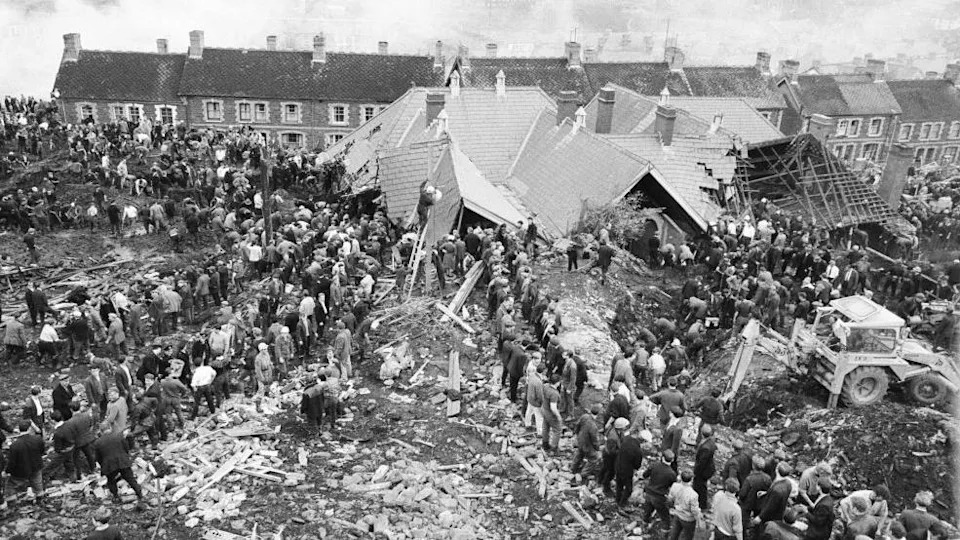
The disaster had a devastating effect on the small community of Aberfan [Getty Images]
A moment that completed a missing piece
"The hairs were standing on the back of my neck," Gareth said as he looked closely at the picture. He had always known that the caretaker had rescued him through a shattered classroom window as the colliery spoil tip collapsed above Pantglas Junior School, but he had never seen a photograph of the man who saved his life until Noah, the pupil, held it up.
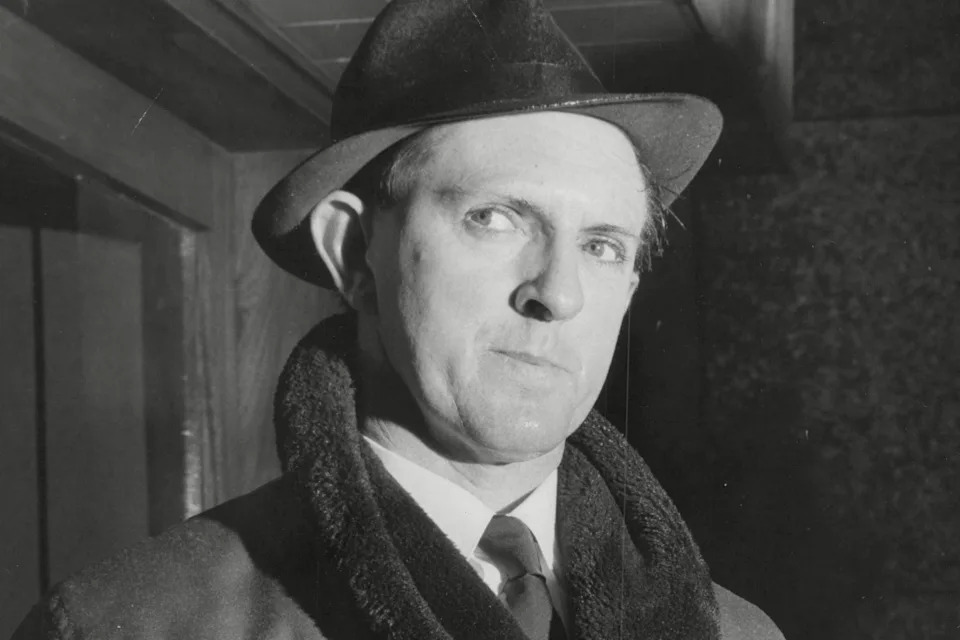
Stephen Andrew was a hero, saving many children from the rubble [Shutterstock]
How the disaster unfolded
On the morning of 21 October 1966 a colliery spoil tip gave way on the hillside above Pantglas Junior School, sending tonnes of slurry and debris crashing into the building and nearby houses. The collapse killed 116 children and 28 adults, and devastated the close-knit community of Aberfan and surrounding areas.
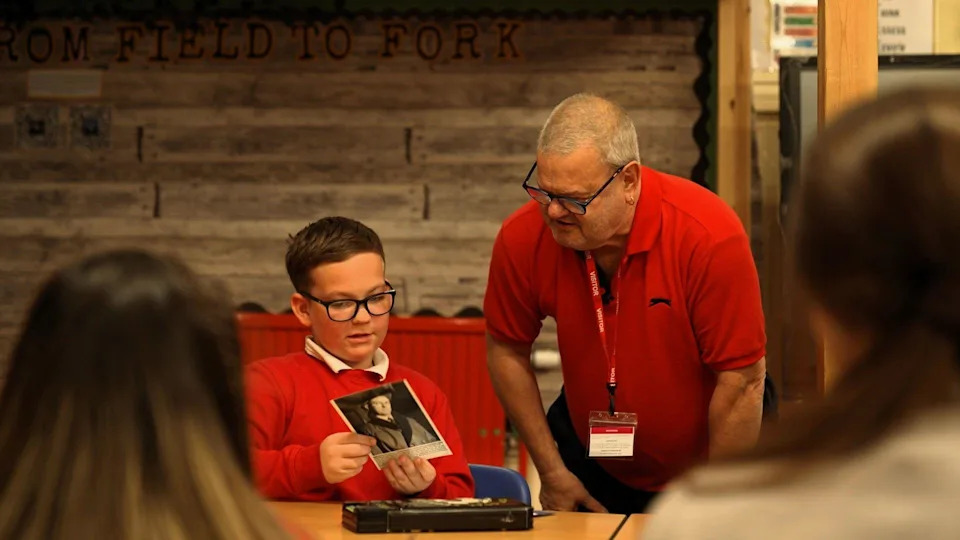
Gareth met the great-grandson of the caretaker who rescued him from the ruins of Pantglas Junior School in 1966 [BBC]
Stephen Andrew: hero and grieving father
On that morning Mr Andrew had started the school's heating and briefly returned home before witnessing the avalanche of colliery waste. He rushed back to help and was among those who hauled children to safety, including Gareth. Tragically, his own two sons, Kelvin and Malcolm, who were at the school that day, were among the 116 children who died.
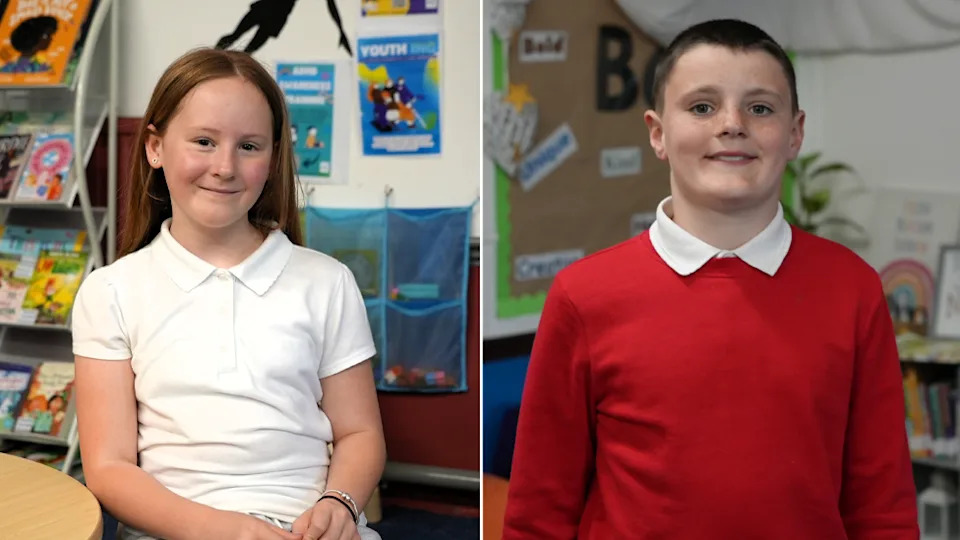
Pupils were keen to hear about Gareth's experiences, and were particularly saddened at the thought of him losing all his friends [BBC]
"He actually grabbed me and told me to run," Gareth recalled. "That bit of the jigsaw has come together."
Teaching, remembrance and empathy
The visit to Troedyrhiw — close to where Pantglas once stood in Merthyr Tydfil — took place as schools in Wales and around the world prepare to mark 60 years since the disaster. Pupils listened intently, asking mature questions about the noise, the cracking walls and the aftermath. Teachers said hearing first‑hand testimony helped children connect emotionally with the local history and develop empathy.
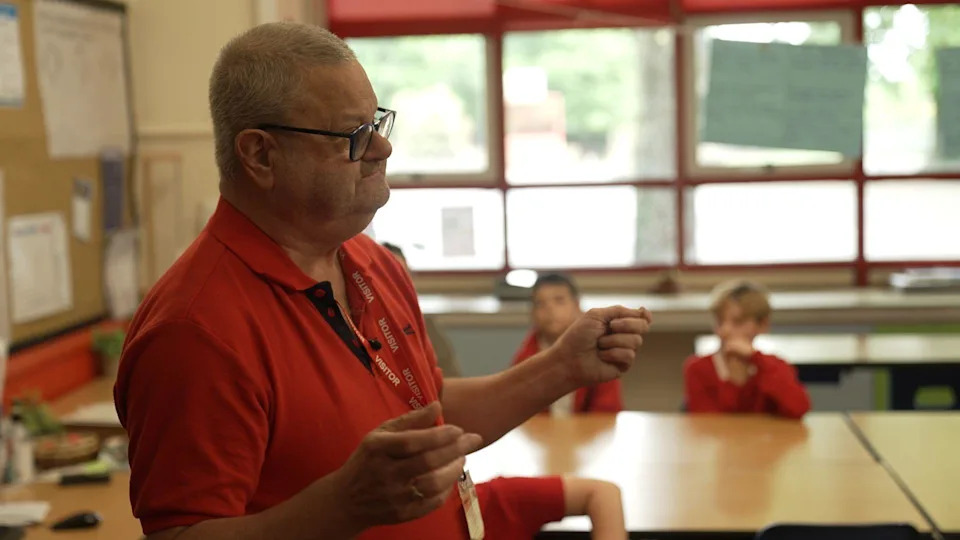
Gareth was able to really bring home the impact of the devastating events that unfolded so close to the pupils' school [BBC]
"It's part of their identity… part of the community that they live in," teacher Hannah James said, praising the children's thoughtful questions and empathy.
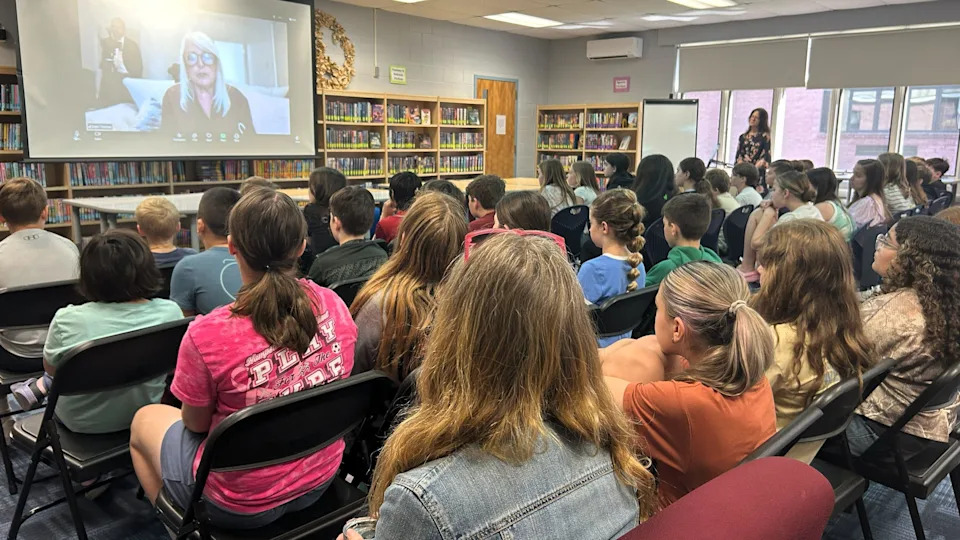
Children the other side of the Atlantic have also been learning about the disaster [Hampstead Middle School]
Survivor testimony reaches the United States
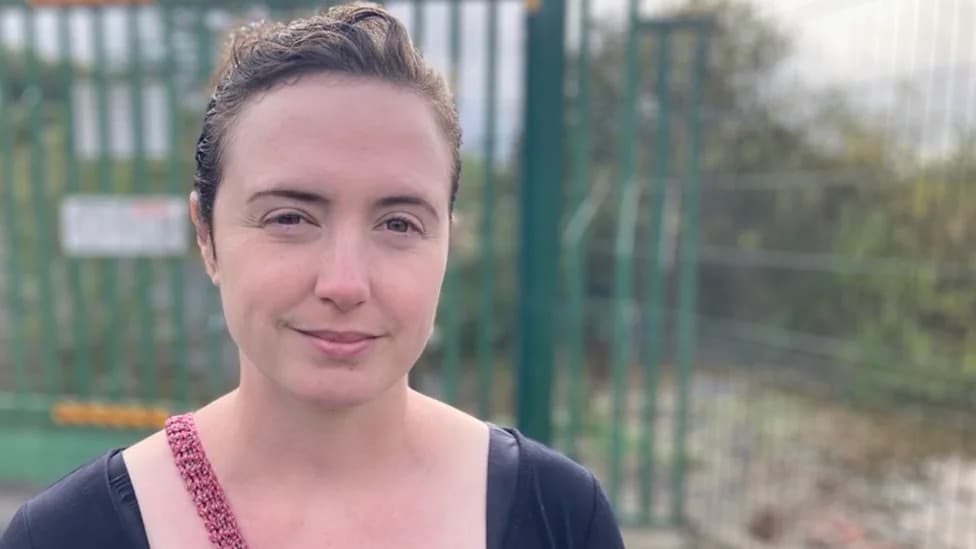
Survivor Gaynor Madgwick also spoke about the disaster to almost 100 pupils at Hampstead Middle School in New Hampshire via video call. Gaynor described waking trapped beneath rubble aged eight or nine, losing close family members and living with long-term trauma. She told pupils she was only diagnosed with post-traumatic stress disorder decades later, explaining how anxiety and trauma had affected her life.
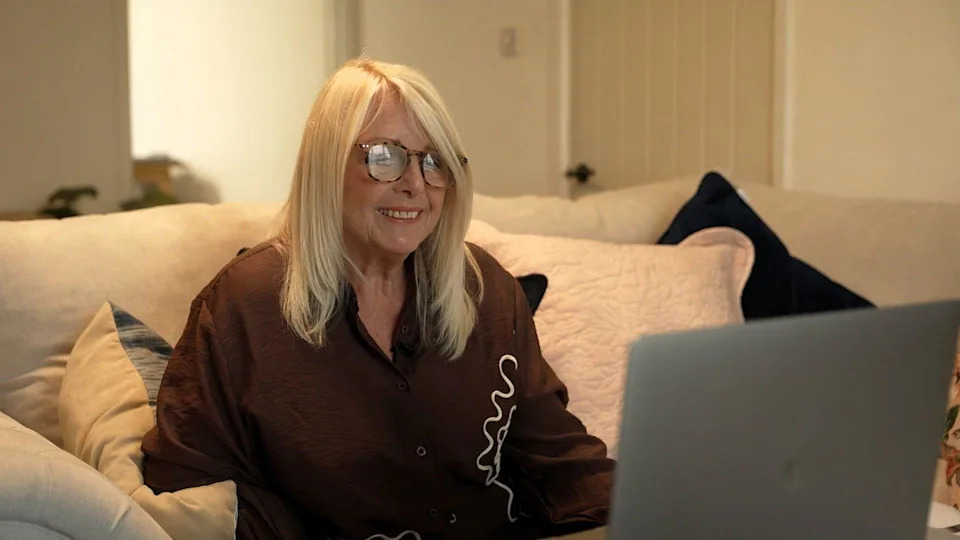
Gaynor has spoken to children in the US about her experiences [BBC]
"I feel my life was spared to help others," Gaynor said. "If there's one thing they take away… it's for children not to suffer in silence. To talk, to share their feelings. Not to be afraid."
Both Gareth and Gaynor said they continue to share their stories because survivor testimony keeps the memory of Aberfan alive, helps younger generations understand its human cost and encourages open conversations about trauma and mental health.
Help us improve.