Spain has launched a pilot floating solar farm off Gran Canaria that produces about 85 MW of electricity and uses that power to run on-site reverse osmosis desalination, reportedly boosting generation by up to 12% thanks to cooler sea conditions. The installation yields roughly 15,000 cubic meters of fresh water per day, and surplus electricity is sent ashore via a submarine cable. Authorities plan 12 more facilities by 2029 to scale the co-located power-and-water model for coastal and island communities.
Spain’s Floating Offshore Solar Near Gran Canaria: 85 MW Power Plus 15,000 m³/Day Fresh Water With Up To 12% Efficiency Gain
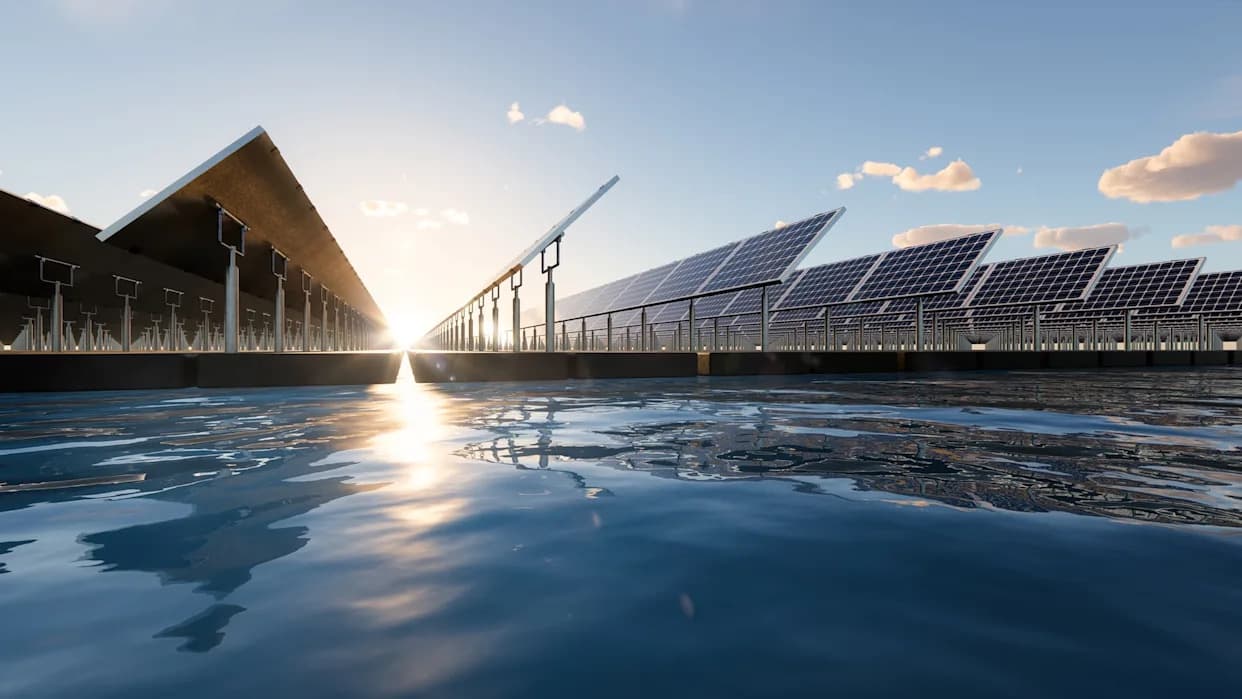
Photo Credit: iStock
Spain has launched a pilot floating offshore solar installation off Gran Canaria that simultaneously generates renewable electricity and produces desalinated drinking water.
According to Engineering Facts, the farm delivers about 85 megawatts of renewable power and uses that electricity to run on-site reverse osmosis desalination units. Operators report the facility produces roughly 15,000 cubic meters of fresh water each day.
How It Works
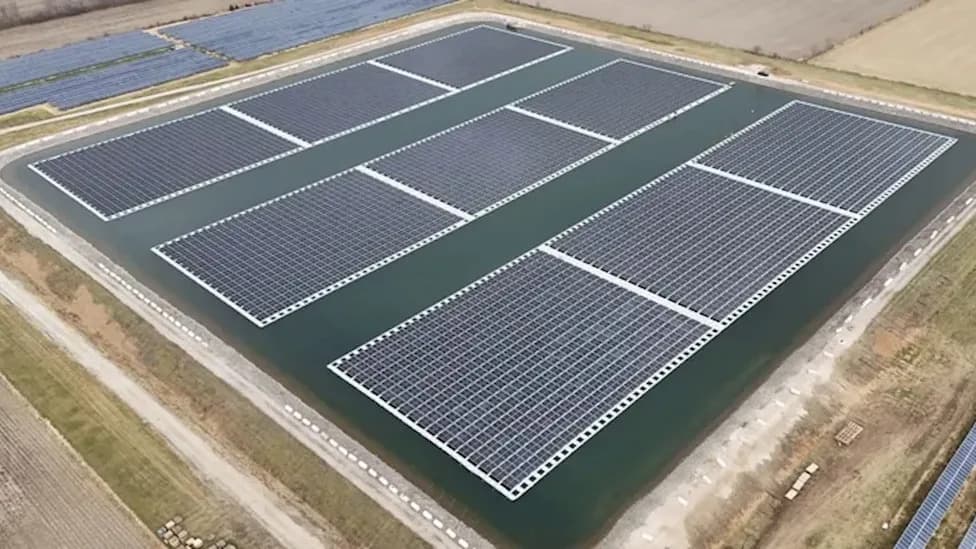
Solar panels are mounted on high-density polyethylene (HDPE) pontoons engineered to rise and fall with Atlantic swells. The surrounding sea breeze and the cooling effect of the ocean help keep panels at a lower operating temperature than typical land-based arrays, which can improve performance and — according to project statements — boost power output by up to 12% compared with comparable ground systems.
The farm co-locates energy generation and water treatment on a single offshore platform: electricity generated by the panels powers reverse osmosis units that desalinate seawater on-site. Any surplus electricity is transmitted to shore via a submarine cable to support the wider power grid.
Scale, Benefits and Context
Spain plans to build 12 additional facilities by 2029, aiming to scale this combined power-and-water model to other coastal and island communities. For islands and remote coastal areas that rely on imported fuels and face growing pressure from drought, population growth and warming temperatures, pairing renewables with desalination can reduce fuel imports, lower utility costs, improve public health and increase resilience.
By producing both electricity and potable water at sea, the concept reduces some onshore infrastructure needs and may simplify logistics for island water supply. It also has potential benefits for grid stability and air quality by displacing diesel generation.
Considerations And Next Steps
While promising, offshore floating solar-desalination projects raise practical considerations: long-term marine corrosion and biofouling, anchoring and stability in harsh seas, maintenance access, and environmental impacts on marine ecosystems. Careful design, monitoring and local stakeholder engagement will be important as Spain scales the concept.
Early public reaction online has been largely positive. One commenter wrote, "Brilliant. This is how the green economy starts and creates thousands of jobs." Another praised Spain directly: "As usual, well done Spain!"
Overall, the Gran Canaria pilot highlights a growing trend of combining renewable generation with essential services — in this case, desalination — to address energy and water security together.
Help us improve.