East Kent Hospitals NHS Trust recorded 27 stillbirths in 12 months, including 13 at full term, triggering a MOSS alert and an independent expert review. A prior Kirkup review had concluded that up to 45 babies might have survived with better care. Board papers show perinatal mortality above national thresholds, workforce pressures in midwifery, and several recent serious incidents. The trust says it is reviewing every case and has commissioned external experts to identify common themes and improvements.
Alarm After 13 Full-Term Stillbirths: East Kent Hospitals Trust Launches Independent Review
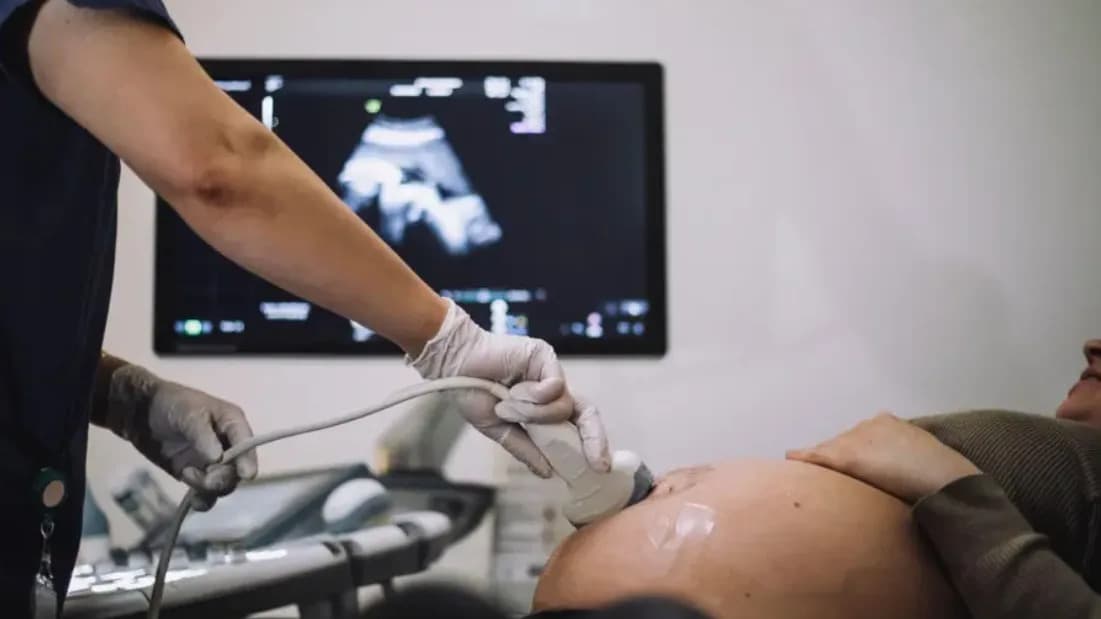
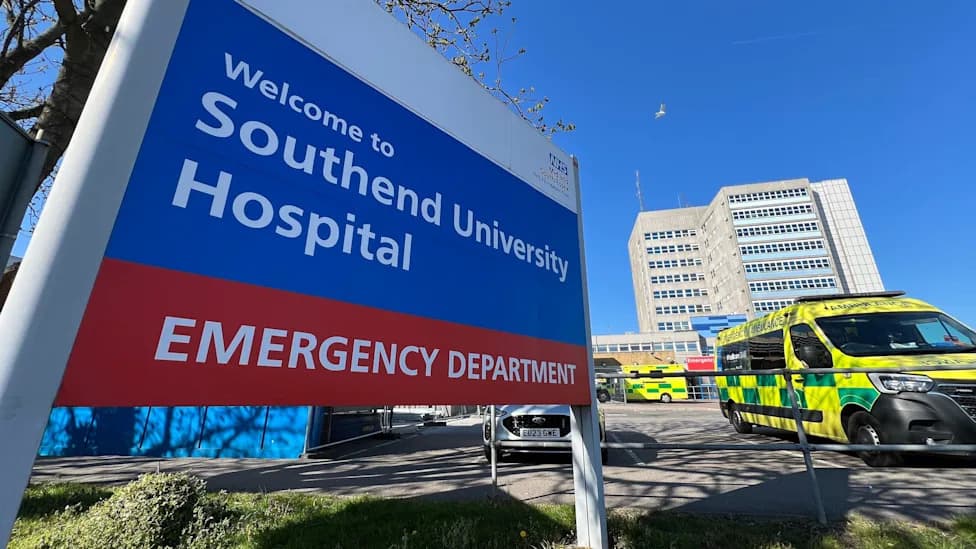
East Kent Hospitals NHS Trust registered 27 stillbirths in a 12-month period, including 13 full-term stillbirths [Getty Images]
East Kent Hospitals NHS Trust has recorded 27 stillbirths over a 12-month period, including 13 full-term deaths, prompting a national safety alert and an independent expert review.
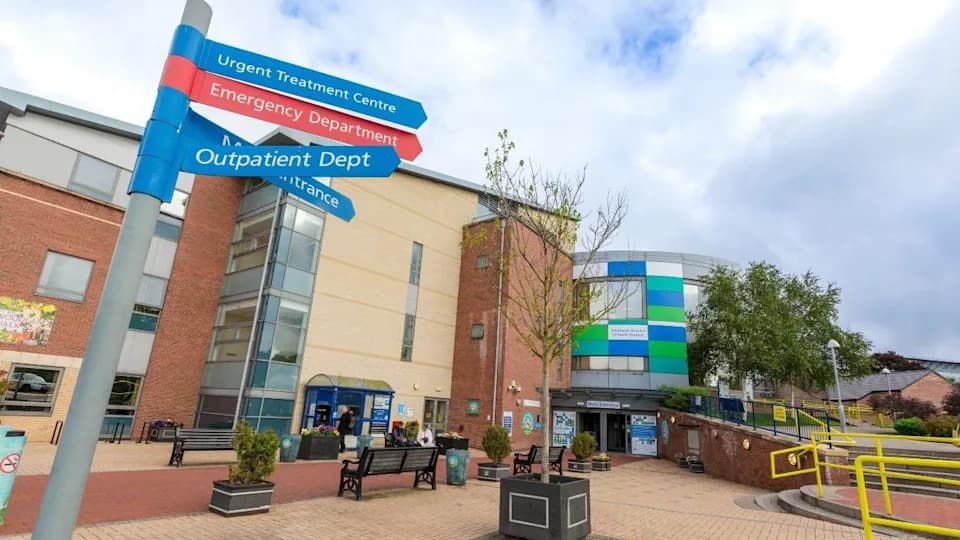
Board papers show the trust's stillbirth rate sits above expected levels and an increase in term stillbirths specifically has triggered a Maternity Outcomes Surveillance System (MOSS) alert at Queen Elizabeth The Queen Mother Hospital in Margate. MOSS is a near-real-time NHS safety signal system used to detect potential problems in intrapartum care and prompt rapid investigation.
Three years earlier, an independent Kirkup review concluded that as many as 45 babies might have survived if they had received better care at the trust. In response to the recent cluster of deaths, the trust said it does not yet know what caused them and has commissioned an independent expert review to identify any common themes, learning and improvements.
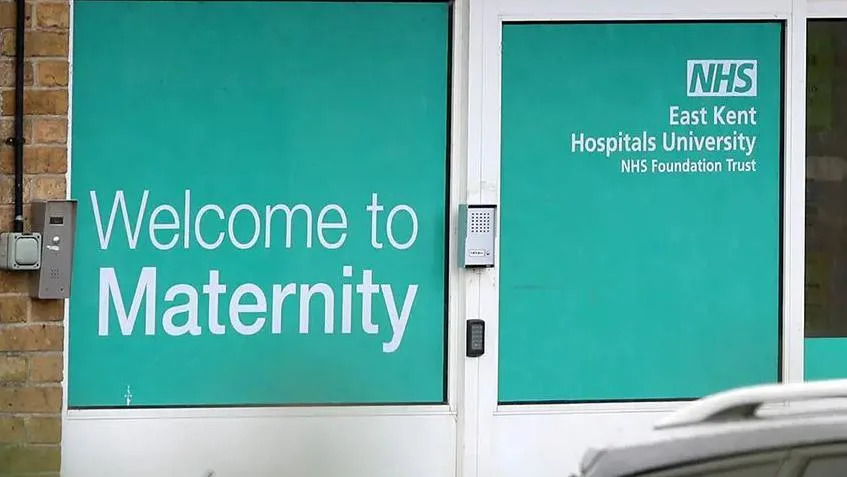
The trust recorded a stillbirth rate above expected levels, including an increase in deaths at full term [PA Media]
What the trust and families say
Des Holden, the trust's acting chief executive, said: "The stillbirth of a baby is devastating for every family and our thoughts are with all the families affected. We review every individual stillbirth and have commissioned an independent expert review to identify any common factors and further improvements." He added the trust is working to increase community support for pregnant women.
Staff who spoke to the BBC described tensions within the service. One member of staff said: "It's bad, very bad. The worst part is the toxic culture between midwives and obstetricians." Bereaved parent Helen Gittos, who lost her baby in 2014, criticised the trust's response to earlier recommendations and warned that checklists and action plans alone are not enough to deliver sustained change.
Data and risks
Board documents list several recent serious incidents. In April alone the trust recorded 10 significant incidents, including major haemorrhage, surgical interventions and an unplanned hysterectomy. The papers show that overall perinatal mortality has risen above national thresholds, while neonatal mortality remains below expected levels.
Workforce issues are highlighted as a key risk, with particular concern about midwifery staffing levels and engagement with community maternity teams. The trust and external regulators continue to closely monitor services as the independent review proceeds.
Next steps: The independent review will examine each stillbirth for shared factors and recommend improvements. The trust has pledged to act on findings and to strengthen community support for pregnant women.
Help us improve.