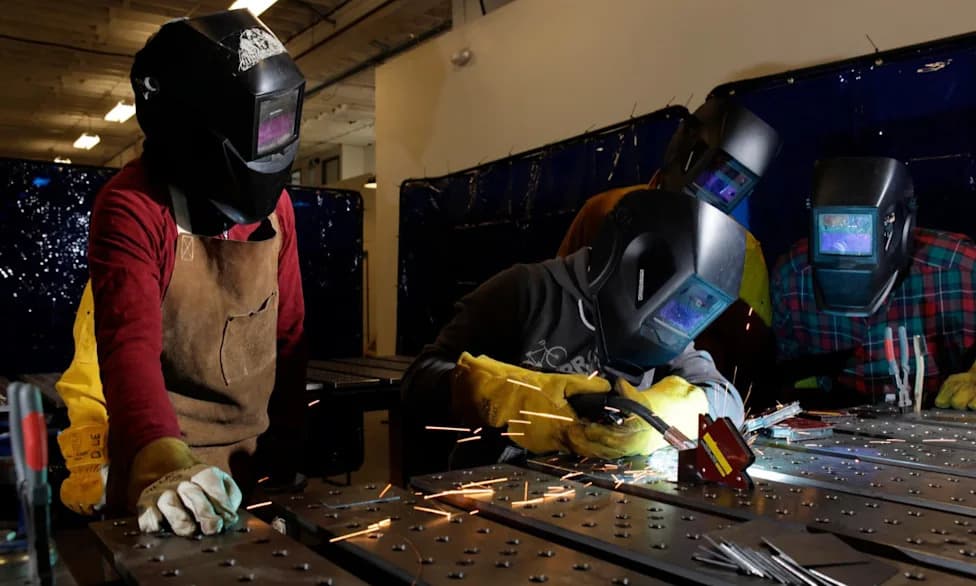
Mayfield High School near Cleveland gives students two flexible options: The Option, a voluntary, self-paced program where teachers guide students with short mini-lessons and mastery checks, and Learn and Earn, a paid-internship program that places roughly 127 students with local employers. The Option is used by about 20% of students; Learn and Earn typically requires about 20 hours per week of workplace learning after initial training. District leaders say both pathways build responsibility, workplace readiness and alternative routes to credit when CTE classes are oversubscribed.
Mayfield High Lets Students Design Their School Day With Self-Paced Learning And Paid Internships
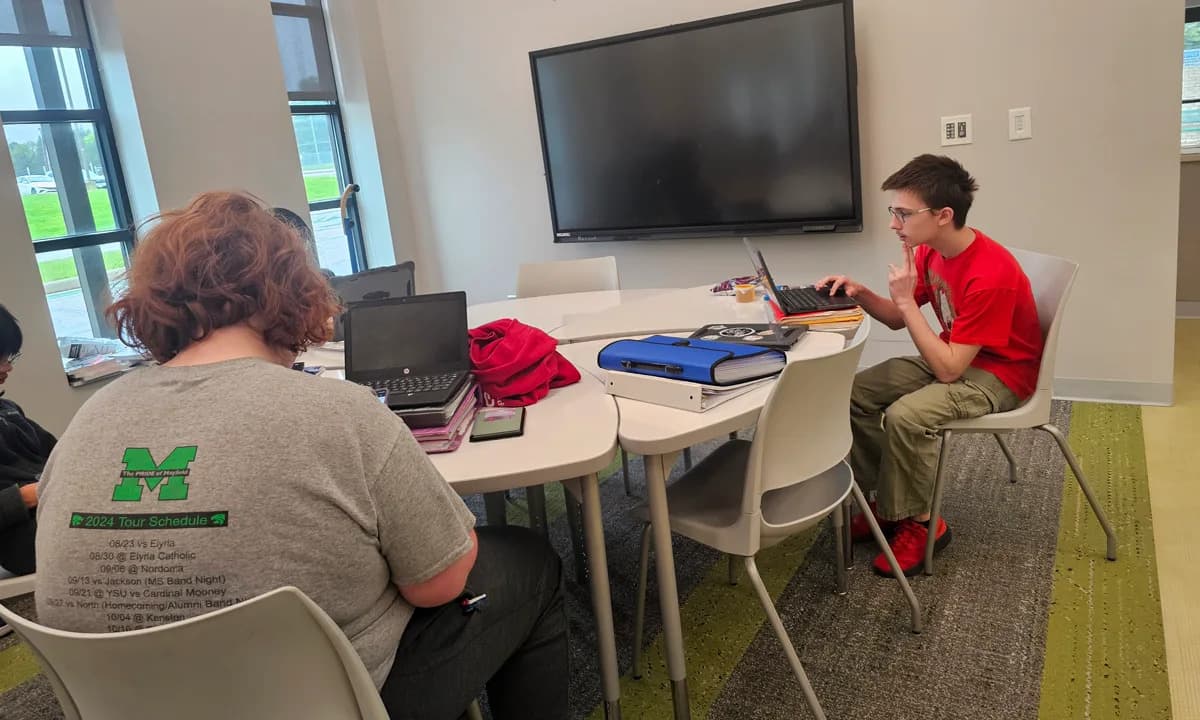
Mayfield High School, a suburban high school of about 1,200 students near Cleveland, emphasizes student choice as much as traditional classroom instruction. The district gives learners two flexible pathways: a voluntary, self-paced program on campus called The Option, and a paid internship pathway called Learn and Earn that connects students with local employers.
Two Flexible Pathways
The Option: A Self-Paced, Teacher-Guided Space
The Option is a voluntary alternative to the typical 50-minute lecture model. About 20% of students choose this format, which turns a renovated, gym-sized workshop into a shared learning space. Students set daily priorities, work independently on math, English, history and other subjects, and demonstrate mastery through regular assessments. Teachers act as facilitators, offering short mini-lessons, small-group instruction and one-on-one help rather than delivering whole-class lectures.
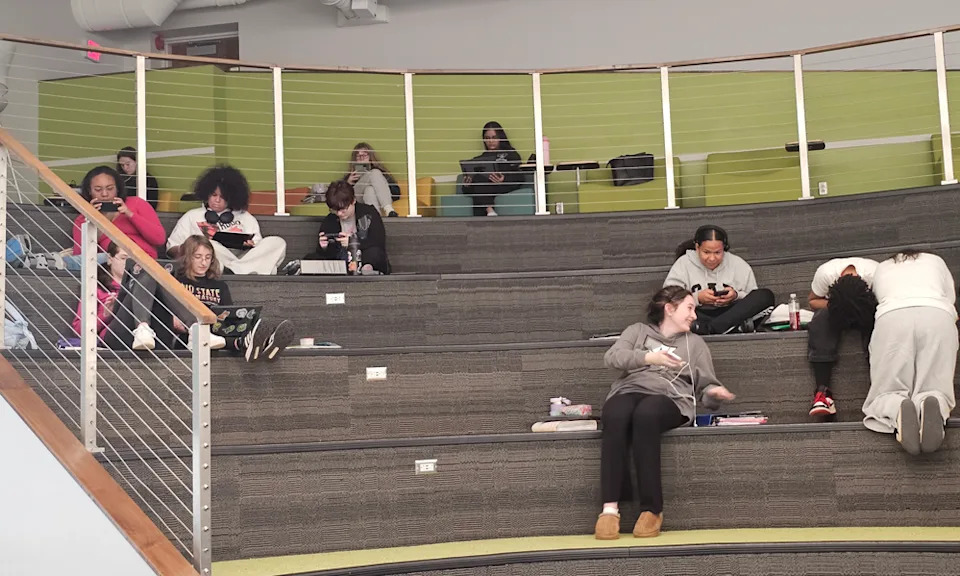
Mayfield High School students can spread out all over a gym-sized room in The Option, including this open staircase to a balcony. (Photo by Patrick O’Donnell)
"Students live in a personalized world outside of school, so we have to personalize school to meet their needs," Principal Brian Linn said.
Program leaders describe The Option as a structured study hall combined with mastery-based elements: students have voice and choice over their schedules while being held accountable by assessments and teacher guidance. Participation is voluntary; students may return to traditional classes at any time, though many stay through graduation.
Learn and Earn: Paid Internships With Academic Credit
Learn and Earn places students in paid internships—about 127 students, roughly 10% of the school—across fields such as manufacturing, welding and construction. The program targets juniors and seniors. During the first semester, students receive workplace training, company tours and professional-skills preparation; afterward they typically work about 20 hours a week for partner employers over the following year and summer.
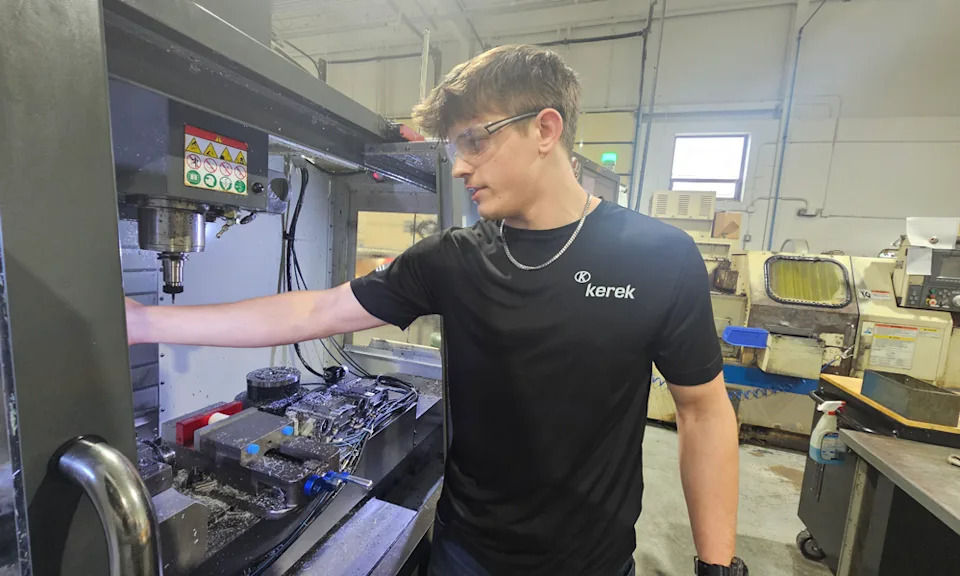
Mayfield High School graduate Jacob Reed started work for Kerek Industries as an intern while in high school and has stayed on as an employee even after graduating. (Photo by Patrick O’Donnell)
To support internships, Mayfield altered its schedule so participants take academics in the morning, leave by 11:45 a.m. and arrive at worksites by about 12:15 p.m. The district also provides employer training to help businesses supervise and mentor teenage interns effectively.
Why These Options Matter
District officials point to two pressures driving change: oversubscribed career-technical education (CTE) programs and students’ changing responsibilities. The local CTE consortium serves 10 suburban districts, yet 17 of 19 programs are oversubscribed—for example, welding had 35 seats but 175 applicants this year. Rather than turn students away, Mayfield forged partnerships so industry becomes the classroom.
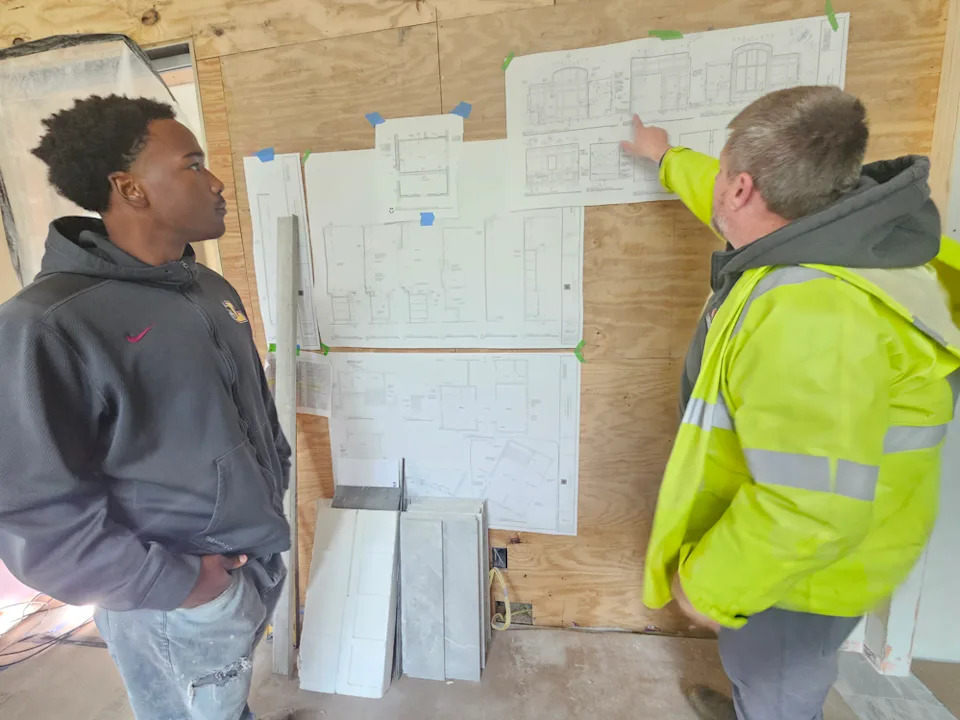
Mayfield High School senior Mackenzie Lofton discusses plans for a $22 million house he is helping build as part of his Learn and Earn internship. (Photo by Patrick O’Donnell.)
Students and employers report tangible benefits. Jacob Reed, a recent graduate, interned at a manufacturer, was hired after graduation and is now studying engineering while working part time. Senior Mackenzie Lofton interned with a luxury-home builder and gained exposure to project management and cross-trade coordination that he wouldn’t have seen in a regular classroom.
Program leaders say both pathways teach responsibility, time management and professional skills while aligning education with shifting career demands. Education advocates such as the XQ Institute and Battelle for Kids have praised personalized-learning approaches, and several states are prioritizing similar strategies.
Disclosure: XQ provides financial support to The 74.
Help us improve.