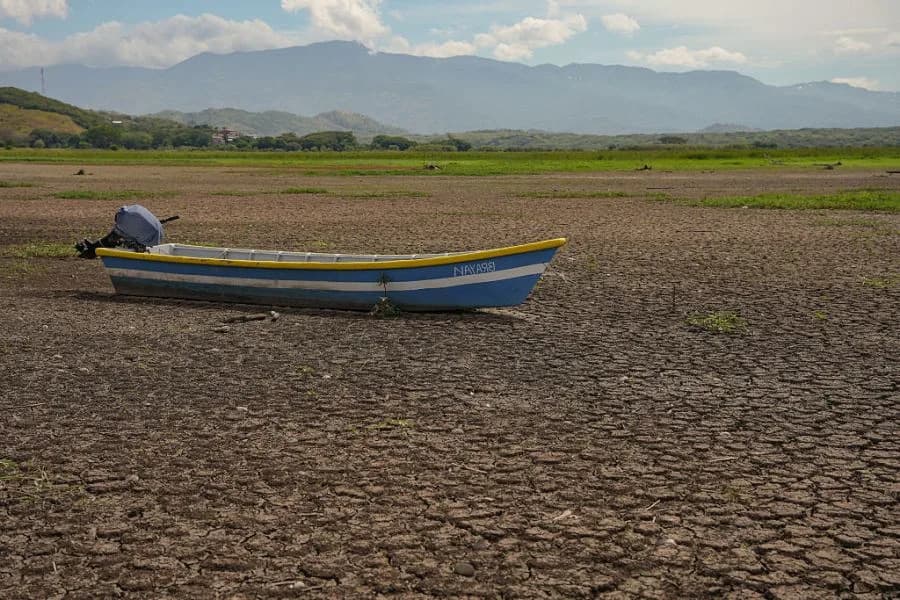
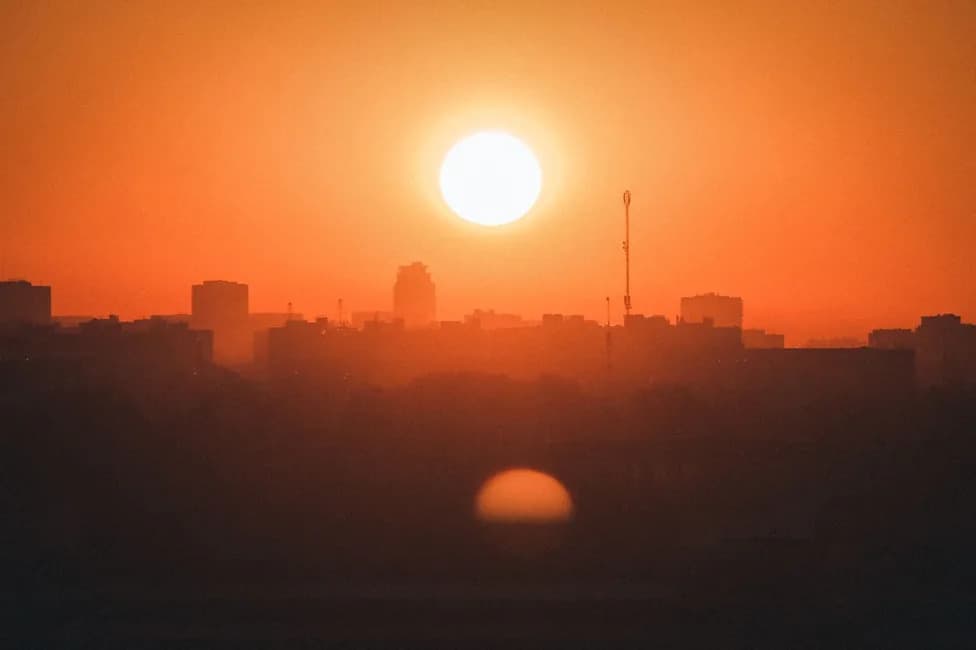
Monsoon rains reached Kerala three days later than the typical June 1 start, but the India Meteorological Department says conditions now favour further advance across western and southern India within two to three days. The seasonal rains are vital for sowing cotton, soya beans, sugarcane, rice and maize and for replenishing aquifers and reservoirs. The WMO places the chance of an El Niño this summer at about 80%, a development that could weaken the monsoon and raise risks to crops and food prices.
Monsoon Reaches Kerala Three Days Late — Still Timely to Protect India’s Crops
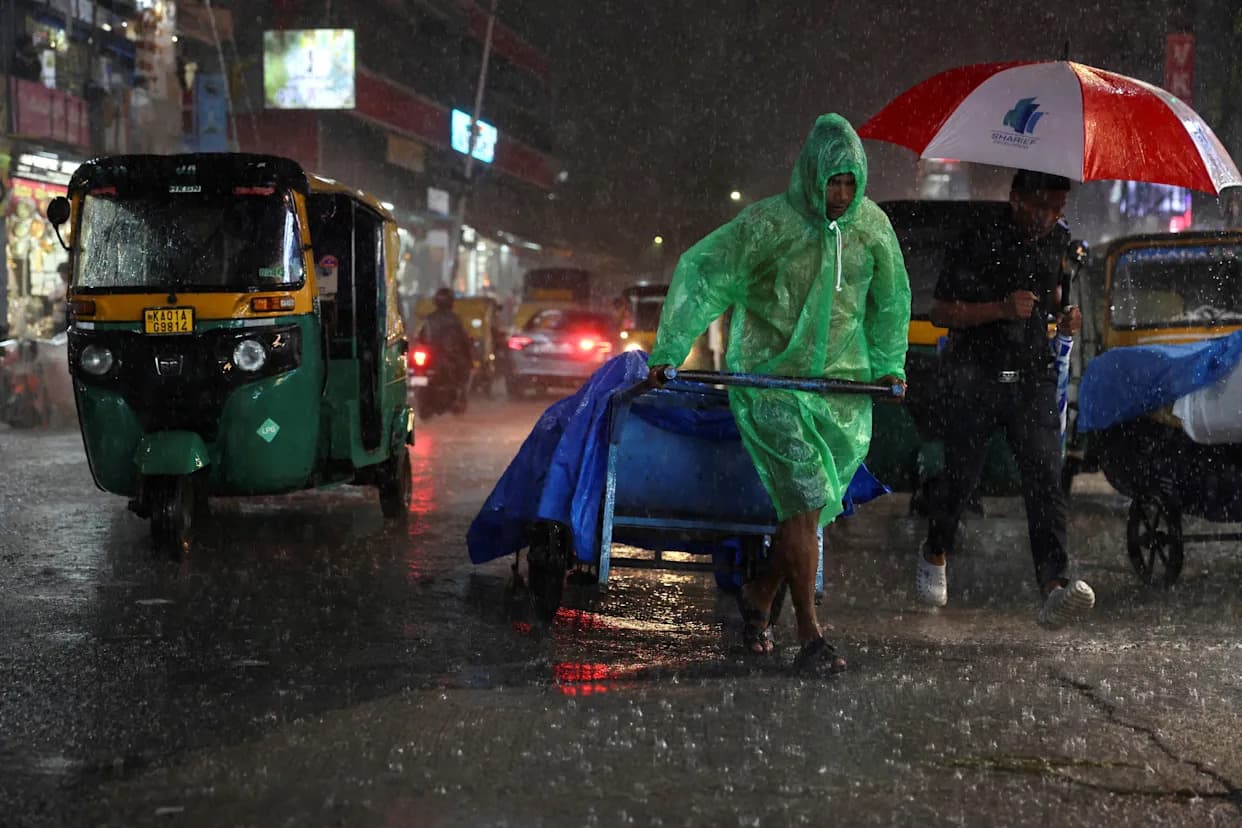
A man pulls a cart packed with goods in the rain in Bengaluru, India [File: Priyanshu Singh/Reuters]
Monsoon rains finally reached India’s southwestern state of Kerala three days later than the traditional June 1 onset, the India Meteorological Department (IMD) said on Thursday. While slightly delayed, the arrival offers relief for farmers and water managers ahead of the sowing season.
The June onset of the southwest monsoon is critical for agriculture: these early rains allow farmers to plant cotton, soya beans, sugarcane, rice and maize. The monsoon supplies roughly 70% of the rainfall India depends on for a full harvest and helps recharge aquifers and reservoirs used by communities and industry.
Weather outlook: In an advisory the IMD said conditions are “favourable for further advance of southwest monsoon” into the central Arabian Sea, Goa and parts of Maharashtra, Andhra Pradesh and Tamil Nadu over the next two to three days, increasing the chance that normal seasonal coverage will be restored.
Wider climate risk: Climate agencies have raised longer-term concerns. The World Meteorological Organization (WMO) says there is around an 80% likelihood of an El Niño event between June and August. El Niño — a warming of surface waters in the tropical Pacific — typically raises global temperatures and shifts rainfall patterns, sometimes weakening the south Asian monsoon.
“The world must treat it as the urgent climate warning it is. El Niño conditions will pour fuel on the fire of a warming world,” United Nations Secretary‑General Antonio Guterres warned in a video message, highlighting the broader risks for food security and extreme weather.
Forecasters and agricultural planners will be monitoring rainfall distribution closely: if El Niño suppresses monsoon rains later in the season, India could face crop stress, higher food prices and pressure on economic growth. For now, the early rains in Kerala and the IMD’s forecasted advance offer a welcome, if cautious, reprieve.
Help us improve.