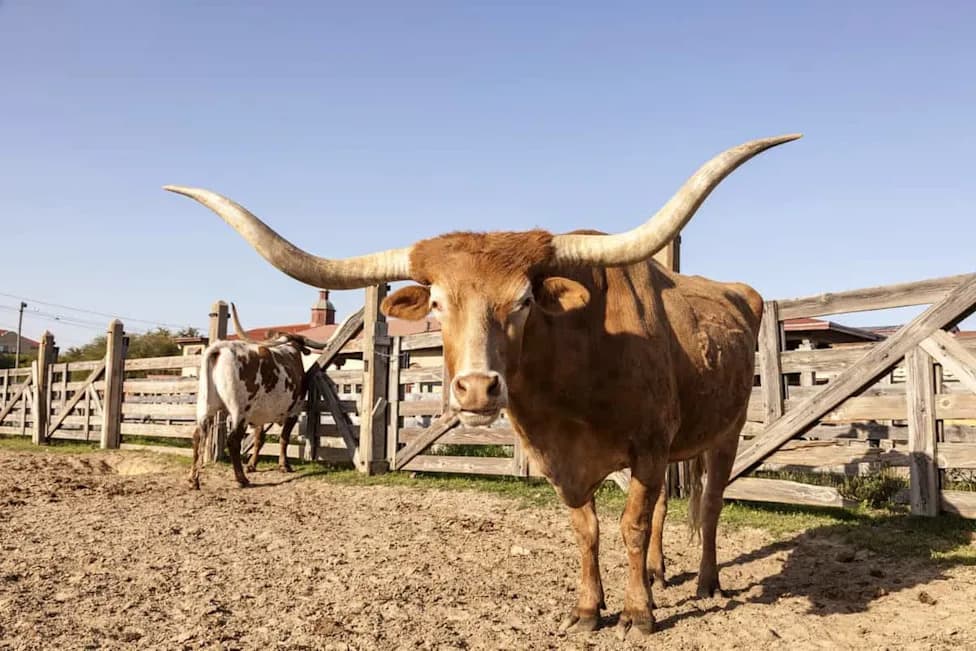
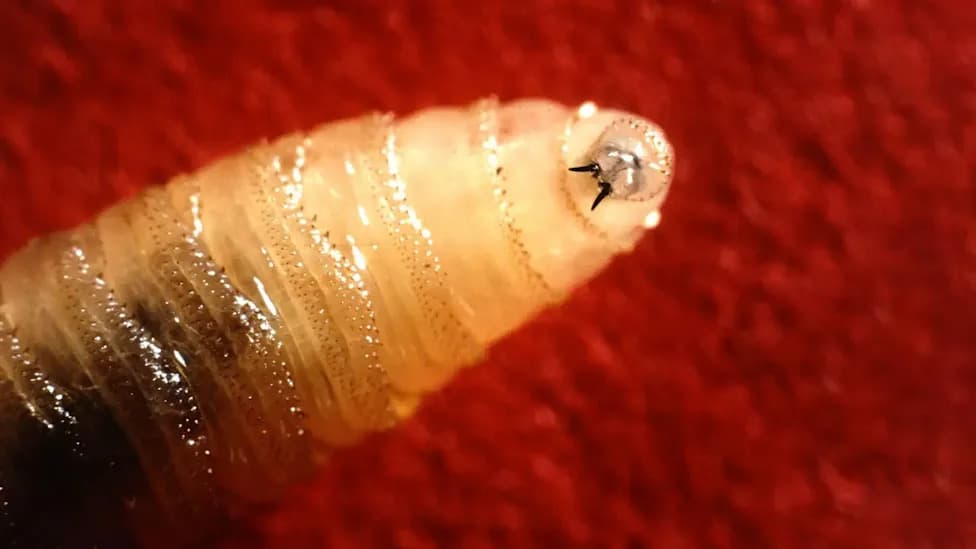
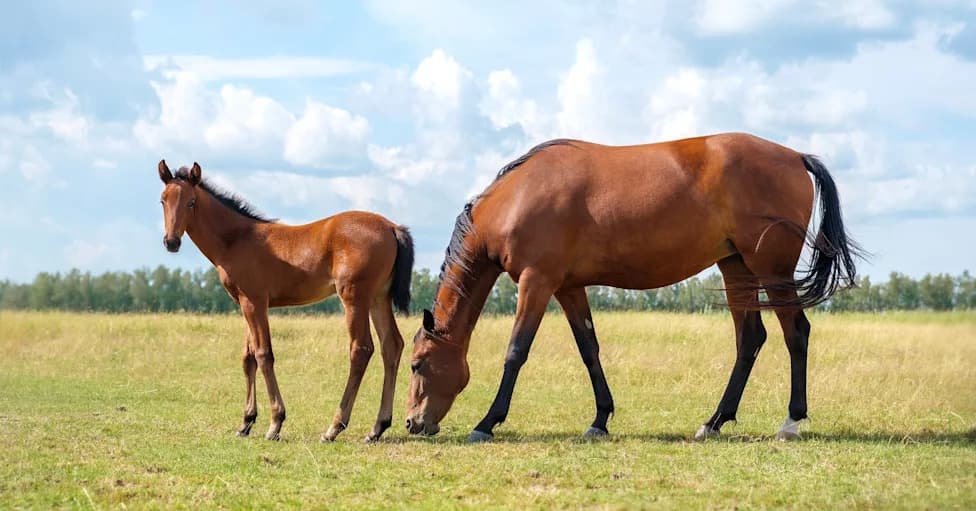
The U.S. Department of Agriculture confirmed on June 3 that the New World screwworm, a parasitic fly whose larvae feed on living warm-blooded animals, was detected in a calf in Texas. The USDA said the finding could pose a serious new threat to the nation's cattle herd. Authorities are increasing surveillance and are expected to deploy targeted animal-health measures to prevent further spread. Historical eradication programs make this detection particularly concerning to livestock managers and regulators.
USDA Confirms Flesh-Eating New World Screwworm in Texas Calf, Threat to U.S. Cattle Herd
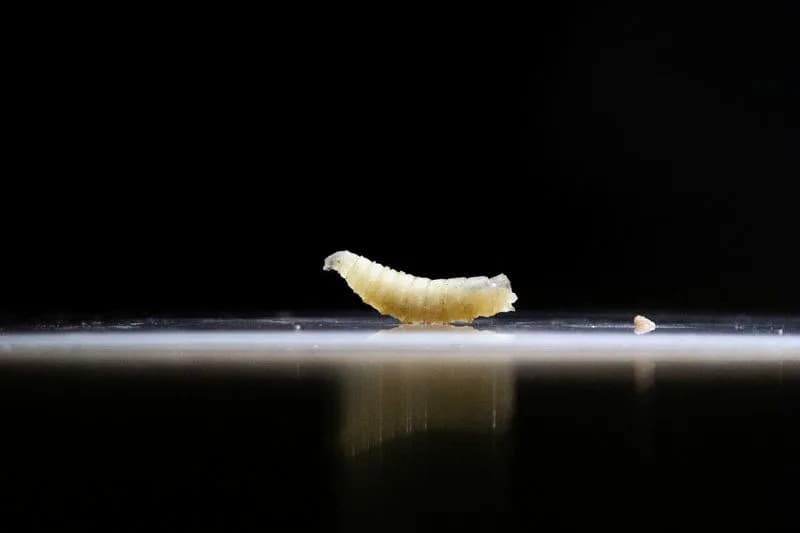
FILE PHOTO: A sample of screwworms collected are displayed at the veterinary clinic in Tapachula, Chiapas state, Mexico July 4, 2025. REUTERS/Daniel Becerril/File Photo
CHICAGO, June 3 (Reuters) - The U.S. Department of Agriculture said on Wednesday evening that the New World screwworm, a parasitic fly whose larvae feed on living warm-blooded animals, was detected in a calf in Texas. The finding raises concern for livestock health and could pose a serious new threat to the nation's cattle herd.
What Was Found: The USDA confirmed the presence of the New World screwworm (Cochliomyia hominivorax) after identifying larvae in a Texas calf. These larvae, commonly called screwworms, consume living tissue and can cause severe injury or death in infected animals if not promptly treated.
Why It Matters: The screwworm historically has been controlled and eradicated in much of the Americas through intensive management programs, including the sterile insect technique. A confirmed detection in U.S. livestock raises the risk of local spread and has prompted heightened surveillance and response measures by animal-health authorities.
Next Steps: Federal and state agencies typically respond to such detections with targeted inspections, quarantines, treatments of affected animals, and increased monitoring of surrounding herds and wildlife. The USDA and local partners are expected to assess the scope of this detection and take steps to limit any further spread.
(Reporting by Heather Schlitz)
Help us improve.