Fiji's environment ministry has rejected a proposal to import and incinerate non-recyclable waste for energy after local landowners and tourism operators protested. The plan — proposed by The Next Generation Holdings and backed by Australian investors — would have processed 900,000 tonnes a year near Nadi and included a private port. Officials cited unresolved concerns over scale, imported waste, hazardous ash management, public health and tourism impact, noting the developers' environmental statement predicted a roughly 25% rise in national emissions. The developers claimed the plant could provide about 40% of Fiji's electricity, but TNG has not commented on the rejection.
Fiji Rejects Billionaire-Backed Waste-To-Energy Plan Near Nadi Over Health, Environmental Concerns
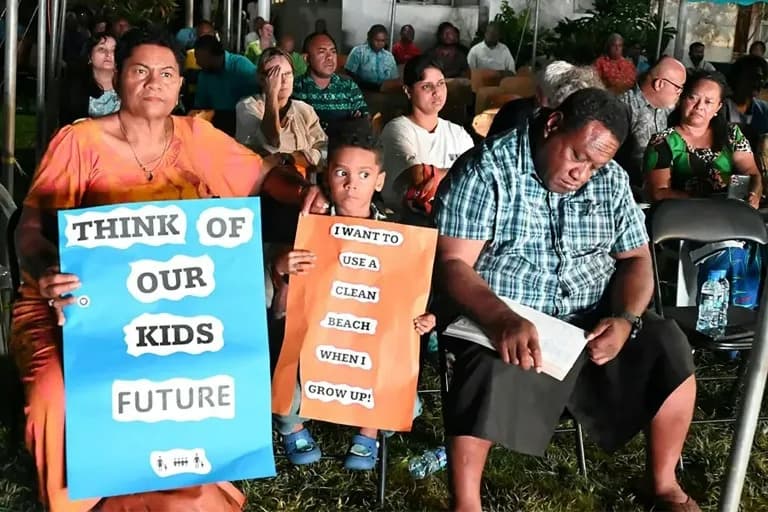
Fiji's environment ministry rejected an Australian billionaire's plan to import and burn waste from the region. (Handout)(Handout/Fiji’s Ministry of Environment and Climate Change/AFP)
Fiji's environment ministry on Thursday rejected a proposal from Australian investors to import and burn non-recyclable waste for energy, following strong opposition from traditional landowners, tourism operators and local communities.
Why The Proposal Was Turned Down
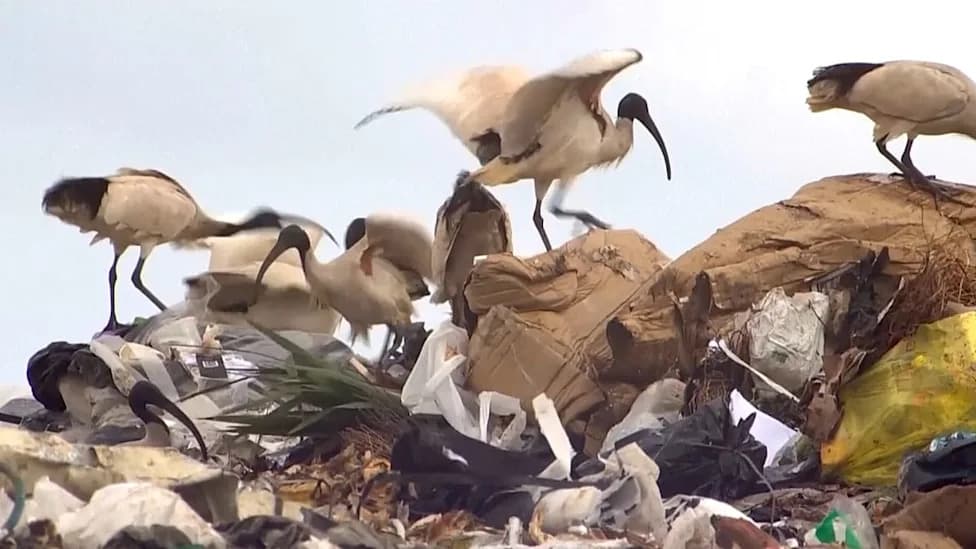
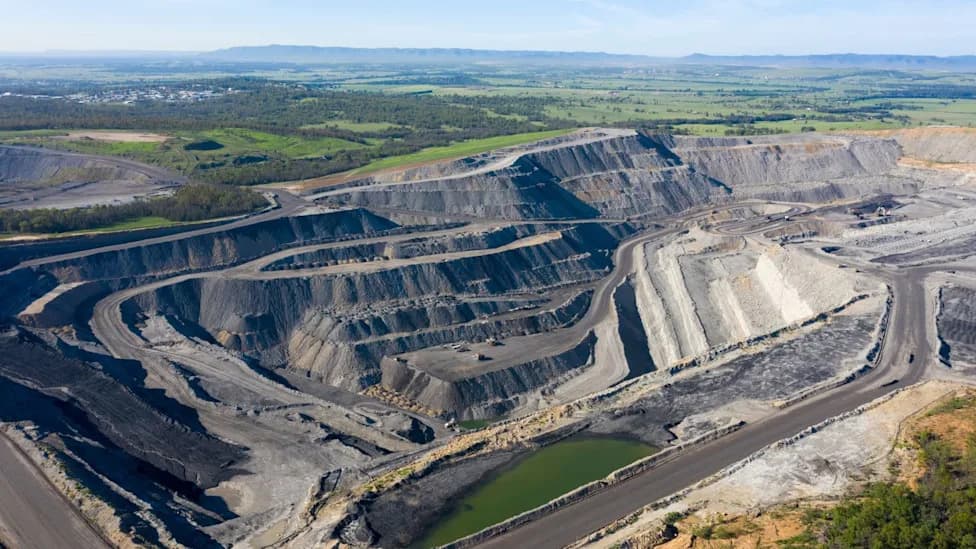
The scheme, put forward by The Next Generation Holdings (TNG) and backed by Australian entrepreneurs Ian Malouf and Rob Cromb, would have involved shipping regional non-recyclable waste to Fiji and building an incinerator and private port. The plant was designed to process up to 900,000 tonnes of waste per year and was proposed within 15 km (9 miles) of Nadi — Fiji's main tourism gateway.
Official Concerns: Fiji's environment ministry cited the project's scale, the importation of regional waste, the management of hazardous ash, and unresolved public health risks as grounds for refusal. Officials also said submitted materials failed to adequately address potential impacts on tourism, the environment, and the project's economic case.
'The Vuda coast north of Nadi must not become the Pacific's ashtray,' said Fiji's ambassador to the United Nations, Filipo Tarakinikini, in April, reflecting local sentiment against the plan.
Developers' Claims And The Environmental Trade-Off
Developers argued the plant could supply roughly 40% of Fiji's electricity needs and reduce reliance on diesel. However, an environmental impact statement lodged by the developers indicated the facility would raise Fiji's national greenhouse gas emissions by about 25% — a finding that alarmed residents and tourism stakeholders who warned that emissions could damage Fiji's eco-tourism reputation and pose safety concerns for nearby hotels and schools.
Ian Malouf previously spent seven years pursuing approval for a similar waste-to-energy project in Sydney, which was ultimately rejected in 2018 on human-health grounds. Rob Cromb, who founded the Paris-born Kookai fashion label, has business ties to Fiji through clothing manufacturing.
TNG did not provide an immediate comment on the ministry's decision.
Broader Context
The decision highlights growing regional sensitivities about importing waste and the limits of waste-to-energy solutions when weighed against local health, environmental and tourism interests. Fiji's secretary for the environment, Sivendra Michael, stressed this was not a blanket rejection of new waste solutions or foreign investment but that potential impacts and risks could not be satisfactorily assessed or managed based on the materials provided.
Help us improve.