The U.S. plans to decommission the Ocean Observatories Initiative (OOI), a network of more than 900 seafloor instruments launched in 2016 to provide long-term ocean monitoring. Researchers warn the OOI is crucial for tracking changes such as shifts in the Atlantic Meridional Overturning Current. The closure—linked to Project 2025 recommendations—reflects budget and political priorities; scientists say it will weaken long-term climate and ocean monitoring and could be costly to replace.
U.S. Moves To Dismantle Ocean Observatories Initiative, Sparking Scientific Alarm

advanced ocean monitoring system using a VR headset to control unmanned vehicles - Evannovostro/Shutterstock
The U.S. government is preparing to decommission the Ocean Observatories Initiative (OOI), a 900+-instrument seafloor network launched in 2016 that was intended to operate for 25 years. The decision would remove a continuous, long-term source of ocean-climate data used by researchers worldwide.
Why This Matters
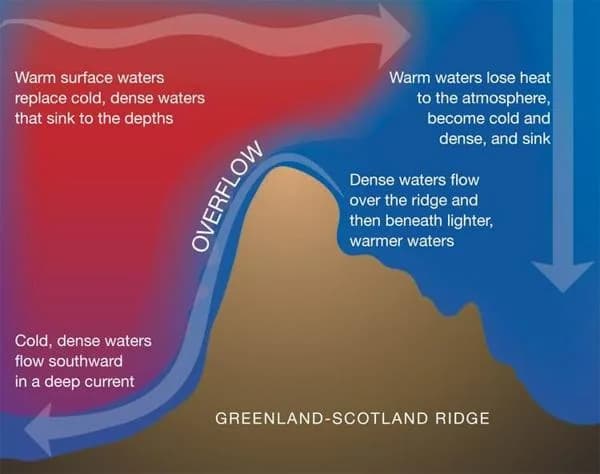
The OOI has provided critical, continuous observations of ocean conditions off the coasts of Oregon, Alaska, North Carolina, Washington State and in the Irminger Sea between Greenland and Iceland. Scientists say the network has been especially important for tracking long-term changes in the Atlantic Meridional Overturning Current (AMOC), a large-scale circulation system that some researchers warn could weaken or collapse as the planet warms.

older male scientist, worried, hands in front of his face - Moyo Studio/Getty Images
Costs, Politics, And The Decision
The OOI required roughly $370 million to build and has carried an estimated operating cost near $48 million per year. The move to close the program is linked to Project 2025's "Mandate for Leadership," a Heritage Foundation plan that recommended ending the OOI, describing it as a key source of what the group characterizes as NOAA's "climate alarmism." Officials have cited budget concerns and priorities as drivers of the decision.
Scientists' Concerns
Researchers and former NOAA officials have criticized the decision. Jim Edson, a marine meteorologist, described the network as "the world's most advanced continuously operating ocean observing system" (via the New York Times), and Dr. Craig McLean, who served as acting chief scientist at NOAA, said in Oceanographic Magazine that dismantling the OOI reflects a "lack of understanding" of the value of long-term scientific infrastructure. Critics warn the move could weaken U.S. scientific leadership and leave researchers less prepared to detect and respond to accelerating ocean changes.
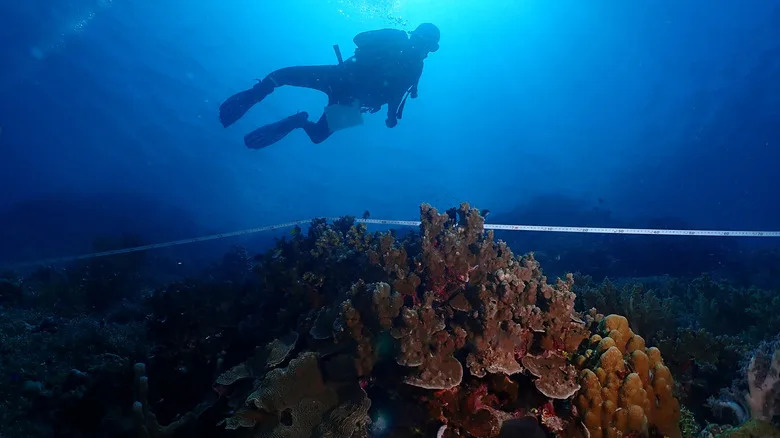
scuba diver monitoring a coral reef in the deep ocean - Wrldofsdk/Shutterstock
Operational Details And Timeline
Officials plan to begin decommissioning this year, with the process expected to take roughly 15 months. Some instruments—notably those off Oregon that monitor waters near an active submarine volcano—are slated to continue operating through 2028. Each instrument sits on the seafloor and is anchored with moorings; recovery requires cutting or retrieving moorings and hoisting pressure-rated sensors back to the surface, a complex and costly operation.
What Was Already Cut
Parts of the OOI were shut down in 2025 to reduce operating costs, but those reductions did not prevent the decision to decommission the entire program. Supporters of the OOI argue that the network cannot be easily or cheaply re-created if funding is restored later, for example through the National Science Foundation.
Broader Context
The proposed decommissioning comes amid broader federal proposals to reduce funding for marine-life science, fisheries research, and climate-related programs, and amid proposed changes to NASA's climate-related work. Scientists caution that losing sustained, high-quality observations like those from the OOI will limit the ability to monitor long-term ocean trends that affect fisheries, coastal flood risk, and global climate understanding.
Bottom line: Removing the OOI would eliminate a rare, long-term ocean observatory network—raising practical, scientific and geopolitical concerns about the United States' capacity to track and respond to ocean-climate change.
Help us improve.