As summer demand for cooling spikes, Iran is confronting a widening gap between energy supply and consumption despite large oil and gas reserves. Longstanding subsidies and politically sensitive reforms limit Tehran's ability to resolve shortages, while refinery output has dipped and consumption has surged. The government is relying on tighter rationing and imports, with small businesses and households already feeling the strain.
Iran Faces Summer Energy Squeeze: Rationing, Imports and Political Limits on Reform
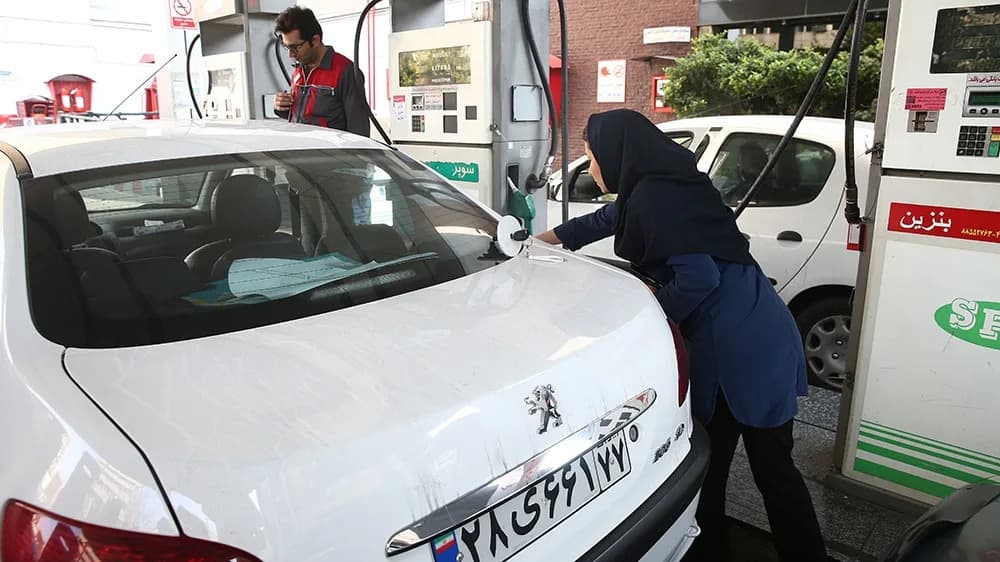
A woman fills up her car's tank at a petrol station, after fuel price increased in Tehran, Iran November 15, 2019 [Nazanin Tabatabaee/WANA via REUTERS]
Tehran — As Iran enters the peak summer season, soaring use of air conditioning and other high-demand services is widening a growing gap between energy supply and consumption across the country.
Subsidies, Rationing and Budget Pressure
For decades, successive Iranian administrations have kept household and office utility bills far below actual supply costs through a mix of implicit oil-and-gas subsidies, administered tariffs, state-controlled pricing and occasional direct transfers. Those policies helped shield consumers but have strained public finances for years. The economic fallout from the war with Israel and heightened tensions with the United States have further reduced Tehran's fiscal room for manoeuvre.
Why Shortages Are Rising
Despite holding vast hydrocarbon reserves, Iran's domestic refinery output has not kept pace with rising demand, forcing the country to import fuel. Officials say refinery production capacity has slipped slightly from about 115 million litres per day to roughly 110 million litres per day following strikes on energy facilities. Reported consumption has surged from roughly 10 million litres per day in 2025 (about 2.64 million gallons) to an estimated 140 million litres per day this year (about 36.98 million gallons), illustrating how demand is outpacing refining and distribution capacity.
How Rationing Works
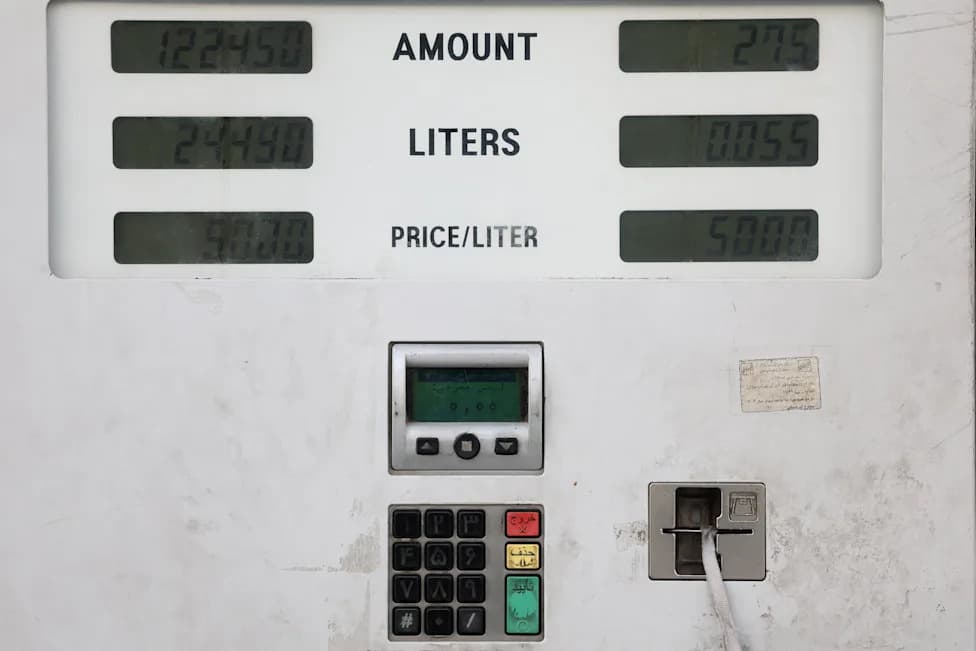
The government uses a complex three-tier fuel-card system to ration petrol. Under the scheme, most owners of Iranian-made vehicles receive a monthly allocation of subsidised petrol via a state-issued card. Additional allowances are available at higher prices via an "emergency card" issued at petrol stations. Since the war began, daily caps were tightened and stations have reportedly been instructed to restrict emergency-card sales further due to supply constraints.
"Reforming and increasing the price of energy is currently not feasible and logical due to the current economic conditions and social concerns," said Esmail Saghab Esfahani, a vice president at the state-linked Organization for Energy Optimization and Strategic Management.
Impact On Households And Small Businesses
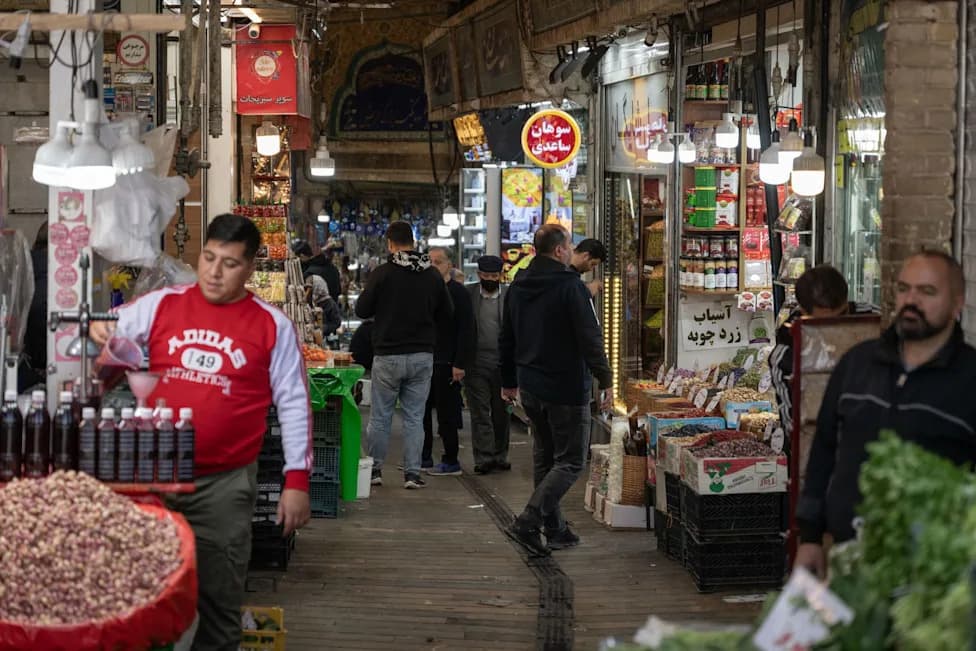
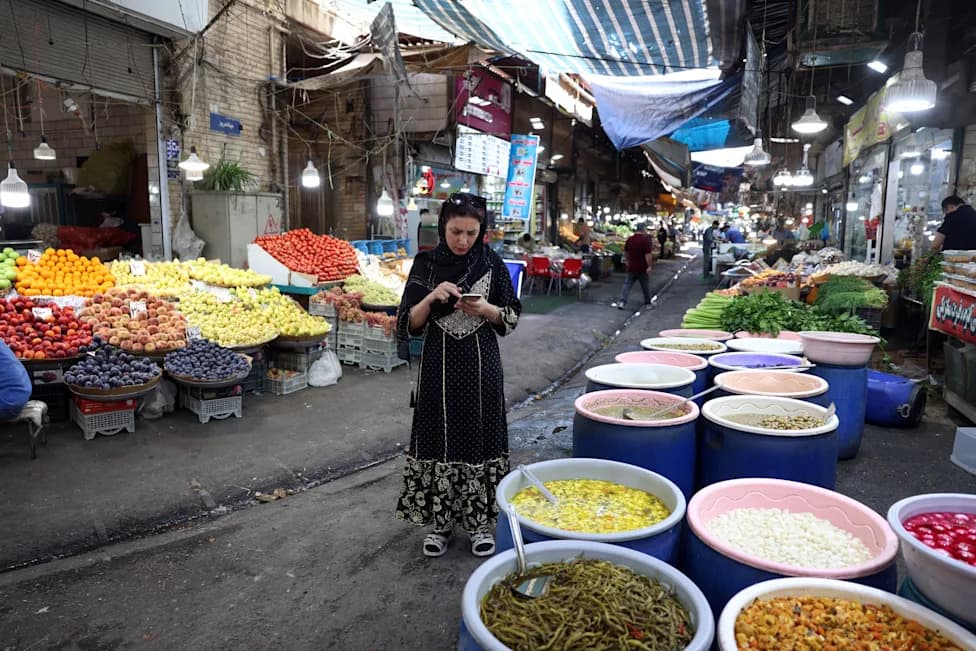
Although nominal household energy prices remain low by international standards, chronic inflation, currency depreciation, sanctions, corruption and mismanagement have eroded the practical benefits of subsidies. Small businesses are reporting sharp increases in bills: one welding workshop owner near Tehran said his electricity bill rose from about 40 million rials (roughly $23 last year) to nearly three times that amount this year.
Authorities say billing complaints will be reviewed. Official systems still treat normal household consumption at low rates, but they can penalise excessive users with tariffs many times higher than the subsidised rates.
Risks Ahead
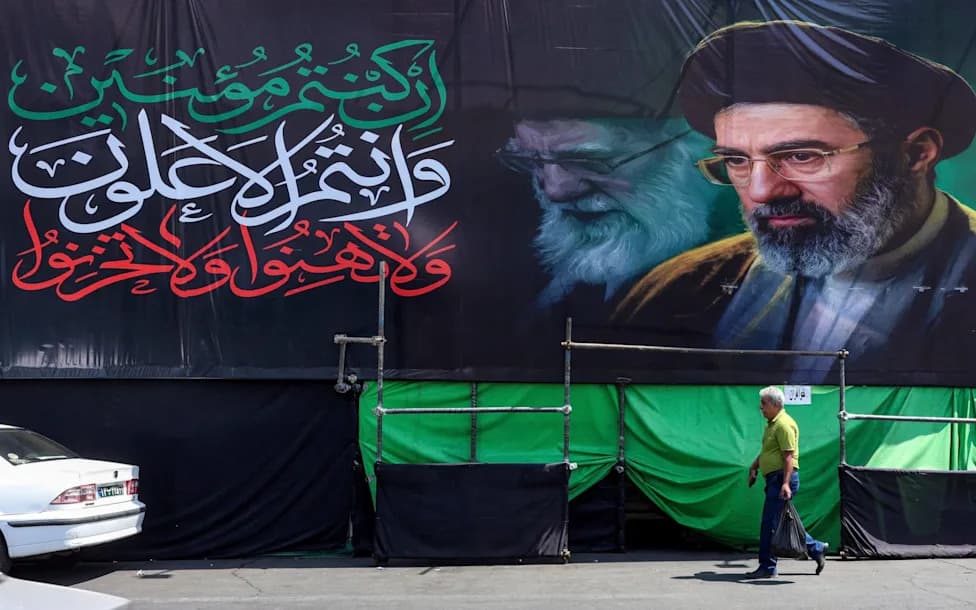
Strikes on energy infrastructure and public warnings of potential attacks have increased public anxiety about blackouts and fuel shortages. Political leaders are reluctant to pursue steep, rapid price hikes because of social and political sensitivities—especially after the unrest that followed a major fuel price reform in 2019.
With limited fiscal space and constrained refining capacity, Iran's options this summer are narrow: tighten rationing, increase imports where possible, or risk power outages and longer petrol queues. Each option carries economic and political costs.
What To Watch: whether Tehran can secure additional imported fuel, whether rationing measures are expanded further, and whether authorities introduce targeted relief or gradual price reforms to ease fiscal pressures without triggering unrest.
Help us improve.