The U.S. FDA's Center for Drug Evaluation and Research has accepted a letter of intent for an AI-driven digital liver model into its ISTAND pilot programme. The tool aims to predict drug-induced liver injury for new small-molecule drugs by comparing their chemical structures with medicines that have known safety profiles. Acceptance marks the first step in a multi-stage qualification process that could lead to regulatory use and reduce reliance on animal testing.
FDA Accepts AI-Driven Digital Liver Model Into ISTAND Pilot To Predict Drug-Induced Liver Injury
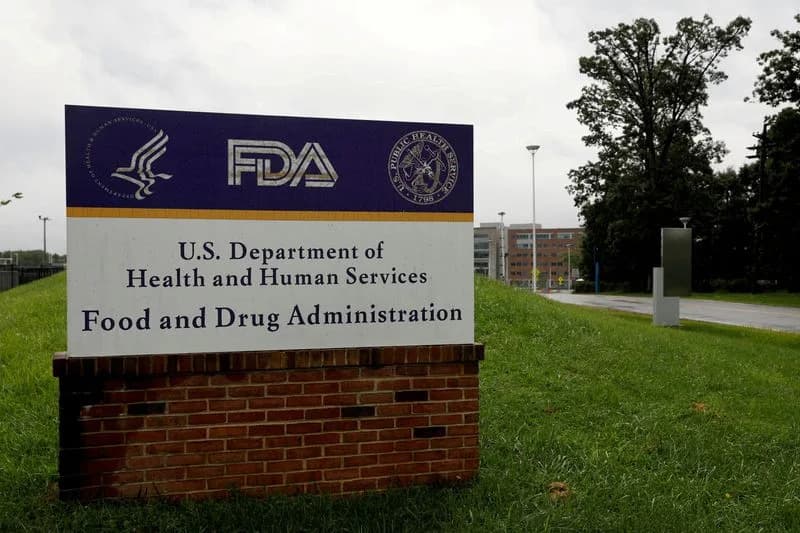
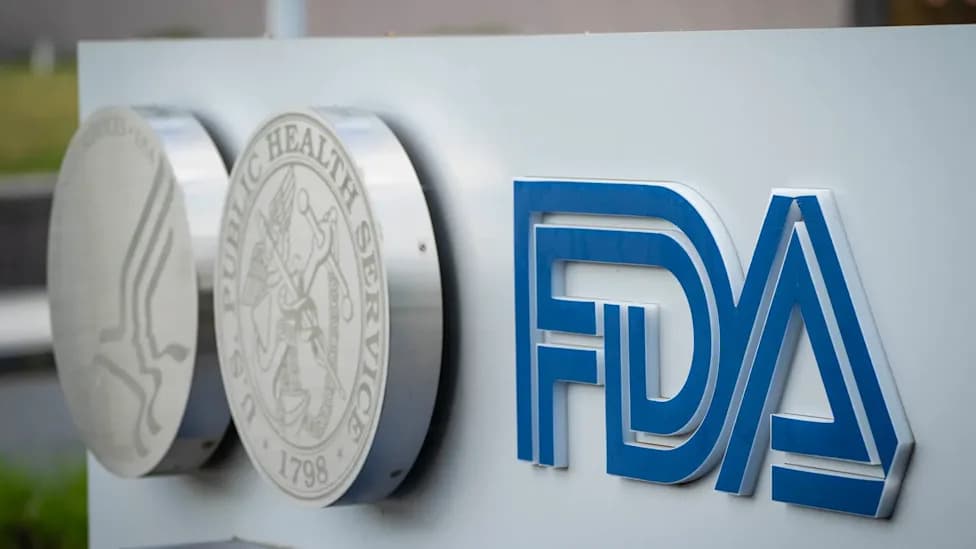
FILE PHOTO: Signage is seen outside of the Food and Drug Administration (FDA) headquarters in White Oak, Maryland, U.S., August 29, 2020. REUTERS/Andrew Kelly/File Photo
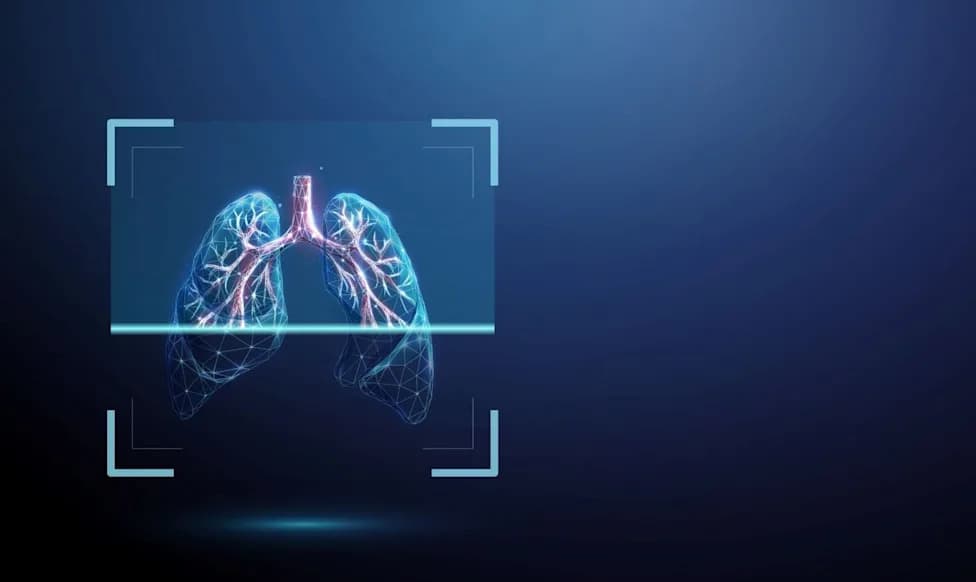
The U.S. Food and Drug Administration's Center for Drug Evaluation and Research (CDER) has accepted a letter of intent for an artificial intelligence-driven digital liver model intended to help predict drug-induced liver injury (DILI). The move places the tool into CDER's Innovative Science and Technology Approaches for New Drugs (ISTAND) pilot programme as the first formal step in a potential qualification pathway.
Why This Matters
Drug-induced liver damage is a leading cause of clinical trial failures and post-market drug withdrawals. Existing preclinical methods and early-stage tests frequently fail to predict human liver risk reliably. Regulators say AI-driven models that compare the chemistry of new compounds with medicines that have known safety records could improve early safety assessments, reduce reliance on animal testing and help developers make better-informed decisions before advancing to human trials.
Key Details
- The AI tool is a digital liver model designed to assess the risk of liver toxicity for new small-molecule drugs by comparing their chemical structures with those of approved or well-characterized medicines.
- Acceptance of a letter of intent into the ISTAND pilot programme is the first step in a multi-stage Drug Development Tool qualification process that could eventually allow drugmakers to reference the tool in regulatory submissions.
- The FDA's Drug Development Tool qualification program collaborates with developers to define how a tool can be used for a specific context; the letter of intent helps the agency decide whether to accept a proposed tool into the program.
- CDER's acting director, Michael Davis, noted that new technologies are promising for streamlining drug development and ultimately improving patient care.
"New technologies are showing incredible promise in helping improve and streamline drug development, with the ultimate goal of enhancing patient care," said Michael Davis, CDER's acting director.
This acceptance does not mean the tool is approved for regulatory use; rather, it begins a qualification dialogue between the developer and the FDA. If the tool successfully completes the qualification process, sponsors could rely on it to support safety evaluations and regulatory filings.
(Reporting by Siddhi Mahatole in Bengaluru; Editing by Diti Pujara)
Help us improve.