Visually impaired campaigners in Leeds and West Yorkshire warn that "floating" bus stops — where passengers must cross or board from cycle lanes — create confusion and safety risks. An RNIB survey found 49% of blind and partially sighted people reduce journeys to avoid such stops. The Department for Transport paused certain installations in November 2025 and revised guidance in January 2026; local councils say they are making design changes and adding tactile paving, controlled crossings and pedestrian-priority measures.
Visually Impaired Campaigners Warn 'Floating' Bus Stops Put Passengers at Risk
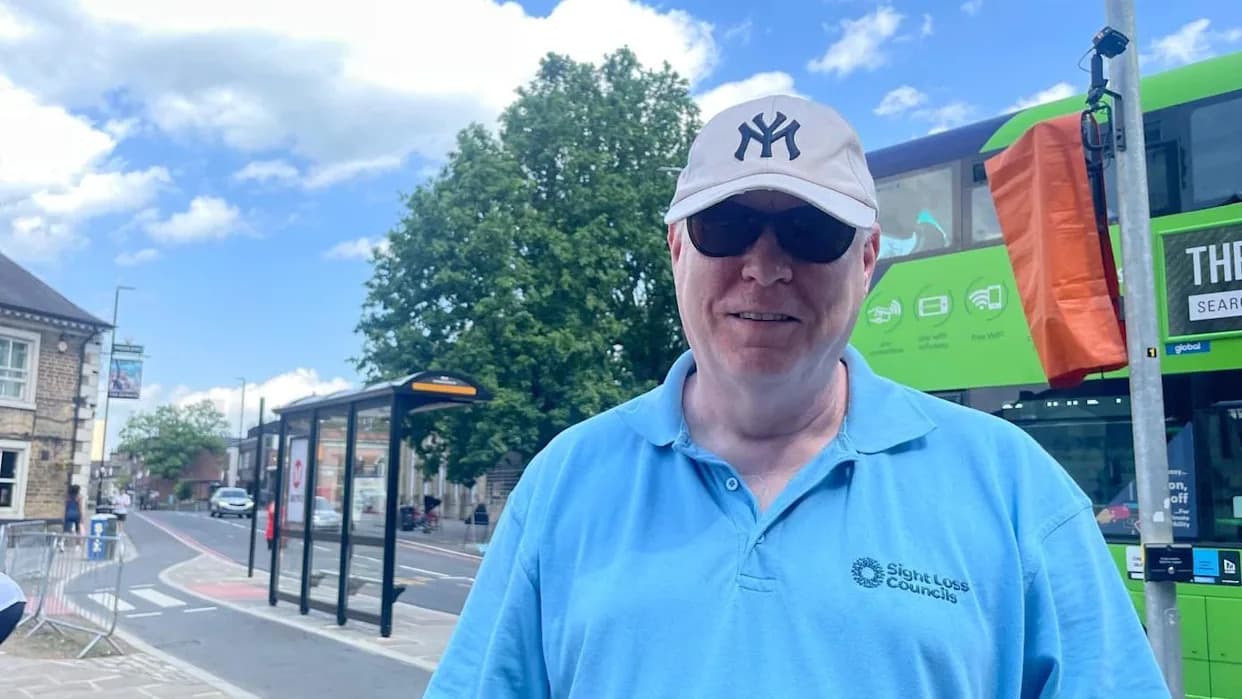
Iain Mitchell told the BBC he relies heavily on public transport [Sofía Luis-Hobbs/BBC]
New-style "floating" bus stops installed across Leeds and parts of West Yorkshire are drawing sharp criticism from visually impaired passengers who say the designs make boarding buses harder and riskier. Campaigners say the layouts — which place bus boarding points within or beyond cycle lanes — force people to cross active cycle tracks or step into lanes where cyclists ride, creating confusion and fear for those with limited sight.
Why Campaigners Are Concerned
Iain Mitchell, 62, who has been registered as severely sight impaired since birth and coordinates sight-loss councils across Yorkshire for the Thomas Pocklington Trust, describes using some floating stops as "like playing a game of Frogger, but with real people." Mitchell says he often relies on cyclists noticing and giving way, and that the current layouts reduce his ability to control his environment and travel safely. He sometimes uses a mobility cane.
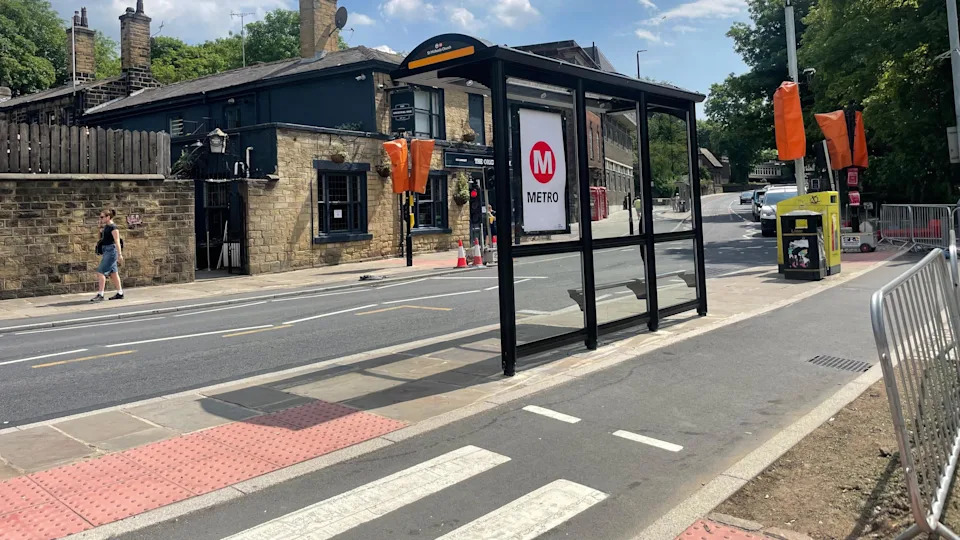
St Michael's Church bus stop in Headingley is an example of bus stop bypass layout [Sofía Luis-Hobbs/BBC]
"I am really at risk because I am reliant on cyclists seeing me," Mitchell said. "We would always want traffic signals to indicate when it's safe for us to cross."
Another campaigner, Maqsood Sheikh, 56, who works with the Royal National Institute of Blind People (RNIB), says floating stops can be hard to locate because they are not always on the pavement. He described stepping out into a live cycle lane as an "unsafe, unsettling, dangerous feeling," adding that guide dog users face particular anxiety because guide dogs walk slightly ahead of their owners.
What Floating Bus Stops Are
"Floating bus stop" is a broad term that covers several layouts in which a bus stop, a cycle path and a pedestrian footway are arranged so that passengers may have to cross a cycle lane to reach a boarding island. The Department for Transport (DfT) definition includes bus stop bypasses, shared-use borders and cycle tracks with a boarding island. Configurations vary, with some designs placing the bus stop effectively on an island separated from the pavement by a cycle lane.
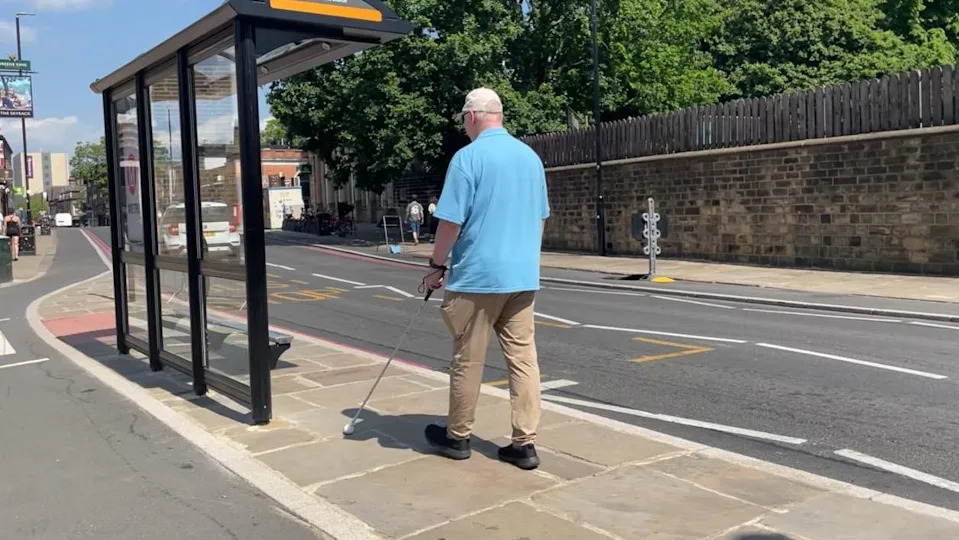
Iain Mitchell had to cross a cycle lane to get to St Michael's Church bus stop in Headingley [Sofía Luis-Hobbs/BBC]
Policy Response and Local Action
In November 2025 the minister for roads and buses, Simon Lightwood, wrote to local authorities in England asking them to pause the installation of floating bus stop designs that require passengers to board directly from or into a cycle track. That pause remains in place, and the DfT has issued updated guidance in January 2026 recommending adjustments where such designs already exist.
Leeds City Council says there are currently 131 floating stops in the council area and that three recently installed stops on the A660 in Headingley are being altered after feedback. Planned changes include narrowing the cycle path as it approaches the stop and giving pedestrians priority when crossing the path. A council spokesperson noted the original A660 arrangements complied with the guidance in force at the time and pointed to the revised guidance issued in January 2026.
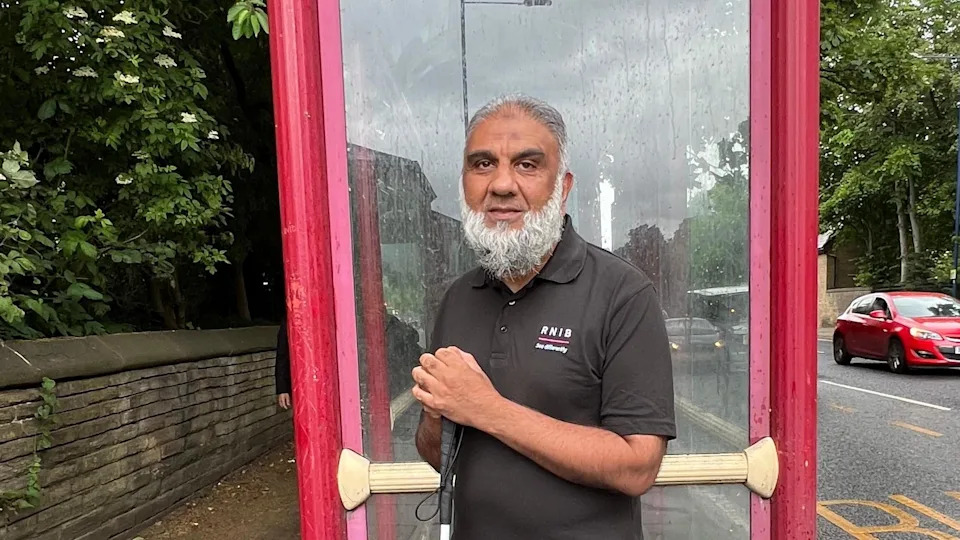
Maqsood Sheikh said there was a risk visually impaired people wouldn't be able to locate the bus stop [Sofía Luis-Hobbs/BBC]
Kirklees Council, where two floating stops are planned for Bradford Road in Cleckheaton as part of A638 improvements, said it has carried out a safety audit and will include tactile paving, controlled pedestrian crossings and pedestrian-priority measures in the design to help visually impaired users.
Evidence of Impact
The RNIB surveyed blind and partially sighted people and found that 49% make fewer journeys to avoid floating bus stops — a sign of the psychological as well as practical impact these layouts can have. Campaigners are calling for closer consultation with visually impaired communities before any further installations and for stronger mitigations such as signal-controlled crossings at busy stops.
Martin Bennett Stanley of Leeds Cycling Campaign acknowledged floating stops can be effective when correctly designed and implemented to established guidance, but warned poor widths, visibility and stopping space — often caused by attempts to retain motor traffic lanes — can create unsafe conditions for all users.
What Campaigners Want
Visually impaired groups want councils and transport authorities to:
- Consult directly with blind and partially sighted users before approving new floating stops;
- Prioritise signal-controlled or clearly marked crossings to protect passengers stepping across cycle lanes;
- Apply tactile paving, audible signals and consistent wayfinding so stops are easy to locate from the pavement;
- Retrofit existing floating stops where necessary to meet the updated DfT guidance and users' needs.
With local authorities making changes and national guidance updated, campaigners are watching to see whether those measures will make floating stops genuinely safer and more accessible — or whether more fundamental design changes are needed.
Help us improve.