The Social Market Foundation’s survey of 2,500 parents finds 44% of the UK’s roughly 17 million parents say feeding their children is harder now than five years ago, and 9% report children often or always lack enough to eat. The SMF, in a report sponsored by Deliveroo, recommends expanding free school meals, introducing a national opt-out enrolment system, and offering tax incentives for food donations. The government’s Child Poverty Strategy — including ending the two-child benefit cap — is expected to lift hundreds of thousands of children out of poverty, but DWP projections still foresee around 4.2 million children in relative low income by the final year of the next Parliament.
Almost Half of UK Parents Say Feeding Children Is Harder Than Five Years Ago, New Survey Finds
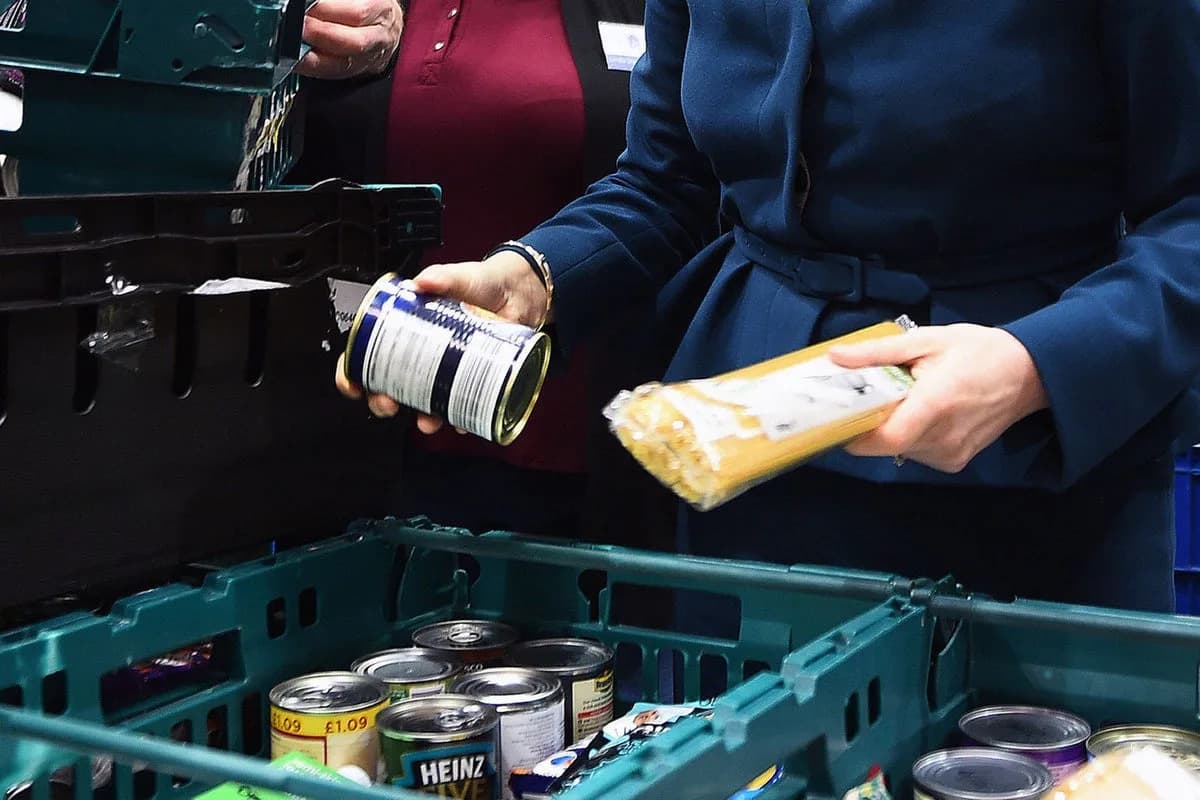
Almost half of parents say feeding their children is harder than five years ago, shock survey reveals
Millions of UK parents report growing difficulty putting food on the table for their children, according to a new survey by the Social Market Foundation (SMF). The poll of 2,500 parents, conducted by Opinium and reported in an SMF study sponsored by Deliveroo, highlights rising family food insecurity and urges further government action.
Key Findings
Worsening Access to Food: The survey finds that 44% of the nation’s roughly 17 million parents say feeding their children is harder now than it was five years ago.
Food Shortages at Home: Around 9% of parents say their children are often or always unable to eat enough because there is not enough food in the home.
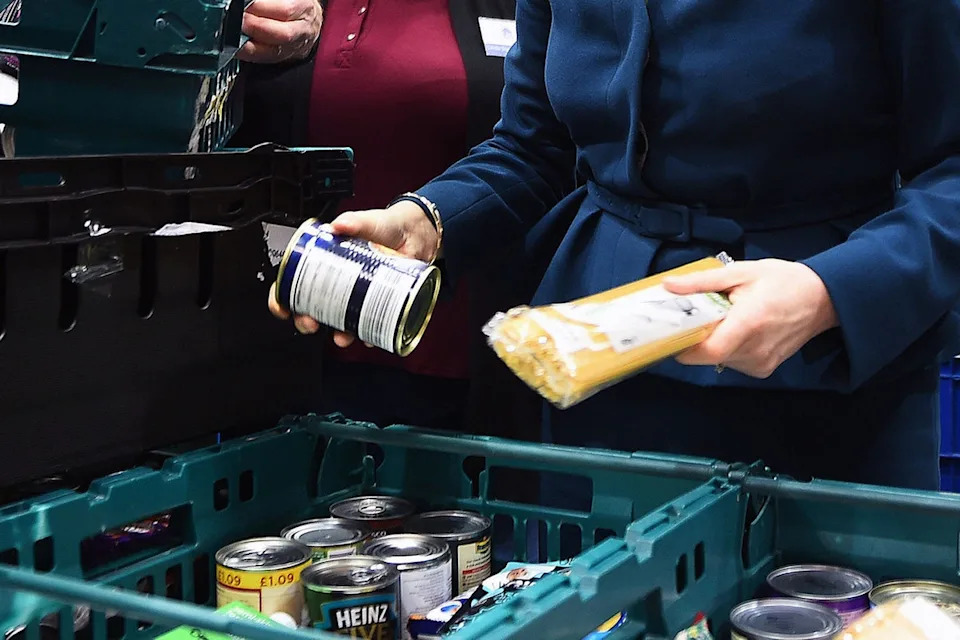
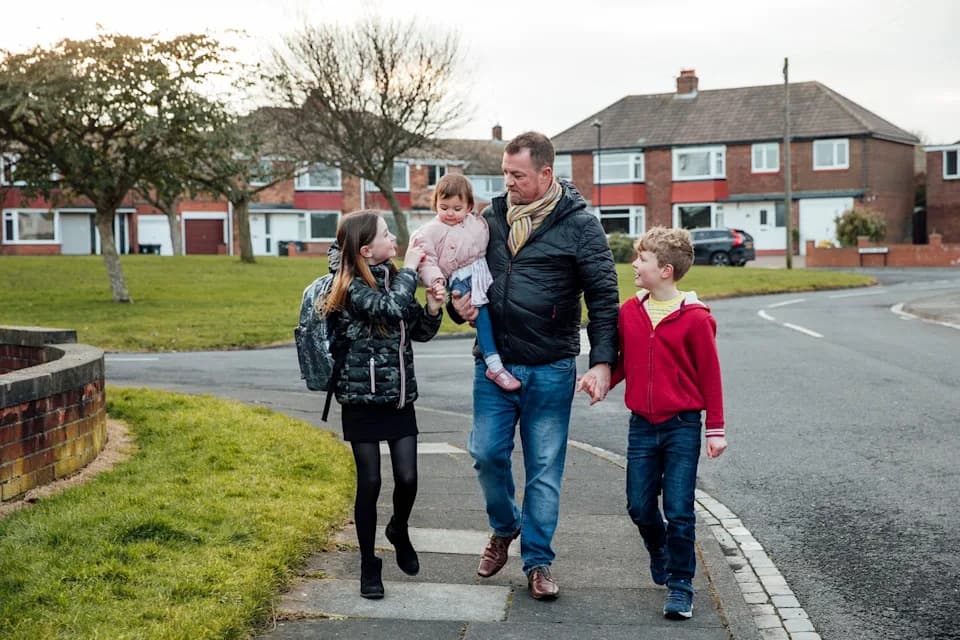
Parents in the UK are facing rising difficulty in feeding their children (Andy Buchanan/PA) (PA Wire)
Diet Quality and Limited Choices: Ten per cent of respondents reported being unable to provide a balanced meal for their child, and 15% said they rely on just a few low-cost foods to feed their family.
Policy Context and Recommendations
In December the government published a 10-year Child Poverty Strategy intended to reduce child poverty. The headline measure — ending the two-child benefit cap in April — is estimated to lift about 450,000 children out of poverty. Other measures include expanding free school meals, increasing childcare support, and banning the unlawful use of bed-and-breakfast accommodation for families.
Despite these steps, Department for Work and Pensions (DWP) projections indicate roughly 4.2 million children could still be in relative low income by the final year of the next Parliament, down from an estimated 4.7 million today.
SMF Recommendations
- Expand and strengthen free school meal provision, including introducing a national opt-out enrolment system to increase take-up.
- Introduce tax incentives for food donation, modeled on schemes in some EU countries, to encourage redistribution of surplus food.
- Prioritise measures that increase household incomes — through stronger social security and policies that keep food affordable and accessible.
Jake Shepherd, Senior Researcher at the Social Market Foundation: “Few issues deserve greater urgency than hungry children. While the government has taken important steps, our findings show family food insecurity is widespread and further action is likely needed. The most effective response is increasing the amount of money families have in their pockets, alongside policies that keep food accessible.”
The SMF report highlights both immediate practical measures and longer-term reforms to reduce child food insecurity. The government was approached for comment.
Help us improve.