Unless Congress steps in, a forthcoming federal regulation could require most new passenger vehicles to include systems that monitor driver behavior and—if impairment is detected—prevent or limit vehicle operation. The proposal, rooted in the 2021 HALT Drunk Driving Act, raises urgent questions about road safety, privacy, data ownership and government surveillance.
Background
Congress included the HALT (Help End Alcohol-Related Tragedies) Drunk Driving Act in 2021 as part of a larger infrastructure package. The law directed the National Highway Traffic Safety Administration (NHTSA) to issue rules requiring automakers to equip new passenger vehicles with technology to detect and prevent alcohol- or impairment-related driving within five years.
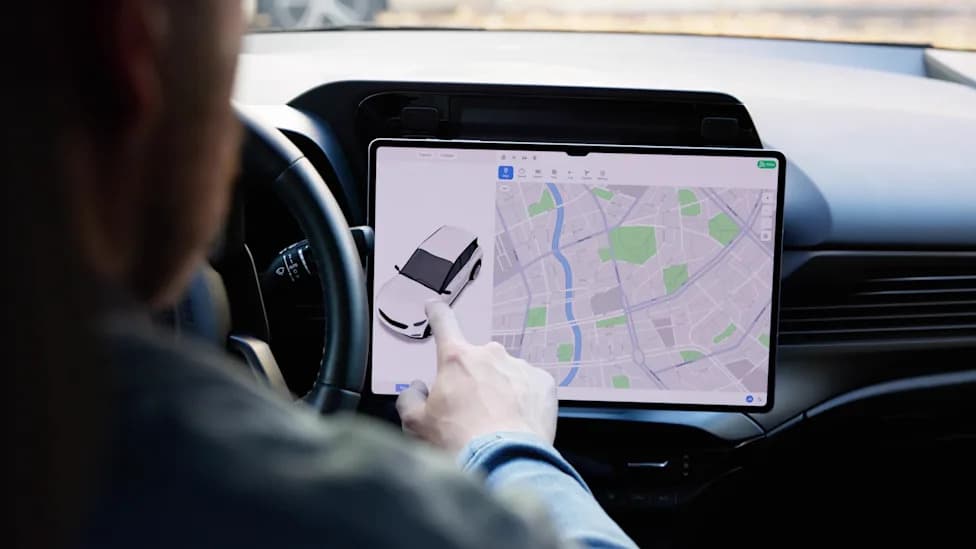
Those regulations are still being drafted and could take effect as soon as next year. The statute’s language explicitly allows systems that can "passively monitor the performance of a driver of a motor vehicle" and that may "prevent or limit motor vehicle operation if an impairment is detected." Although the bill does not use the phrase "kill switch," the potential for a system that can disable or restrict a vehicle is clear.
Safety Arguments Versus Privacy Risks
Advocates say the mandate could save lives by preventing crashes caused by impaired drivers. According to NHTSA, more than 30 people die each day in crashes involving alcohol-impaired driving; in 2024, 11,904 people died in such preventable incidents.
Opponents warn the requirement could create pervasive surveillance: cars that monitor drivers continuously, collect sensitive data and potentially give governments or private companies unprecedented access to that information. On the House floor, Rep. Thomas Massie (R-Ky.) warned the dashboard could become "your judge, your jury and your executioner." Rep. Chip Roy (R-Texas) has argued the mandate risks Americans’ Fourth Amendment protections and asked, "Do you really want to put that kind of data collection mandated inside every car?"
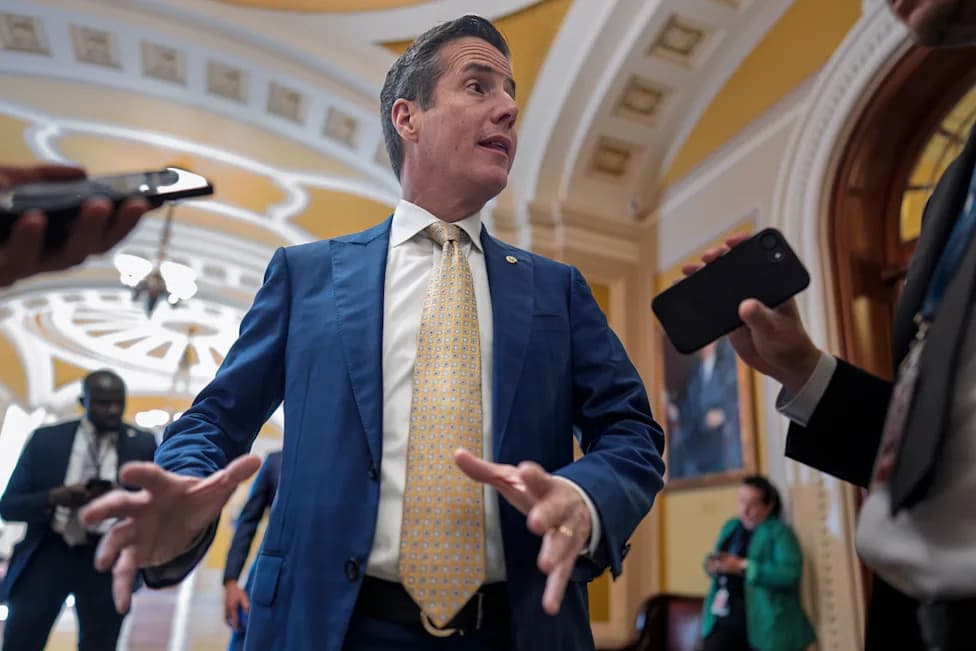
U.S. Rep. Thomas Massie, R-Kentucky, speaks with supporters on May 19, 2026, in Hebron.
"The car itself will monitor your driving, and if the car thinks that you're not doing a good job driving, it will disable itself," — Rep. Thomas Massie.
Where The Push Came From
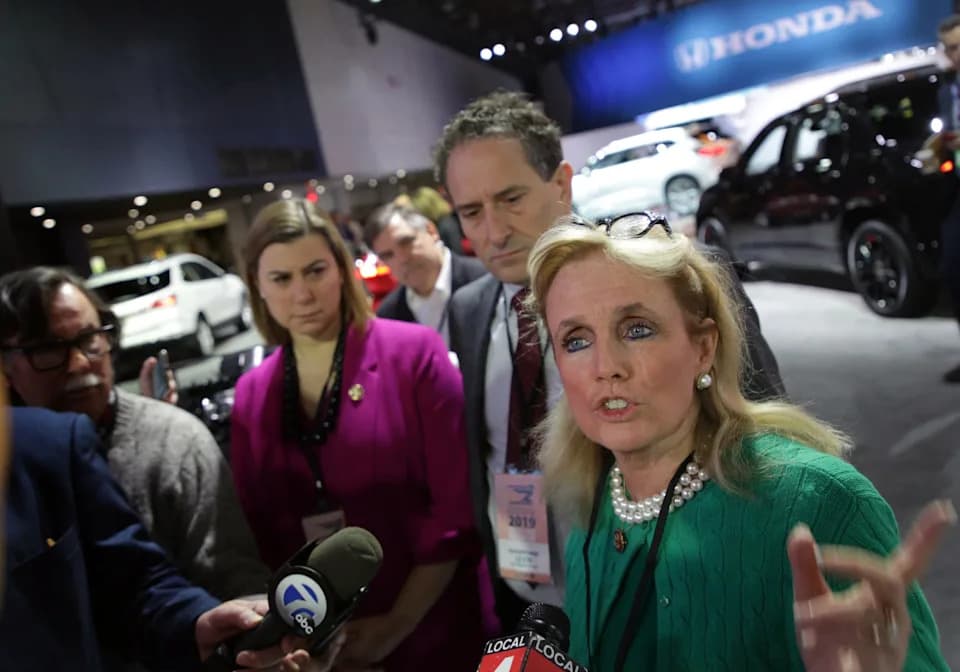
The effort to require anti-impaired-driving technology grew out of high-profile tragedies. Michigan Rep. Debbie Dingell championed the measure after a 2019 crash in which a drunk driver killed a family of five. The issue is also personal to many: the columnist recounts losing an aunt and her partner to a drunk driver in 1987—an experience that shaped her view on prevention.
Political Fight And Next Steps
A House amendment to defund the mandate failed in a 164–268 vote, but debate continues. Some Republicans and civil libertarians have pressed efforts to repeal or block the rule, arguing that preventing impaired driving does not justify broad government or corporate monitoring without strict safeguards.
Before any rule is finalized, lawmakers should answer key questions about privacy: Who will own and control the data these systems collect? How long will data be retained? Who can access it—and under what legal standards? Clear limits, strong data-security requirements and meaningful privacy protections should accompany any technology that can restrict vehicle operation.
Conclusion
There is no simple answer. The potential to prevent deadly crashes is compelling, but so are concerns about surveillance and civil liberties. Congress should not let a major change to how Americans travel become law without clear statutes or regulations that protect privacy, limit data collection and ensure vehicle-control features cannot be abused.
Ingrid Jacques is a columnist at USA TODAY. Contact: [email protected]. Follow on X: @Ingrid_Jacques.