The families of Air India Flight AI171 victims have spent nearly a year grieving and seeking answers after the Ahmedabad-to-London flight crashed last June. Of 242 people on board, 241 died and there was one survivor. The Ali family in Mumbai describes an altered home, a mother whose health has worsened, and frustration with delayed responses from airline-linked assistance programmes. A short voice message from the deceased brought one brother a measure of peace even as investigators prepare a final report.
A Year of Grief and Waiting: One Family’s Search For Answers After Air India Flight AI171
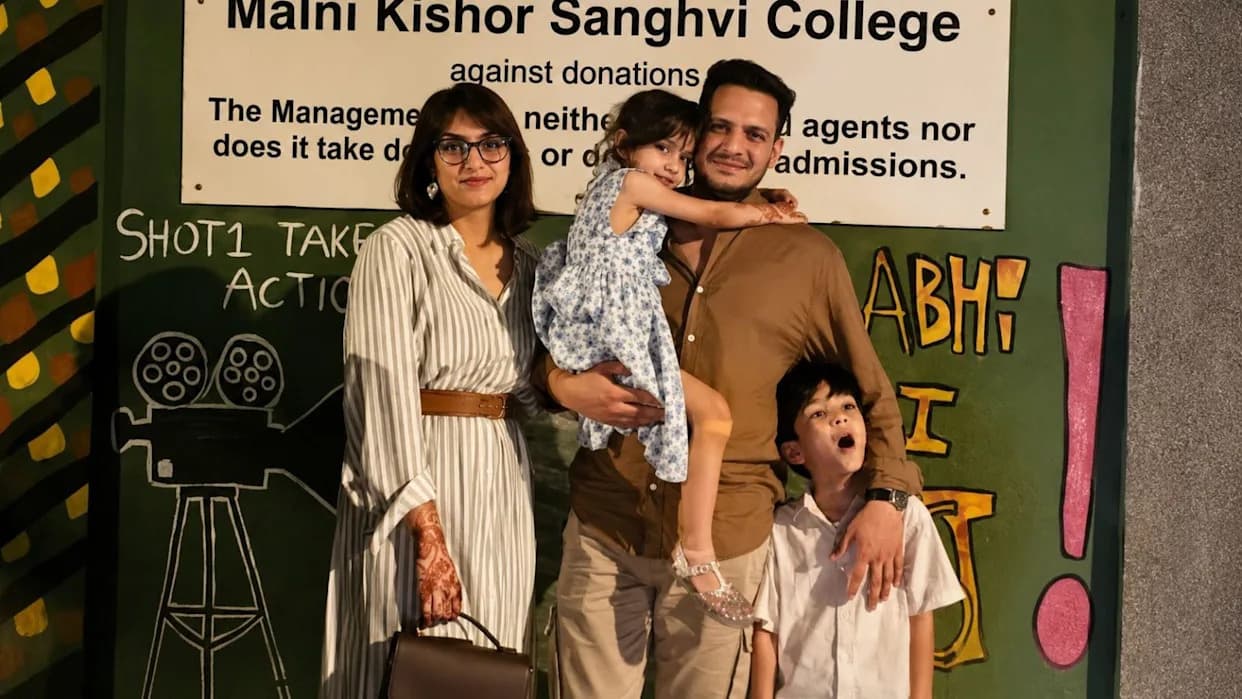
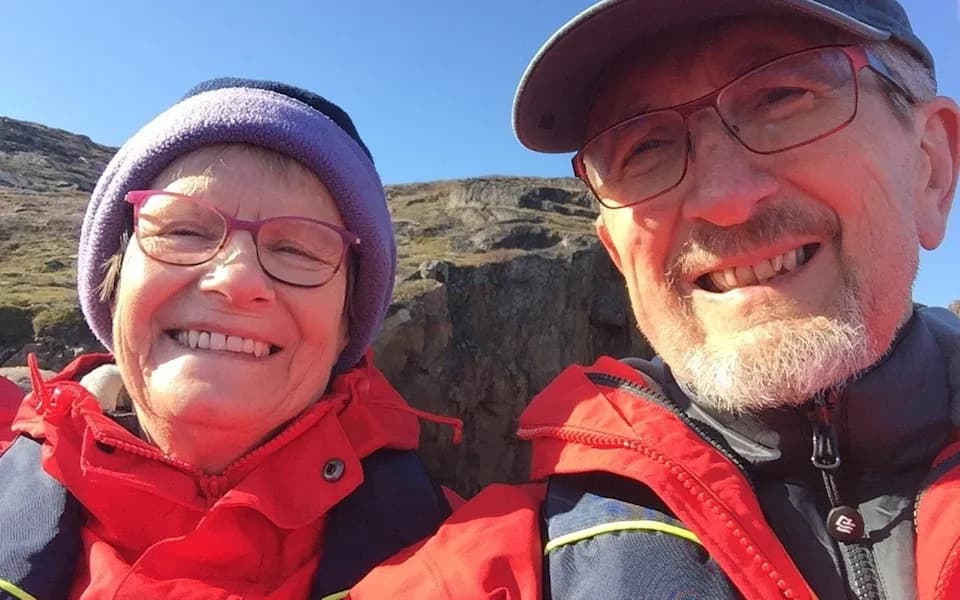
Javed, his wife Mariam and their two children died in the Air India plane crash last year [Imtiyaz Ali]
When I first called Imtiyaz Ali to arrange a meeting nearly a year after the crash that killed his brother Javed, his sister-in-law Mariam and their two children, he agreed to meet at his Mumbai home. Hours later he changed his mind. "Let's meet at the hotel instead," he said.
In the dim light of a business hotel, he explained why the family home no longer felt the same. Javed and his family had built lives in the UK but frequently returned to Mumbai to visit relatives. After the disaster, something in the house had shifted in a way ordinary routines could not repair.
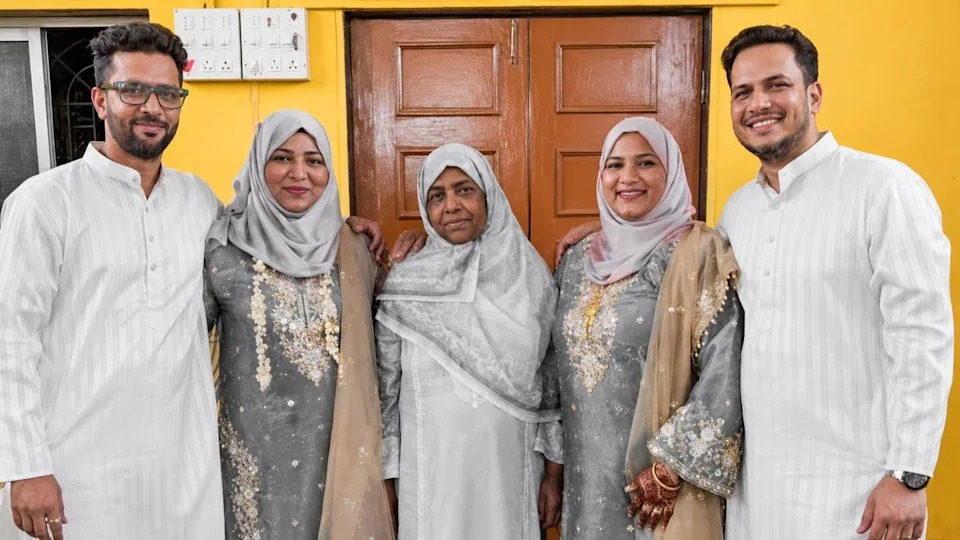
The family celebrated Eid together last year - it was just days before the crash [Imtiyaz Ali]
"It feels," Imtiyaz said slowly, "like Javed is still there."
His mother, Farida Bano, told the BBC simply: "He follows me everywhere. Day and night."
Investigation and Unanswered Questions
Investigators are expected to publish a final report in the coming weeks into the crash of Air India Flight AI171, the Ahmedabad-to-London service that plunged from the sky less than a minute after takeoff last June. Of the 242 people on board, 241 died and there was one survivor.
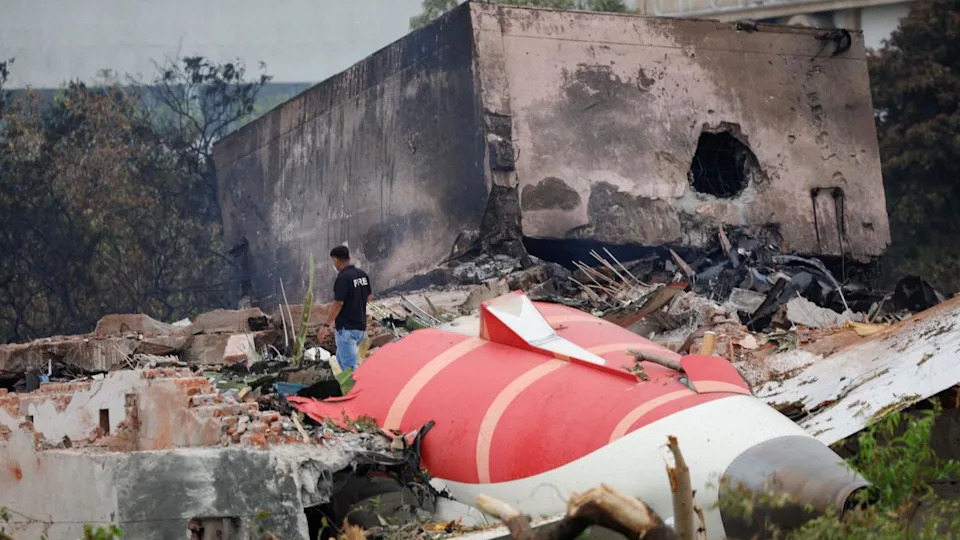
There was just one survivor among the 242 people on board. Nineteen people were killed on the ground [Reuters]
For the families, the past year has been marked by unanswered questions: what happened in the cockpit, why the aircraft lost thrust and whether the cause was human error, mechanical failure or something else. An interim report was published a month after the crash; the final report is due within the typical one-year window researchers follow for complex air crash inquiries.
Grief, Routine and Health
The Alis were an ordinary Mumbai family shaped by migration and sacrifice. Their father died early, the children were raised largely by their grandmother, and their mother worked abroad for many years. Javed later moved to the UK as part of a long wave of Indians seeking financial stability while remaining emotionally tied to home.
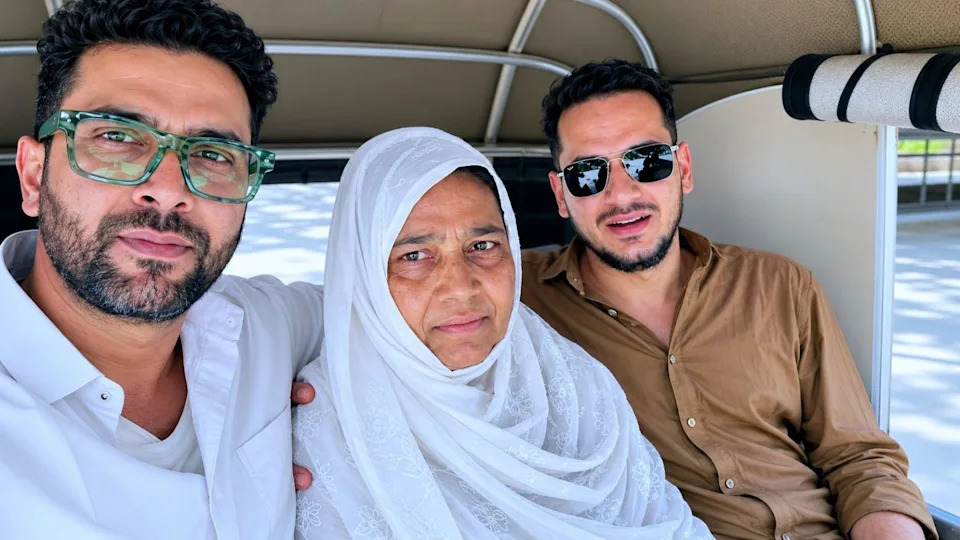
Javed's mum Farida Bano (centre) says her sons are her life - she can't bear the pain of losing one [Imtiyaz Ali]
Imtiyaz remembers how close his brother and mother were. "They would talk all day," he said. "And now the silence is what kills her." In the days after the crash the family tried to shield Farida from the full truth because she is a heart patient. News was given in fragments—first that there had been an accident, then that Mariam and the children were injured, and only later that Javed had died.
Months after the crash, Farida's condition worsened. Doctors inserted three additional stents, bringing the total to five, and warned family members that stress was aggravating her heart disease, diabetes and blood pressure. "When she cries missing Javed," Imtiyaz said, "her sugar levels shoot up."
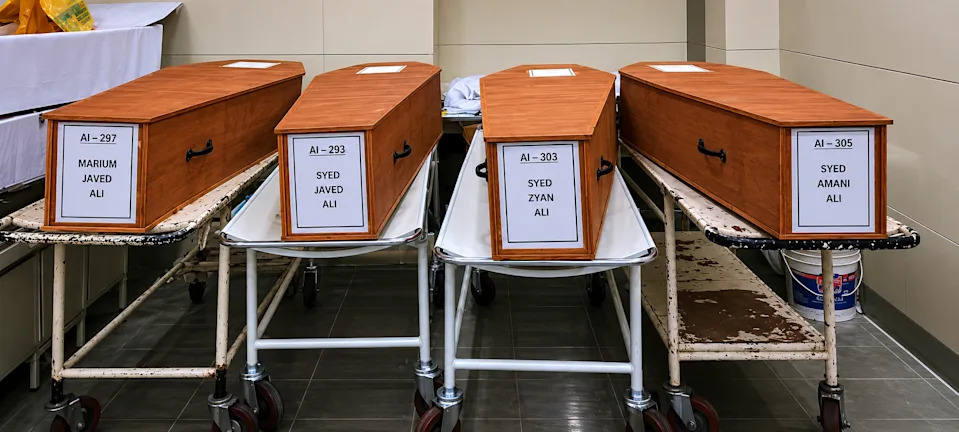
Imtiyaz says he went through agony before the family received the bodies of Javed, Mariam and their children [Imtiyaz Ali]
Strain With Airlines And Support Programs
Imtiyaz described months of seeking updates on the investigation, the return of belongings and promised medical support, often encountering vague or delayed replies. He said action seemed to come only after media attention or public pressure, and that assistance organised through Tata-linked programmes sometimes took months to assess his mother. The BBC has sought comment from Air India on the family's complaints.
For relatives, technical details can intensify pain. "We live in a modern country," Imtiyaz asked. "Why must we wait a year for answers?"
Small Consolations and a Voice From the Past
Javed's presence remains woven through the family's days: his favourite dishes still appear at meals, conversations pause where his voice would have been, and his mother visits the graveyard each evening carrying the foods he loved. The family's reluctance to open the damaged suitcase returned by the airline encapsulates the lingering distress: "It's kept away," Imtiyaz said. "We don't touch it."
For months Imtiyaz threw himself into the search for answers—writing to airlines, hiring lawyers and trying to understand the crash. Panic attacks followed. "Sometimes I wake up shaking," he said. "I feel like I'm back there—hearing the news for the first time."
What ultimately steadied him was a small, private solace: weeks after the burial his sister sent him an old voice message from Javed. In it, Javed described a dream of two angels who bathed him in a fragrance of roses. "When I woke up," Javed said, "I could still smell it." In a culture where such signs can offer spiritual meaning, hearing his brother's voice helped Imtiyaz accept that Javed was at peace.
The formal investigation may yet explain how the aircraft came down, but for this family the voice note—and the daily rituals of remembrance—have helped them carry on. "There are some questions," Imtiyaz said as evening settled over the city, "that only the dead can answer."
Help us improve.