AI deepfake porn is being used as a tool of harassment against women who criticize the Chinese Communist Party. Activists report coordinated campaigns—often linked to state-connected actors—that distribute doctored sexual images, dox victims, and harass relatives in China. Some victims publish the fakes to expose the abuse; others fear the real-world consequences. Legal responses are emerging in countries such as the U.S. and Italy, but cross-border enforcement and attribution remain major challenges.
How AI Deepfake Porn Is Being Used To Silence Women Who Expose China

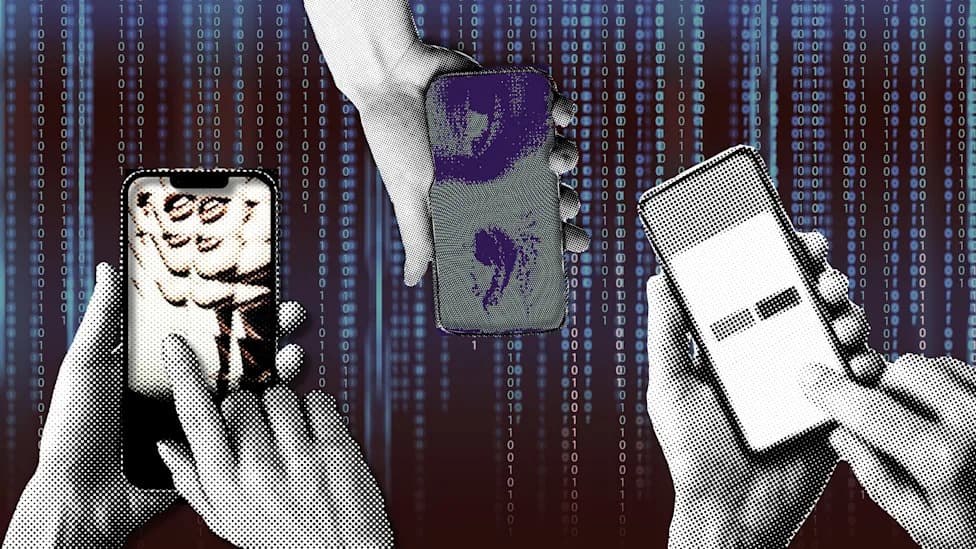
Deepfake porn images posted online.
AI-generated deepfake pornography and coordinated online smears are increasingly being used to intimidate women who criticize the Chinese Communist Party (CCP), activists and technology companies say. Targets include human-rights campaigners and exiled dissidents who report doxxing, threats, and harassment of relatives inside China.
What Happened
Human-rights activist Laura Harth, who helped expose an illegal Chinese police outpost in New York, first faced bizarre sexual slurs online four years ago. In April, those attacks escalated when AI-produced deepfake porn images purporting to show Harth began circulating. Rome-based Harth published versions of the images on her employer Safeguard Defenders’ website to expose the abuse and reject the shame it was meant to impose.
Activist Su Yutong, now based in Berlin, says her harassment began about 15 years ago with photoshopped nude images and rumors of promiscuity. Today she wakes up almost daily to purported deepfake images and reports that roughly 20 family members and friends in China have been harassed by authorities. Other named targets in reporting include Canadian commentator Zang Xihong (pen name Sheng Xue) and London-based exile Carmen Lau.
Scale, Tactics And Attribution
Technology companies including Meta and OpenAI have described multi-year malign campaigns that spread sexually explicit fabricated images across platforms such as X (formerly Twitter), Facebook, Instagram, YouTube and TikTok. Accounts that publish the material are frequently removed but reappear in a whack-a-mole pattern. Companies have linked many of these operations to individuals associated with Chinese law enforcement.
An intelligence expert told Newsweek this is a modern form of "sex kompromat"—material used to discredit or entrap. Experts say AI has amplified the reach and realism of these tactics.
Real-World Consequences
Victims report severe offline harms: doxxing of addresses, strangers showing up at their homes, and harassment or pressure on relatives in China. Zang says fabricated images were even mailed to attendees at a democracy event in Canada while she was speaking on stage. Carmen Lau received sexually explicit fake images distributed to neighbors and has faced threats prompting exile.
Legal And Policy Responses
Some countries are moving to criminalize harmful deepfakes. The U.S. saw its first conviction for creating AI-generated obscene material in Ohio in April after the passage of the Take It Down Act, a law championed by former first lady Melania Trump. Italy enacted legislation last year and its prime minister highlighted the risk by posting a doctored image of herself to raise awareness. Activists say laws help, but cross-border enforcement is difficult—especially when campaigns appear to be state-linked.
Voices From The Field
"I don’t identify with these images at all, and I hope that is a taboo we can break," Harth said, arguing that the shame belongs to the attackers. Su warned that, in Chinese society, allegations of sexual impropriety can destroy reputation and social trust. "The CCP is using the ugliest side of misogyny and control," she said.
Many targets face a wrenching choice: publicize the fabricated images to expose the abuse or remain private to limit collateral harm to family and friends. Those who go public often have fewer personal ties to China and feel more able to speak out; others say the emotional toll remains heavy.
Looking Ahead
Experts urge stronger platform defenses, cross-border cooperation, and clearer legal tools to deter and punish creators and distributors of malicious deepfakes. Activists stress that countering this form of online repression requires both technical fixes and political accountability.
Reporting Note: This article draws on interviews and reporting by Newsweek and statements from platform companies and experts. The Chinese Embassy in Washington did not respond to requests for comment.
Help us improve.