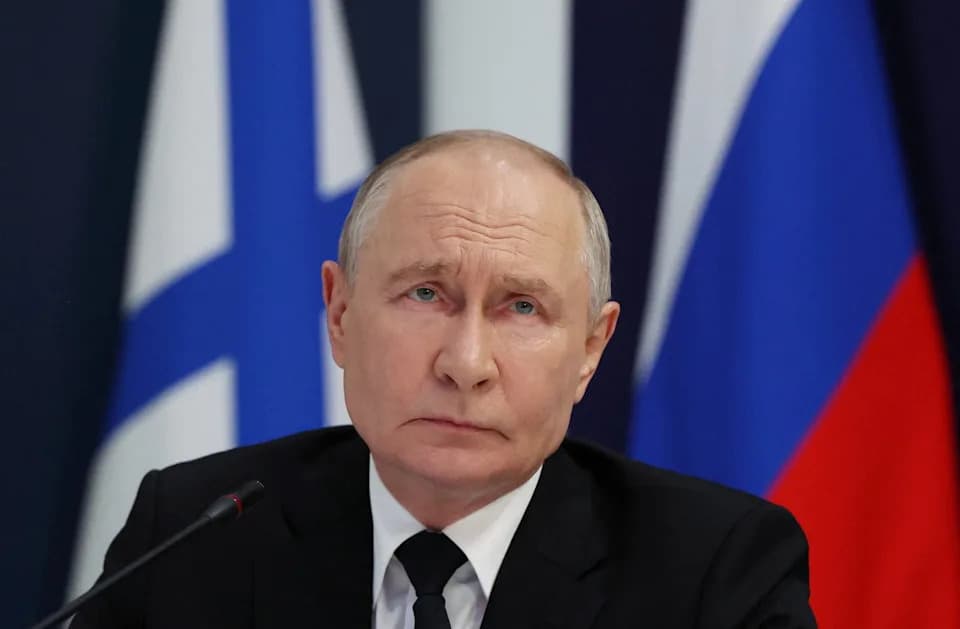
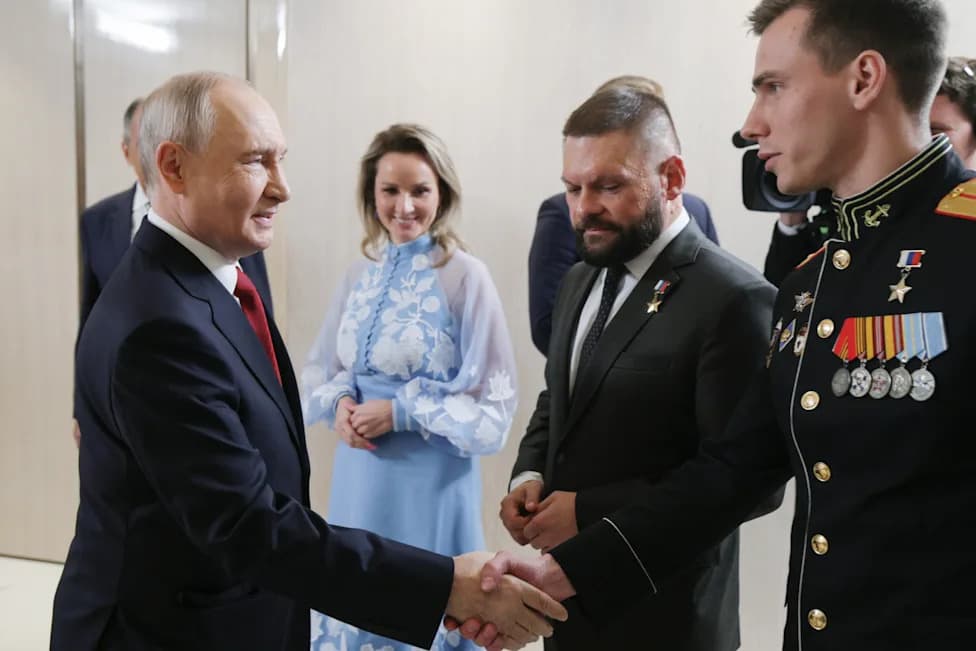
Summary: Vladimir Putin has methodically shaped his public image from his KGB years through his presidency, using television and staged photography to project strength and competence. High-profile macho photo-ops and tightly managed appearances helped legitimize a more centralized, authoritarian system. Since 2012 and especially after the invasion of Ukraine, his public presence has grown rarer and more controlled, underscoring the tension between a crafted persona and the practical limits of prolonged rule.
How Putin Mastered the Image: From KGB Shadow to Staged Strongman
[BBC]
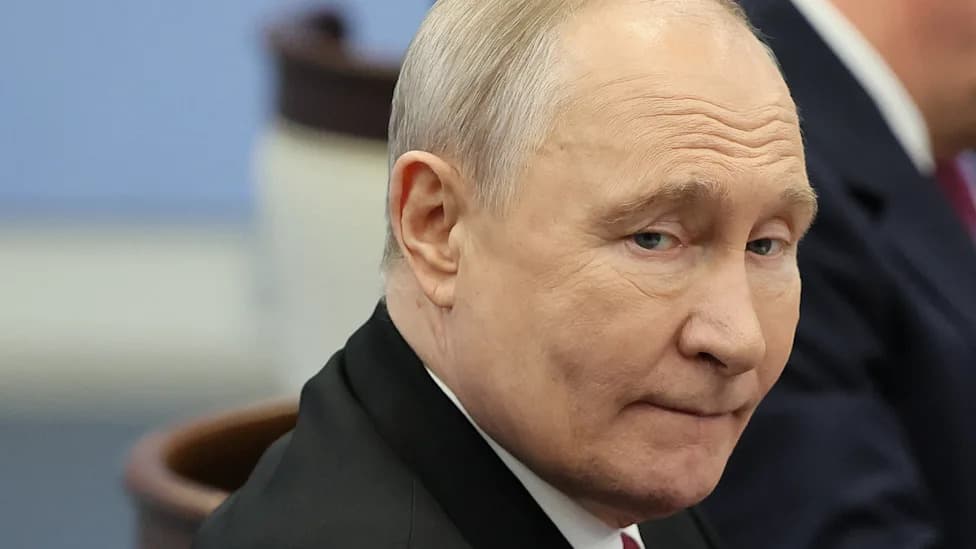
Vladimir Putin has long understood that how he appears on screen often matters as much as what he says. Small, deliberate gestures — like removing water glasses before a live interview — reveal a continuous, calculated effort to shape public perception. Over more than two decades, that effort has helped transform both Russia's politics and Putin's own public persona.
Early Influences and the TV Age
Growing up in the television era of the 1960s and 70s, Putin admired the silent, tough spy heroes of Soviet dramas. He has said that those characters helped steer him toward the KGB. As an operative and low-profile bureaucrat he learned to blend into the background — a skill that earned him nicknames like "the moth" among colleagues who noted his ability to disappear into the shadows.
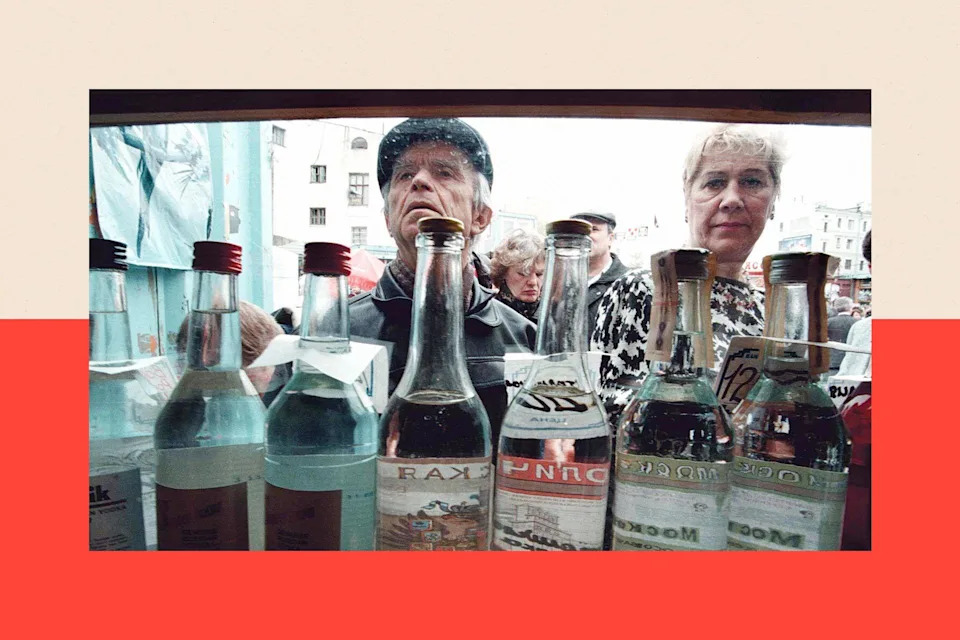
Putin created an image of teetotalism against the backdrop of a heavy drinking culture [AFP via Getty Images]
From Backbench Official To Performance Leader
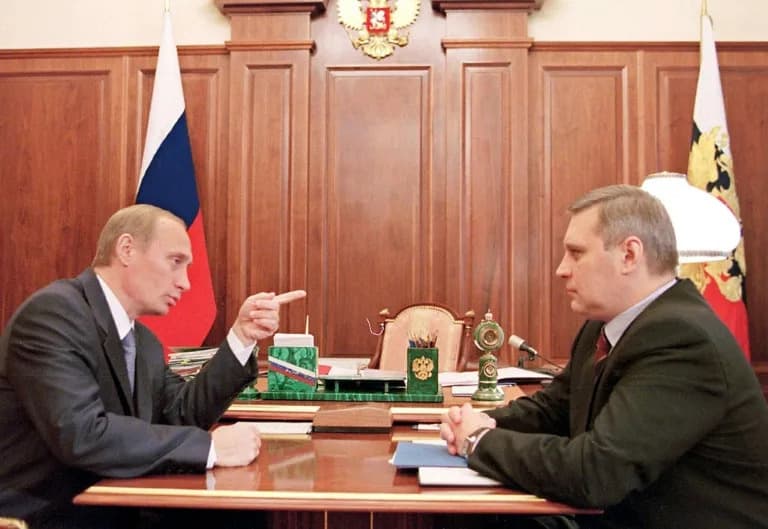
When Putin was propelled into the acting presidency in 1999 and elected months later, that low-key posture changed. He and his advisers moved quickly to craft a presidential image tailored to multiple audiences: disciplined and sober at home, assertive and modern on the world stage. Television — "a nuclear bomb when it comes to publicity," as one aide put it — became a central tool in this transformation.
"Everybody in Russia, but especially Putin, realised that TV was the key to the consolidation of power." — Peter Pomerantsev
The Manufacture Of Strength
Part of the image strategy involved erasing traces of weakness. Contrasted deliberately with Boris Yeltsin's public struggles with alcohol, Putin cultivated sobriety publicly: preferring tea at elite gatherings while others drank wine; hiding occasional drinks when aides deemed it necessary. He adopted athletic and action-oriented roles — flying in a fighter jet helmet, demonstrating judo skills, and staging outdoorsman vignettes — to communicate vigor, discipline and national renewal.
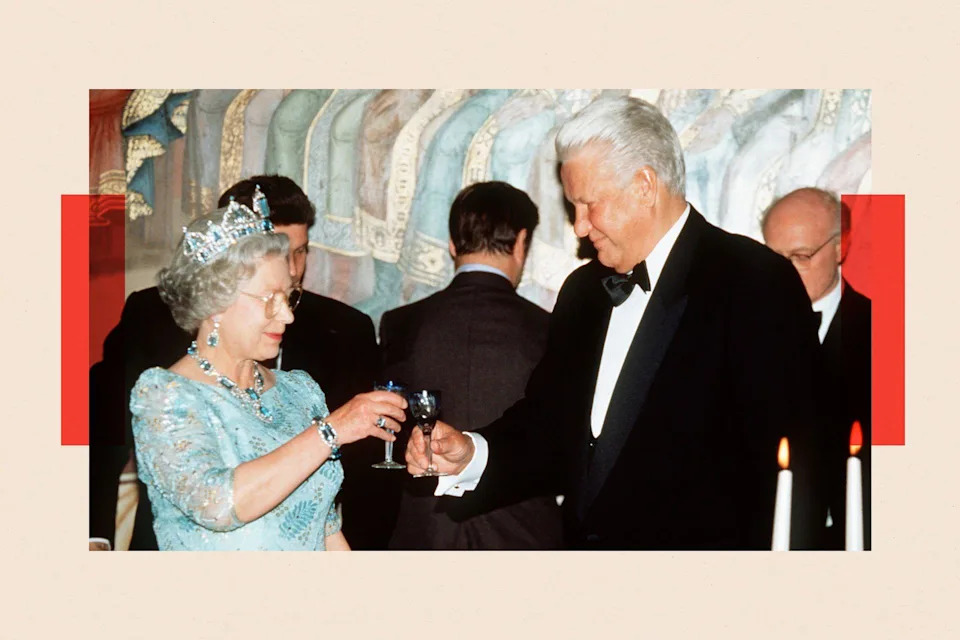
Yeltsin's drinking caused embarrassment [Getty Images]
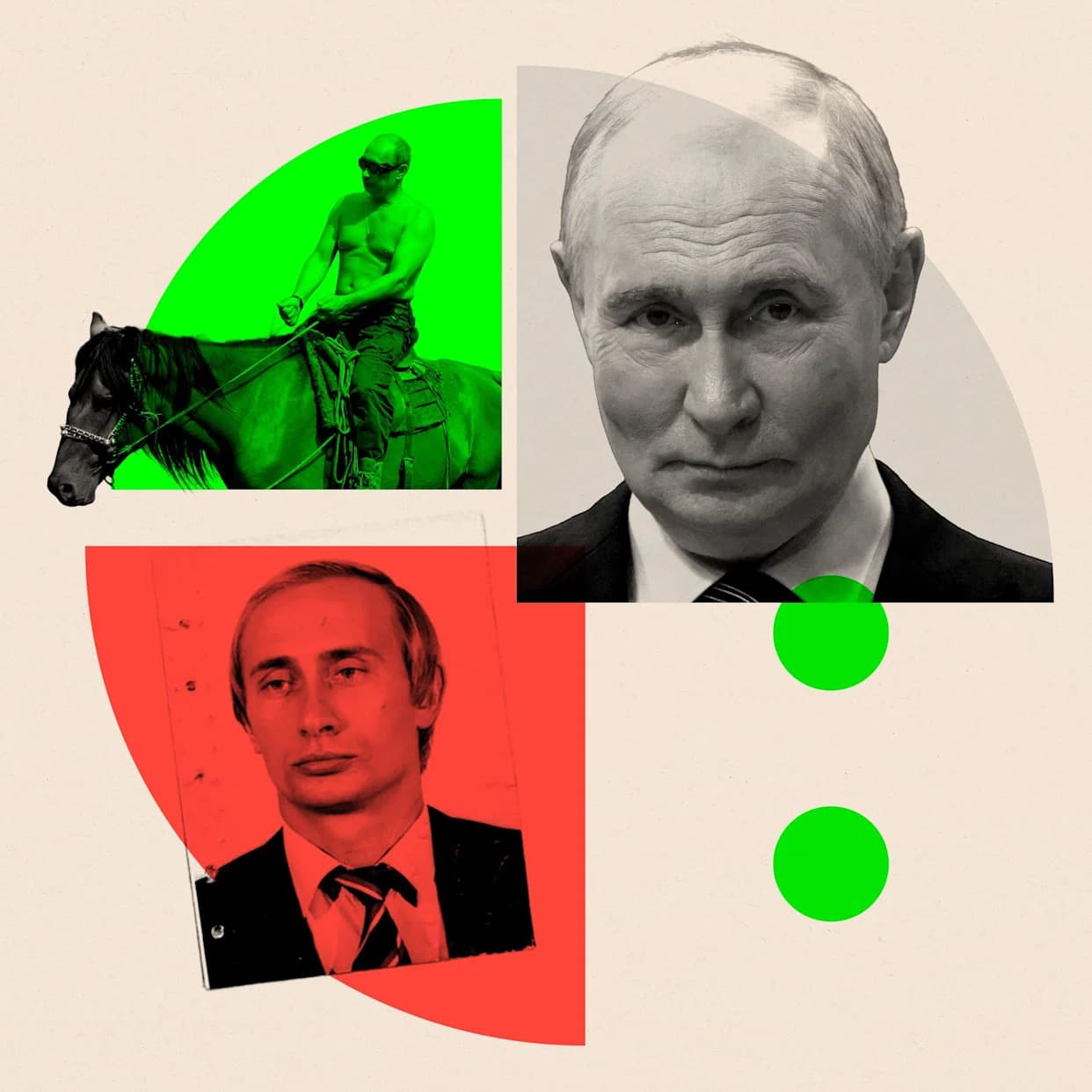
From around 2007, a string of carefully composed photos — bare-chested horseback rides, fly-fishing, scuba dives to 'discover' planted relics, and posing with wildlife — presented a hyper-masculine, almost mythic leader. Critics argued these stunts verged on self-parody; defenders saw them as effective shorthand for a restored, proud Russia. As Peter Pomerantsev put it, the imagery was calibrated for different audiences: clumsy for some, iconic for others.
Performance, Propaganda and Policy
Photographs and televised appearances did not exist in a vacuum. The public performance of strength reinforced policy choices that centralized authority: tighter controls on independent media, new restrictions on dissent, the sidelining of political opponents, and a more confrontational posture toward the West. When Time magazine photographed him for Person of the Year in 2007, the image — deliberate and composed — signaled a leader very comfortable performing power.
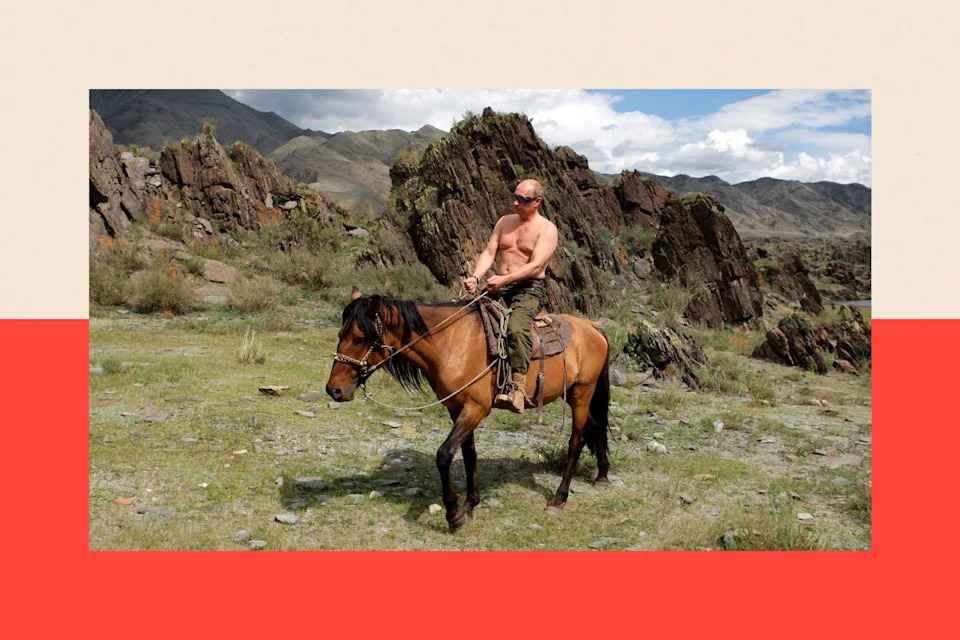
Photographs from this era projected machismo [Reuters]
Changing Looks And New Signals
In 2011 observers noted a marked visual change: a fuller, less expressive face that led to speculation about cosmetic procedures or medical treatment. Months later, at the rally announcing his return to the presidency, his visibly emotional, tear-streaked appearance generated debate about authenticity versus performance — whether the display was spontaneous relief or a crafted evocation of religious iconography.
War, Paranoia And The Costs Of Performance
Since returning to the Kremlin in 2012 and especially after the 2022 full-scale invasion of Ukraine, Putin's public appearances have become rarer and more tightly controlled. Analysts suggest that the demands of running a wartime state and the heightened focus on personal security — amid pandemic fears and assassination concerns — have made the presidency more secluded and choreographed.
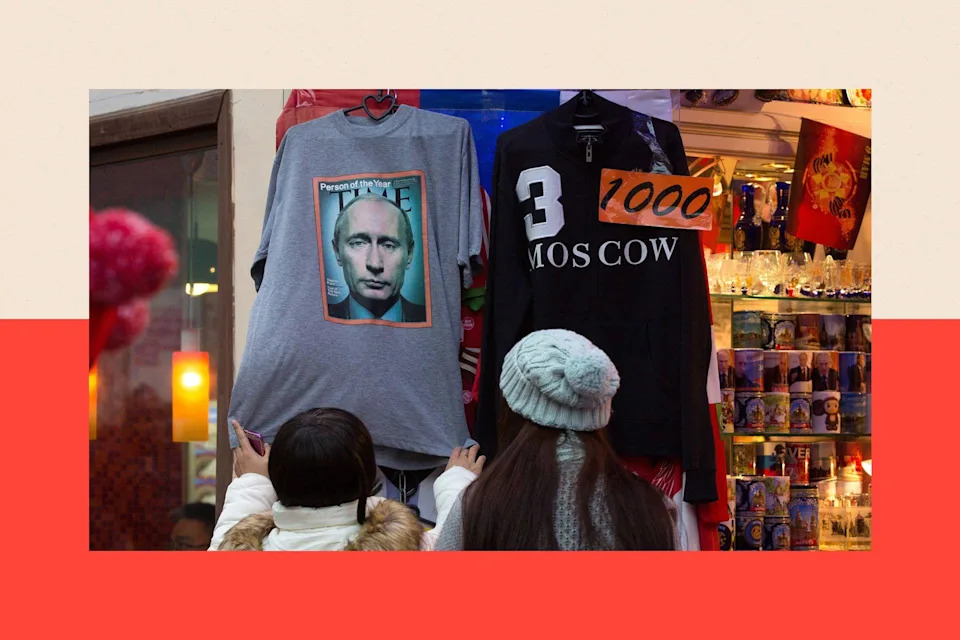
The Time photograph is beloved by many of Putin's supporters [Bloomberg via Getty Images]
Journalists and commentators argue that the war both defines and burdens his modern image: it offers a narrative of mission and strength, but it also traps Russia in a costly conflict and an economy and political system difficult to unwind without jeopardizing the ruling apparatus.
Conclusion
After roughly a quarter-century in power, Putin's once-fluid image repertoire — action hero, rugged outdoorsman, stern statesman — now contrasts with a more remote, inflexible leader constrained by the institutions and narratives he built. The visuals that once helped consolidate authority are now part of a system that makes change dangerous for both the country and its leader.
Help us improve.