Ukraine has gained measurable momentum thanks to a surge in drone production and an expanded campaign of mid- and deep-range strikes that have disrupted Russian logistics and hit targets well behind the front. Kyiv says it has recaptured nearly 230 square miles this year while Russian advances slowed markedly, according to the ISW. Analysts caution the next six months are decisive and that manpower shortages could limit Kyiv’s ability to exploit newly opened opportunities.
Zelensky Says Ukraine Is Gaining Momentum — Drones and Deep Strikes Shift the War’s Dynamics
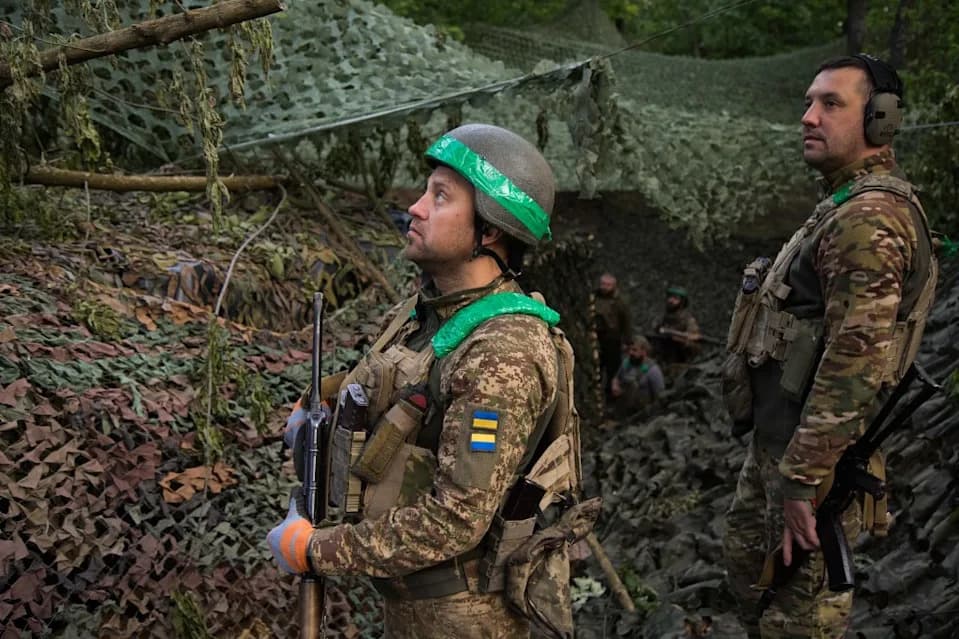
Ukrainian troops prepare to fire a 2S22 Bohdana self-propelled howitzer near Pokrovsk in the Donetsk region on May 27, 2026.
Ukrainian President Volodymyr Zelensky on May 19 declared that Kyiv’s forces are "holding more positions and inflicting more damage" on Russian forces, signaling a shift in momentum after concerns that reduced U.S. support could have given President Vladimir Putin an edge.
Earlier this year the outcome was far from certain: U.S.-led peace talks stalled, Washington’s support waned under the Trump administration, and Russian winter strikes heavily damaged Ukraine’s energy and critical infrastructure. Yet Kyiv’s rapid expansion in unmanned aerial vehicle (UAV) production and a stepped-up campaign of mid- and deep-range strikes have helped blunt the impact of reduced foreign aid and given Ukraine fresh tactical options.
Why Drones Matter
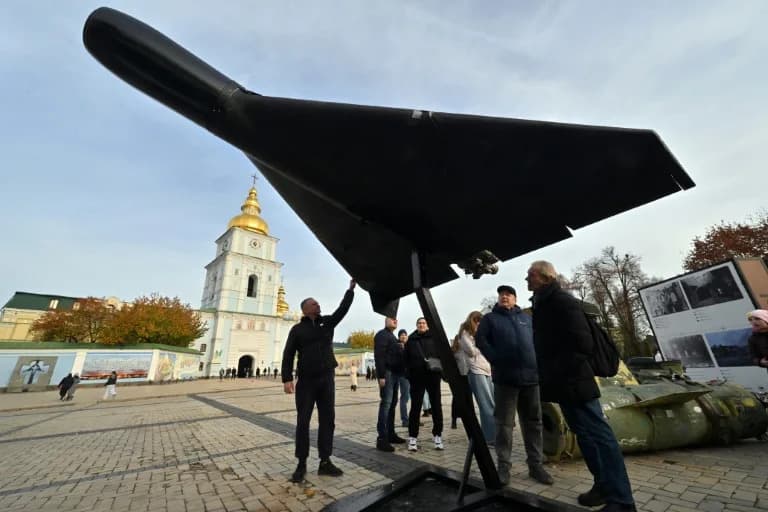
Ukraine’s defense ministry reports a significant year-on-year rise in production of reconnaissance, mid-strike and deep-strike drone systems, including fiber-optic first-person-view (FPV) drones that have proven effective on parts of the frontline. These systems have enabled successful strikes behind the front and deeper into Russian-held territory, disrupting supply lines and logistics.
"The overall dynamics of the war are gradually shifting in Ukraine’s favor compared to previous months," said Giorgi Revishvili, military analyst and founder of the Russia Analyzed Substack. "The situation for Ukraine is markedly better than it was last year."
Matthew Arnold, director of the Democratic Resilience in a New Age of War program at LSE Ideas, told Newsweek that Ukraine has demonstrated an initiative in drone warfare—"learning, adapting and deploying drones quicker and more successfully than Russia can." Analysts point to intensified mid-range strike campaigns targeting Russian logistics at operational depths of roughly 18–65 miles inside occupied areas, and Kyiv says its "middle strikes"—which can reach up to about 120 miles behind the front—have increased substantially since February.
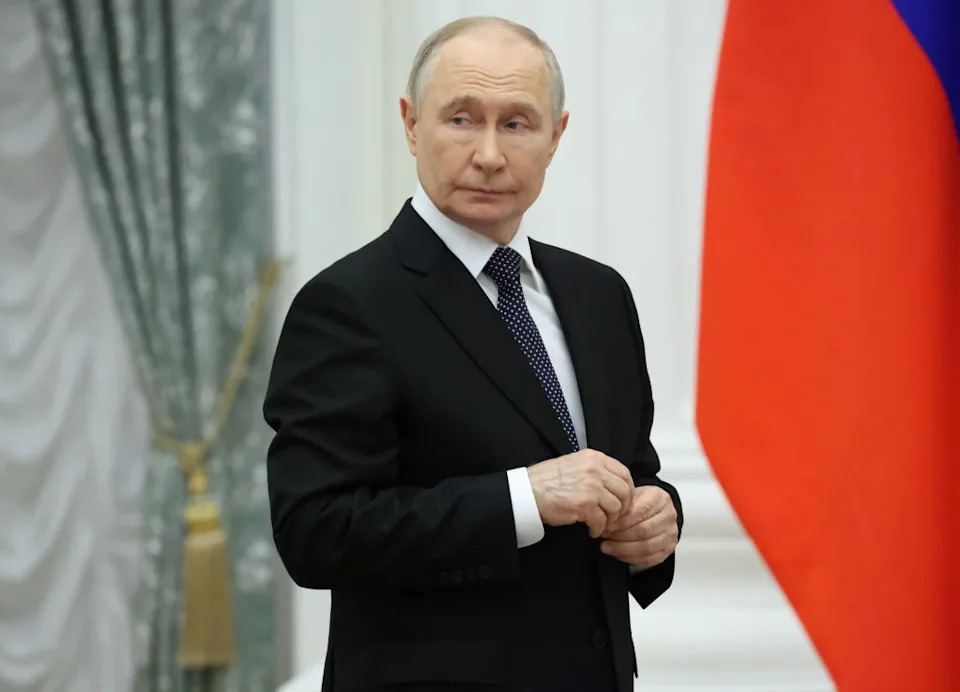
Russian President Vladimir Putin at the Kremlin in Moscow on May 21, 2026.
Frontline Pressure And Strategic Effects
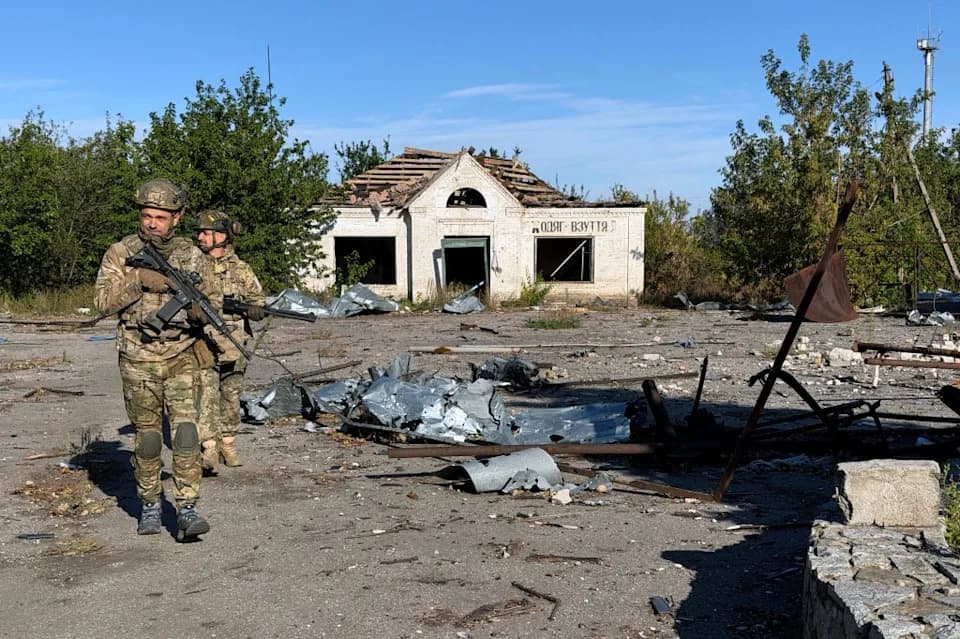
Ukrainian forces have stepped up frontline operations to attrit Russian personnel while expanding mid- and deep-strike sets to pressure Moscow’s logistics and economy. General Andriy Biletskyi, commander of Ukraine’s 3rd Army Corps, told Reuters that if Kyiv sustains momentum for months, frontline gains could compel Russia to abandon parts of Donetsk oblast that it does not currently occupy. He described the Russian army as exhausted and constrained—complications that include limits on Starlink access for Russian forces.
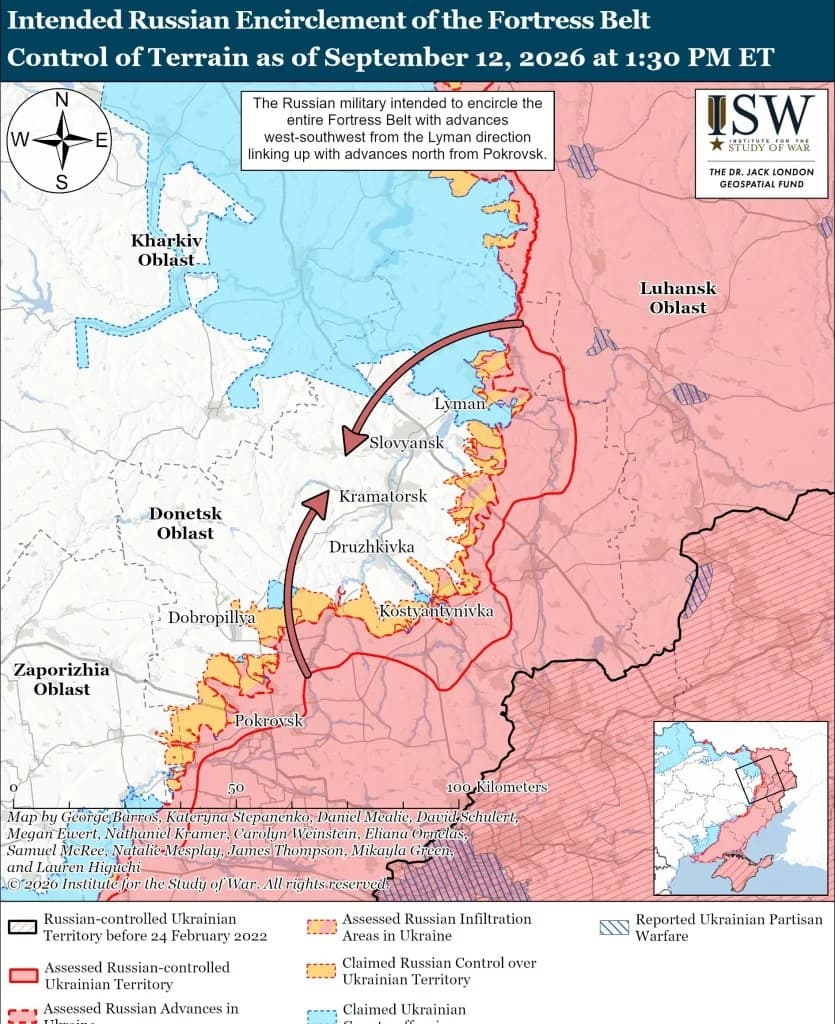
Kyiv reports it has reclaimed nearly 230 square miles of territory this year; by contrast, Russian advances have slowed to roughly 40 square miles so far this year versus about 625 square miles in the same period last year, according to the Institute for the Study of War (ISW). The ISW concluded that Ukraine has re-established an overall advantage in drones and that a reintroduction of some tactical mechanized maneuvers may mark the start of a new phase in the conflict.
Striking Deeper Into Russia
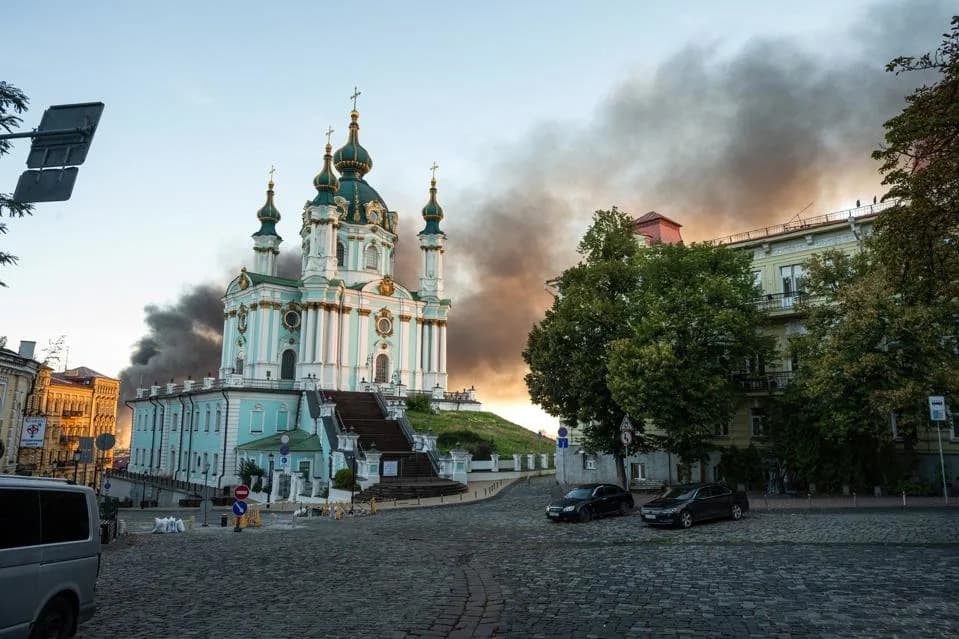
Ukrainian strikes have reached targets well beyond the immediate frontline, striking facilities from export terminals on the Gulf of Finland to inland refineries. Recent attacks include a strike on an oil facility in Volgograd and multiple hits on the Tuapse refinery in Russia’s Krasnodar region this spring. A May 18 drone strike reportedly hit Moscow-area targets including Sheremetyevo Airport and other infrastructure.
Analysts warn, however, that Ukraine’s ability to fully exploit tactical openings depends on addressing chronic manpower shortages. Some axes remain difficult: around Kostiantynivka, Russian forces continue small-group infiltration tactics and heavy bombardment aimed at degrading Ukrainian defenses and establishing footholds for deeper urban penetration.
Outlook
Officials and analysts agree the next six months are critical. If Kyiv can sustain and expand its campaign—maintaining pressure on logistics, exploiting gaps in the frontline, and managing manpower needs—it could impose growing operational and political costs on Moscow. But substantial risks remain, and the extent of any lasting shift will depend on logistics, personnel, and external support.
Help us improve.