The author argues that despite a fraught history, religious leaders today must provide moral clarity. Drawing on pluralism, he says every faith tradition contains ethical resources that should be applied to challenges like populism, xenophobia, racism and anti-LGBTQ+ movements. Religious leaders must both comfort the afflicted and challenge the comfortable, translating ancient teachings into relevant public action.
America's Moral Vacuum: Why Religious Leaders Must Speak Out Now
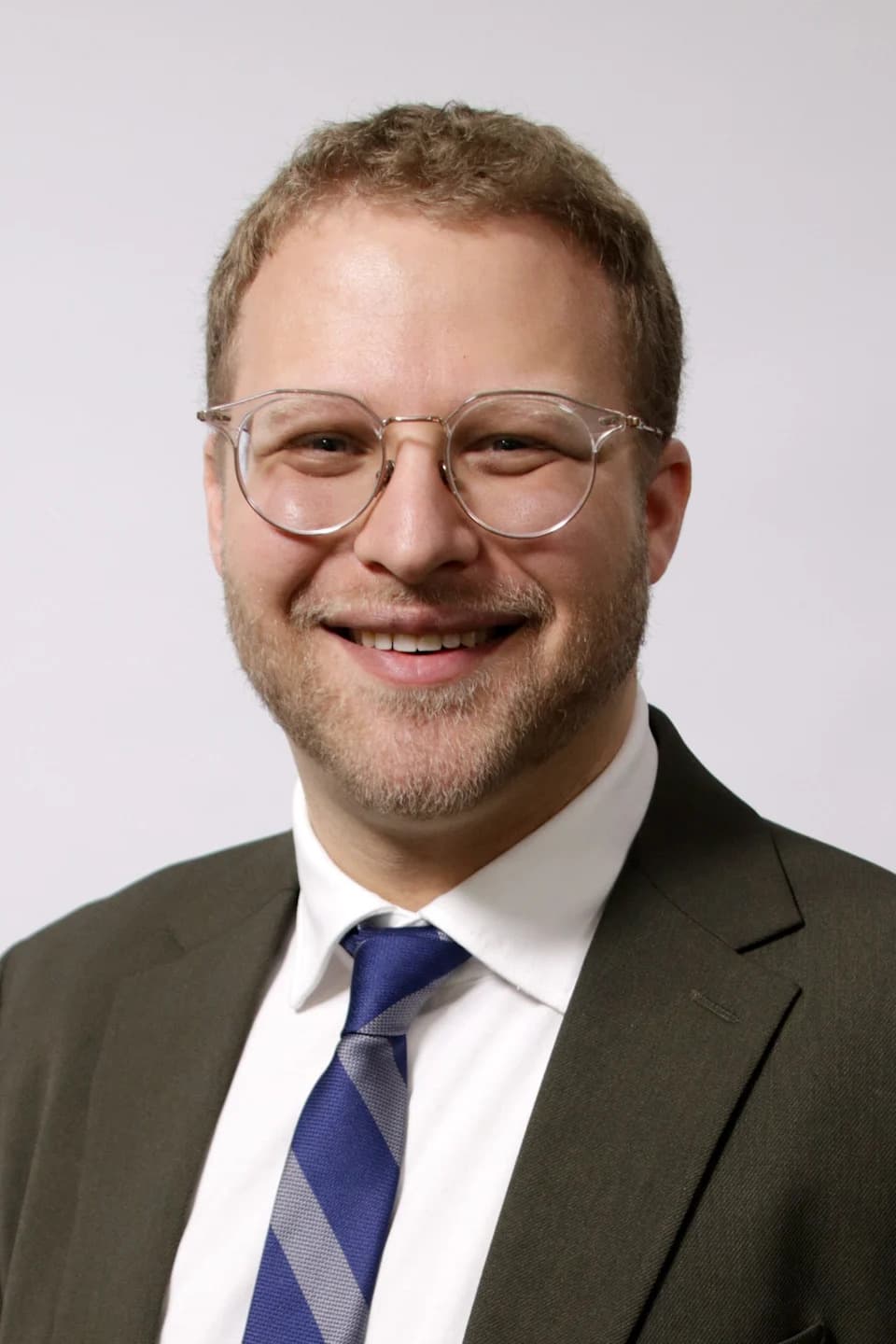
Rabbi Ari Jun
Religious leadership has often been complicated and, at times, a source of deep harm. For many in the queer community, clergy have caused pain; in U.S. history, some religious authorities defended slavery and Jim Crow; and in Jewish life, leaders of other faiths have sometimes instigated or joined antisemitic attacks. Yet the present moment urgently needs the moral clarity that religious leaders are uniquely positioned to provide.
I am not a moral relativist; I am a pluralist. Each religious tradition offers a distinctive vantage on life's largest questions, much like different facets of a diamond refract light. Traditions repeatedly fall short of their ideals, but they also contain enduring ethical wisdom. Those who study, preserve and interpret these traditions—clerics, clergy and spiritual teachers—are tasked with separating what is life-giving from what must be rejected.
Two Sides Of A Sacred Duty
For most worshippers—what in Judaism we call amcha—faith is practiced in a church, mosque, gurdwara, temple or synagogue and then carried into everyday life. Their responsibility is to let belief shape behavior beyond the sanctuary. For religious leaders, however, the obligation is both similar and deeper: yes, we help people bring faith into life, but our calling is also to bring life into faith—enlivening ancient texts so they speak to contemporary challenges.
Tradition gains strength from continuity and history. As a Jew, I find meaning in reciting the Shema at the bima with words my ancestors spoke for generations. But being a rabbi is more than ritual preservation: it requires translating that continuity into moral guidance for our time. If Judaism—or any faith—cannot help us respond to rising populism, xenophobia, racism, or movements that dehumanize LGBTQ+ people, then its teachings have failed a central test of relevance.
“A religious leader’s job is not only to comfort the afflicted, but to afflict the comfortable.” This lesson from rabbinical school captures the balance we must strike—offering solace while challenging complacency.
When people insist politics be kept out of religion, I ask whether they have read the same sacred texts I study. The Torah, like many scriptures, is profoundly concerned with how we treat strangers, the poor, immigrants and the vulnerable. While ancient texts do not map neatly onto every modern policy, no major faith tradition is neutral about the moral questions that animate public life.
So what must religious leaders do? Speak honestly. Apply their traditions’ moral teachings to the public square. Protect the marginalized. Name injustice even when doing so risks controversy. That is not political posturing for its own sake; it is the sustained work of conscience and moral leadership.
In an era of deepening division and emboldened bigotry, religious voices grounded in compassion and courage can help steady civic life. They can remind us that faith traditions—when faithfully interpreted—compel solidarity with the vulnerable and resistance to dehumanizing ideologies.
Ari Jun is senior rabbi of Temple Sholom in Cincinnati and the newly elected president of the Greater Cincinnati Board of Rabbis. This article originally appeared in the Cincinnati Enquirer: "Religious leaders must speak out in this moment in America | Opinion."
Help us improve.