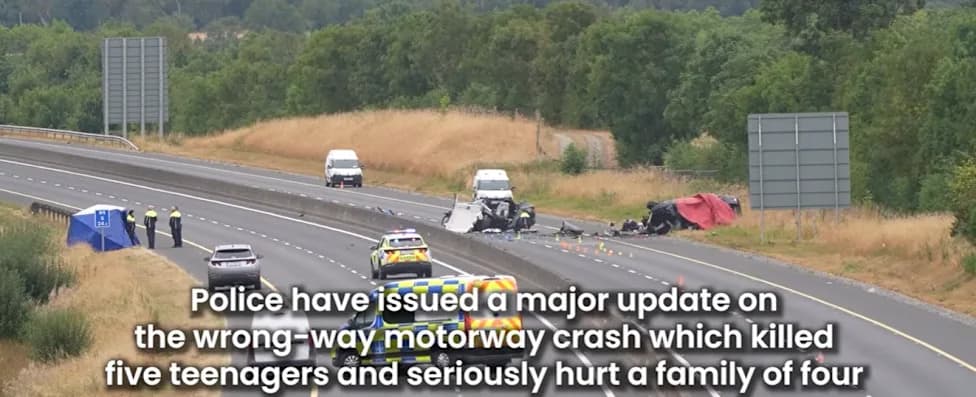
Social platforms now amplify high-profile Texas car crashes within hours, shaping juror perceptions and prompting insurers to change reserve and settlement strategies in real time. Viral video clips create competing, incomplete narratives that influence voir dire and trial outcomes. Insurers may either settle quickly and generously when coverage hurts their insured or litigate when coverage favors the defense. Drivers should limit social posts, preserve relevant online material, and consult an attorney before speaking to media.
Viral Crash Clips: How Social Media Now Shapes Jury Verdicts and Insurance Settlements in Arlington
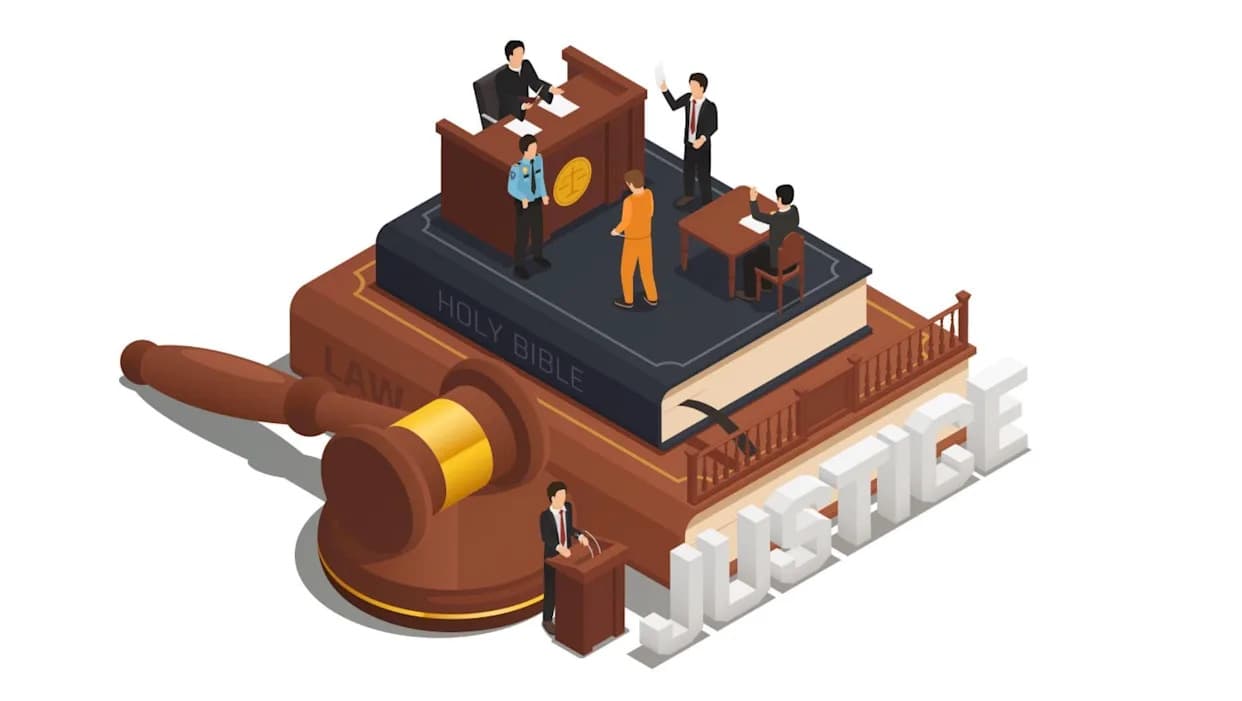
A serious car crash in Texas no longer stays local. What once unfolded within a contained information ecosystem — police reports, local news segments and courtrooms — now erupts across social platforms within hours. A single dashcam clip from Houston can reach millions in 48 hours, and a Tesla Autopilot collision in Austin can become a national talking point before vehicles are even towed.
The New Media Reality
In Arlington and across the Dallas–Fort Worth metroplex, social media’s life cycle for a wreck routinely changes how juries evaluate cases and how insurance companies value settlements. For drivers involved in serious collisions, understanding this media dimension is essential to protecting legal and financial interests.
How Viral Coverage Affects Jurors
Decades of jury research show pretrial publicity influences juror decision-making. Courts use voir dire to screen jurors, but what has changed is the speed and reach of exposure. Potential jurors are likely to encounter crash footage on TikTok, X, Instagram Reels, YouTube or Reddit — often before investigations finish. That creates a jury pool arriving with strong, frequently incomplete narratives.
Different edits of the same incident produce competing storylines: a clip that begins before impact can suggest one set of facts; a clip that starts later can suggest another. Both may be accurate yet incomplete, leaving jurors with divergent assumptions about fault and context.
How Insurers React
Insurance carriers monitor social coverage in real time and adjust reserves, settlement authority and litigation strategy accordingly. The effect can cut both ways:
- Settle Faster And Higher: If viral material is damaging to an insured, carriers often move quickly to settle rather than risk a jury that has already seen the most harmful footage.
- Litigate More Aggressively: If coverage favors the defense — suggesting plaintiff exaggeration or contributory fault — carriers may be more willing to take the case to trial.
Types Of Crashes That Draw Attention
Certain case types reliably attract media attention and influence outcomes:
- Truck And Rideshare Collisions: High policy limits and identifiable corporate defendants (Walmart, FedEx, Amazon contractors, rideshare companies) make these cases prone to viral scrutiny and public outrage.
- Police Chase And DUI Crashes: When pursuit or impairment causes multi-vehicle wrecks, coverage centers on the at-fault driver and plaintiffs often benefit because liability is clear.
- Distracted Driving Captured On Video: Dashcam or surveillance evidence showing phone use or other distractions makes defense more difficult and often accelerates larger settlements.
- Incidents Involving Public Figures: Celebrity or public-figure involvement changes the media dynamic, adding privacy, reputation and public-opinion considerations.
Practical Steps For Drivers
For those involved in serious crashes, consider these practical precautions:
- Limit Social Posts: Anything posted after a crash can be screenshotted and used at trial. Avoid public commentary about the incident or your injuries.
- Do Not Engage With Viral Coverage: The impulse to correct misinformation is understandable but any statement can become evidence; let counsel handle communications.
- Preserve Relevant Material: If online reaction is unfavorable to the other party, archive screenshots and links for discovery.
- Talk To A Lawyer Before Speaking To Media: TV crews, podcasters and creators may request interviews; unprepared remarks can have lasting legal consequences.
What Comes Next
The viral-media factor in crash litigation is accelerating as platforms and tools for clipping, captioning and amplifying video proliferate. For Texas drivers, the minutes and hours after a serious collision now include strategic choices that prior generations of litigants rarely faced. Working with counsel who understands how the media environment intersects with courtroom strategy is increasingly important to preserve case value and legal options.
Reporting from outlets including the Dallas Morning News and research by the Pew Research Center underscore how social platforms have become dominant news sources and how those shifts ripple into the courtroom.
Members of Mediaite’s news and editorial staff were not involved in the creation of this content.
Help us improve.