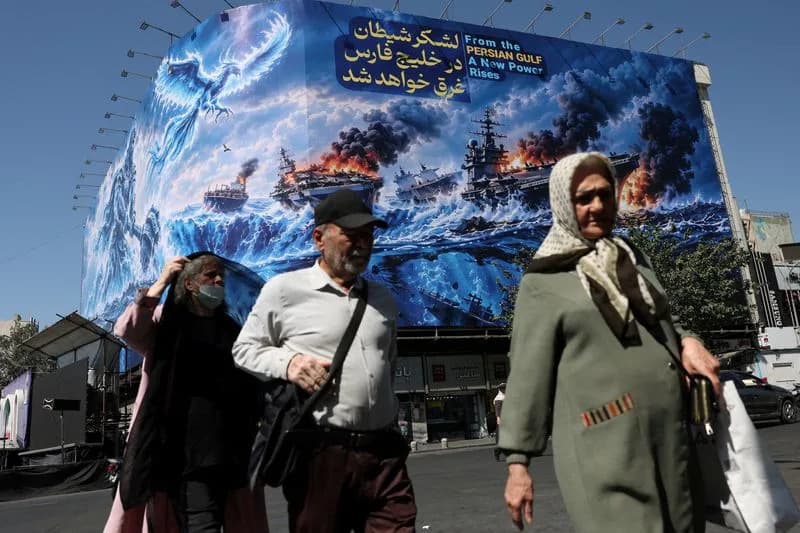
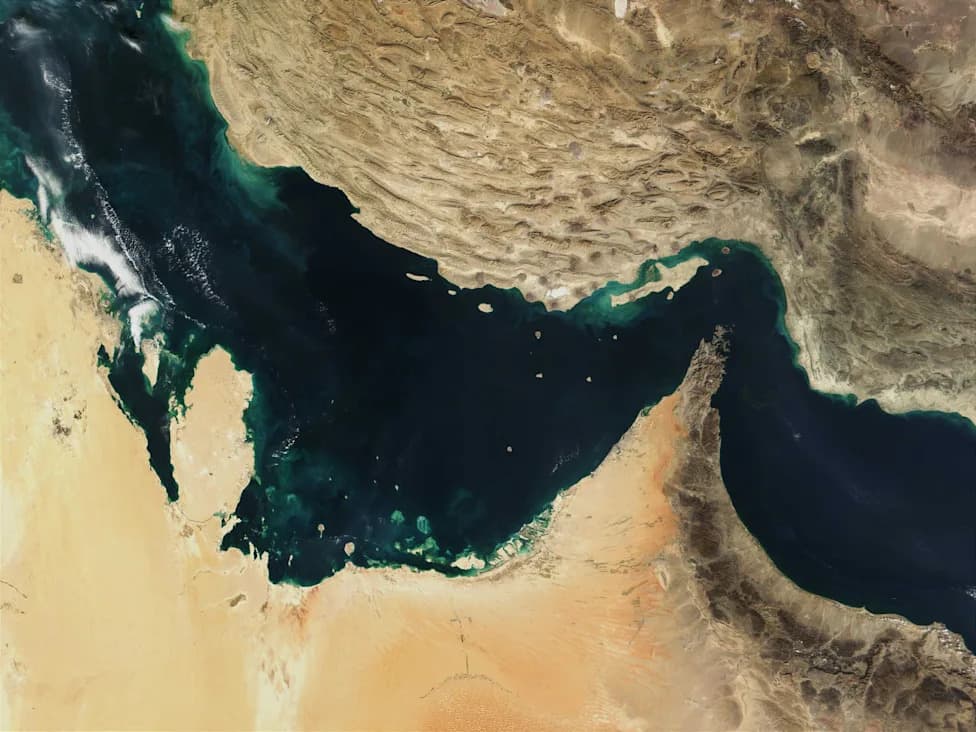
The United States and Iran are reportedly close to a memorandum of understanding intended to turn a temporary ceasefire into a longer‑term settlement. The draft would aim to reopen the Strait of Hormuz and launch a 60‑day window to resolve remaining issues, especially Iran’s nuclear programme and its stock of highly enriched uranium. Washington conditions financial relief on verified Iranian steps (summarized as “No dust? No dollars”), while Tehran demands immediate access to frozen assets; key questions remain over control of the strait, sanctions relief and whether missiles or the Israel–Hezbollah front are covered.
What a Draft Memorandum Between the US and Iran Could Mean for Ending the Conflict
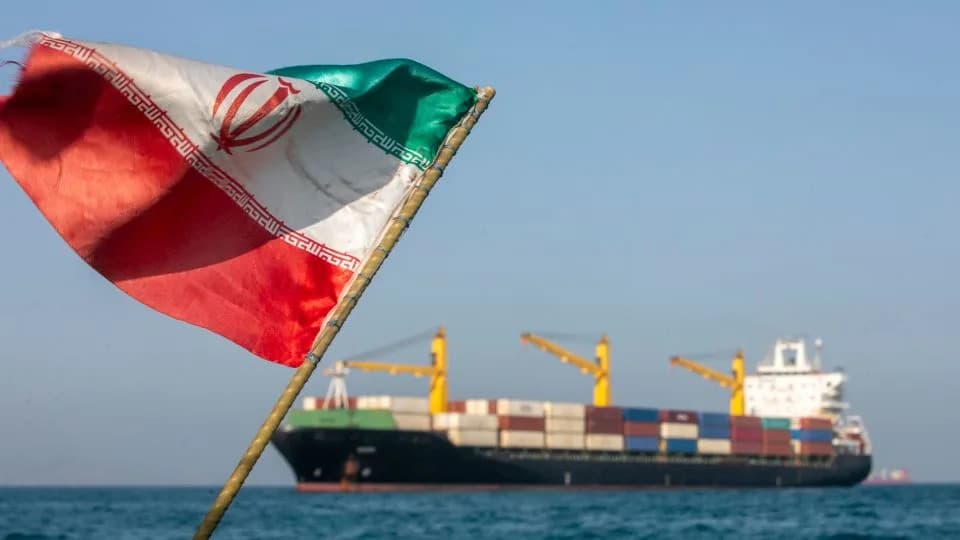
Ships remain anchored in the Strait of Hormuz on May 16. - Majid Saeedi/Getty Images
Iran and the United States say they are close to agreeing on a memorandum of understanding designed to convert a temporary ceasefire into a more durable settlement. The proposed memorandum would halt active fighting, outline steps to reopen the strategic Strait of Hormuz, and trigger a 60-day window to resolve other major disputes—most notably Iran’s nuclear programme and the fate of its stockpile of highly enriched uranium.
Negotiations remain a work in progress and tensions on the ground continue: Washington launched strikes on Iranian vessels in the congested Strait of Hormuz on Monday, adding uncertainty to the talks, and Tehran had not publicly responded as of this report.
What the Memorandum Would Do
Ceasefire Formalization: The memorandum would formally end the recent fighting and establish a roadmap for further negotiations.

Iranian citizens pictured in Tehran on May 4 as the US dollar hits an all-time high on the open market. - Fatemeh Bahrami/AnadoluGetty Images
Reopening the Strait of Hormuz: The plan under discussion would see the strait gradually reopen. Iranian officials have suggested commercial traffic would return to pre‑conflict levels over about 30 days, though Tehran also signals it may retain increased coordination and oversight — potentially in cooperation with Oman — rather than reverting to the pre‑war status quo.
60‑Day Negotiation Window: Once the memorandum is signed, both sides would enter a roughly 60‑day period to finalize remaining issues, with Iran’s nuclear programme at the top of the agenda.
Nuclear Issues, “No Dust? No Dollars”
US officials say the framework would require Iran to relinquish its stock of highly enriched uranium (often referred to in US commentary as "nuclear dust") and pledge not to develop a nuclear weapon. How that material would be handled and verified would be a subject of the next negotiation phase. A senior US official described the approach as conditional: if Iran does not comply, it will not receive financial relief — summarized informally as, "No dust? No dollars."
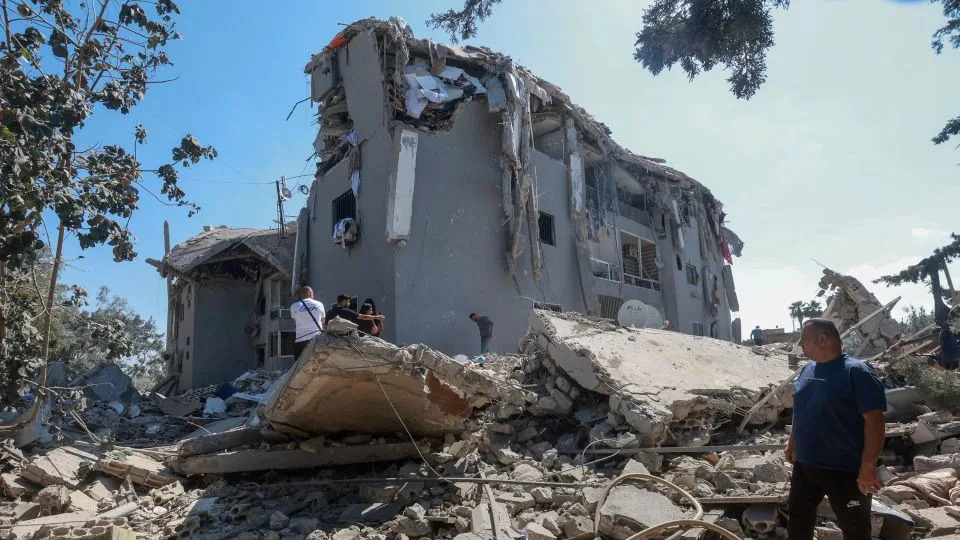
People inspect the damage at the site of an overnight Israeli strike in the southern city of Tyre, Lebanon, on Saturday. - Aziz Taher/Reuters
Funds, Sanctions and Timing
Iran is pressing for the immediate unfreezing of billions of dollars in assets held abroad. Iranian state media have reported that up to $24 billion could be released if a deal is reached, with roughly half available at announcement; Tehran says a specific initial transfer and a clear mechanism for ongoing releases are preconditions for agreement. US officials, however, say asset releases and any suspension of sanctions would be tied to verified Iranian steps — including the opening of the Strait of Hormuz — and that mechanisms for returning funds (held in foreign banks) remain unresolved.
Other Outstanding Issues
Key unresolved questions include whether the memorandum will address Iran’s ballistic missile programme and whether it will include provisions to restrain or resolve the related Israel–Hezbollah front in Lebanon. Iranian statements indicate the memorandum would declare an end to hostilities on all fronts, while Israeli officials have signaled they may continue or expand operations in Lebanon.
Official Tone: Iranian spokespeople stress that understandings have been reached on many points but caution that no signed agreement is imminent. US political figures have said they will not rush a deal and that any agreement must be verified.
The situation remains fluid. Even if a memorandum is signed, its implementation would depend on detailed verification steps, sequencing of concessions, and cooperation from regional partners and international banks — all factors that could complicate or delay the pathway to a final, comprehensive settlement.
Help us improve.