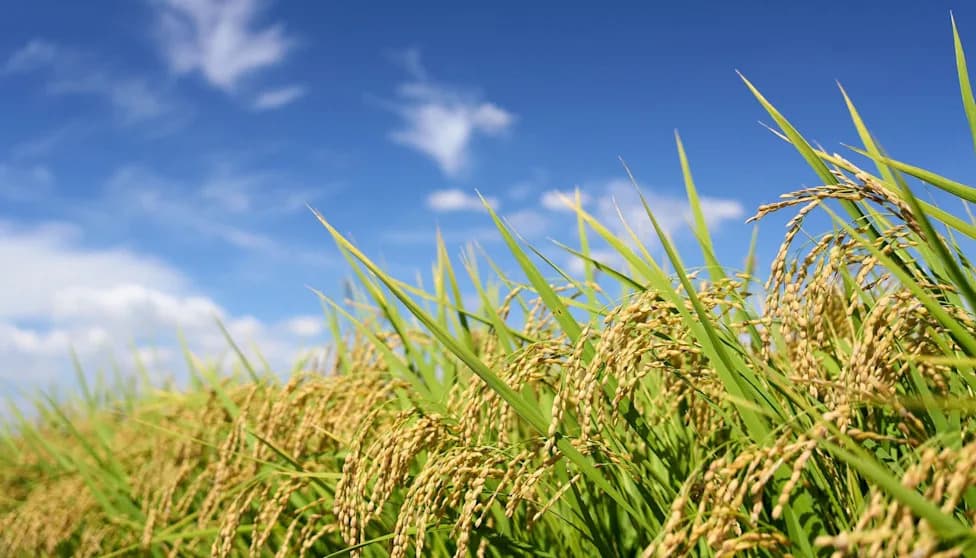
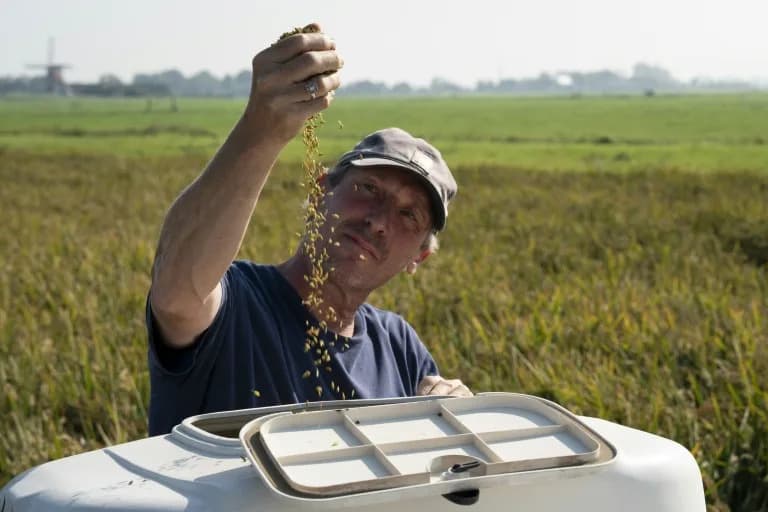
New research reported by Live Science finds that warming in some rice-growing regions is advancing about 5,000 times faster than rice has historically evolved to tolerate, pushing conditions beyond ranges linked to roughly 9,000 years of cultivation. While rice adapted to cooler climates over millennia, its tolerance to extreme heat has changed little. Because rice feeds more than half the world and ~90% of production is in Asia, small temperature increases risk large yield and livelihood impacts. Researchers recommend breeding heat-tolerant varieties, improving water management, and planning climate-adaptive strategies, though relocating production would be complex and disruptive.
Study: Warming Is Outpacing Rice’s Evolution — About 5,000 Times Faster
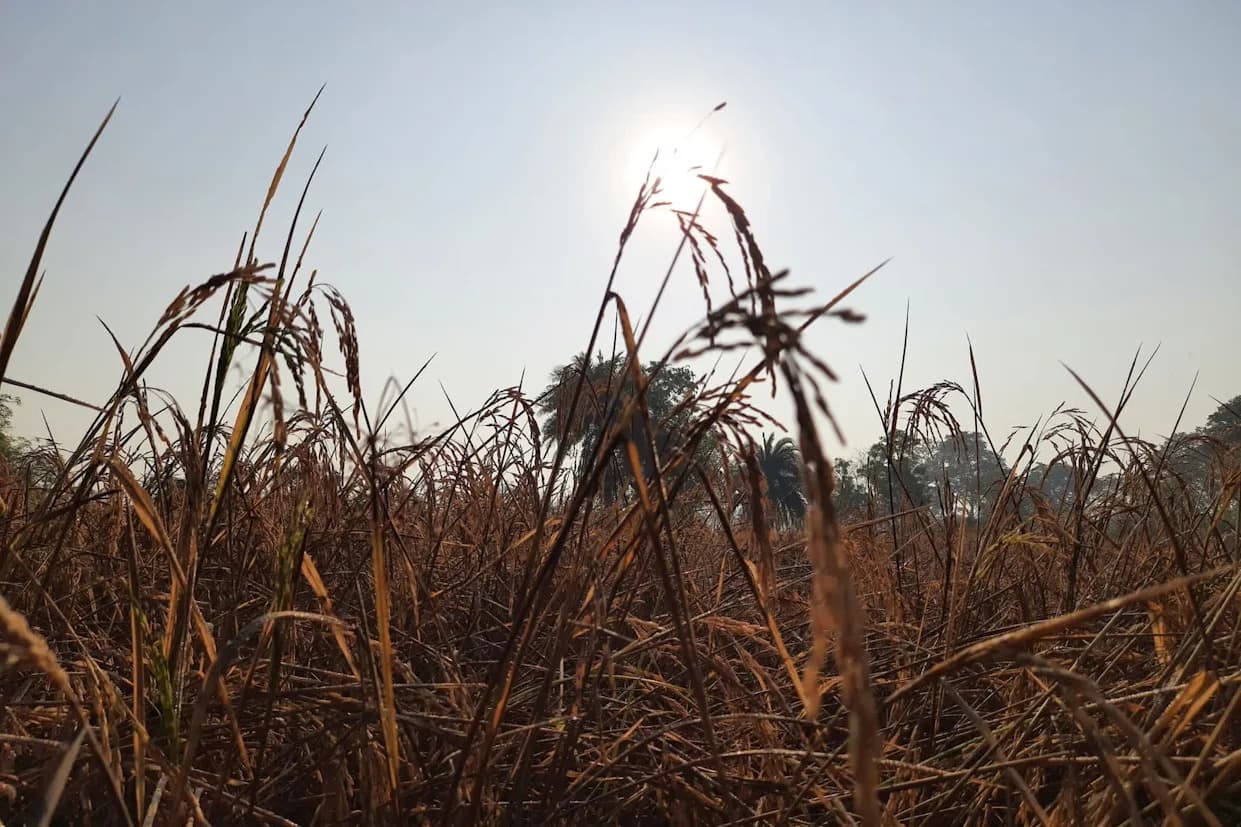
Photo Credit: iStock
New research suggests that warming in some rice-growing regions is happening roughly 5,000 times faster than rice has historically evolved to tolerate, potentially pushing cultivation beyond the temperature ranges that have defined about 9,000 years of rice agriculture.
According to reporting in Live Science, researchers compared archaeological records of ancient rice farming with contemporary climate data to measure how quickly growing-season temperatures are changing relative to the pace of rice’s historical adaptation. They found that, as humans spread rice cultivation over millennia, the crop repeatedly moved into cooler zones and became more tolerant of cooler conditions through selective breeding and management. By contrast, rice’s tolerance to extreme heat has changed very little.
Why This Matters
Rice feeds more than half of the world’s population, and roughly 90% of global production is concentrated in Asia. Even modest increases in temperature can harm yields: excessive heat disrupts photosynthesis, damages pollen, and reduces grain filling—processes that directly shrink harvests and threaten food security.
Rice is also a cornerstone of livelihoods and regional economies. About 1 billion people are involved in rice cultivation worldwide, many of whom already face hotter growing seasons, shifting rainfall patterns and saltwater intrusion from rising seas.
"We don't want to downweight the flexibility of human adaptation," study first author Nicolas Gauthier told Live Science. "But we also want to acknowledge that these adaptations have already occurred, and in some cases, we might be closer to the limits of what we can reasonably adapt to in that time frame."
Possible Responses And Limits
Researchers emphasize that solutions remain possible but will require sustained effort and planning. Options include:
- Breeding heat-tolerant varieties: Accelerating development and deployment of rice strains that can withstand higher temperatures.
- Improving water management: Better irrigation, water-use efficiency and flood management to reduce heat stress impacts.
- Adapting production locations: Shifting cultivation into cooler areas where feasible, though relocation demands major infrastructure and can disrupt established economies and communities.
Relocating production could preserve global output levels, but it does not solve the immediate social and economic impacts on communities—especially in South Asia—who depend on locally produced rice for food and income.
Takeaway
This study highlights a growing mismatch between the rapid pace of climate change and the much slower pace of crop evolution. Addressing that gap will require coordinated agricultural research, investment in climate-resilient infrastructure, and policies that protect vulnerable farming communities as climates continue to warm.
Source: Live Science; study first author Nicolas Gauthier.
Help us improve.