Scientists warn a likely and possibly strong El Niño this year could raise sea temperatures and trigger new mass coral bleaching on reefs already weakened by recent events. Coral depend on symbiotic algae that are expelled during warming, leaving them white, undernourished and disease-prone. The last global bleaching was declared in 2024; some Caribbean species are now functionally extinct and parts of the Great Barrier Reef lost 15–40% cover between 2024 and 2025. Researchers are testing interventions, but experts say these measures only buy time without stronger climate action.
Scientists Warn Strong El Niño This Year Could Devastate Already-Bleached Coral Reefs
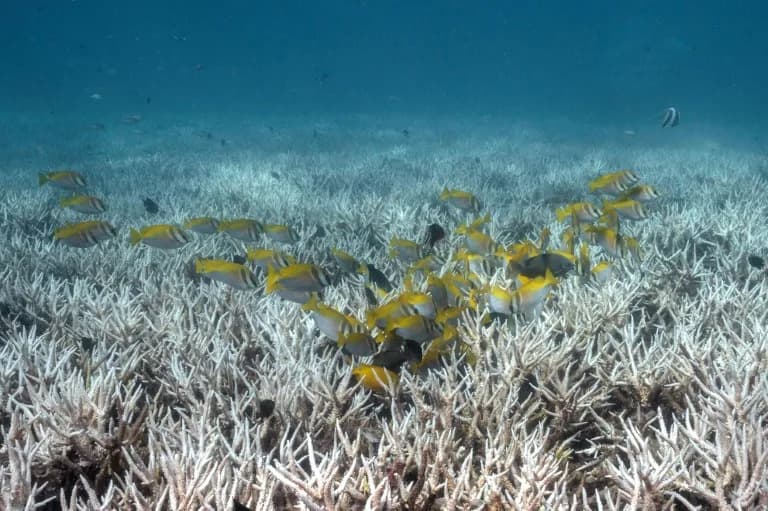
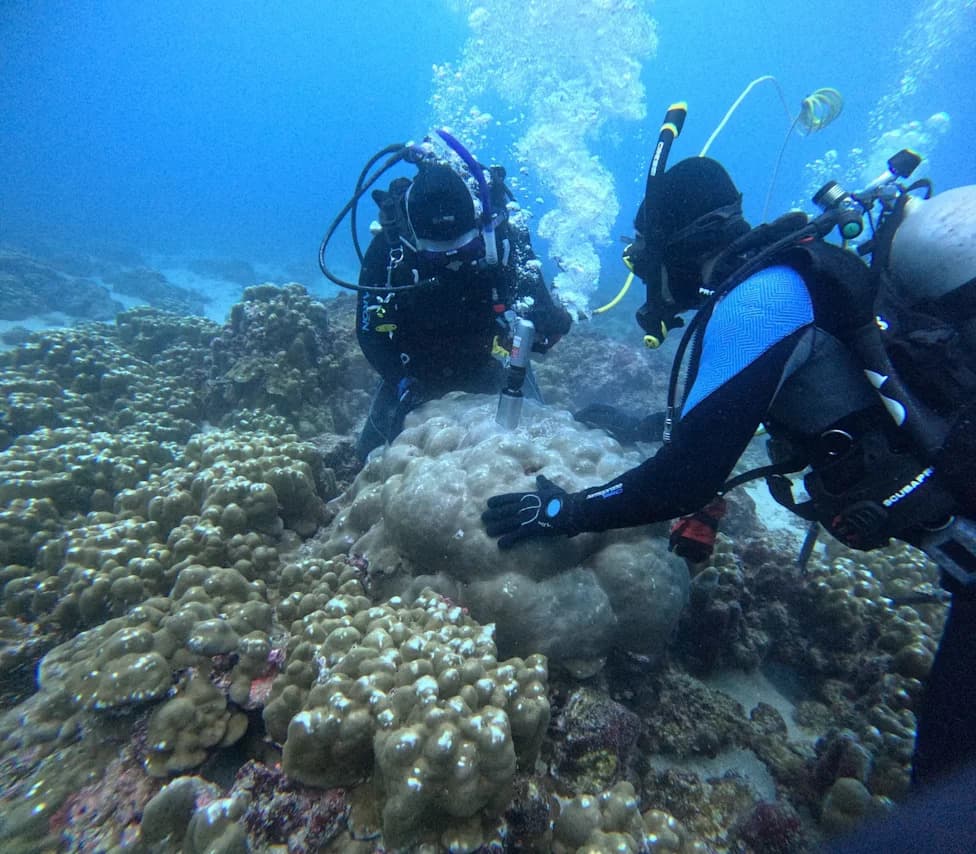
Coral reefs globally are struggling with back-to-back bleaching events (Lillian SUWANRUMPHA)(Lillian SUWANRUMPHA/AFP/AFP)
Scientists are increasingly alarmed that a likely — and possibly unusually strong — El Niño this year could inflict severe damage on coral reefs worldwide, many of which remain weakened by consecutive mass bleaching events.
What El Niño Means For Reefs
El Niño, a climate pattern that typically recurs every two to seven years, alters global weather patterns, bringing droughts to some regions and heavy rains to others. Critically for coral reefs, El Niño is linked to warmer ocean temperatures and, in some places, reduced cloud cover — conditions that increase the risk of widespread coral bleaching.
"Every global coral bleaching event has been during an El Niño year," said Clint Oakley, a coral scientist at Victoria University of Wellington. He described his reaction to the prospect of a strong El Niño as one of "dread, although not surprise," warning it could be "serious and devastating for many reefs around the world."
How Bleaching Works
Corals rely on a close partnership with microscopic algae that live inside their skeletons. The algae supply nutrients through photosynthesis while receiving shelter from the coral host. When seawater becomes too warm, that relationship breaks down: the algae are expelled or leave, stripping corals of their color and leaving behind pale, starving skeletons.
If waters cool quickly, corals can sometimes survive on stored energy until algae return. But stressed corals are undernourished, more vulnerable to disease, and less able to reproduce. "And if it takes too long for the waters to cool down, or if the heat is too extreme, then they will essentially starve and they'll die," explained Jen Matthews, a coral scientist at the University of Technology Sydney.
Scale Of The Crisis
The last global mass bleaching event was declared in 2024. Some coral species in the Caribbean are now considered "functionally extinct," and Australia's Great Barrier Reef lost between 15% and 40% of its coral cover in different locations between 2024 and 2025. Overall, up to half of the world's coral has been lost in recent decades, eroding ecosystems that serve as nurseries for fish and protect coastlines from storms.
Can Scientists Intervene?
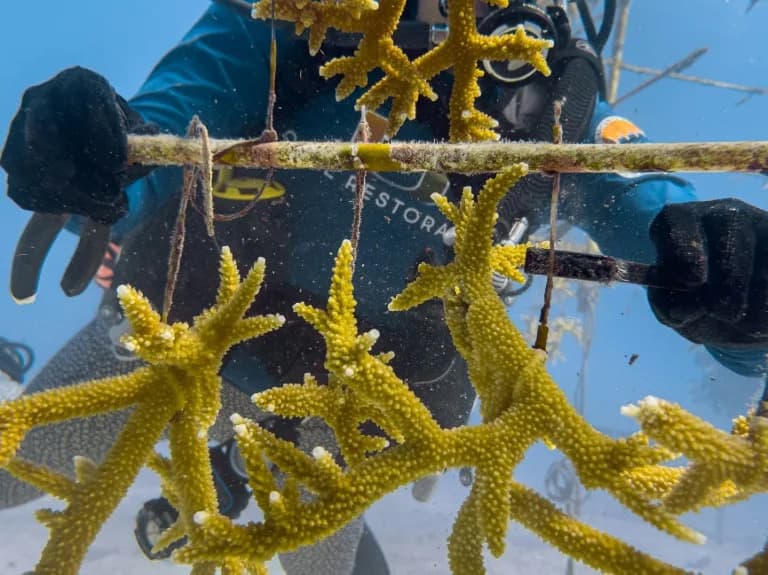
Researchers are testing a range of interventions — from nutritional gels and shading techniques to selective breeding and genetic approaches — to help reefs survive warming events. While promising, these strategies are limited in scale and, as experts caution, largely "buying time" rather than offering a long-term solution.
"There's a lot of really important and innovative management strategies out there," Matthews said, "but they're all just buying time."
Uncertainty And Outlook
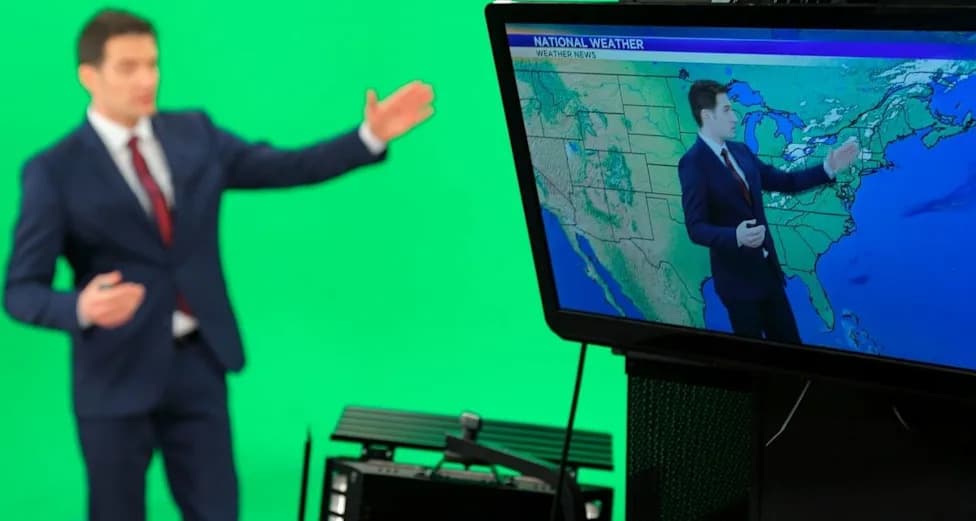
Forecasters say an El Niño is likely, but its exact timing, strength and duration remain uncertain. "El Niño is likely, but the strength and duration are still uncertain," said Kimberley Reid, a research fellow in atmospheric sciences at the University of Melbourne. She noted that El Niño is only one factor among several — including local sea temperatures and wind patterns across the Indian Ocean — that determine local impacts.
Without substantially stronger action to reduce greenhouse gas emissions, experts warn that reef declines will continue. "If we don't get our act together on climate change, then all we're doing is buying time until our reefs, as we know them, disappear," Matthews said.
Help us improve.