US special-operations veterans with Task Force Antal are training Ukrainian civilians to provide lifesaving emergency care when ambulances and medics cannot reach strike zones. The program focuses on treating shrapnel and blast injuries, keeping patients warm, improvising with available materials, and protecting rescuers from secondary "double-tap" strikes. Trainers stress patience, rescuer safety, and practical supplies for austere conditions.
When Ambulances Can't Come: US Special-Ops Veterans Teach Ukrainians How To Keep Each Other Alive
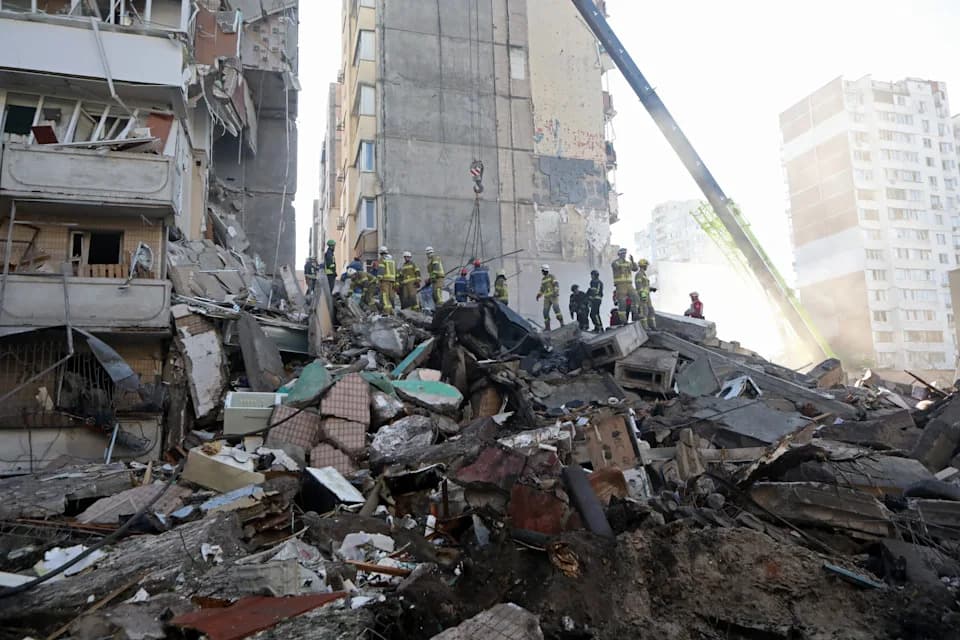
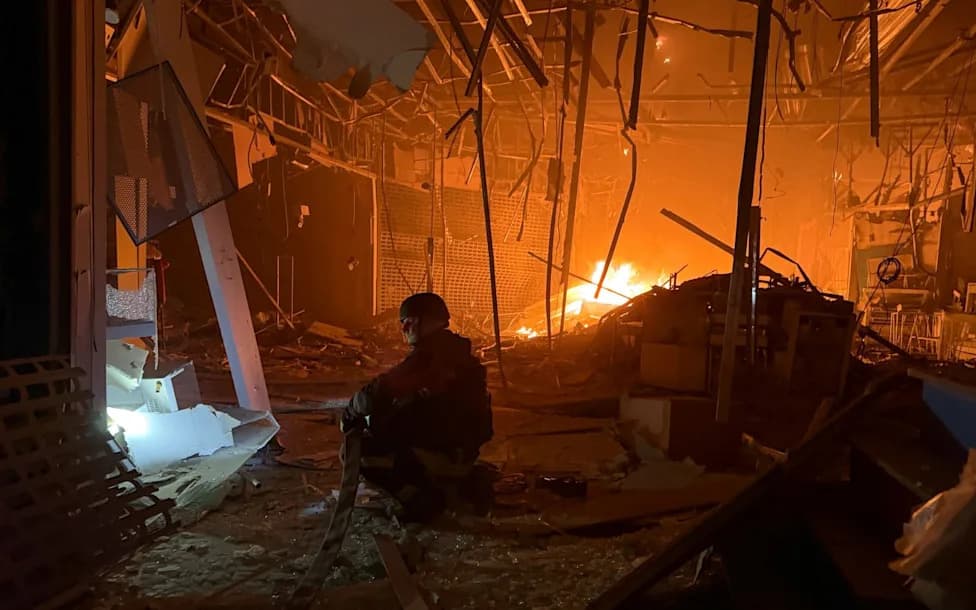
Russia's drone and missile attacks are hitting towns and cities, not just military targets.Oleksandr Klymenko/Ukrinform/NurPhoto via Getty Images
US special-operations veterans are training Ukrainian civilians to provide emergency medical care when ambulances, medics, or rescue teams cannot reach strike zones quickly. Task Force Antal, founded by Mark Antal and his wife Christine Quinn Antal, mobilizes experienced US special-ops personnel to bring medical supplies and hands-on training to towns under fire.
Why This Training Matters
Russian drones, missiles, and strikes have repeatedly hit homes, towns, hospitals and ambulances. Responders who arrive after an initial attack can themselves become targets, and frontline civilians often face battlefield-style injuries — especially fragmentation and shrapnel wounds — while waiting hours or longer for professional help.
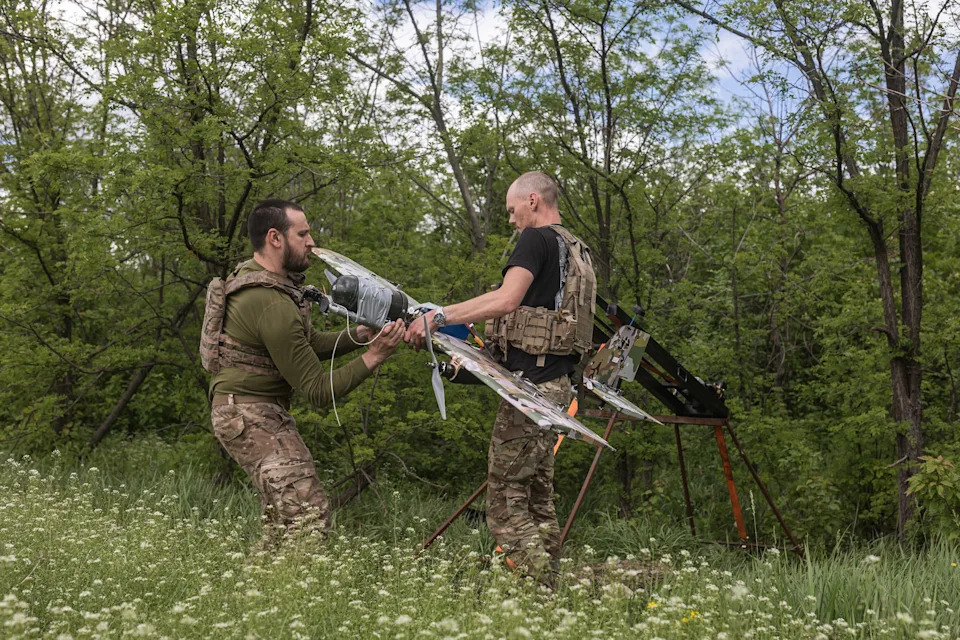
In Ukraine, most injuries come from drones rather than gunshots.Diego Herrera Carcedo/Anadolu via Getty Images
"This war is a little different than what we're used to. We used to control everything," said Mark Antal, who served 12 years in the US Army's 1st Special Forces Operational Detachment-Delta.
In many recent Western campaigns, air superiority and established evacuation routes helped ensure rapid medical evacuation — the so-called "golden hour." Ukraine's conflict shows those safety nets are not guaranteed: limited control of the skies and regular strikes across wide areas mean patients can be isolated for prolonged periods. That places much of the first-response burden on neighbors and bystanders.
Practical Skills For Harsh Conditions
Task Force Antal's curriculum focuses on realistic, improvised care: how to stop bleeding, pack and dress shrapnel wounds, prevent hypothermia, use simple tools like battery-powered headlamps, and safely evaluate when it is too dangerous to move an injured person. Trainers emphasize observation, patience and rescuer safety — rushing into an active attack zone can turn a helper into another casualty.
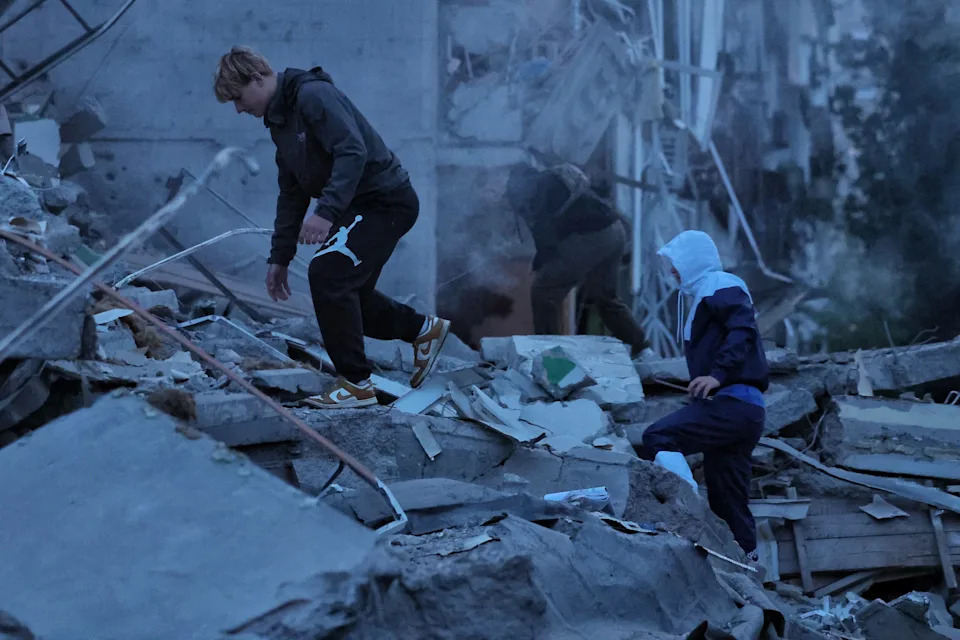
In Ukraine, the regular attacks can delay formal medical help.Yan Dobronosov/Global Images Ukraine via Getty Images
Trainers have adjusted their priorities: what began as preparation for gunshot trauma shifted toward blast and fragmentation injuries caused by drones and missiles. They also teach responders to anticipate and avoid "double-tap" or secondary strikes, in which an initial attack is followed by another aimed at emergency teams.
Simple improvisations can save lives: keeping a patient warm with curtains or bedsheets, using makeshift tourniquets, and working by headlamp in dark, cold, or damaged buildings. Task Force Antal distributes medical kits plus practical supplies such as battery-operated headlamps to help in austere conditions.
Demand And Impact
Christine Antal says the organization maintains a long waiting list of towns and communities requesting training. "These are people like all of us, and their hometowns are under attack," she said. The training aims to make neighbors the first line of care during prolonged waits for professional help — increasing survivability when formal medical systems cannot respond quickly.
Key takeaway: With civilian infrastructure and responders under attack, community-level medical training and simple improvised techniques are increasingly vital to saving lives.
Help us improve.